15 Easy Vegetables to Plant and Harvest This Summer: Best Varieties That Grow Fast in Heat
Summer is arguably the most generous season for gardeners. The long daylight hours, warm soil, and reliable sunshine create the kind of conditions most vegetables quietly dream about all year. Whether you have a large backyard plot or a few containers on a balcony, summer gives you a real opportunity to grow food — fresh, clean, and from your own hands.
I have spoken with beginner gardeners who assumed vegetable growing was complicated or expensive. Most of them were wrong. The truth is that some vegetables practically grow themselves, especially in summer. You plant them, water them, and a few weeks later you are harvesting more than you expected.
This guide covers 15 easy vegetables you can grow in summer, why they thrive in the heat, and how to get the best results from each one. Whether you are a first-time grower or returning to the garden after a break, this list is a strong place to start.
Why Summer Is Ideal for Growing Vegetables
Before diving into the list, it helps to understand why summer works so well. Most vegetables are warm-season crops that need soil temperatures above 60°F (15°C) to germinate and grow properly. Cold soil slows root development and delays fruiting.
Summer also brings longer days. More sunlight means more photosynthesis, which translates directly into faster growth and better yields. For many crops like tomatoes, peppers, and cucumbers, full sun — at least 6 to 8 hours daily — is non-negotiable.
The key challenge in summer is water. Heat increases evaporation, and many vegetables need consistent moisture to produce well. With proper watering habits and a little attention, however, summer gardens can be remarkably productive.
15 easy vegetables to grow in summer
1. Tomatoes
Difficulty level: Easy to Moderate
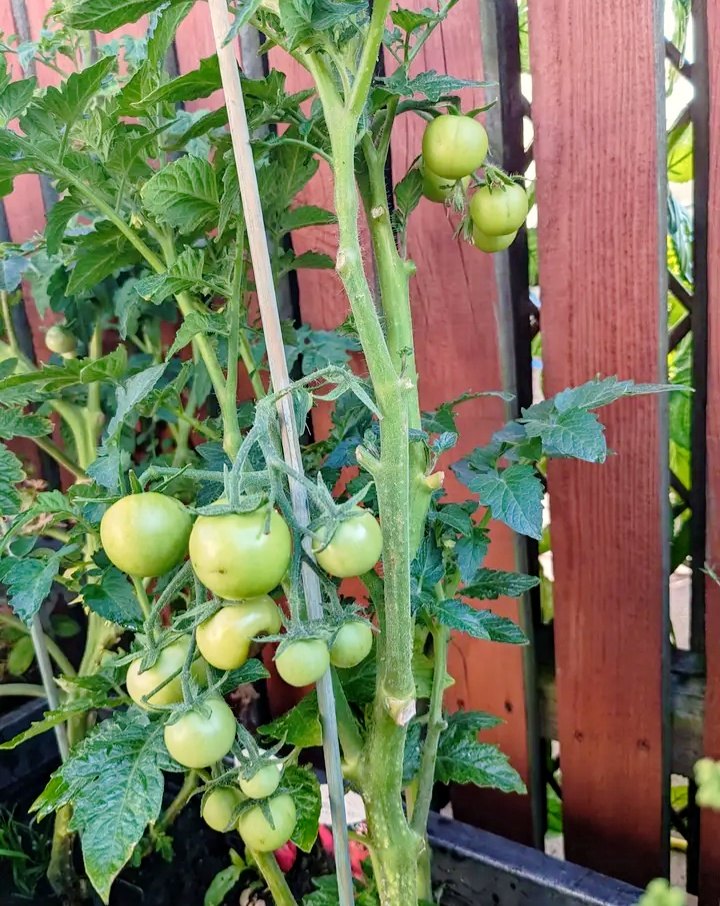
Few vegetables are more rewarding than a homegrown tomato. The flavor difference between a store-bought tomato and one picked warm from your garden is striking — and once you experience it, going back feels impossible.
Tomatoes are warm-season vegetables that love full sun and rich, well-drained soil. They thrive in temperatures between 65°F and 85°F (18°C to 29°C). Plant them after the last frost date in your area, in a spot that receives at least 6 hours of direct sunlight.
Key tips:
- Use a support structure like a cage or stake early on — tomato plants get heavy with fruit.
- Water deeply and consistently. Irregular watering causes problems like blossom end rot and cracking.
- Pinch off suckers (the small shoots that grow between the main stem and branches) on indeterminate varieties to focus the plant’s energy on fruit production.
Cherry tomato varieties such as Sweet Million or Sun Gold are especially beginner-friendly because they produce fruit quickly and continue bearing throughout the summer.
2. Zucchini (Courgette)
Difficulty level: Very Easy
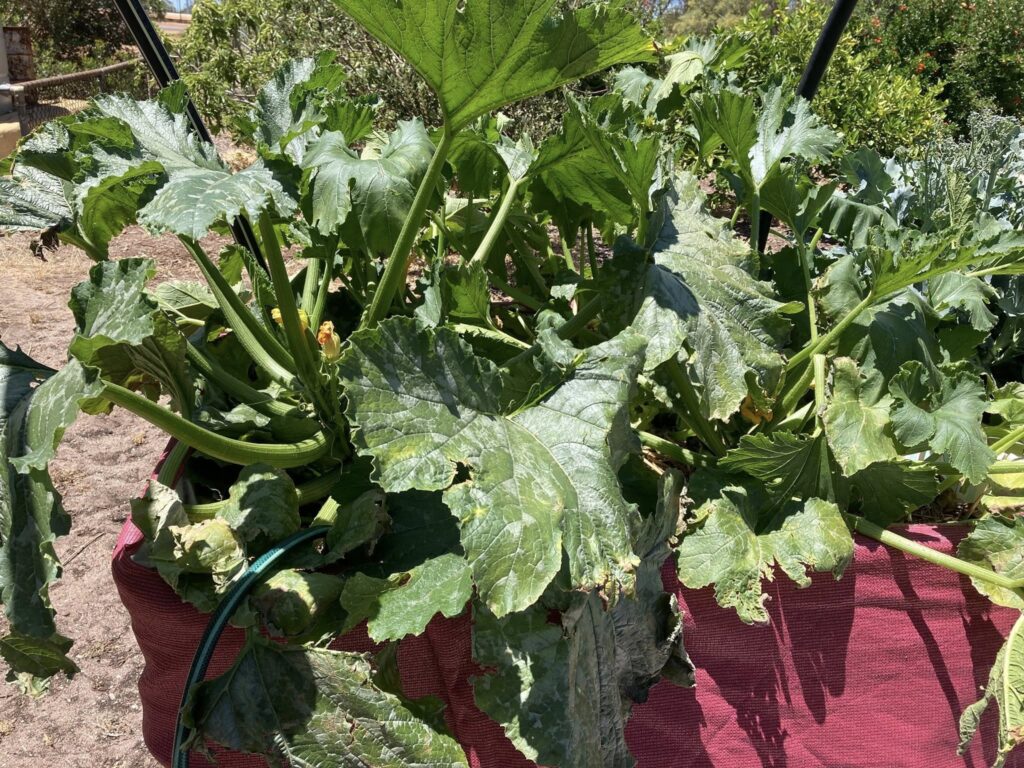
Zucchini is famous among gardeners for one reason — it produces abundantly. Once established, a single plant can produce more zucchini than one household can easily consume. This is both its greatest appeal and its most common complaint.
It grows quickly in warm soil, requires minimal care, and resists many common garden pests. Plant seeds or transplants in full sun after the last frost. Zucchini prefers loose, fertile soil with good drainage.
Key tips:
- Harvest zucchini when they are 6 to 8 inches long. Larger fruits become seedy and tough.
- Check plants daily during peak summer — they grow fast.
- Planting two or three plants ensures good pollination and consistent harvests.
If you are new to growing vegetables, zucchini is arguably the easiest crop to start with and still get impressive results.
3. Cucumbers
Difficulty level: Easy
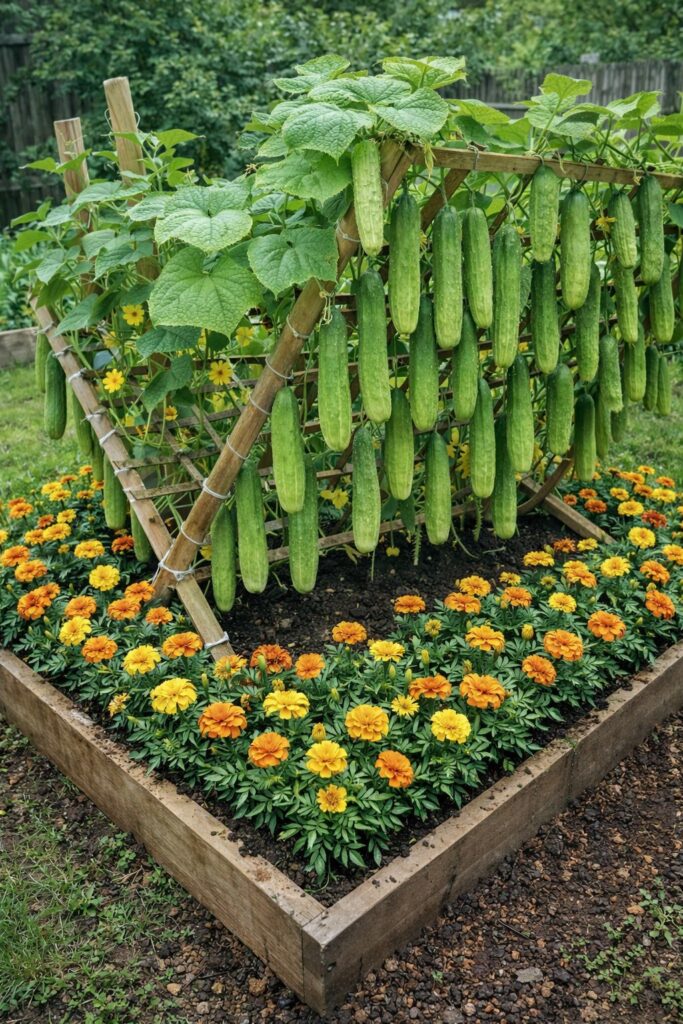
Cucumbers are a summer staple in many countries. They love heat, grow quickly, and are incredibly satisfying to harvest. A well-tended cucumber plant can produce dozens of fruits over a single season.
Plant cucumbers in full sun with warm soil (above 65°F / 18°C). They are climbing plants by nature, so giving them a trellis or fence to grow on saves space and keeps the fruit clean and straight.
Key tips:
- Water consistently — cucumbers are about 96% water by composition, so they need steady moisture.
- Pick cucumbers before they turn yellow. Once they over-mature, the plant slows production.
- Look for disease-resistant varieties if your area has humid summers.
Slicing cucumbers, pickling cucumbers, and seedless varieties all perform well in summer gardens.
4. Green Beans (Bush or Pole)
Difficulty level: Very Easy
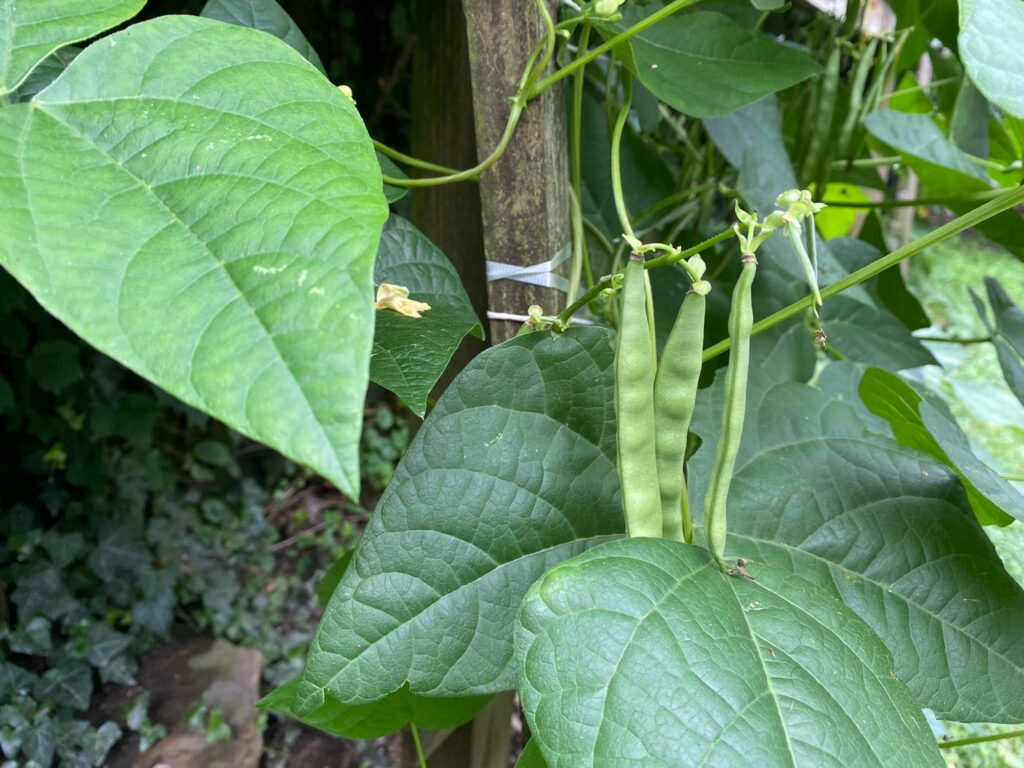
Green beans are one of the most straightforward vegetables to grow. They ask for very little — just warm soil, adequate sunlight, and water — and in return, they give you a generous harvest that stretches across several weeks.
There are two main types: bush beans, which grow compactly without support, and pole beans, which climb and produce over a longer period. Bush beans tend to be better for beginners because of their simple growing habit.
Key tips:
- Sow seeds directly in the garden after the last frost. Green beans dislike being transplanted.
- Plant in rows with 2 to 4 inches between seeds for good air circulation.
- Harvest regularly to encourage the plant to keep producing.
Green beans are also excellent for container gardening if you choose a compact bush variety.
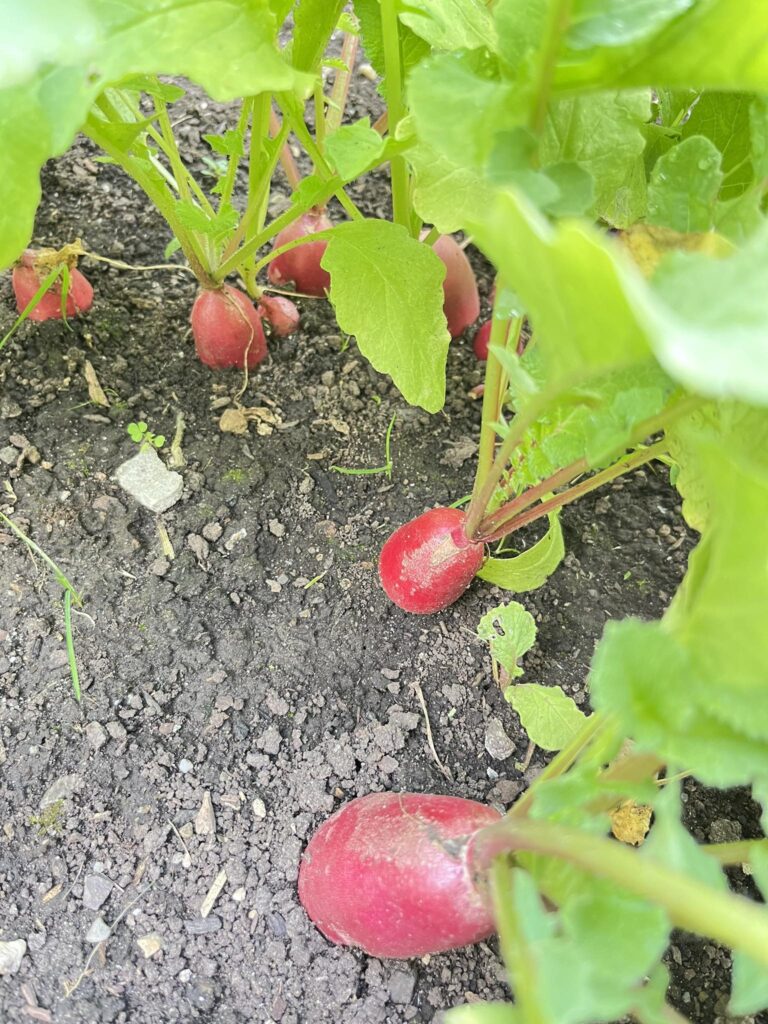
5. Radishes
Difficulty level: Extremely Easy
Radishes are one of the fastest vegetables you can grow — some varieties are ready to harvest in as little as 20 to 30 days from sowing. This makes them ideal for gardeners who want quick results, or for filling gaps between slower-growing crops.
They prefer slightly cooler soil, so sow them in early summer or late summer rather than during the hottest weeks of the season.
Key tips:
- Sow seeds directly where they will grow. Radishes do not transplant well.
- Thin seedlings to about 2 inches apart to allow roots to develop properly.
- Harvest promptly once mature — radishes left in the ground too long become pithy and sharp in flavor.
French Breakfast and Cherry Belle are popular varieties that perform reliably in summer gardens.
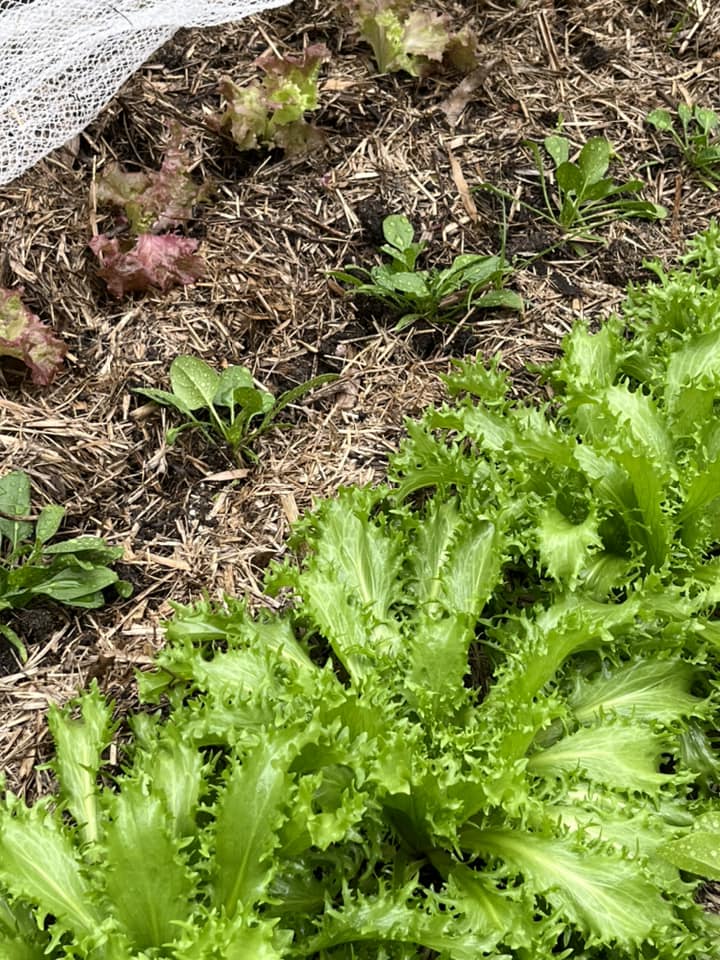
6. Lettuce
Difficulty level: Easy
Lettuce is a cool-season crop by nature, but it can be grown successfully in summer with the right approach. The key is to choose heat-tolerant varieties and provide some afternoon shade during the hottest parts of the day.
Loose-leaf lettuces like Oak Leaf, Red Sails, and Summer Crisp are bred specifically for warm conditions and bolt (go to seed) much more slowly than traditional head lettuce.
Key tips:
- Plant lettuce in partial shade or use a shade cloth during peak summer heat.
- Water frequently since lettuce has shallow roots and dries out quickly.
- Harvest outer leaves regularly using the “cut and come again” method for a continuous supply.
Succession planting — sowing a new batch every two weeks — ensures you always have fresh lettuce available without a glut.
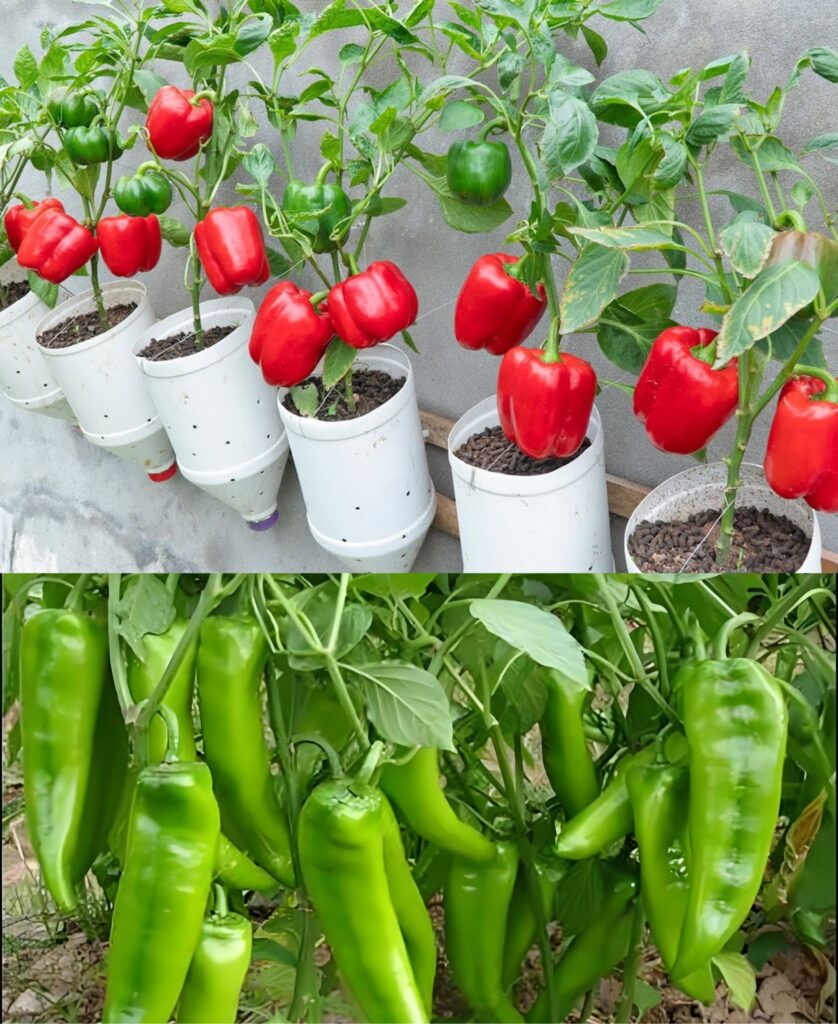
7. Peppers (Bell and Chili)
Difficulty level: Easy to Moderate
Peppers are a natural fit for summer. They love heat, sunlight, and warm nights. In fact, cool temperatures are one of the main reasons pepper plants underperform, so summer is genuinely their best season.
Plant peppers in full sun after all risk of frost has passed. They prefer rich, well-drained soil and benefit from a layer of mulch to retain soil moisture.
Key tips:
- Start with transplants rather than seeds if you are in a short-summer climate.
- Water regularly but avoid waterlogging — peppers are sensitive to overly wet soil.
- Green peppers are simply unripe versions of red, yellow, or orange peppers. Leaving them on the plant longer increases sweetness but slows overall production.
Sweet bell peppers, banana peppers, and jalapeños are all excellent choices for summer gardens.
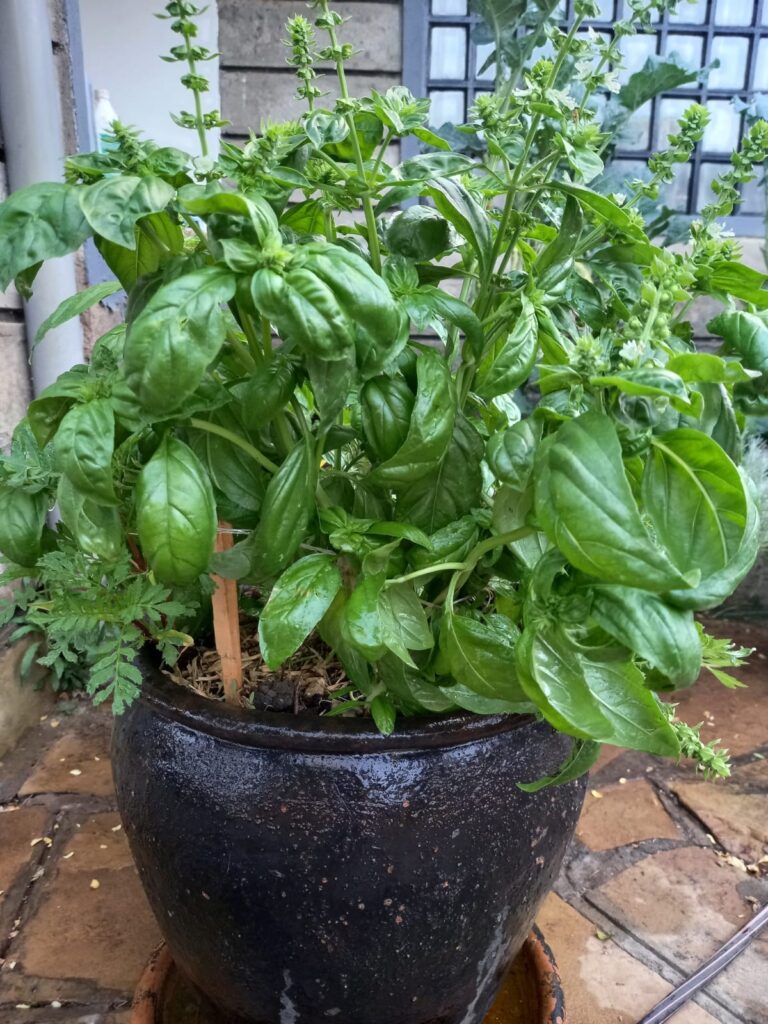
8. Basil
Difficulty level: Easy
Technically an herb rather than a vegetable, basil deserves a place on this list because it is one of the easiest plants to grow in summer and one of the most useful in the kitchen. It is also an excellent companion plant for tomatoes, helping to repel certain pests.
Basil thrives in warm weather, full sun, and well-drained soil. It is frost-sensitive and should only go outdoors once temperatures are reliably warm.
Key tips:
- Pinch off flower heads as they form to keep the plant producing flavorful leaves.
- Water at the base of the plant rather than overhead to prevent leaf spotting.
- Harvest leaves regularly to encourage bushy growth.
Genovese basil is the classic choice, but Thai basil and lemon basil are interesting alternatives with distinct flavors.
9. Eggplant (Aubergine)
Difficulty level: Easy
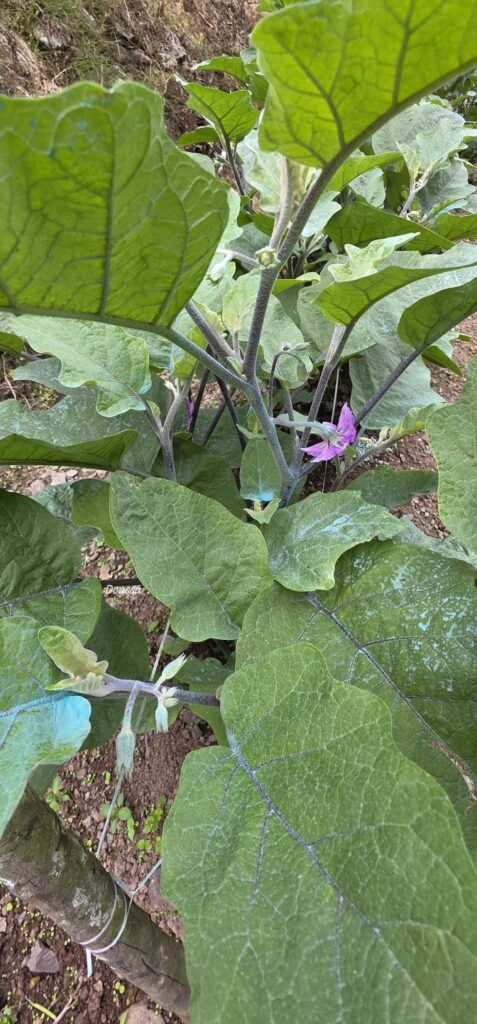
Eggplant is a warm-weather vegetable that genuinely thrives in summer heat. It shares a family with tomatoes and peppers and has similar growing requirements — full sun, warm soil, and consistent watering.
The plants are attractive with their purple flowers and glossy fruit, making them equally suitable for ornamental and productive gardens.
Key tips:
- Start eggplant from transplants for best results in shorter summers.
- Use a stake or small cage to support the plant once fruit develops.
- Harvest while the skin is still shiny — dull skin signals over-ripeness.
Varieties like Black Beauty, Ichiban (a long, slender Japanese type), and Fairy Tale are reliable summer performers.
10. Summer Squash
Difficulty level: Very Easy
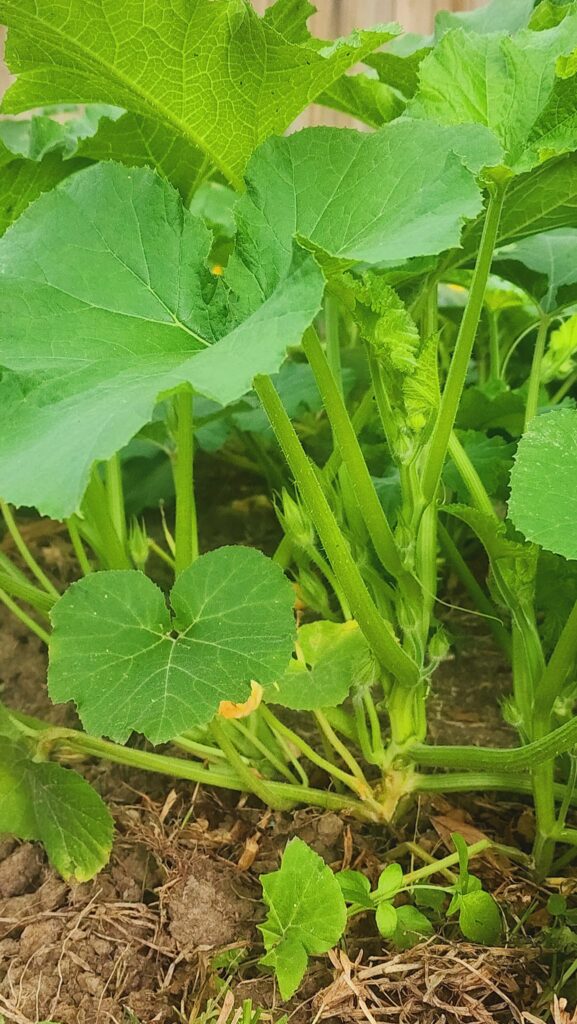
Summer squash encompasses a broad category of fast-growing, heat-loving vegetables including yellow squash, pattypan squash, and zucchini (already covered above). Like zucchini, yellow summer squash is highly productive and easy to grow.
It grows in full sun, tolerates summer heat well, and produces fruit within 50 to 60 days of planting.
Key tips:
- Water at the soil level to avoid spreading fungal diseases.
- Harvest when small to medium-sized for the best texture and flavor.
- Rotate planting locations each year to prevent soil-borne diseases.
Summer squash is versatile in the kitchen — it works grilled, sautéed, roasted, or spiralized into “zoodles.”
11. Carrots
Difficulty level: Moderate
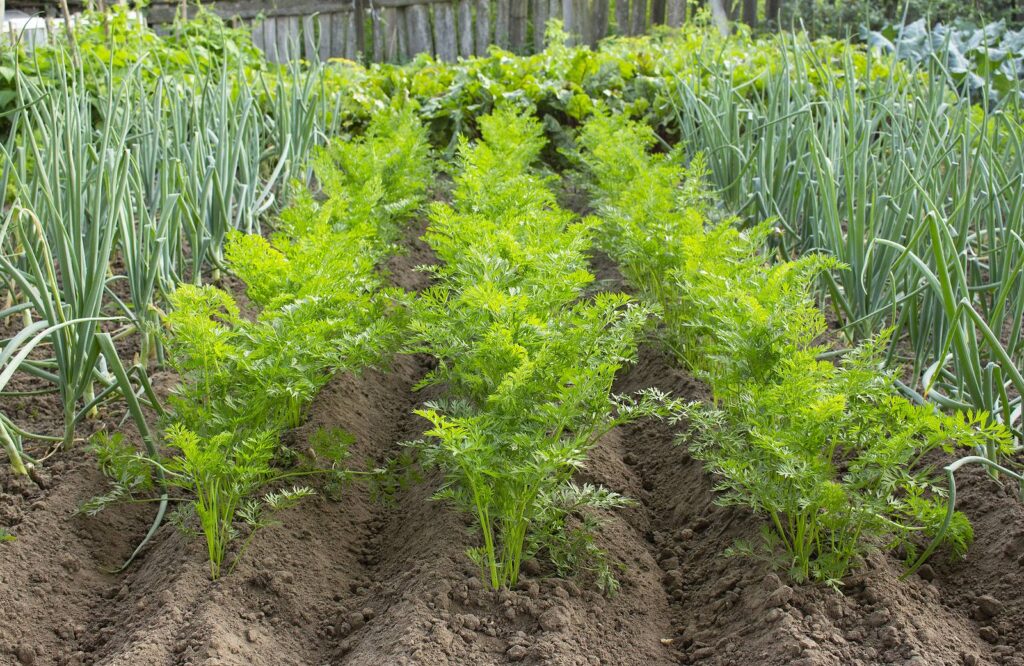
Carrots take a bit more patience than other vegetables on this list, but they are still well within reach for most gardeners. The main requirement is loose, deep, stone-free soil — compacted or rocky ground causes forked or stunted roots.
Sow seeds directly in the garden in early summer for a late-summer or autumn harvest. Carrots prefer full sun but can tolerate partial shade.
Key tips:
- Thin seedlings to 2 to 3 inches apart once they reach 2 inches in height. Crowded carrots grow poorly.
- Keep the soil consistently moist for even germination and growth.
- Baby carrot varieties like Chantenay or Danvers Half Long work well in heavier soils.
Carrots are rich in beta-carotene and store well after harvest, making them a practical addition to any summer garden.
12. Kale
Difficulty level: Easy
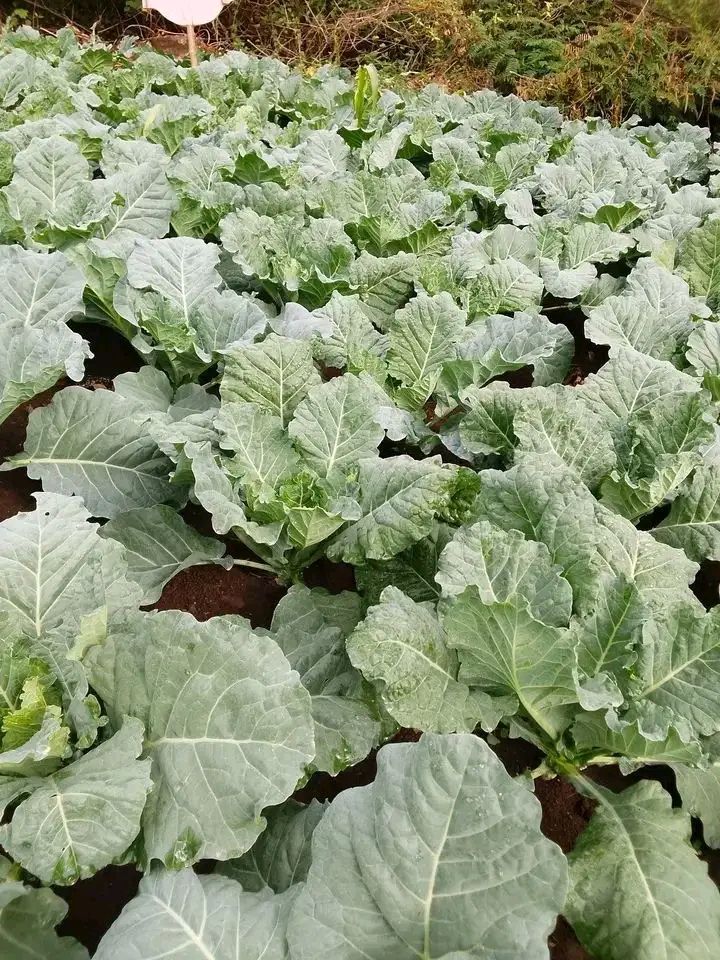
Kale has earned its reputation as a nutritional powerhouse, and it is also a remarkably resilient plant. While it prefers cooler temperatures, heat-tolerant varieties like Lacinato (Dinosaur) kale and Red Russian kale perform well in summer with a little care.
Plant kale in a location where it receives morning sun and afternoon shade in hot climates. Rich, moist soil encourages tender, less bitter leaves.
Key tips:
- Harvest outer leaves first and allow the plant to continue growing from the center.
- Mulch heavily around the base to keep soil moisture in and soil temperature down.
- Kale grown in moderate heat develops a slightly sweeter flavor after a cool evening.
A single kale plant can provide harvests across many months, making it excellent value for the space it occupies.
13. Spinach
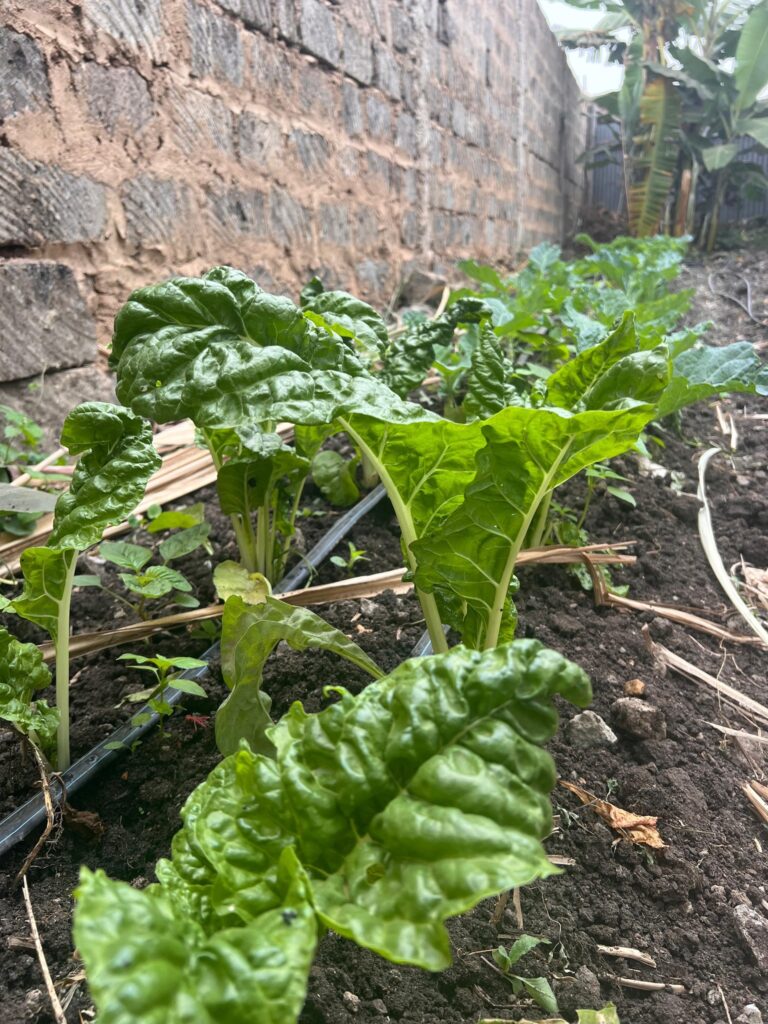
Difficulty level: Moderate
Spinach is another cool-season crop that can be coaxed into summer production with some planning. Choose heat-resistant varieties like Malabar spinach or Tyee, which tolerate warm temperatures far better than standard varieties.
Malabar spinach, in particular, is a tropical climbing plant that actually prefers heat and humidity — making it an excellent true summer option.
Key tips:
- Plant in partial shade during summer to slow bolting.
- Water consistently to keep the soil evenly moist.
- Harvest young leaves frequently for the best flavor and to extend the harvest season.
Spinach is one of the most nutrient-dense vegetables you can grow, packed with iron, folate, and vitamins A and C.
14. Beetroot (Beets)
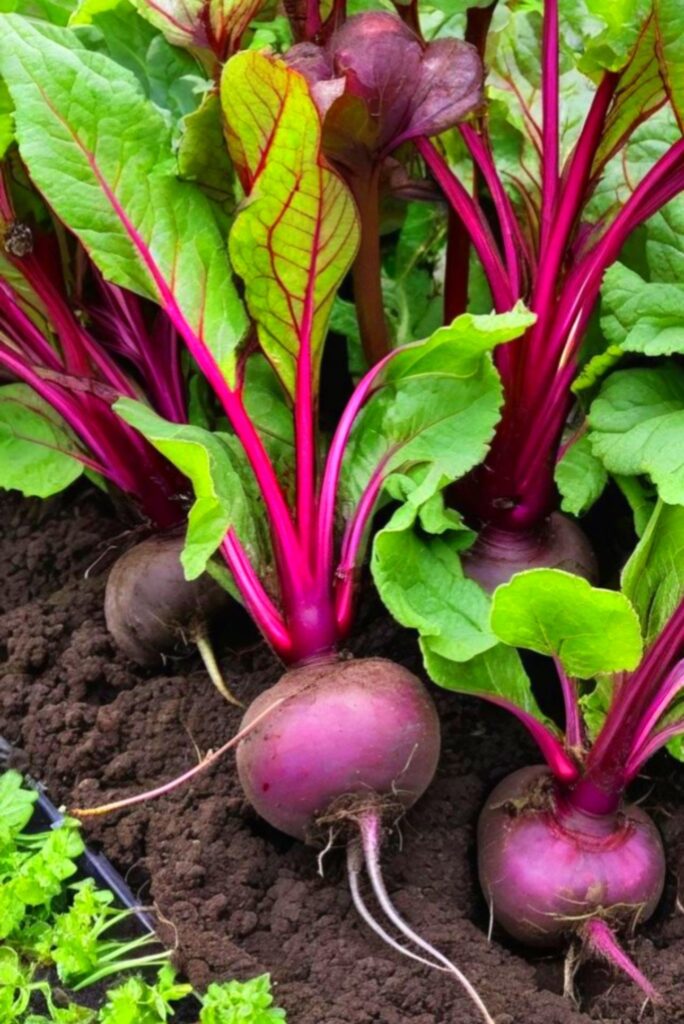
Difficulty level: Easy
Beetroot is a dual-purpose vegetable — you can eat both the roots and the nutritious leafy tops. It grows well in summer, tolerating temperatures up to around 75°F (24°C) before growth begins to slow.
Beets prefer full sun and well-drained, loose soil. Direct sow seeds in early summer for the best results.
Key tips:
- Soak seeds in water for an hour before planting to speed up germination.
- Thin to 3 to 4 inches apart once seedlings emerge.
- Harvest roots when they reach the size of a golf ball to a tennis ball for the best sweetness and tenderness.
Detroit Dark Red and Chioggia (with its striking red and white stripes) are popular varieties that perform reliably in summer conditions.
15. Swiss Chard
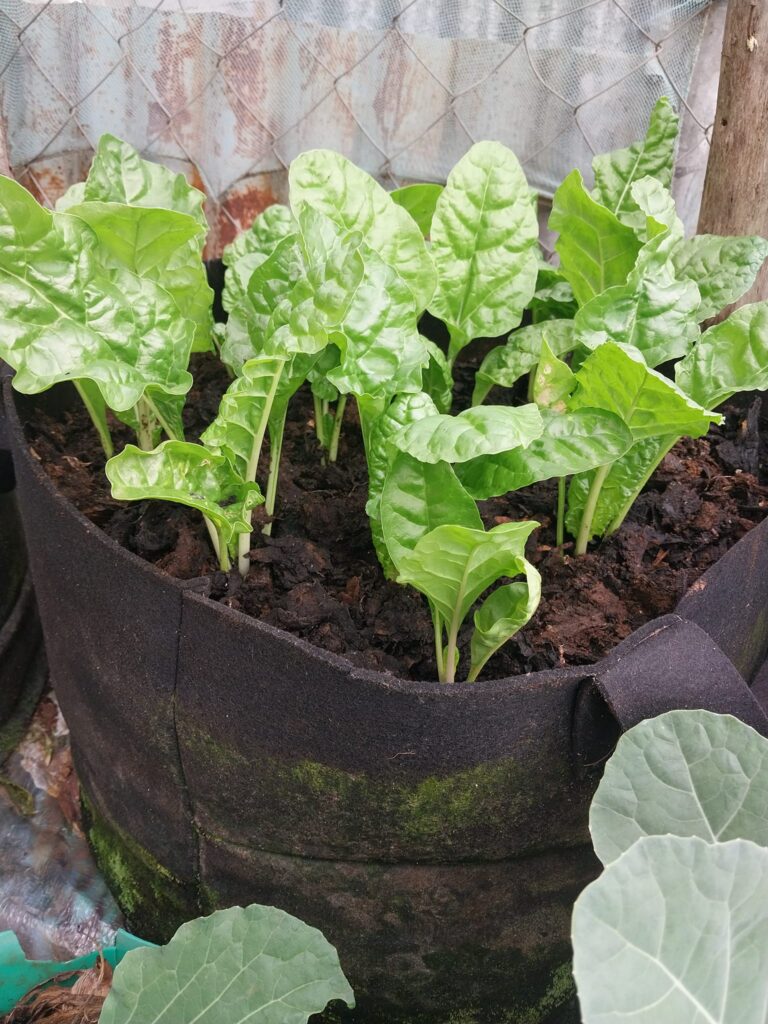
Difficulty level: Very Easy
Swiss chard is arguably one of the most underrated summer vegetables. It grows vigorously in the heat, produces over a very long season, and is genuinely beautiful in the garden with its brightly colored stems in red, yellow, orange, and white.
It is also extremely nutritious, offering high levels of vitamins K, A, and C along with magnesium and iron. Plant in full sun or partial shade in rich, moist soil.
Key tips:
- Begin harvesting outer leaves once the plant is 8 to 10 inches tall.
- Swiss chard tolerates both heat and mild frost, making it one of the longest-producing vegetables in the garden.
- Water regularly and apply a light liquid fertilizer every few weeks for sustained leaf production.
Rainbow chard — a mix of different colored stem varieties — is widely available and makes the garden look as good as it tastes.
General Summer Gardening Tips to Maximize Your Harvest
Growing the right vegetables is only part of the story. How you care for them makes an enormous difference in yield, plant health, and your overall experience. Here are several principles that apply across almost every vegetable on this list:
Water deeply, not frequently
Shallow, frequent watering encourages roots to stay near the surface, making plants more vulnerable to heat stress. Deep, less frequent watering trains roots to grow downward, where soil moisture is more stable.
Mulch generously
A 2 to 3-inch layer of organic mulch — straw, wood chips, or shredded leaves — around your plants conserves soil moisture, moderates soil temperature, and suppresses weeds. In summer heat, mulch can make a significant difference in plant performance.
Feed your plants
Vegetables are heavy feeders. A balanced, slow-release fertilizer applied at planting, followed by a liquid feed every few weeks, keeps plants producing through the long summer season.
Inspect regularly for pests and disease
Catching problems early makes them far easier to manage. Check the undersides of leaves for eggs and small insects. Remove damaged leaves promptly to prevent disease from spreading.
Harvest consistently
Many summer vegetables — especially zucchini, cucumbers, beans, and peppers — produce more when harvested regularly. Leaving mature fruit on the plant signals the plant to slow down or stop producing. Pick often and the plants respond with more fruit.
Container Gardening in Summer
Not everyone has garden beds. Balconies, patios, and small courtyards are perfectly valid growing spaces. Many summer vegetables adapt well to containers:
- Tomatoes (cherry varieties), peppers, basil, and lettuce are excellent container crops.
- Use large containers — at least 12 inches deep and wide — for most vegetables.
- Containers dry out much faster than garden beds, so check moisture levels daily in hot weather.
- Use a quality potting mix, not garden soil, which compacts in containers and restricts drainage.
Container-grown vegetables may produce slightly less than those in the ground, but the convenience and flexibility they offer make them a genuinely worthwhile option.
Suggested For You:
Help! Why Is My Cabbage Not Forming Heads?
Tips for Growing Romanesco Cauliflower in Pots
Roma Tomatoes Identification: Are Roma Tomatoes Determinate or Indeterminate?
7 Reasons Tomatoes are Dropping Off the Vine Prematurely (And How to Fix)
8 Reasons Your Tomatoes Are Too Small (And How to Make the Fruit Bigger)
Final Thoughts
Summer gardening does not have to be overwhelming. Starting with the right vegetables — ones that are naturally suited to warm weather and forgiving of minor mistakes — makes the entire experience more enjoyable and far more successful.
The 15 vegetables in this guide share a common trait: they reward effort without demanding perfection. You do not need a large space, expensive equipment, or years of experience. You need good soil, consistent watering, adequate sunlight, and a little curiosity.
There is something genuinely satisfying about eating food you have grown yourself. It changes how you cook, how you plan meals, and how you think about the seasons. If you have not tried growing your own summer vegetables, this year is a perfectly good time to start.
Pick two or three vegetables from this list — ones that your family already enjoys eating — and begin there. Once you taste the results, you may find yourself planning a larger garden before the season is over.
References
- University of California Agriculture and Natural Resources — Summer Vegetable Gardening https://ucanr.edu/sites/mg/files/146763.pdf
- Penn State Extension — Growing Tomatoes in the Home Garden https://extension.psu.edu/growing-tomatoes-in-the-home-garden
- Purdue University Extension — Vegetable Planting Calendar https://www.purdue.edu/hla/sites/yardandgarden/vegetable-planting-calendar/
- Cornell University College of Agriculture and Life Sciences — Vegetable Growing Guides https://gardening.cals.cornell.edu/lessons/vegetables/
- University of Minnesota Extension — Raised Bed and Container Vegetable Gardening https://extension.umn.edu/vegetables/raised-bed-and-container-vegetable-gardening
P.S: Growing conditions vary by region, climate zone, and local soil type. Consult your local agricultural extension office for region-specific planting advice.

Tim M Dave is a gardening expert with a passion for houseplants, particularly cacti and succulents. With a degree in plant biology from the University of California, Berkeley, he has vast experience in gardening. Over the years, he has cultivated a vast collection of desert plants and learned a great deal about how to grow and care for these unique companions.