Zanzibar Gem Thirsty? How to Revive an Underwatered ZZ Plant
The ZZ plant (Zamioculcas zamiifolia), commonly known as the Zanzibar Gem, is a favorite plant in most homes, from sunny California condos to cozy New York apartments. Native to East Africa, this plant is practically a superhero, thriving in low light and needing minimal care.
Its thick, waxy leaves and water-storing rhizomes (underground stems) make it drought-tolerant, but even this tough guy can suffer if you forget to water it—like I did! Underwatering is a common issue, especially in busy households, but it’s fixable.
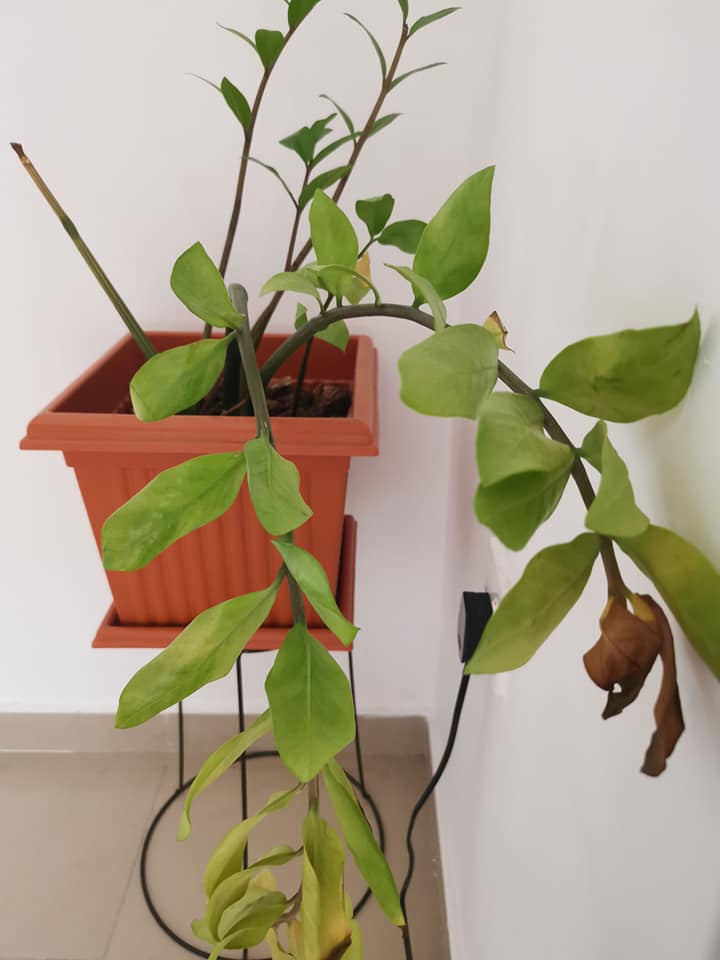
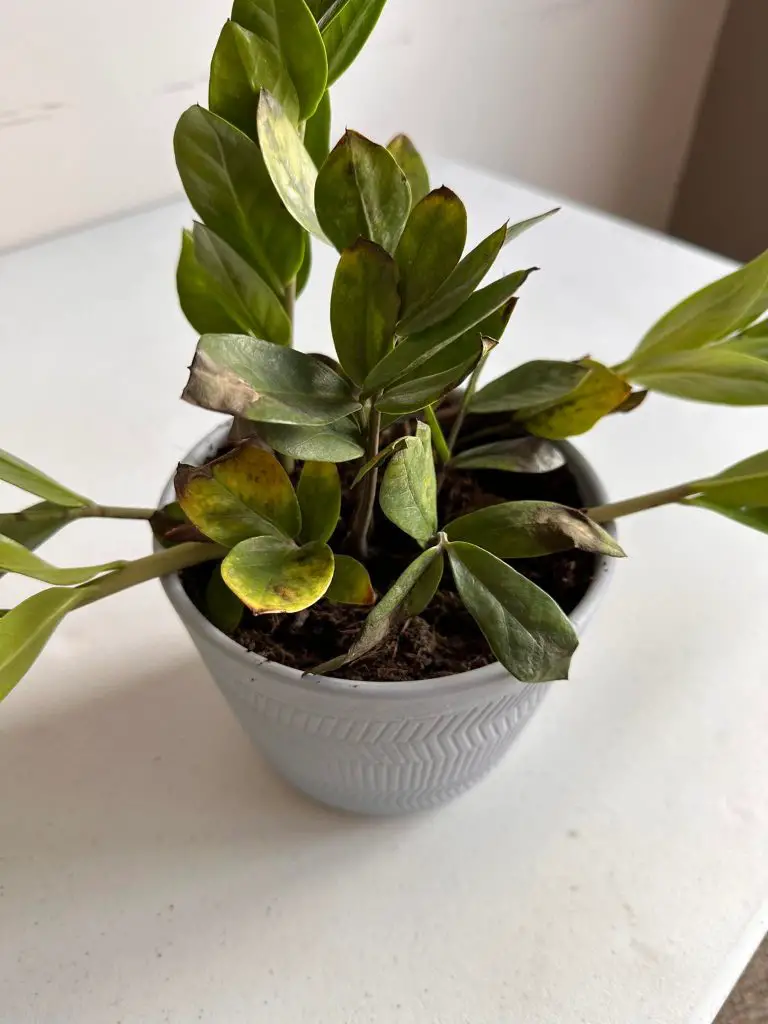
I’ll never forget the moment I realized my ZZ plant was looking rough. Its glossy, dark green leaves were turning yellow, and the tips were crispy brown. I thought my “indestructible” plant was done for!
After some frantic research, I discovered I’d been neglecting it—my ZZ was underwatered. If you’re staring at a droopy, sad ZZ plant, don’t worry. I’ve been there, and I’m here to share my journey of reviving my plant., along with practical, tips to bring yours back on track.

Why Does Underwatering Happen to ZZ Plants?
I used to think my ZZ plant could survive anything. “It’s drought-tolerant,” I told myself, so I barely watered it. Big mistake! While ZZ plants can go weeks without water, they’re not cacti. Neglecting them for too long can stress them out.
Here’s why underwatering happens in most homes in the U.S, U,K and even Canada:
1. Assuming “Low Maintenance” means “No Maintenance”
I fell into the trap of thinking my ZZ plant didn’t need water because it’s so hardy. Busy schedules among households—whether you’re juggling work in Chicago or parenting in Texas—can lead to forgetting those occasional waterings.
Signs of neglect:
- Yellowing or browning leaves.
- Crispy, dry leaf tips.
- Shriveled stems or rhizomes.
2. Low humidity – The silent culprit
Many homes in the U.S., especially in dry climates like Arizona or heated winter homes in Minnesota, experience low humidity. This can dry out your ZZ plant faster than you expect, especially if you’re not watering regularly.
Signs of low humidity:
- Brown, brittle leaf tips.
- Slow or no new growth.
- Wrinkled rhizomes.
3. Poor light conditions – Slowing water needs
ZZ plants tolerate low light, but too little light can mask underwatering symptoms. I kept my plant in a dim corner, and it wasn’t using water efficiently, making it harder to notice its thirst.
Signs of low light:
- Pale or yellowing leaves.
- Stunted growth with sparse watering.
4. Small pots or old soil
ZZ plants are slow growers, but a pot that’s too small or compacted old soil ,can limit water retention. My plant’s soil was so dry it repelled water, starving the roots.
Signs of poor soil or pot:
- Soil pulls away from the pot’s edges.
- Water runs through without soaking in.
- Shriveled or droopy plant.
How to Spot an Underwatered ZZ Plant
When my ZZ plant started looking off, I didn’t immediately realize it was underwatered. I thought it was just “being dramatic.” Here’s how to spot the signs:
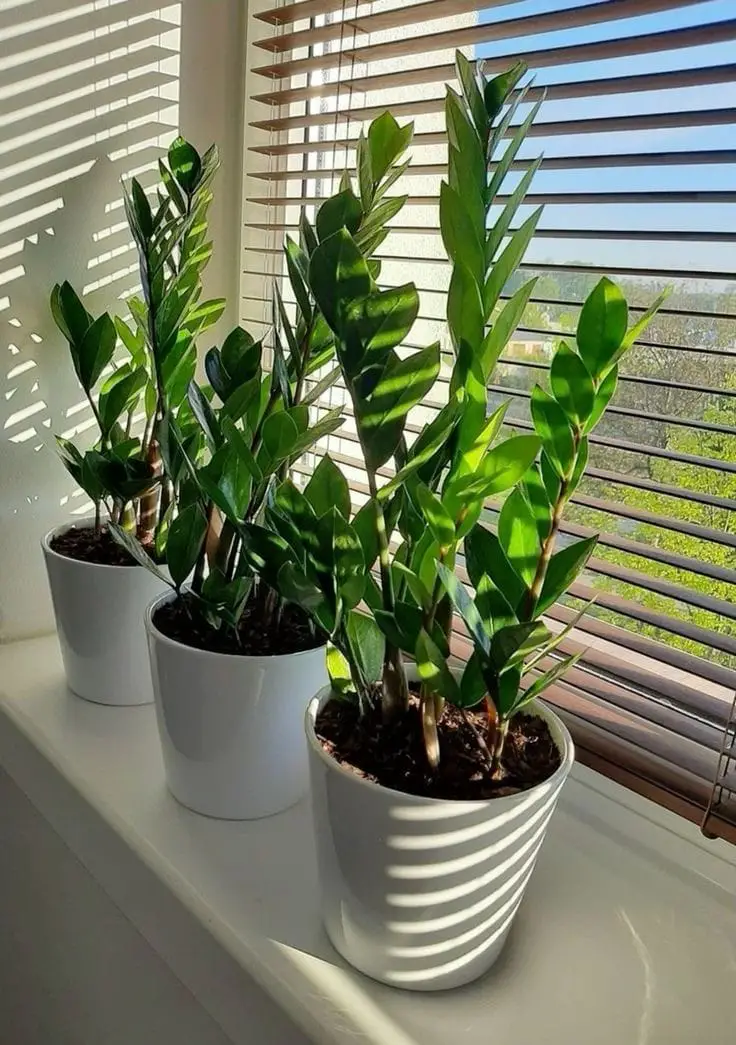
- Yellowing or browning leaves: Healthy ZZ leaves are glossy and green. Yellow or brown leaves, especially with crispy tips, scream thirst.
- Dry, shriveled stems or rhizomes: Gently press the stems or unearth the rhizomes. If they’re wrinkled or soft, your plant needs water.
- Crispy leaf tips: Brown, brittle tips are a classic sign of underwatering or low humidity.
- Slow growth or leaf drop: If your ZZ hasn’t sprouted new shoots in ages or leaves are falling, it’s likely parched.
How to Fix an Underwatered ZZ Plant – My Rescue Plan
When I realized my ZZ plant was underwatered, I felt like a neglectful plant parent. But with some TLC, I brought it back to life. Here’s the step-by-step process I followed to quench my ZZ plant’s thirst and keep it thriving.
Step 1: Assess the damage
I checked my ZZ plant closely. The leaves were yellowing, and the rhizomes looked shriveled when I gently unearthed them. If the roots are dry but white and firm, your plant is salvageable. Black, mushy roots might indicate root rot from prior overwatering, so trim those away.
Step 2: Water thoroughly—but don’t drown it
I gave my ZZ plant a deep drink, pouring water slowly until it ran out the drainage holes. I let the pot sit in a tray of water for 10-15 minutes to let the rhizomes soak up moisture, then drained the excess water. This mimics the plant’s natural environment, where rare rains are absorbed deeply.
Pro Tip: If the soil repels water (a sign of compacted or dry soil), soak the pot in a basin of water for 20 minutes to rehydrate it.
Step 3: Check your pot and soil
My ZZ was in old, compacted soil that wasn’t holding water well. I repotted it in a fresh mix of cactus soil and perlite for better drainage and aeration. I also ensured the pot had drainage holes to prevent future issues.
Step 4: Adjust watering habits
After the initial soak, I set a new watering routine. I check the soil every 2-3 weeks, watering only when the top 1-2 inches are dry. In my dry Colorado apartment, this means watering every 2 weeks in summer and monthly in winter. A moisture meter helps me avoid guesswork.
Step 5: Boost humidity (If needed)
In dry climates, low humidity can worsen underwatering symptoms. I placed a pebble tray with water under my ZZ plant’s pot to slightly increase humidity without overwatering. For homes with forced-air heating, a small humidifier near the plant can help.
Step 6: Optimize light
I moved my ZZ plant to a spot with bright, indirect light near an east-facing window. This helps it use water more efficiently. If you’re in a low-light home, a grow light can perk up your plant without increasing watering needs.
Step 7: Be patient
Recovery takes time. My ZZ plant took about a month to show new, glossy shoots, but the existing leaves stopped yellowing. I resisted overwatering during this period, which was key to its comeback.
Preventing Underwatering in Your ZZ Plant
When I noticed my ZZ plant’s yellowing leaves and crispy tips, I felt guilty for neglecting it. I’d been so caught up in life that I forgot to water it for weeks! I gave it a deep soak, repotted it in fresh cactus mix, and moved it to a brighter spot.
I also started checking the soil regularly with a moisture meter. Seeing new green shoots after a month was like a victory dance. My ZZ plant is now thriving, and I’ve learned to balance its low-maintenance nature with just enough care.
After my underwatering mishap, I vowed to keep my ZZ plant hydrated without going overboard. Here’s how I do it:
- I use a phone app to remind me to check the soil every 2-3 weeks. Water only when the top 1-2 inches are dry.
- I use well-draining soil when potting or repotting. A mix of cactus soil and perlite ensures water reaches the roots without staying too wet.
- In dry areas like Nevada, check soil more often, as low humidity can dry it out faster. In humid regions like Florida, water less frequently.
- Dust can block photosynthesis, stressing the plant. I wipe my ZZ’s leaves with a damp cloth monthly.
- Gently unearth a small section of soil yearly to ensure the rhizomes are plump and healthy.
- I always keep my ZZ plant away from radiators and water consistently but cautiously.
- ZZ plants are compact and perfect for city living. Place them in bright, indirect light to optimize water use, even in low-light spaces.
FAQs
Here are quick answers to the frequently asked questions about underwatered ZZ plants
Q: Can an underwatered ZZ plant recover?
A: Yes, if you catch it early. Water thoroughly, repot if needed, and adjust care. Recovery takes a few weeks, but ZZ plants are resilient.
Q: How often should I water my ZZ plant?
A: Water when the top 1-2 inches of soil are dry—typically every 2-4 weeks, depending on light, humidity, and season.
Q: Why are my ZZ plant’s leaf tips brown?
A: Brown, crispy tips usually mean underwatering or low humidity. Water deeply and consider a pebble tray to boost humidity.
Q: Are ZZ plants safe for pets?
A: No, ZZ plants are toxic to cats and dogs if ingested, causing stomach upset. Keep them out of reach. ASPCA Plant Safety Guide
Q: Can I propagate an underwatered ZZ plant?
A: If the rhizomes or stems are still healthy, you can propagate by dividing rhizomes or taking leaf cuttings—water consistently after propagation.
Suggested For You:
Explained: Why Are My ZZ Plant Leaves Curling?
Is Your ZZ Plant Suffering from Root Rot? Signs and How to Save Your Plant
Beginners Guide: How to Save Your Overwatered ZZ Plant
8 Common ZZ Plant Problems (And Their Troubleshooting Tips)
Tips for Growing ZZ Plant Indoors: Your Guide to a Thriving Zanzibar Gem
Final Thoughts
An underwatered ZZ plant isn’t a lost cause. With a good soak, proper soil, and adjusted care, you can revive its glossy, green glory. I’ve been there, stressing over my parched plant, but my ZZ’s recovery taught me to pay attention to its subtle signs.
Got an underwatered ZZ plant or a success story to share? Drop a comment below, and let’s keep our plants thriving!
Helpful Resources for ZZ Plant Care
- The Old Farmer’s Almanac: ZZ Plant Care – Simple care tips for beginners.
- Epic Gardening: ZZ Plant Care Guide – Detailed troubleshooting for common issues.
- Missouri Botanical Garden: Zamioculcas zamiifolia – Scientific insights on ZZ plant care.
- The Spruce: How to Water Houseplants – General advice for proper watering techniques.

Tim M Dave is a gardening expert with a passion for houseplants, particularly cacti and succulents. With a degree in plant biology from the University of California, Berkeley, he has vast experience in gardening. Over the years, he has cultivated a vast collection of desert plants and learned a great deal about how to grow and care for these unique companions.