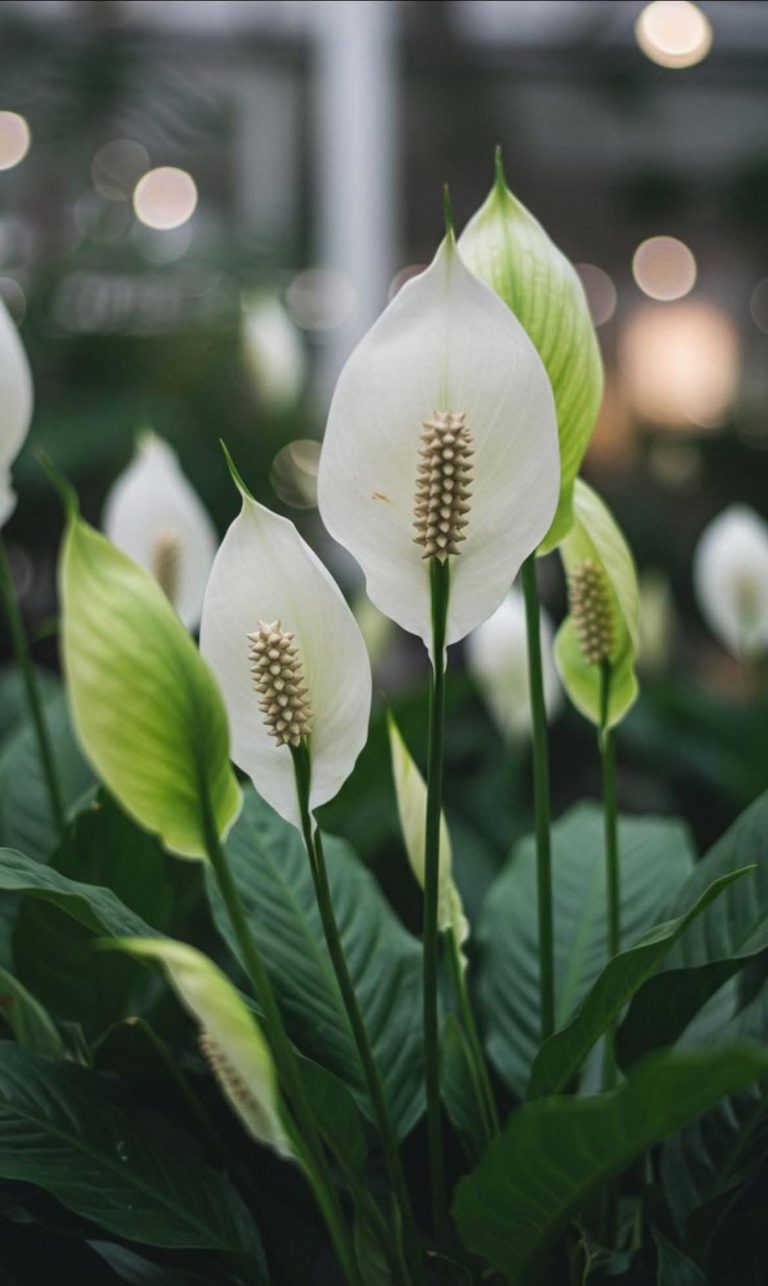
Underwatered Peace Lily: Reviving Your Droopy Plant
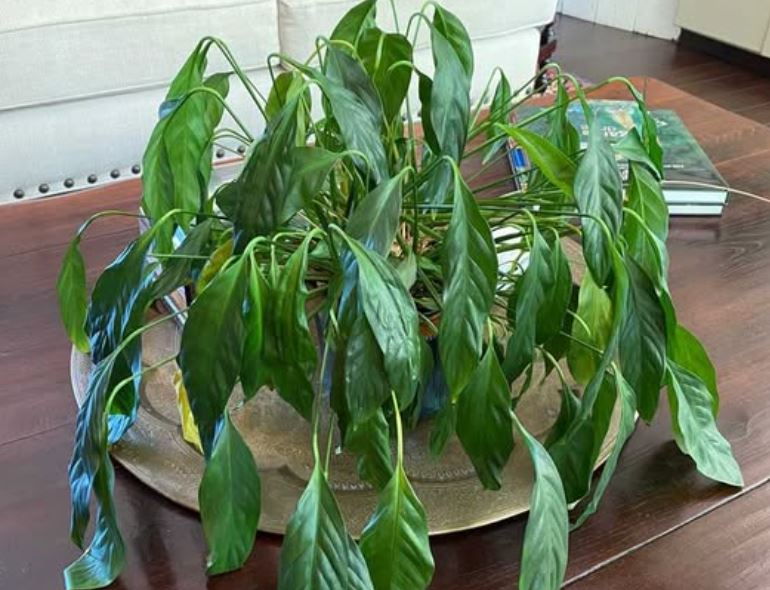
An underwatered peace lily is hard to miss. It looks like it’s begging for a drink. The leaves droop dramatically, curl inward, or turn yellow or brown at the edges. In severe cases, the soil pulls away from the pot’s edges, and the plant may stop producing its signature white blooms.
In American homes, where dry air from heating or air conditioning is common, underwatering is a frequent issue. Let’s explore why this happens and how to spot it early. I’ll never forget the moment I noticed my peace lily, named Lily, looking like she was auditioning for a sad movie.
Her leaves were drooping, curling, and turning crispy at the edges. This was a wakeup call! After soaking her, boosting the humidity, and moving her to a brighter spot, Lily came back to life. Now, she’s a lush, blooming beauty that brightens my home.
Causes of Underwatering in Peace Lilies
Peace lilies are tropical plants that love moisture, but they’re often neglected in busy households. Here are the main reasons your peace lily might be underwatered:
1. Inconsistent Watering: Forgetting to Check In
I’m guilty of this one. Life gets hectic, and watering slips down the priority list. Peace lilies need regular water to stay happy, and skipping it can lead to dehydration.
- Why it happens: Busy schedules or assuming the plant can “handle” a few extra days without water. In American homes, low humidity exacerbates the issue.
- Signs: Drooping leaves, dry soil, and crispy leaf edges.
- Fix: Water when the top inch of soil feels dry. Set a reminder on your phone to check weekly.
2. Low Humidity: The Dry Air Dilemma
American homes, especially in winter, can be as dry as a desert. Forced-air heating in places like Chicago or Denver sucks moisture from the air, making it harder for peace lilies to stay hydrated.
- Why it happens: Peace lilies thrive in 40-60% humidity, but many U.S. homes drop below 30% in winter.
- Signs: Curling leaves, brown tips, or slow growth even with regular watering.
- Fix: Use a humidifier or place a tray of pebbles with water under the pot to boost humidity.
3. Improper Pot or Soil: Water Runs Right Through
A pot that’s too small or soil that doesn’t retain moisture can leave your peace lily thirsty. I once repotted Lily into a fast-draining mix meant for succulents—big mistake.
- Why it happens: Sandy or overly porous soil lets water drain too quickly, while a cramped pot limits root access to moisture.
- Signs: Soil dries out within a day or two, or roots are tightly packed.
- Fix: Use a well-draining but moisture-retaining soil mix (like potting soil with perlite). Choose a pot 1-2 inches larger than the root ball.
4. Low Light: Slowing Water Uptake
Peace lilies tolerate low light, but too little light slows their metabolism, making it harder for them to use water efficiently. This can mimic underwatering symptoms.
- Why it happens: In northern U.S. states like Minnesota or Washington, winter light is dim, reducing the plant’s water needs but also stressing it if neglected.
- Signs: Droopy leaves paired with slow growth or no blooms.
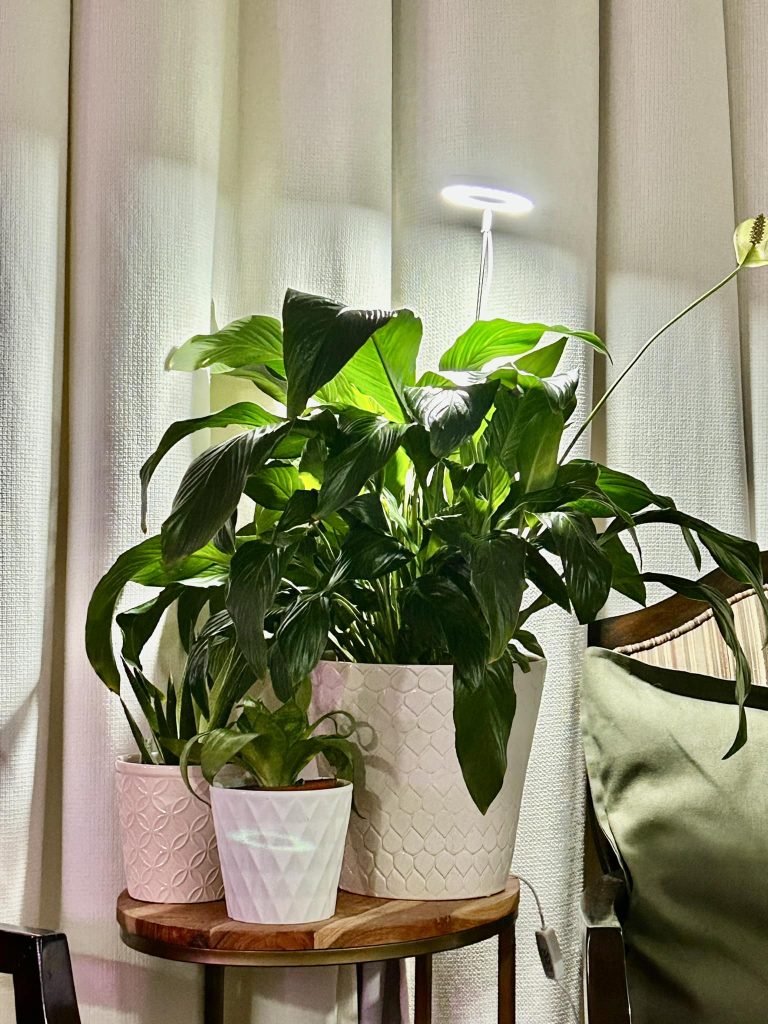
- Fix: Move your plant to a spot with bright, indirect light or use a grow light.
5. Environmental Stress: Hot or Drafty Spots
Placing your peace lily near a heating vent or in a hot, sunny window can dry it out faster than you can water it. I learned this when I left Lily near a radiator one winter.
- Why it happens: Extreme temperatures or drafts increase evaporation, drying out the soil and plant.
- Signs: Crispy, brown leaf tips or uneven wilting.
- Fix: Keep your plant in a stable environment, ideally 65-80°F, away from vents or direct sun.
How to Spot an Underwatered Peace Lily: Early Warning Signs
Catching underwatering early can save your peace lily from serious damage. Here’s what to look for:
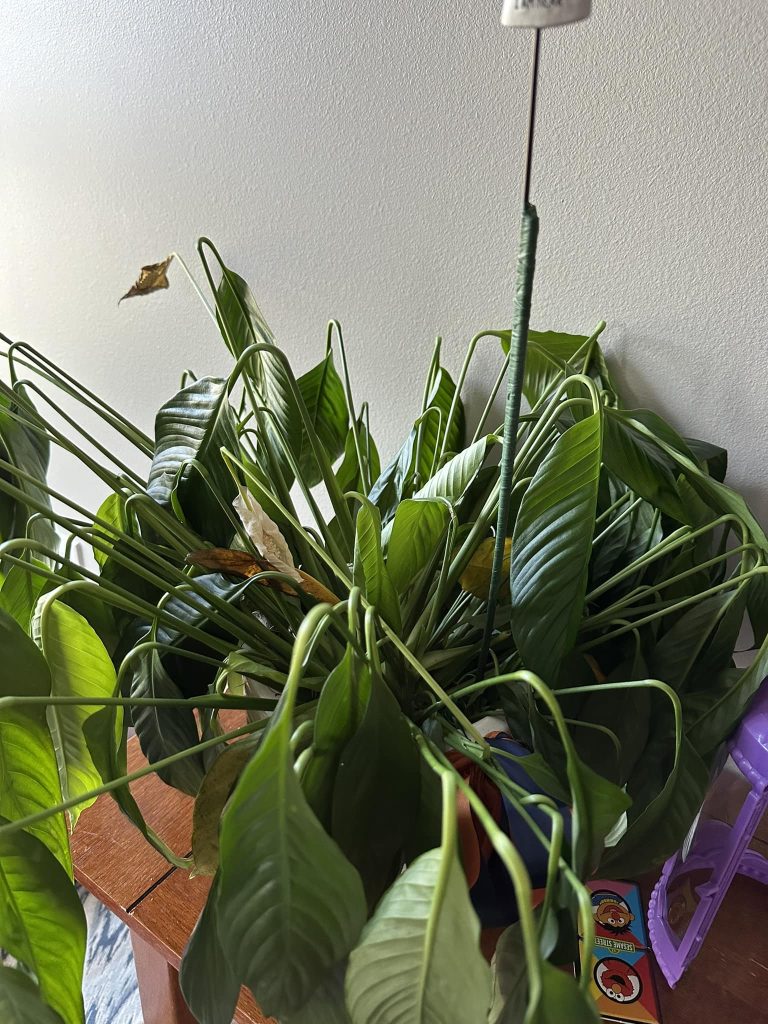
- Leaves: Drooping, curling, or yellowing leaves, especially at the tips or edges. Severe cases show crispy, brown spots.
- Soil: Dry, hard soil that pulls away from the pot’s edges. It might feel like concrete.
- Stems: Soft or limp stems that bend easily.
- Blooms: Fewer or no white flower-like spathes, as the plant conserves energy.
- Growth: Slow or stunted growth, even in the growing season (spring/summer).
Sometimes an overwatered peace lily can behave like a thirsty one. To confirm, stick your finger an inch into the soil. If it’s bone-dry, your peace lily is likely underwatered. I checked Lily’s soil during her droopy phase and realized I hadn’t watered her in over two weeks.
Diagnosing Underwatering: A Step-by-Step Guide
Here’s how I diagnose an underwatered peace lily:
- Check the leaves: Are they drooping, curling, or browning? This is the first clue.
- Feel the soil: Is it dry to the touch, even an inch down? Use a moisture meter for accuracy.
- Inspect the pot: Is the soil pulling away from the edges, or is the pot too small?
- Assess light: Is your plant in a dim corner or getting enough indirect light?
- Evaluate humidity: Is the air too dry? Check with a hygrometer if possible.
- Look for environmental stress: Is the plant near a heat source or drafty window?
Once you’ve confirmed underwatering, it’s time to act. Let’s dive into how to revive your peace lily.
How to Fix an Underwatered Peace Lily
Reviving an underwatered peace lily is straightforward if you catch it early. Here’s the step-by-step process I used to save Lily:
Step 1: Water Thoroughly
Give your peace lily a good drink. Place the pot in a sink or tray and pour water slowly until it runs out the drainage holes. Let it sit for 10-15 minutes, then empty the saucer to avoid soggy roots. I gave Lily a thorough soak, and her leaves perked up within hours.
Step 2: Trim Damaged Leaves
If leaves are crispy or brown, trim them with clean scissors to reduce stress on the plant. Focus on severely damaged leaves, leaving healthy ones intact. I removed a few of Lily’s worst leaves to help her focus on recovery.
Step 3: Boost Humidity
Increase humidity to help your plant recover. Place a humidifier nearby or set the pot on a tray of pebbles with water (keep the pot above the waterline). In my dry Chicago apartment, a small humidifier made a huge difference for Lily.
Step 4: Adjust Light
Move your peace lily to a spot with bright, indirect light. An east- or north-facing window is ideal. Avoid direct sun, which can burn leaves. I moved Lily to my living room window, and she started producing new leaves within weeks.
Step 5: Repot if Needed
If the soil or pot is causing issues, repot your peace lily. Choose a pot with drainage holes, 1-2 inches larger than the current one. Use a mix of potting soil with perlite or vermiculite for moisture retention and drainage. I repotted Lily into a better mix, and it helped her stay hydrated without drowning.
Step 6: Establish a Watering Routine
Water when the top inch of soil is dry, typically every 7-10 days in spring/summer and every 10-14 days in fall/winter. I set a calendar reminder to check Lily weekly, adjusting based on her soil’s feel.
Step 7: Monitor Recovery
Watch for new growth or perky leaves over the next few weeks. If blooms return, you’re on the right track. Lily started blooming again about a month after her revival, and I was thrilled.
Preventing Underwatering: Long-Term Care Tips
Preventing underwatering is easier than fixing it. Here’s how to keep your peace lily happy in your home:
- Water consistently: Check the soil weekly. Water when the top inch is dry. A moisture meter helps take the guesswork out.
- Use the right pot and soil: Choose a pot with drainage holes and a soil mix that retains some moisture but drains well.
- Maintain humidity: Aim for 40-60% humidity. Use a humidifier, pebble tray, or group plants together to create a humid microclimate.
- Provide proper light: Place your peace lily in bright, indirect light. Supplement with a grow light in low-light seasons or regions.
- Avoid extreme conditions: Keep your plant away from heating vents, air conditioners, or drafty windows. Aim for 65-80°F.
- Fertilize sparingly: Feed monthly during spring and summer with a diluted, balanced fertilizer (like 10-10-10). Avoid over-fertilizing, which can stress the plant.
- Check regularly: Inspect your peace lily weekly for signs of thirst or stress.
Peace Lily Care in Different American Regions
American homes vary in climate, affecting peace lily care:
- Northeast (e.g., New York, Boston): Dry winter air from heating can dehydrate plants. Use a humidifier and reduce watering slightly in winter.
- South (e.g., Texas, Florida): High humidity is great, but air conditioning can dry out indoor air. Check soil frequently and mist lightly if needed.
- Midwest (e.g., Chicago, Minneapolis): Low winter light can slow growth. Use a grow light and monitor soil moisture carefully.
- West (e.g., California, Arizona): Dry air is a challenge. Pair a humidifier with consistent watering to keep your peace lily happy.
Frequently Asked Questions (FAQs)
Q: How do I know if my peace lily is underwatered?
A: Look for drooping, curling, or yellowing leaves, dry soil, and crispy leaf edges.
Q: Can an underwatered peace lily recover?
A: Yes, with prompt watering, humidity adjustments, and proper care, most peace lilies bounce back.
Q: How often should I water my peace lily?
A: Water when the top inch of soil is dry, typically every 7-10 days in spring/summer and 10-14 days in fall/winter.
Q: Why are my peace lily’s leaves turning brown at the tips?
A: Brown tips are often due to underwatering or low humidity. Water thoroughly and increase humidity.
Q: Are peace lilies safe for pets?
A: No, they’re toxic to cats and dogs if ingested. Keep them out of reach of pets.
Q: Can I mist my peace lily to prevent underwatering?
A: Light misting can help with humidity, but don’t rely on it for hydration. Water the soil directly.
Final thoughts
An underwatered peace lily is a sad sight, but it’s not a lost cause. By watering thoroughly, boosting humidity, and adjusting light and care, you can revive your plant and keep it thriving. In American homes, where dry air and busy schedules can complicate plant care, staying consistent is key.
My journey with Lily showed me that peace lilies are tough—they just need a little attention to shine. So, grab your watering can, check that soil, and give your peace lily the love it deserves.
References
- The Spruce. (2023). “How to Grow and Care for Peace Lily.” https://www.thespruce.com/grow-peace-lilies-1902767
- Missouri Botanical Garden. (2023). “Spathiphyllum Plant Care.” http://www.missouribotanicalgarden.org/PlantFinder/PlantFinderDetails.aspx?taxonid=282754

Tim M Dave is a gardening expert with a passion for houseplants, particularly cacti and succulents. With a degree in plant biology from the University of California, Berkeley, he has vast experience in gardening. Over the years, he has cultivated a vast collection of desert plants and learned a great deal about how to grow and care for these unique companions.