15 Types of Pothos: Variety Identification and Pictures
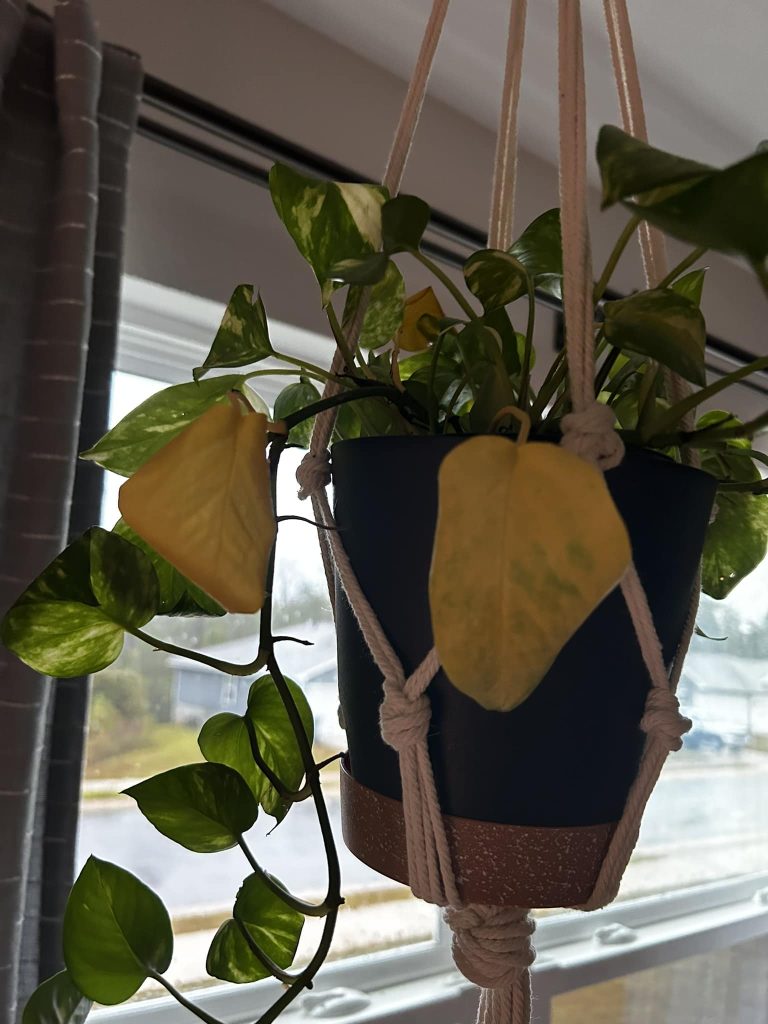
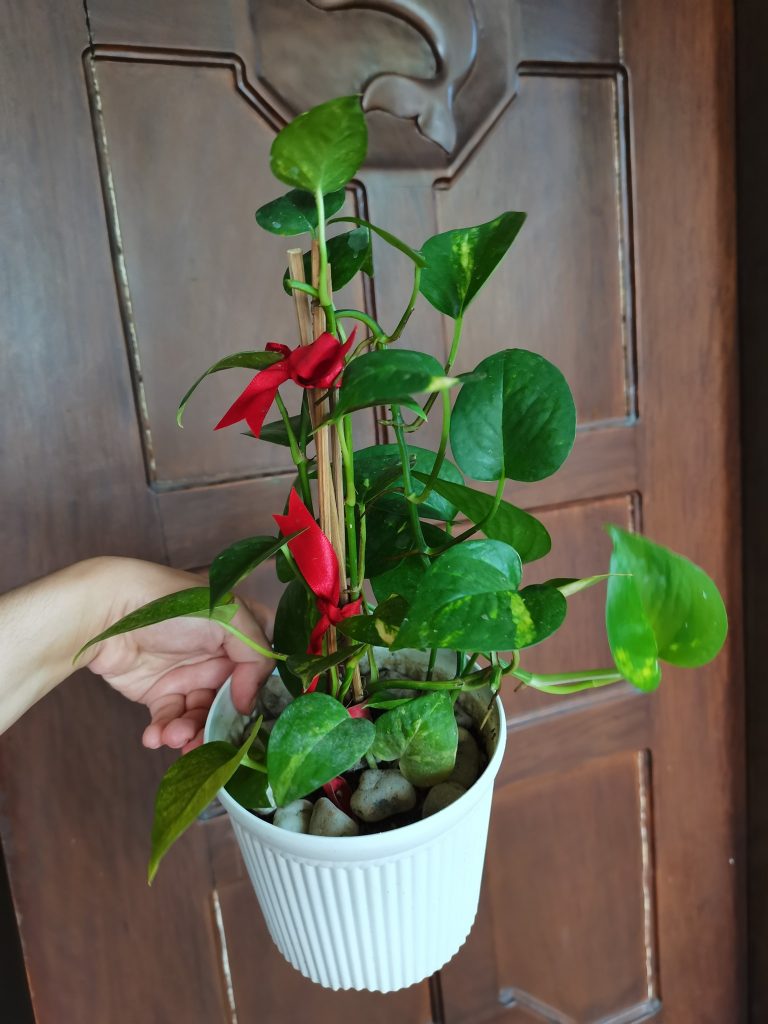
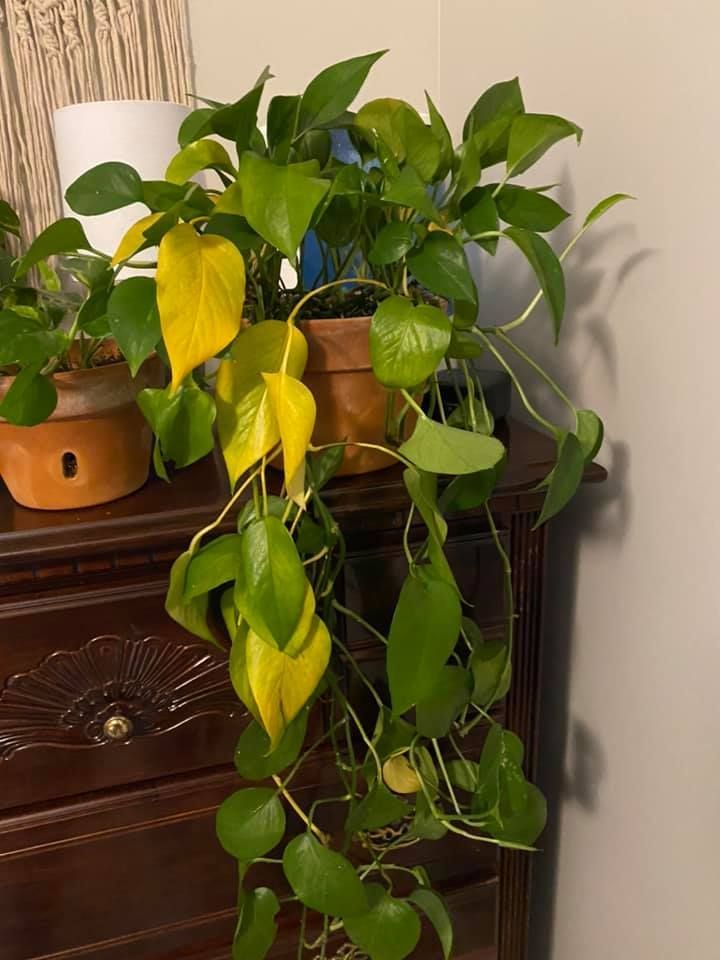
Pothos, often called Devil’s Ivy, is a tropical vine that’s perfect for any home. These plants thrive in low light, tolerate neglect, and purify the air. NASA’s Clean Air Study confirmed Pothos removes toxins like formaldehyde and benzene.
Their heart-shaped leaves and cascading vines add instant charm to any room. I got my first Pothos as a tiny cutting, and it’s now a sprawling 26-foot monster trailing across my bookshelf. This guide features stunning varieties you should add to your collection.
Understanding Pothos – A Quick Overview
Pothos belongs to the Araceae family, native to tropical regions like the Solomon Islands and Southeast Asia. Most varieties are cultivars of Epipremnum aureum, though some, like Cebu Blue, are Epipremnum pinnatum. They’re hardy in USDA Zones 10-12, but most of us grow them indoors.
These beautiful plants can live 5-10 years (or longer with care) and grow 6-10 feet indoors, sometimes up to 40 feet in the wild. Here is a comprehensive guide explaining pothos characteristics, care, and common problems.
Warning: Pothos is toxic to pets and humans if ingested. They can cause mouth irritation or digestive issues due to calcium oxalate crystals.
Popular Cultivators
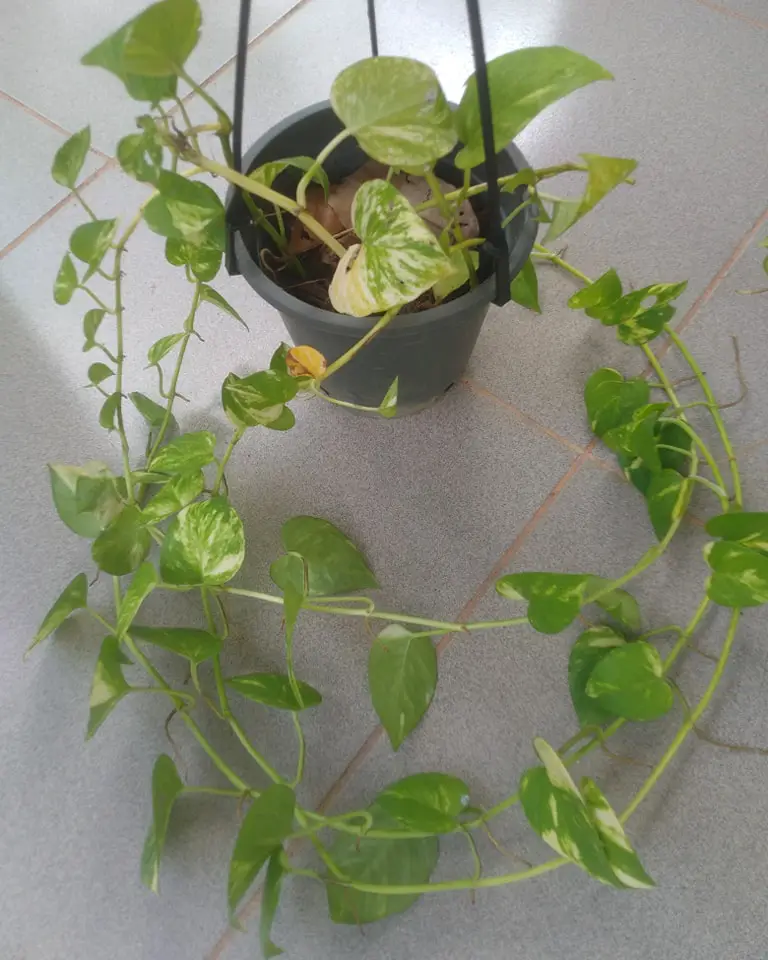
Now, let’s explore 15 Pothos varieties that’ll make your heart skip a beat!
1. Golden Pothos (Epipremnum aureum)
Golden Pothos is the OG of Pothos plants. Its heart-shaped, glossy leaves with golden streaks are iconic. It’s a fast grower, adding 12-18 inches monthly in ideal conditions. Perfect for beginners, it’s forgiving and versatile, looking stunning in hanging baskets or climbing a trellis.
Features
- Scientific Name: Epipremnum aureum
- USDA Zone: 10-12
- Color Variation: Dark green leaves with yellow or golden variegation
- Sun Exposure: Low to bright indirect light; brighter light enhances variegation
- Mature Size: 6-10 feet indoors, up to 40 feet in the wild
- Lifespan: 5-10 years, often longer with care
- Toxicity: Toxic to pets and humans if ingested

Care Tips
- Light: Place near an east- or west-facing window. Low light works, but variegation may fade.
- Water: Water when the top inch of soil is dry. Overwatering causes yellow leaves. I check by sticking my finger in the soil.
- Soil: Standard houseplant mix with perlite for drainage. I use a 2:1:1 mix of potting soil, perlite, and bark.
- Extra Tip: If it gets leggy, prune and propagate cuttings. I’ve gifted dozens of Golden Pothos babies to friends!
2. Marble Queen Pothos (Epipremnum aureum ‘Marble Queen’)
Marble Queen is a showstopper with its marbled white and green leaves. My Marble Queen sits by a north-facing window, and its creamy variegation adds elegance to my living room. It grows slower than Golden Pothos due to less chlorophyll, but the stunning foliage is worth it.
Features
- Scientific Name: Epipremnum aureum ‘Marble Queen’
- USDA Zone: 10-12
- Color Variation: Green leaves with creamy white or yellow variegation
- Sun Exposure: Bright indirect light; low light reduces variegation
- Mature Size: 6-10 feet indoors
- Lifespan: 5-10 years
- Toxicity: Toxic to pets and humans

Care Tips
- Light: Needs bright indirect light to maintain variegation. Mine faded in a dim corner, so I moved it closer to a window.
- Water: Water every 1-2 weeks when the soil is dry. Ensure good drainage.
- Soil: Well-draining mix is key. I add extra perlite for aeration.
- Extra Tip: Wipe leaves with a damp cloth to keep them dust-free and vibrant.
3. Neon Pothos (Epipremnum aureum ‘Neon’)
Neon Pothos is a burst of sunshine with its vibrant, lime-green leaves. My Neon Pothos is the star of my office, glowing under a grow light. Its vivid color makes it a standout, though it’s not variegated. Younger leaves are brighter, while older ones deepen slightly.
Features
- Scientific Name: Epipremnum aureum ‘Neon’
- USDA Zone: 10-12
- Color Variation: Bright lime-green or chartreuse leaves
- Sun Exposure: Medium to bright indirect light; low light dulls color
- Mature Size: 6-10 feet indoors
- Lifespan: 5-10 years
- Toxicity: Toxic to pets and humans

Care Tips
- Light: Bright light keeps the neon hue popping. I use an LED grow light for consistent color.
- Water: Water when the top inch is dry. I water mine every 10 days in summer.
- Soil: Standard potting mix with good drainage. I mix in some orchid bark.
- Extra Tip: Place in a dim room to add a pop of color, but ensure some light to maintain vibrancy.
4. Manjula Pothos (Epipremnum aureum ‘Manjula’)
Manjula Pothos is a rare beauty with curvy, white-and-green leaves. I snagged mine at a local nursery, and its unique patterns never fail to impress. The wavy edges set it apart from other Pothos. It’s a slow grower due to low chlorophyll, but the stunning foliage is worth the wait.
Features
- Scientific Name: Epipremnum aureum ‘Manjula’ (patented, PP27,117)
- USDA Zone: 10-12
- Color Variation: Creamy white, green, and pale green with wavy edges
- Sun Exposure: Medium to bright indirect light
- Mature Size: 6-10 feet indoors, slower growth
- Lifespan: 5-10 years
- Toxicity: Toxic to pets and humans

Care Tips
- Light: Bright indirect light is crucial to keep variegation vibrant. Place it near an east-facing window.
- Water: Water when the top inch is dry. I check weekly to avoid overwatering.
- Soil: Use a well-draining mix. I add perlite and peat moss for balance.
- Extra Tip: Mist occasionally to boost humidity, especially in dry climates.
5. Jade Pothos (Epipremnum aureum ‘Jade’)
Jade Pothos is the low-light champion. Its solid green leaves thrive in dim corners, making it perfect for my basement apartment. The leaves are narrower than other varieties, and it grows fast due to high chlorophyll. It’s a no-fuss plant that adds lush greenery anywhere.
Features
- Scientific Name: Epipremnum aureum ‘Jade’
- USDA Zone: 10-12
- Color Variation: Solid dark green leaves
- Sun Exposure: Low to bright indirect light; excels in low light
- Mature Size: 6-10 feet indoors
- Lifespan: 5-10 years
- Toxicity: Toxic to pets and humans

Care Tips
- Light: Tolerates low light but grows faster in bright indirect light. Mine’s happy under a lamp.
- Water: Water every 1-2 weeks when the soil is dry. I let it droop slightly before watering.
- Soil: Standard potting mix works. I use a mix with extra perlite.
- Extra Tip: Perfect for bathrooms or offices with minimal natural light.
6. Pearls and Jade Pothos (Epipremnum aureum ‘Pearls and Jade’)
Pearls and Jade is a dainty Pothos with smaller, variegated leaves. Its a perfect addition on the desk, where its white and gray streaks add charm. A sport of Marble Queen, it’s slower-growing but perfect for small spaces. Its delicate look makes it a favorite for tabletop displays.
Features
- Scientific Name: Epipremnum aureum ‘Pearls and Jade’ (patented, PP21,217)
- USDA Zone: 10-12
- Color Variation: Small green leaves with white and grayish variegation
- Sun Exposure: Bright indirect light; low light fades variegation
- Mature Size: 6-8 feet indoors, compact growth
- Lifespan: 5-10 years
- Toxicity: Toxic to pets and humans

Care Tips
- Light: Bright indirect light enhances variegation. Move it closer to a window if it starts turning green.
- Water: Keep soil slightly moist. I water when the top inch is dry.
- Soil: Well-draining mix is essential. I use a peat-based mix with perlite.
- Extra Tip: Prune regularly to keep it bushy. I snip mine every few months.
7. Cebu Blue Pothos (Epipremnum pinnatum ‘Cebu Blue’)
Cebu Blue is a unique Pothos with arrow-shaped, shimmery leaves. Mine’s climbing a moss pole, and I’m hoping for those Monstera-like slits as it matures. Native to Cebu Island, its blue-green hue adds a tropical vibe. It’s a bit pickier than E. aureum varieties but worth the effort.
Features
- Scientific Name: Epipremnum pinnatum ‘Cebu Blue’
- USDA Zone: 10-12
- Color Variation: Silvery blue-green, arrow-shaped leaves
- Sun Exposure: Medium to bright indirect light
- Mature Size: 6-10 feet indoors; mature leaves may fenestrate
- Lifespan: 5-10 years
- Toxicity: Toxic to pets and humans
Care Tips
- Light: Medium to bright indirect light for best color. Mine’s near a filtered window.
- Water: Water when the top inch is dry. I check every 10 days.
- Soil: Use a well-draining mix. I add bark for extra aeration.
- Extra Tip: Train it to climb for larger, fenestrated leaves.
8. N’Joy Pothos (Epipremnum aureum ‘N’Joy’)
N’Joy Pothos is a compact stunner with bold white and green leaves. I have mine in a propagation tube on my wall, and it’s a conversation starter. Its high-contrast foliage is perfect for small spaces. It’s hardy but needs light to keep its patterns vibrant.
Features
- Scientific Name: Epipremnum aureum ‘N’Joy’
- USDA Zone: 10-12
- Color Variation: Green with large white patches
- Sun Exposure: Bright indirect light; low light reduces variegation
- Mature Size: 6-8 feet indoors, compact
- Lifespan: 5-10 years
- Toxicity: Toxic to pets and humans
Care Tips
- Light: Bright indirect light is key. Mine faded in low light, so I added a grow light.
- Water: Water when the top inch is dry. I water every 1-2 weeks.
- Soil: Well-draining mix with perlite. I use a standard houseplant blend.
- Extra Tip: Great for glass propagation displays. I love showing off its roots
9. Jessenia Pothos (Epipremnum aureum ‘Jessenia’)
Jessenia Pothos is a Marble Queen cousin with chartreuse and green marbling. I found mine at a garden center, and its subtle variegation adds a soft glow to my room. It’s a fast grower with a lush, trailing habit, perfect for hanging baskets.
Features
- Scientific Name: Epipremnum aureum ‘Jessenia’
- USDA Zone: 10-12
- Color Variation: Green with chartreuse variegation
- Sun Exposure: Bright indirect light
- Mature Size: 6-10 feet indoors
- Lifespan: 5-10 years
- Toxicity: Toxic to pets and humans
Care Tips
- Light: Bright indirect light enhances variegation. Place it near an east window.
- Water: Water when the top inch is dry. I check weekly.
- Soil: Well-draining mix with perlite and bark. I mix my own for the best results.
- Extra Tip: Pair with Golden Pothos for a vibrant contrast.
10. Baltic Blue Pothos (Epipremnum pinnatum ‘Baltic Blue’)
Baltic Blue Pothos has dark, arrow-shaped leaves with a blue tint. I’m growing mine on a trellis, hoping for those Monstera-like slits. It’s easier to care for than Cebu Blue and adds a moody vibe to my collection.
Features
- Scientific Name: Epipremnum pinnatum ‘Baltic Blue’
- USDA Zone: 10-12
- Color Variation: Dark green leaves with blue undertones; may fenestrate when mature
- Sun Exposure: Medium to bright indirect light
- Mature Size: 6-10 feet indoors
- Lifespan: 5-10 years
- Toxicity: Toxic to pets and humans
Care Tips
- Light: Medium to bright indirect light for best color..
- Water: Water when the top inch is dry. I water every 10-12 days.
- Soil: Well-draining mix with bark or perlite. I use a tropical blend.
- Extra Tip: Use a wooden plank for climbing to encourage larger leaves.
11. Albo Pothos (Epipremnum pinnatum ‘Albo-Variegata’)
Albo Pothos is a rare gem with long, white-variegated leaves. I splurged on mine, and its Monstera-like cuts make it a collector’s dream. It’s slow-growing but stunning when trained to climb. A moss pole is a must for mature foliage.
Features
- Scientific Name: Epipremnum pinnatum ‘Albo-Variegata’
- USDA Zone: 10-12
- Color Variation: Green with white variegation; may fenestrate when mature
- Sun Exposure: Bright indirect light
- Mature Size: 6-10 feet indoors, slow growth
- Lifespan: 5-10 years
- Toxicity: Toxic to pets and humans
Care Tips
- Light: Bright indirect light is essential. You can use a grow light to boost variegation.
- Water: Water when the top inch is dry. Be careful not to overwater.
- Soil: Well-draining mix with perlite. I add extra for aeration.
- Extra Tip: High humidity helps. I mist mine weekly.
12. Silver Satin Pothos (Scindapsus pictus ‘Argyraeus’)
Silver Satin isn’t a true Pothos but a close cousin. Its shimmery, silver-splashed leaves are a standout in my collection. The matte texture and heart-shaped leaves add a unique vibe. It’s a bit leggy, so I prune mine regularly.
Features
- Scientific Name: Scindapsus pictus ‘Argyraeus’
- USDA Zone: 10-12
- Color Variation: Green with shimmery silver spots
- Sun Exposure: Bright indirect light
- Mature Size: 6-8 feet indoors
- Lifespan: 5-10 years
- Toxicity: Toxic to pets and humans
Care Tips
- Light: Bright indirect light prevents legginess. Move it near a west window.
- Water: Water when the top 2 inches are dry. I check every 10 days.
- Soil: Well-draining mix with perlite. I use a chunky aroid mix.
- Extra Tip: Wipe leaves to maintain their shimmer.
13. Lemon Meringue Pothos (Epipremnum aureum ‘Lemon Meringue’)
Lemon Meringue is a vibrant mutation of Global Green. My plant’s golden edges fade to green in low light, so I keep it bright. Its heart-shaped leaves add a tropical flair. It’s a fast grower with a cheerful look.
Features
- Scientific Name: Epipremnum aureum ‘Lemon Meringue’ (patented, PP34,521P2)
- USDA Zone: 10-12
- Color Variation: Golden-yellow edges with green centers
- Sun Exposure: Bright indirect light
- Mature Size: 6-10 feet indoors
- Lifespan: 5-10 years
- Toxicity: Toxic to pets and humans
Care Tips
- Light: Bright light brings out yellow hues. I use a grow light in winter.
- Water: Water when the top inch is dry. I water every 1-2 weeks.
- Soil: Well-draining mix with perlite and bark. I mix my own.
- Extra Tip: Prune to keep it full. I propagate cuttings for gifts.
14. Sunburst Pothos (Epipremnum pinnatum ‘Sunburst’)
Sunburst Pothos has skinnier leaves with golden variegation. I’m training mine to climb, hoping for fenestrations. It’s a fast grower and a focal point in my collection. The variegation is stable and eye-catching.
Features
- Scientific Name: Epipremnum pinnatum ‘Sunburst’
- USDA Zone: 10-12
- Color Variation: Green with golden-yellow variegation; may fenestrate
- Sun Exposure: Bright indirect light
- Mature Size: 6-10 feet indoors
- Lifespan: 5-10 years
- Toxicity: Toxic to pets and humans
Care Tips
- Light: Bright indirect light for best variegation. Mine’s near a south window with a sheer curtain.
- Water: Water when the top inch is dry. I check every 10 days.
- Soil: Well-draining aroid mix. I add bark for texture.
- Extra Tip: Let it climb for larger, split leaves.
15. Global Green Pothos (Epipremnum aureum ‘Global Green’)
Global Green is a newer variety with chartreuse variegation. I love its bright, fresh look on my kitchen shelf. It’s a vigorous grower and easy to care for, making it a great addition to any collection.
Features
- Scientific Name: Epipremnum aureum ‘Global Green’
- USDA Zone: 10-12
- Color Variation: Medium green with lime-green variegation
- Sun Exposure: Bright indirect light
- Mature Size: 6-10 feet indoors
- Lifespan: 5-10 years
- Toxicity: Toxic to pets and humans
Care Tips
- Light: Bright indirect light keeps variegation vibrant.
- Water: Water when the top inch is dry. I water every 1-2 weeks.
- Soil: Well-draining mix with perlite. I use a tropical blend.
- Extra Tip: Pair with Neon Pothos for a colorful display.
General Pothos Care Tips
Before diving into the varieties, here’s a quick guide to caring for Pothos. These tips apply to most varieties.
- Light: Bright, indirect light is ideal. Low light is okay but may slow growth or fade variegation. Avoid direct sun to prevent leaf scorch.
- Water: Water when the top inch of soil is dry, typically every 1-2 weeks. Ensure good drainage to avoid root rot.
- Soil: Use a well-draining potting mix, like peat moss, perlite, and bark.
- Temperature: Keep between 60-85°F (15-29°C). Avoid drafts or extreme cold.
- Humidity: Average household humidity works, but they love extra moisture. Mist occasionally or use a pebble tray.
- Fertilizer: Feed monthly in spring/summer with a balanced liquid fertilizer (e.g., 10-10-10) diluted to half strength. Skip in fall/winter.
- Pruning: Trim leggy vines to encourage bushiness. Use clean scissors to cut below a node.
- Propagation: Cut a 4-6 inch stem, remove lower leaves, and root in water or soil. Roots form in 2-4 weeks.
- Repotting: Repot every 1-2 years in a slightly larger pot with drainage. Spring is best.
Suggested For You:
9 Reasons Your Pothos Leaves are Turning Yellow + How to Fix
Understanding Overwatered Pothos: Signs + How to Save The Plant
Are Pothos Toxic to Cats? What Every Pet Owner Must Know
10 Proven Ways to Make Pothos Fuller: Tips for Thick, Lush Growth
Pothos vs Philodendron: Key Differences Every Plant Owner Should Know
Final Thoughts
Pothos plants are my go-to for effortless greenery. From the vibrant Golden Pothos to the rare Albo-Variegata, there’s a variety for every style. Their easy care, air-purifying powers, and stunning vines make them a must-have. With this guide, you’re ready to grow your own lush Pothos collection.

Tim M Dave is a gardening expert with a passion for houseplants, particularly cacti and succulents. With a degree in plant biology from the University of California, Berkeley, he has vast experience in gardening. Over the years, he has cultivated a vast collection of desert plants and learned a great deal about how to grow and care for these unique companions.