10 Beautiful Trees with Yellow Leaves in Fall
During the fall, many trees change the color of their leaves, and yellow is one of the most common and noticeable colors. This change occurs due to natural processes within the leaf, primarily influenced by sunlight, temperature, and food production.
During spring and summer, leaves are green because they contain a pigment called chlorophyll. Chlorophyll helps trees make food using sunlight, water, and carbon dioxide. As long as days are long and warm, trees continue to produce chlorophyll, and the green color remains strong.
In the fall, days become shorter, and temperatures drop. Trees receive a signal that winter is coming. To save energy and protect themselves from cold weather, trees stop producing chlorophyll. As the green pigment slowly breaks down, other pigments already inside the leaf become visible.
Here is a list of 10 beautiful trees with striking yellow leaves in the fall.
1. Ginkgo (Ginkgo biloba)
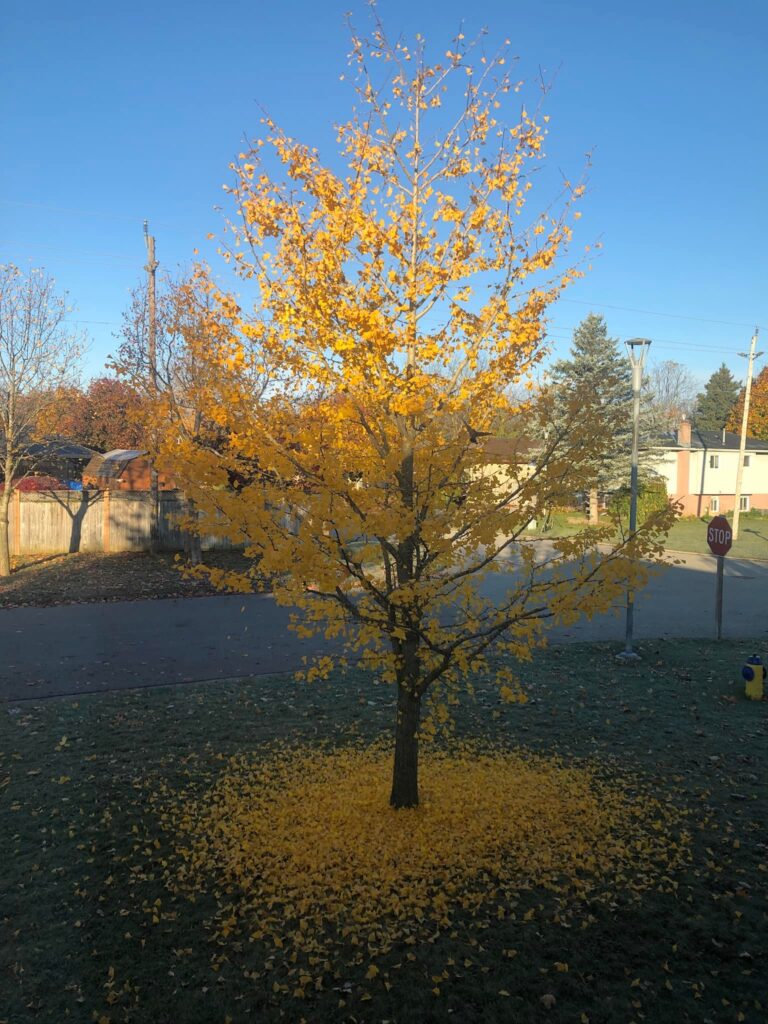
The Ginkgo is one of the most iconic trees celebrated for its vibrant yellow fall foliage. Native to China and cultivated worldwide, this tree occupies an important place in both urban and park landscapes due to its resistance to pollution and pests. In late autumn, its fan-shaped leaves transform to radiant gold, often brightening city streets and historic gardens.
Scientifically known as Ginkgo biloba, this species thrives in USDA Zones 3–8, making it suitable for a wide range of climates from cold northern regions to temperate zones. Ginkgo prefers full sun, requiring at least six hours of direct sunlight daily to develop its most vibrant autumn colors. It tolerates partial shade, but shade may delay or dilute the yellow intensity of its leaves.
A mature Ginkgo typically reaches 50–80 feet (15–24 meters) in height, although some specimens can grow taller in ideal conditions. Its branching structure is elegant and symmetrical, often with an upright habit that enhances street and avenue plantings.
Ginkgos are long-lived trees; some individuals have been documented to survive several centuries, with lifespans frequently exceeding 200–300 years in protected settings.
In terms of color variation, Ginkgo leaves are predominantly golden yellow in autumn, but the intensity can vary based on weather conditions, soil fertility, and water availability. Cool nights and sunny days often produce deeper, more vivid yellow hues.
Regarding toxicity, the seeds of the female Ginkgo produce a fleshy coat with an unpleasant smell and can cause skin irritation; ingestion of raw seeds is not recommended, especially in large quantities. The foliage and other vegetative parts are generally considered non-toxic to humans and pets.
Ginkgo’s adaptability and striking autumn display make it a favored choice for large landscapes, avenues, and specimen plantings where dramatic seasonal color is desired.
2. Yellow Buckeye (Aesculus flava)
The Yellow Buckeye, Aesculus flava, is a stately deciduous tree native to the eastern United States. Its most celebrated characteristic is the rich yellow coloration of its fall leaves, which ranges from soft buttery tones to vibrant gold, depending on climate and soil conditions.
This species is well-suited to USDA Zones 4–7, allowing it to thrive in regions that experience cool to moderate winters and warm summers. It prefers full sun to partial shade; whilst full sun encourages more intense fall coloration, some afternoon shade in hotter climates can prevent leaf scorch and stress.
Mature Yellow Buckeye trees typically grow to 50–75 feet (15–23 meters) in height, with a broad, rounded crown that provides attractive shade in parks and large gardens. Their robust form and foliage density contribute to a pleasing landscape presence throughout the growing season.
Yellow Buckeyes have an average lifespan of 80–100 years, though well-maintained trees can persist longer. They flourish in moist, well-drained soils and are often found in rich bottomlands, stream banks, and upland forests where soil conditions remain consistently fertile.
Autumn leaf coloration is the highlight of this species. The leaves usually transition to a bright, lemon-yellow before dropping in late fall. This burst of color can create a striking contrast with surrounding plants that turn red or orange, making the Yellow Buckeye desirable for mixed landscape plantings.
Regarding toxicity, all parts of the Yellow Buckeye, particularly the seeds, are considered poisonous if ingested by humans and livestock. Consumption can lead to digestive discomfort or more severe symptoms, and care should be taken to prevent access by children and pets.
Given its fall display and adaptable nature, the Yellow Buckeye is a fitting choice for larger estates, arboretums, and naturalistic plantings where its majestic autumn color can be appreciated.
3. American Sweetgum (Liquidambar styraciflua)
The American Sweetgum, Liquidambar styraciflua, is renowned for its spectacular autumn color range, including shades of yellow, orange, red, and purple. Although many individuals associate this tree with brilliant reds, its striking yellow leaves in certain climates are a defining seasonal spectacle.
Adapted to USDA Zones 5–9, Sweetgum is widely planted across the eastern United States and beyond. It thrives in full sun, where unfiltered daylight encourages the most vibrant and uniform fall foliage. In partial shade, the tree still performs well but may show a more subdued palette.
Sweetgum trees reach 60–75 feet (18–23 meters) at maturity, with a narrow pyramidal shape that broadens with age into a more rounded silhouette. Their star-shaped leaves provide visual interest year-round, but it is in autumn that they truly shine. In some climates, leaves turn a brilliant golden yellow before finishing the color transition to richer hues.
Sweetgums prefer acidic to neutral soils that are moist but well-drained. They perform best in deep, fertile soils but exhibit considerable tolerance to varied soil types once established. With proper conditions, these trees can live up to 100 years or more, often becoming stately centerpieces in parks and large gardens.
One characteristic that is both loved and debated is Sweetgum’s production of spiky seed balls, which can litter lawns and walkways. While not toxic, these seed balls can be a nuisance and should be considered when siting the tree near high-traffic areas.
American Sweetgum’s broad climate adaptability, combined with its potential for a vivid yellow autumn display, makes it a versatile choice for landscapes seeking both seasonal drama and architectural form.
4. Paper Birch (Betula papyrifera)
The Paper Birch (Betula papyrifera) stands out in the autumn landscape with its luminous lemon-yellow foliage that appears especially vibrant against its striking white bark. Native to North America’s northern forests, this tree brings seasonal brilliance to cooler climates where fall transitions are dramatic and sharp.
Paper Birch is adapted to USDA Zones 2–6, making it ideal for regions with long, cold winters and cool summers. It thrives in full sun but can tolerate light shade, although sunlight encourages the richest foliage tones. The brilliant yellow leaves of autumn are one of its most celebrated traits, often persisting until early leaf drop.
Mature Paper Birches grow to 40–70 feet (12–21 meters) tall, presenting a graceful, somewhat pyramidal form. Their bark peels in characteristic papery layers, adding winter interest long after the leaves have fallen. Under favorable conditions, these trees can live 60–100 years, though stress from heat or drought can reduce longevity.
The bright yellow autumn foliage of Paper Birch contrasts beautifully with the deep greens of summer and the stark white of winter landscapes. In open plantings, the color spectacle is especially eye-catching, as entire groves can appear to shimmer with gold when lit by low autumn sun.
Paper Birch prefers moist, well-drained soils and benefits from protection against high heat and prolonged drought. Mulching and sufficient watering help sustain leaf health and vibrant color expression. Due to its northern heritage, this species may struggle in warmer, southern climates where heat stress diminishes foliage quality and overall vigor.
Paper Birch is generally considered non-toxic to humans and pets, though ingesting any plant material in large amounts is not advisable.
For cooler regions seeking bold autumn color paired with striking bark and elegant form, the Paper Birch remains an exceptional landscape choice.
5. European Larch (Larix decidua)
The European Larch (Larix decidua) is a unique conifer that defies convention: it is deciduous, shedding its needles each autumn after they turn a brilliant golden yellow. Native to the mountains of central Europe, this species combines the structural formality of conifers with seasonal color dynamics more typical of broadleaf trees.
European Larch thrives in USDA Zones 3–7 and prefers full sun, conditions under which it exhibits its most intense autumn colors and healthiest growth. While it can tolerate light shade, reduced sunlight often results in slower growth and less vibrant fall coloration.
Mature specimens typically reach 50–80 feet (15–24 meters) with a conical form that becomes broader and softer with age. The fine, soft needles provide a delicate texture in summer that transforms into radiant gold in fall before dropping to leave an architectural branch structure for winter interest.
European Larch demonstrates good adaptability to well-drained soils, particularly those on the sandy or rocky side. Though tolerant of cooler mountain climates, it appreciates adequate moisture during the growing season. Its average lifespan ranges from 100 to 200 years, depending on environmental stresses and site conditions.
The yellow autumn needles of European Larch can light up landscapes where evergreen conifers predominate, offering a rare seasonal shift that enriches woodland and open planting designs. After needle drop, the tree’s sculptural form remains a strong visual element throughout the winter months.
This species is non-toxic, though care should be taken with fallen needles and cones around paths due to potential slipping hazards.
European Larch is ideal for larger landscapes, mixed borders, and woodland edges where seasonal interest and structural beauty are valued.
6. Sugar Maple (Acer saccharum)
The Sugar Maple is globally admired for its brilliant autumn display, with golden yellow foliage often forming the foundation of mixed fall color landscapes. While this species is also known for orange and red hues, yellow remains a dominant and consistent tone, especially in cooler climates.
Scientifically classified as Acer saccharum, Sugar Maple grows best in USDA Zones 3–8. It performs optimally in full sun to light shade, though full sun exposure significantly enhances fall coloration and overall crown symmetry. Partial shade is acceptable, particularly in warmer regions, where it can reduce stress during summer.
At maturity, Sugar Maple typically reaches 60–75 feet (18–23 meters) in height, with a broad, rounded canopy that provides generous shade. It is a slow to moderate grower but rewards patience with exceptional longevity, often living 200–300 years under favorable conditions.
During autumn, its leaves transition from green to soft yellow, amber, and warm gold, sometimes layered with hints of orange. These colors are most vivid when days are sunny and nights are cool. Sugar Maple prefers deep, well-drained, slightly acidic soils and is sensitive to soil compaction and pollution, making site selection important.
From a safety perspective, Sugar Maple is non-toxic to humans and pets. However, wilted or dried leaves can be harmful to horses if ingested in large quantities, a factor worth considering in rural or agricultural settings.
Beyond ornamental value, Sugar Maple holds economic and cultural importance as the primary source of maple syrup. Its combination of ecological value, stunning yellow fall color, and long lifespan makes it one of the most respected landscape trees in temperate regions.
7. Maidenhair Tree (Ginkgo biloba)
The Maidenhair Tree, commonly known as Ginkgo, produces one of the most dramatic yellow fall displays of any tree species. Its transformation is often sudden, with entire canopies turning a vivid, uniform gold within a short period.
Ginkgo biloba thrives in USDA Zones 3–8 and adapts exceptionally well to urban environments. It prefers full sun but tolerates partial shade, though reduced light may slightly delay autumn color development. Its resilience to pollution, compacted soil, and pests has made it a favored city tree worldwide.
Mature Ginkgo trees grow 50–80 feet (15–24 meters) tall with a strong, upright structure. The unique fan-shaped leaves contribute to its distinct appearance throughout the growing season. Ginkgo is famously long-lived, with documented specimens exceeding 1,000 years, making it one of the oldest living tree species.
In autumn, its foliage turns a clear, brilliant yellow, often without the mottling seen in other species. This uniform coloration creates striking visual impact along streets, parks, and formal avenues. Leaf drop typically occurs quickly, resulting in golden carpets beneath the tree.
While Ginkgo leaves are non-toxic, the seeds of female trees emit a strong odor and may cause mild skin irritation. For this reason, male cultivars are commonly selected for landscape use.
Ginkgo’s unmatched yellow fall color, historical significance, and extreme durability make it an exceptional choice for both contemporary and traditional landscapes.
8. Tulip Tree (Liriodendron tulipifera)
The Tulip Tree, also known as Tulip Poplar, is one of the tallest native hardwoods in North America and a reliable source of golden-yellow autumn foliage. Its elegant form and rapid growth make it a striking presence in large landscapes.
Scientifically named Liriodendron tulipifera, this species thrives in USDA Zones 4–9. It prefers full sun and deep, fertile, well-drained soils. Adequate sunlight is essential for strong growth and vibrant fall color development.
Tulip Trees can reach impressive heights of 70–100 feet (21–30 meters), with a straight trunk and high canopy. Their lifespan often exceeds 200 years, particularly when grown in open spaces with minimal competition.
In fall, the distinctive tulip-shaped leaves turn clear yellow to golden amber, creating a soft, glowing canopy. While the color is not as varied as some maples, its consistency and scale make it visually powerful.
Tulip Trees are non-toxic to humans and pets. However, their size and surface root system mean they are best suited to parks, estates, and large gardens rather than confined residential spaces.
With its stately height, dependable yellow fall color, and historical significance, the Tulip Tree is a classic choice for expansive landscapes.
9. Katsura Tree (Cercidiphyllum japonicum)
The Katsura Tree is prized for its refined appearance and warm yellow autumn foliage, often accompanied by subtle apricot and caramel tones. Native to East Asia, it adds elegance and sensory interest to landscape designs.
Katsura japonicum grows best in USDA Zones 4–8 and prefers full sun to partial shade. In warmer climates, some afternoon shade helps preserve leaf quality and color intensity.
At maturity, Katsura Trees reach 40–60 feet (12–18 meters) with a rounded or pyramidal habit. They are moderately fast-growing and typically live 60–100 years when well cared for.
Autumn coloration ranges from soft yellow to golden orange, often releasing a faint scent reminiscent of burnt sugar as leaves fall. This unique characteristic adds an extra sensory layer to the autumn garden.
Katsura is non-toxic and well-suited to residential landscapes, parks, and water-side plantings. Consistent moisture is important, as drought stress can limit color development.
10. European Beech (Fagus sylvatica)
The European Beech is known for its refined structure and glowing yellow fall foliage, which gradually deepens into bronze tones. Its smooth gray bark and dense canopy contribute to year-round elegance.
Fagus sylvatica thrives in USDA Zones 4–7, preferring full sun to partial shade. It grows best in moist, well-drained soils and benefits from sheltered locations.
Mature trees reach 60–80 feet (18–24 meters) and can live 150–300 years. The fall leaves often persist into winter, adding extended seasonal interest.
European Beech is non-toxic, making it suitable for public spaces and family gardens alike.
Conclusion
Trees with yellow fall foliage bring warmth, brightness, and seasonal clarity to landscapes across diverse climates. From towering hardwoods to refined ornamental species, these ten trees offer dependable autumn color, ecological value, and long-term beauty when matched carefully to site conditions.

Tim M Dave is a gardening expert with a passion for houseplants, particularly cacti and succulents. With a degree in plant biology from the University of California, Berkeley, he has vast experience in gardening. Over the years, he has cultivated a vast collection of desert plants and learned a great deal about how to grow and care for these unique companions.
