The Tree Peony Shrub: History, Care and Common Problems
Tree peonies are a gardener’s dream, combining beauty, longevity, and versatility. Their large, fragrant blooms create a stunning display in spring, while their woody structure adds year-round interest. They’re also low-maintenance once established, making them ideal for busy gardeners.
I’ve found that tree peonies attract pollinators like bees and butterflies, enhancing the ecological value of my garden. Their cultural significance adds another layer of appeal. Planting a tree peony feels like participating in a centuries-old tradition, connecting you to gardeners across time and cultures.
Whether used as a focal point, border plant, or container specimen, tree peonies elevate any landscape. As a passionate gardener, I’ve been mesmerized by their elegance since I first planted one in my backyard a decade ago.
In this guide, I’ll take you through the fascinating history, care, and common challenges of tree peonies. This will equip you with everything you need to grow and enjoy these magnificent plants.
A Brief History of Tree Peonies
Tree peonies have a rich history that spans centuries and continents. Native to China, these plants have been cultivated for over 1,500 years, earning them a revered place in Chinese culture.
Known as the “King of Flowers” in China, tree peonies were once reserved for royalty and symbolized prosperity, honor, and wealth. Historical records indicate that during the Tang Dynasty (618–907 CE), tree peonies were grown in imperial gardens, and their cultivation was considered an art form.
My fascination with tree peonies began when I learned about their journey from ancient China to the rest of the world. By the 8th century, they were introduced to Japan, where they were further hybridized, resulting in the stunning cultivars we see today.
Japanese breeders refined the plant’s form, creating varieties with larger blooms and more vibrant colors. In the 18th century, tree peonies made their way to Europe, captivating gardeners with their exotic beauty.
By the 19th century, they had reached North America, where they became a favorite among horticulturists.
Today, tree peonies are celebrated worldwide for their ornamental value. Modern hybrids, developed through centuries of selective breeding, offer an array of colors, forms, and fragrances that make them a prized addition to gardens.
Their historical significance adds a layer of charm, making each bloom feel like a connection to an ancient legacy.
Classification of Tree Peonies
Tree peonies belong to the genus Paeonia in the family Paeoniaceae. Unlike their herbaceous cousins (Paeonia lactiflora), which die back to the ground each winter, tree peonies are woody shrubs that retain their structure year-round.
They are classified under the section Moutan within the Paeonia genus, distinguishing them from herbaceous and intersectional (Itoh) peonies.
There are several recognized species and hybrids of tree peonies, with Paeonia suffruticosa being the most common. Other species include Paeonia rockii (Rock’s peony) and Paeonia ostii, both valued for their unique characteristics.
Hybrids, such as those developed by crossing P. suffruticosa with P. rockii, have expanded the range of available cultivars, offering diverse bloom forms and cold hardiness.
Understanding the classification of tree peonies helped me choose the right variety for my garden. For example, P. rockii cultivars are known for their cold tolerance, making them ideal for cooler climates, while P. suffruticosa hybrids thrive in milder regions.
Characteristics of Tree Peony
Tree peonies are renowned for their striking beauty and robust nature. Below, I outline their key characteristics to help you understand what makes these plants so special.
Scientific Name
The scientific name for tree peonies is Paeonia suffruticosa, though other species like Paeonia rockii and Paeonia ostii are also popular. The genus name Paeonia is derived from Paeon, the Greek god of healing, reflecting the plant’s historical use in traditional medicine.
Common Names
Tree peonies are commonly known as “tree peonies” to distinguish them from herbaceous peonies. In China, they are called mǔdān (moutan), meaning “king of flowers.” Other nicknames include “woody peonies” and “shrub peonies.”
USDA Hardiness Zones
Tree peonies thrive in USDA Hardiness Zones 4–8, making them suitable for a wide range of climates. Some cultivars, like those derived from P. rockii, can tolerate colder temperatures (down to Zone 3), while others prefer milder conditions.
Color Variations
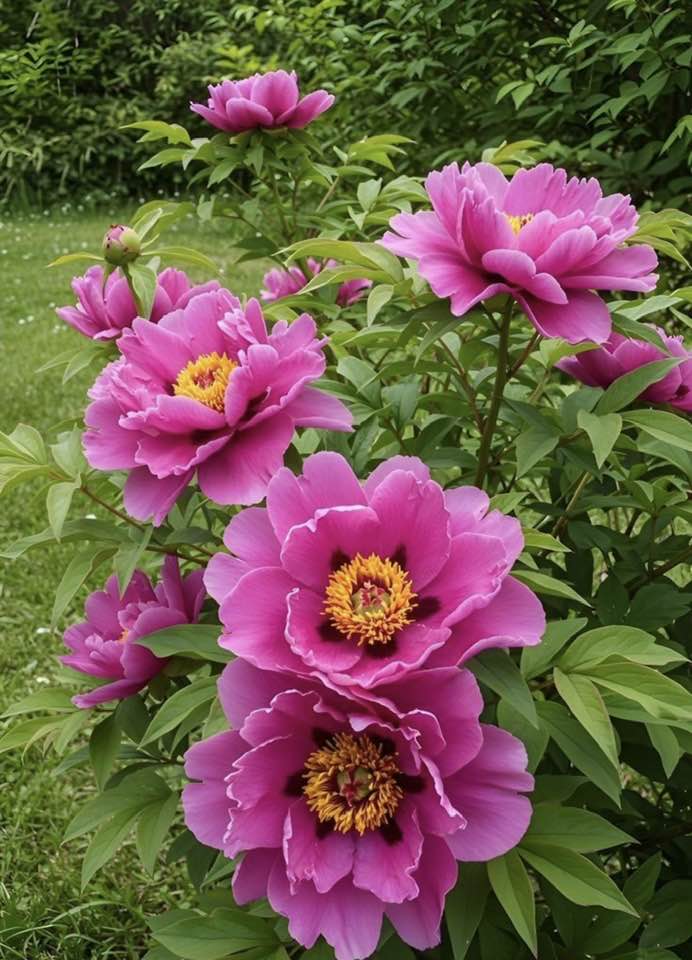
One of the most enchanting features of tree peonies is their diverse color palette. Blooms come in shades of red, pink, white, yellow, purple, and even bi-color combinations. Some cultivars, like ‘Shimadaijin,’ boast deep magenta flowers, while others, like ‘High Noon,’ display vibrant yellow.
The petals may be solid, ruffled, or semi-double, adding to their visual appeal.
Sun Exposure
Tree peonies prefer full sun to partial shade, requiring at least 6 hours of direct sunlight daily for optimal blooming. In hotter climates, afternoon shade can prevent scorching. I noticed that my tree peony bloomed more profusely in a spot with morning sun and dappled afternoon shade.
Mature Size
At maturity, tree peonies typically reach 3–5 feet in height and width, though some cultivars can grow up to 7 feet. Their woody stems create a shrub-like structure, making them ideal for borders or as focal points in a garden.
Growth Rate
Tree peonies have a slow to moderate growth rate. The plant can add about 6–12 inches per year under ideal conditions. Patience is key with these plants, as they may take 3–5 years to reach full maturity and produce abundant blooms.
Lifespan
One of the most remarkable traits of tree peonies is their longevity. With proper care, they can live for 50–100 years or more, making them a legacy plant for generations.
Toxicity
Tree peonies are mildly toxic to humans and pets if ingested. The roots, seeds, and foliage contain compounds that can cause gastrointestinal upset. While the risk is low, I always keep an eye on my dog when he’s near my peony to ensure he doesn’t nibble on it.
How to Care for Tree Peonies
Caring for tree peonies is rewarding but requires attention to detail. Below, I share practical tips based on my experience and research to help you grow healthy, vibrant plants.
1. Soil Requirements
Tree peonies thrive in well-drained, fertile soil with a pH of 6.5–7.5. They prefer loamy soil rich in organic matter, but can tolerate clay or sandy soils if amended. Before planting my tree peonies, I mixed compost and aged manure into the soil to improve drainage and fertility.
Avoid waterlogged areas, as soggy soil can lead to root rot.
2. Planting Guidelines
Plant tree peonies in fall (September–October) to allow their roots to establish before winter. Choose a site with good air circulation and adequate sunlight. Dig a hole 18–24 inches deep and wide, and plant the graft union 4–6 inches below the soil surface.
This depth encourages the plant to develop its own roots. When I planted my first tree peony, I made the mistake of planting it too shallow, which stunted its growth for a season.
3. Watering Needs
Tree peonies need regular watering during their first year to establish roots. Water deeply once a week, ensuring the soil stays moist but not soggy. Once established, they are drought-tolerant but benefit from occasional deep watering during dry spells.
4. Fertilizing Tips
Fertilize tree peony sparingly to avoid excessive foliage at the expense of blooms. In early spring, apply a balanced fertilizer (e.g., 10-10-10) or a low-nitrogen formula (e.g., 5-10-10) around the base of the plant.
I also add a layer of compost annually to provide slow-release nutrients. Over-fertilizing can lead to weak stems, so moderation is key.
5. Pruning and Maintenance
Prune in late winter or early spring to remove dead or damaged wood and shape the shrub. Unlike herbaceous peonies, tree peonies don’t require heavy pruning. I trim mine lightly to maintain an open structure, which improves air circulation and reduces disease risk.
Remember to remove spent blooms after flowering to keep the plant tidy.
6. Winter Protection
In colder climates (Zones 4–5), protect tree peonies from harsh winter winds by wrapping them in burlap. Alternatively, apply a layer of mulch around the base. Avoid covering the crown, as this can trap moisture and cause rot.
7. Propagation
Tree peonies are typically propagated through grafting or division, though both methods are challenging for home gardeners. Grafting is the most common commercial method, while division requires careful handling of mature plants.
Common Problems and Solutions
While tree peonies are relatively low-maintenance, they can face challenges. Below, are common issues and how to address them.
Pests
Tree peonies are generally pest-resistant, but they can attract aphids, spider mites, and scale insects. Aphids cluster on new growth, sucking sap and weakening the plant. You can control them by spraying with insecticidal soap or a strong jet of water.
Spider mites thrive in hot, dry conditions and can be managed with neem oil. Scale insects, which appear as small bumps on stems, can be scraped off or treated with neem oil.
Diseases
Fungal diseases like botrytis blight and powdery mildew are the primary concerns for tree peonies. Botrytis causes gray mold on buds and stems, especially in wet conditions. To prevent it, ensure good air circulation and avoid overhead watering.
If botrytis appears, remove affected parts and apply a fungicide. Powdery mildew, which creates white patches on leaves, can be managed with proper spacing and fungicidal sprays. I once lost a season’s blooms to botrytis due to poor air circulation, so I now prune my peonies to keep them open and airy.
Environmental Issues
Environmental factors like poor drainage, extreme temperatures, or improper planting depth can stress your tree peony. Root rot, caused by waterlogged soil, is a common issue. Ensure proper drainage by amending the soil with sand or gravel if needed.
In hot climates, provide afternoon shade to prevent leaf scorch. If blooms fail to appear, check the planting depth—grafted tree peonies planted too shallow may not flower.
Frequently Asked Questions (FAQs)
Here are answers to common questions about tree peonies.
1. How long does it take for a tree peony to bloom?
Tree peonies typically take 2–5 years to produce their first blooms, depending on the plant’s age, growing conditions, and planting depth. Patience is essential, as they prioritize root establishment in the early years.
2. Can tree peonies grow in containers?
Yes, tree peonies can thrive in large containers with well-drained soil and adequate drainage holes. Ensure the container is at least 18–24 inches deep and wide to accommodate the root system.
3. Do tree peonies need full sun?
Tree peonies prefer full sun (6+ hours daily) but tolerate partial shade, especially in hot climates. Morning sun with afternoon shade is ideal in warmer regions.
4. Are tree peonies deer-resistant?
Yes, tree peonies are generally deer-resistant due to their bitter-tasting foliage. However, hungry deer may nibble on young plants, so consider protective fencing in deer-prone areas.
5. Why is my tree peony not blooming?
Common reasons include shallow planting, insufficient sunlight, over-fertilization, or young age. Ensure the graft union is 4–6 inches below the soil, provide adequate sun, and avoid high-nitrogen fertilizers.
Final thoughts
Tree peonies are a treasure for any gardener, offering unmatched beauty, historical significance, and longevity. From their origins in ancient China to their place in modern gardens, these plants captivate with their vibrant blooms and sturdy structure.
By understanding their classification, characteristics, and care requirements, you can cultivate thriving tree peonies that will grace your garden for decades. While they may face occasional pests or diseases, proper care and vigilance can keep them healthy.
References
- Page, M. (2005). The Gardener’s Guide to Growing Peonies. Timber Press.
- Rogers, A. (1995). Peonies. Timber Press.
- American Peony Society. (2023). Tree Peony Care and Cultivation. https://www.americanpeonysociety.org
- Royal Horticultural Society. (2024). Paeonia suffruticosa: Growing Guide. https://www.rhs.org.uk
- Li, J. J. (2010). Chinese Tree Peony. China Forestry Publishing House.
- University of Missouri Extension. (2022). Growing Peonies. https://extension.missouri.edu

Tim M Dave is a gardening expert with a passion for houseplants, particularly cacti and succulents. With a degree in plant biology from the University of California, Berkeley, he has vast experience in gardening. Over the years, he has cultivated a vast collection of desert plants and learned a great deal about how to grow and care for these unique companions.