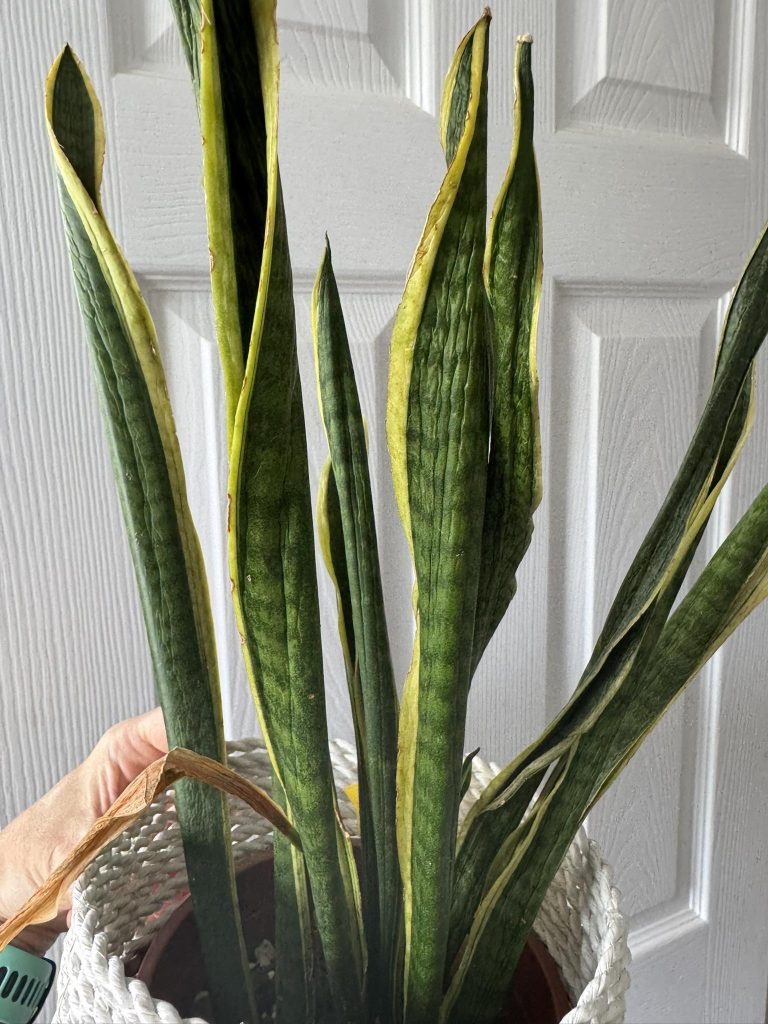
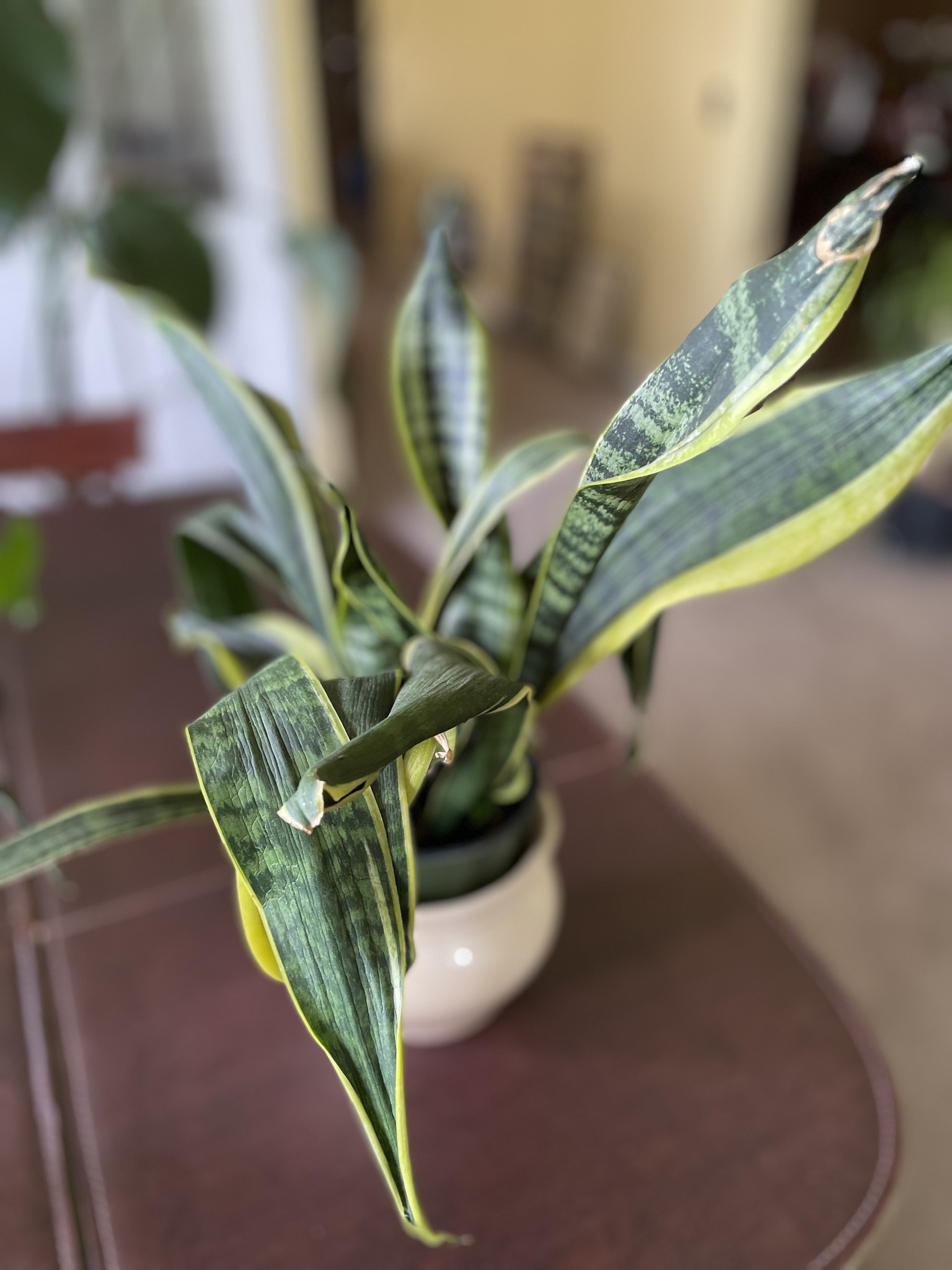
Explained: Why Are My Snake Plant Leaves Turning Yellow?
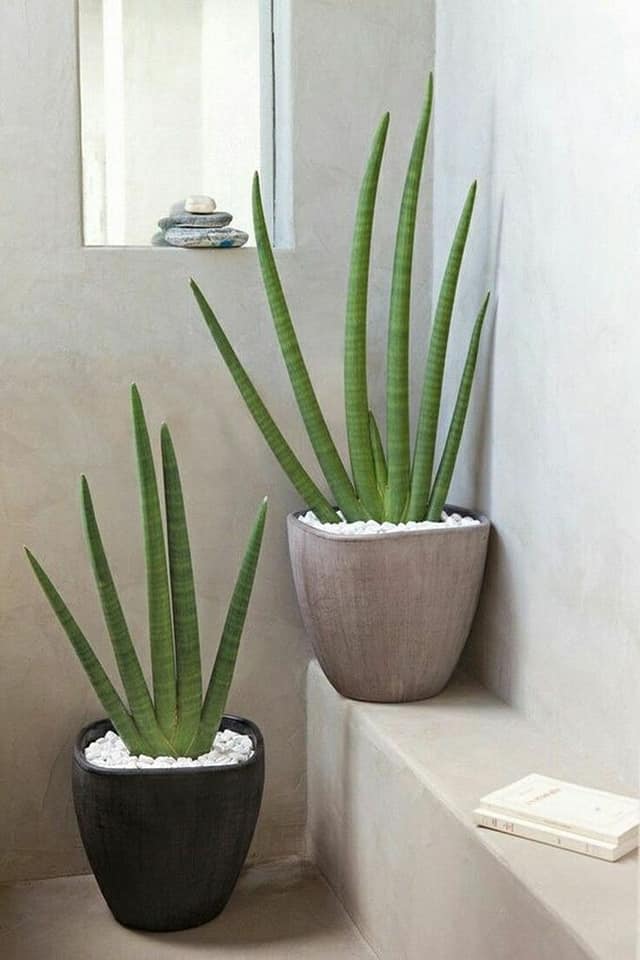
Snake plants, or Sansevieria (sometimes called Mother-in-Law’s Tongue), are beloved for their hardiness and low-maintenance needs. They’re practically the superheroes of houseplants, surviving neglect like champs. But when those leaves turn yellow, it’s a cry for help.
In this article, I’ll break down the causes, share practical fixes, and sprinkle in some pro tips to keep your snake plant happy.
When I first noticed yellow leaves on my snake plant, I felt like I’d failed as a plant parent. But after some research, I realized it was just a learning curve. Yellowing leaves are a common issue. Even the most experienced gardeners will agree with me on that.
If you’re dealing with yellow leaves, don’t give up! Check the soil, adjust the light, and give your plant some love. You’ll be amazed at how resilient these plants are. My snake plant is now the star of my living room, with glossy green leaves that make me smile every day.
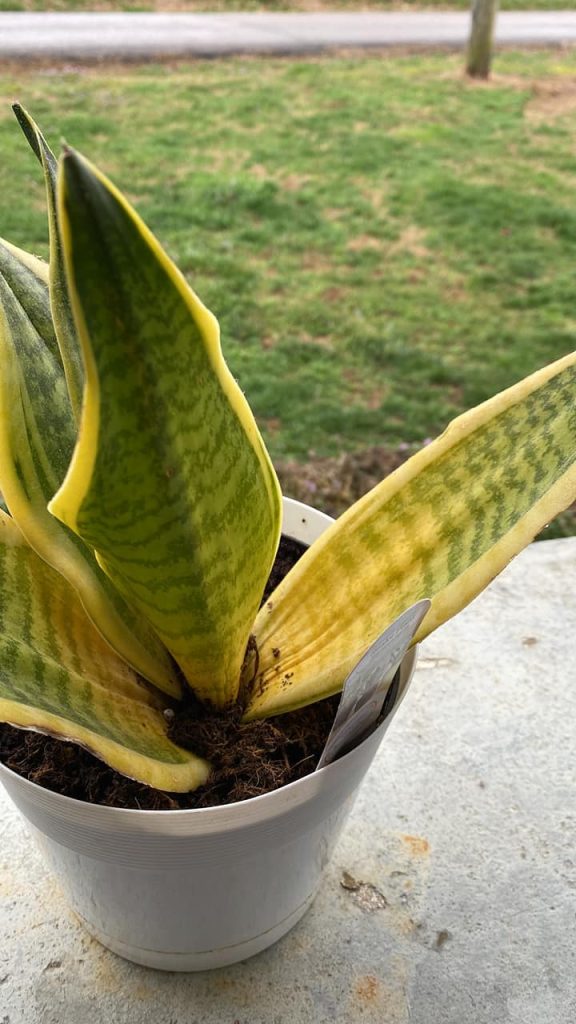
Why Do Snake Plant Leaves Turn Yellow?
Yellowing leaves can feel like a mystery, but they’re usually a sign your plant is stressed. Here are the most common culprits I’ve come across:
1. Overwatering -The silent plant killer
I learned this the hard way—snake plants hate soggy soil. In my excitement to care for my new plant, I watered it way too often. Snake plants are succulents, meaning they store water in their leaves and prefer to dry out between waterings.
Overwatering leads to root rot, which turns leaves yellow as the roots suffocate. An overwatered snake plant needs urgent attention. Check the roots, cut them off if damaged, and repot the succulent in fresh, well-draining soil.
Fix it
- Check the soil before watering. Stick your finger an inch deep—if it’s dry, water sparingly.
- Use a pot with drainage holes to prevent water buildup.
- Water every 2–3 weeks in spring and summer, and even less in fall and winter (about once a month).
- If the soil is soggy, repot the plant in fresh, well-draining soil. I recommend a cactus or succulent mix.
2. Underwatering -Yes, it’s possible!
While snake plants are drought-tolerant, they’re not invincible. I once forgot about my snake plant for weeks during a busy month, and the leaves started yellowing from dehydration. Underwatering causes the plant to pull water from its leaves, leading to discoloration.
Fix it
- Water thoroughly but infrequently, ensuring the soil is moist but not waterlogged.
- If the soil is bone-dry, soak the pot in a tray of water for 20 minutes to rehydrate.
- Set a calendar reminder to check your plant every couple of weeks.
3. Too much sun – A recipe for burnt leaves
Snake plants love bright, indirect light, but direct sunlight can scorch their leaves. My living room gets intense afternoon sun, and I noticed yellowing on the leaves facing the window. Too much sun stresses the plant, causing yellow or brown, crispy edges.
Fix it
- Move your plant to a spot with indirect light, like near a north- or east-facing window.
- If you only have sunny spots, use a sheer curtain to filter the light.
- Trim away severely damaged leaves with clean scissors to encourage new growth.
4. Not enough light -The dark side of yellowing
On the flip side, too little light can also cause yellowing. I had a snake plant tucked in a dim corner of my bedroom, and the leaves started fading to a pale yellow. Without enough light, the plant can’t photosynthesize properly.
Fix it
- Place your snake plant in bright, indirect light for best results.
- Low light is okay, but expect slower growth. Avoid dark corners!
- Consider a grow light for gloomy spaces. I use this LED grow light for my indoor plants during winter.
5. Temperature stress -Too hot or too cold
Snake plants thrive in typical American home temperatures (65–80°F). But sudden cold drafts or hot radiators can stress them out. Last winter, I left my plant near a drafty window, and the leaves turned yellow at the tips.
Fix it
- Keep your plant away from drafty windows, air vents, or heaters.
- Maintain a steady temperature between 60–85°F.
- If you’re in a colder region, like the Northeast, move plants away from windows in winter.
6. Nutrient issues – Starving or overfed
Snake plants don’t need much fertilizer, but a lack of nutrients—or too much—can cause yellowing. I once over-fertilized mine, thinking it needed a boost, and the leaves turned yellow from chemical burn.
Fix it
- Fertilize sparingly, about once a month during spring and summer, with a diluted houseplant fertilizer.
- Skip fertilizer in fall and winter when the plant is dormant.
- If you suspect over-fertilization, flush the soil with water and hold off on feeding for a few months.
7. Pests or diseases – Sneaky culprits
Pests like spider mites or fungal infections can cause yellowing. I once found tiny webs on my plant, a sign of spider mites sucking the life out of the leaves.
Fix it
- Inspect leaves for pests. Wipe them down with a damp cloth or use neem oil.
- For fungal issues, remove affected leaves and improve air circulation around the plant.
- Isolate the plant to prevent pests from spreading to other houseplants.
8. Natural aging – Nothing lasts forever
Sometimes, yellowing is just the plant’s way of shedding old leaves. My snake plant’s oldest leaves turned yellow after a couple of years, and I realized it was just part of its life cycle.
Fix it
- Trim off yellowed leaves at the base to keep the plant looking tidy.
- Don’t worry—this is normal, and new growth will replace old leaves.
How to Revive a Yellowing Snake Plant
If your snake plant is already yellow, don’t panic! Here’s how I’ve nursed mine back to health:
- Check for overwatering, light issues, or pests. Feel the soil, inspect the leaves, and assess the plant’s environment.
- Use clean, sharp scissors to cut away yellowed or brown leaves at the base. This encourages new growth.
- Fix watering, light, or temperature issues based on the cause.
- If root rot is suspected, gently remove the plant, trim mushy roots, and repot in fresh soil. I used a terracotta pot for better drainage.
- Snake plants are slow growers, so recovery takes time. Keep up with proper care, and you’ll see new, green leaves eventually.
Preventing Yellow Leaves -Tips for a Happy Snake Plant
Prevention is easier than a cure. Here’s how I keep my snake plants thriving in my home:
- Choose the right pot: Use a pot with drainage holes and a well-draining soil mix. I love terracotta pots for their breathability.
- Water wisely: Less is more. I water my snake plant every 2–3 weeks in summer and once a month in winter.
- Find the perfect spot: Place it in bright, indirect light. My plant thrives near an east-facing window.
- Clean the leaves: Dust can block light, so I wipe the leaves with a damp cloth every month.
- Monitor temperature: Keep it away from drafts or heat sources, especially in homes with fluctuating climates.
- Rotate the plant: Turn the pot every few months to ensure even light exposure.
Why Snake Plants Are Perfect for Any Home
Snake plants are a favorite for a reason. They’re tough, stylish, and adaptable to various climates across the U.S. Whether you’re in a humid Florida apartment or a dry Arizona house, snake plants can thrive with minimal fuss.
Additionally, they’re air-purifying superstars, removing toxins like formaldehyde, according to NASA’s Clean Air Study.
They’re also pet-friendly, though mildly toxic if ingested, so keep them out of reach of curious cats or dogs. Check the ASPCA’s guide for more on pet safety.
FAQs
Here are the frequently asked questions about snake plant leaves turning yellow:
Q: Can yellow snake plant leaves turn green again?
A: Unfortunately, no. Once leaves turn yellow, they won’t regain their green color. Trim them off and focus on healthy new growth.
Q: How often should I water my snake plant?
A: Water every 2–3 weeks in spring and summer, and once a month in fall and winter. Always check the soil first!
Q: Can snake plants survive in low light?
A: Yes, but they grow more slowly, and too little light can cause yellowing. Aim for bright, indirect light for best results.
Q: Why are the tips of my snake plant leaves turning yellow?
A: Yellow tips are often due to overwatering, underwatering, or temperature stress. Check your care routine and adjust.
Q: Is my snake plant dying if the leaves are yellow?
A: Not necessarily! Yellow leaves are a sign of stress, but with proper care, your plant can recover. Act quickly to address the cause.
Q: Can I propagate a snake plant with yellow leaves?
A: It’s best to propagate from healthy green leaves. Yellowed leaves are stressed and less likely to root successfully.
Suggested For You:
Explained: Why Are My Snake Plant Leaves Curling?
Why Is My Snake Plant Struggling? Common Problems and Fixes
Underwatered Sansevieria: How to Spot and Save a Thirsty Snake Plant
25 Snake Plant Varieties: Identification and Care Tips
Are Snake Plants Toxic to Dogs? What Dog Owners Need to Know
Final thoughts
I was thrilled when I brought home my first snake plant. Its sleek, upright leaves added a touch of green elegance to my living room. But then, I noticed something alarming—those vibrant green leaves started turning yellow. But after some research, I realized it is a fixable problem.
If you’re seeing your snake plant lose its luster, don’t worry! Check for overwatering, light issues, temperature, or pests. If you have any questions or would like to share your experience with snake plants, I’d like to hear it in the comment section below.

Tim M Dave is a gardening expert with a passion for houseplants, particularly cacti and succulents. With a degree in plant biology from the University of California, Berkeley, he has vast experience in gardening. Over the years, he has cultivated a vast collection of desert plants and learned a great deal about how to grow and care for these unique companions.