Understanding Scarlet Oak (Quercus coccinea): Identification, Uses, Problems and Full Cultivation Details
Some trees earn their reputation quietly, through decades of steady service. Others announce themselves boldly — and the Scarlet Oak (Quercus coccinea) belongs firmly in the second category.
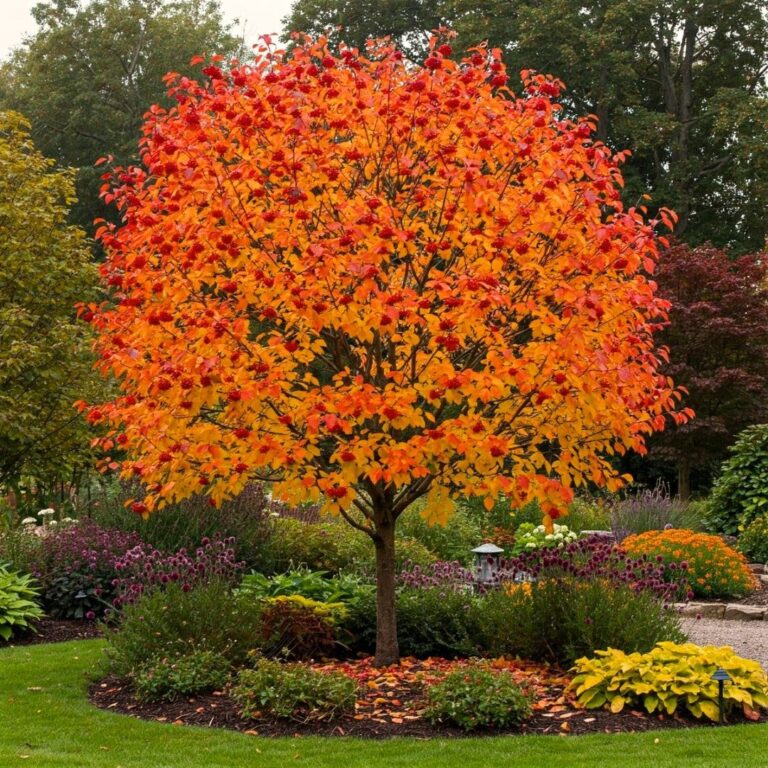
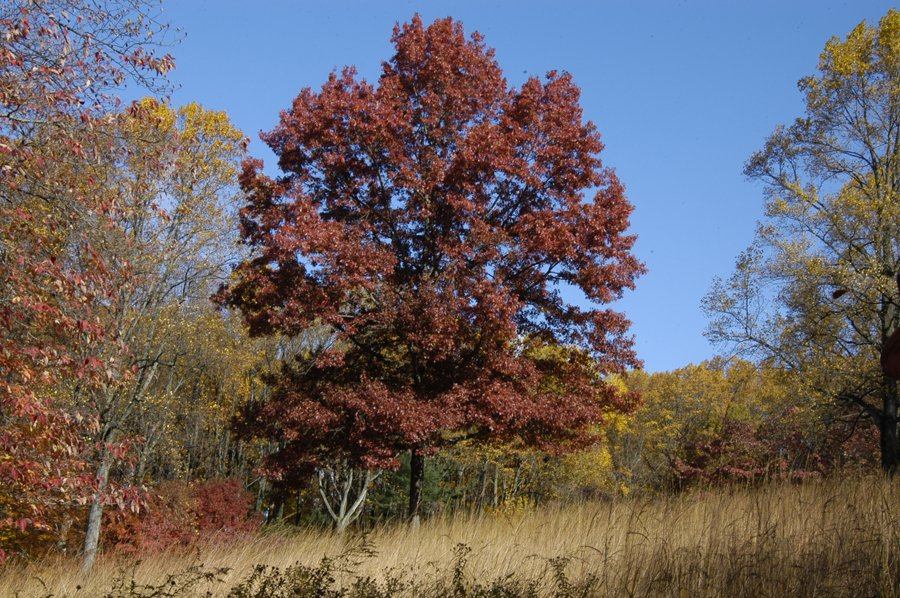
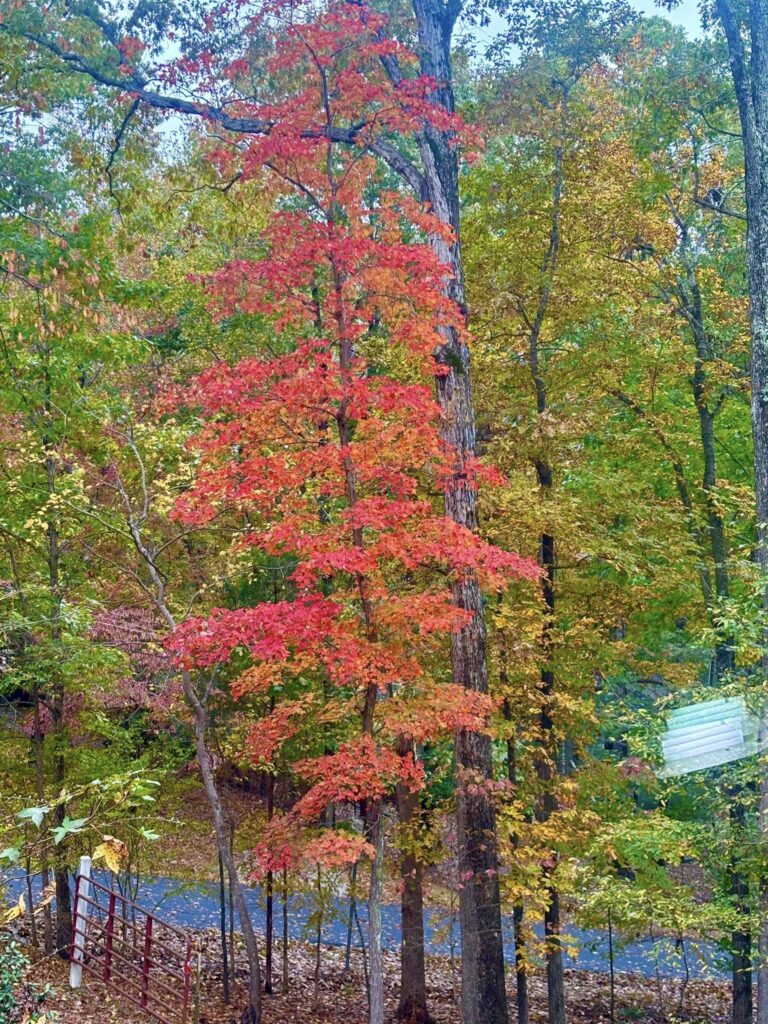
Every autumn, the Scarlet Oak puts on one of the most vivid color displays of any tree in North America. The leaves do not simply turn red. They ignite into a deep, blazing scarlet that can stop you mid-step on a forest trail.
Against a blue October sky, a mature Scarlet Oak in full fall color is genuinely one of the most beautiful sights in temperate nature.
But this tree is far more than a seasonal spectacle. It is a long-lived, ecologically vital, structurally impressive native oak that supports entire communities of wildlife, stabilizes difficult soils, and graces landscapes with architectural elegance for three full seasons.
This guide covers everything worth knowing about the Scarlet Oak — its biology, identification, ecology, landscape value, and growing guidance.
What Is the Scarlet Oak?
The Scarlet Oak belongs to the family Fagaceae — the beech and oak family — and to the red oak group (section Lobatae), which is characterized by pointed leaf lobes, acorns that take two years to mature, and inner acorn shells lined with fine hairs.
Its scientific name, Quercus coccinea, is elegantly descriptive. Quercus is the classical Latin word for oak. Coccinea means “scarlet” or “crimson” in Latin — a direct reference to the tree’s extraordinary autumn color.
Common names are few but clear:
- Scarlet Oak — the universal standard
- Black Oak — sometimes used informally, though this name more precisely applies to the closely related Quercus velutina
- Spanish Oak — an older regional name used in parts of the southeastern United States
The name “Scarlet Oak” is used almost universally, and with good reason. No other feature defines this tree more memorably than that color.
| Scientific Name | Quercus coccinea |
| Family | Fagaceae |
| Oak Group | Red Oak (section Lobatae) |
| Native Range | Eastern United States (Zones 4–9) |
| Mature Height | 70–90 feet |
| Crown Spread | 40–50 feet |
| Light | Full sun |
| Soil | Well-drained, sandy to loamy, acidic |
| Growth Rate | Moderate to fast (1.5–2 feet/year) |
| Fall Color | Deep scarlet-red |
| Acorn Maturity | 2 years |
| Wildlife Value | Extremely high |
Native Range and Natural Habitat
The Scarlet Oak is native to the eastern United States, with a range extending from southern Maine and New Hampshire in the north, south through Georgia and Alabama, and west through the Ohio Valley to Missouri, Kansas, and Oklahoma.
It is particularly abundant across the mid-Atlantic states, the Piedmont of the Southeast, and the Appalachian Mountain region. States including Virginia, Maryland, Pennsylvania, North Carolina, and Tennessee host some of the finest Scarlet Oak populations in the country.
Within its range, the Scarlet Oak is a tree of dry, well-drained, sandy or gravelly upland soils. It thrives on ridgetops, south- and west-facing slopes, and the margins of dry woodlands — places where many other oaks struggle to establish.
This preference for droughty, nutrient-poor soils is one of the tree’s defining ecological traits. It is a characteristic species of the oak-heath forests of the eastern United States — dry, acidic woodland communities often dominated by oaks, hickories, mountain laurel, and blueberries.
In these environments, the Scarlet Oak frequently grows alongside Black Oak (Q. velutina), Chestnut Oak (Q. montana), and Pitch Pine (Pinus rigida).
Physical Characteristics
Size and Form
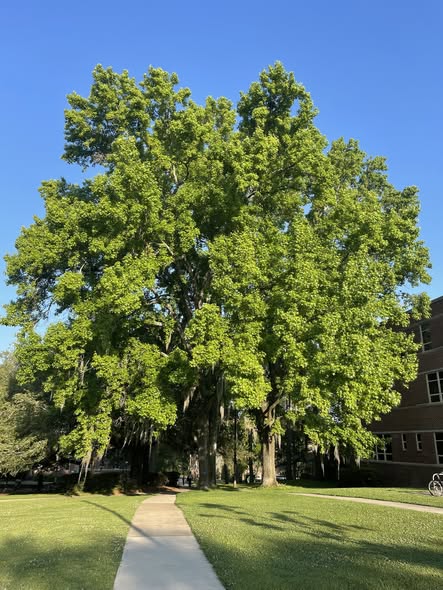
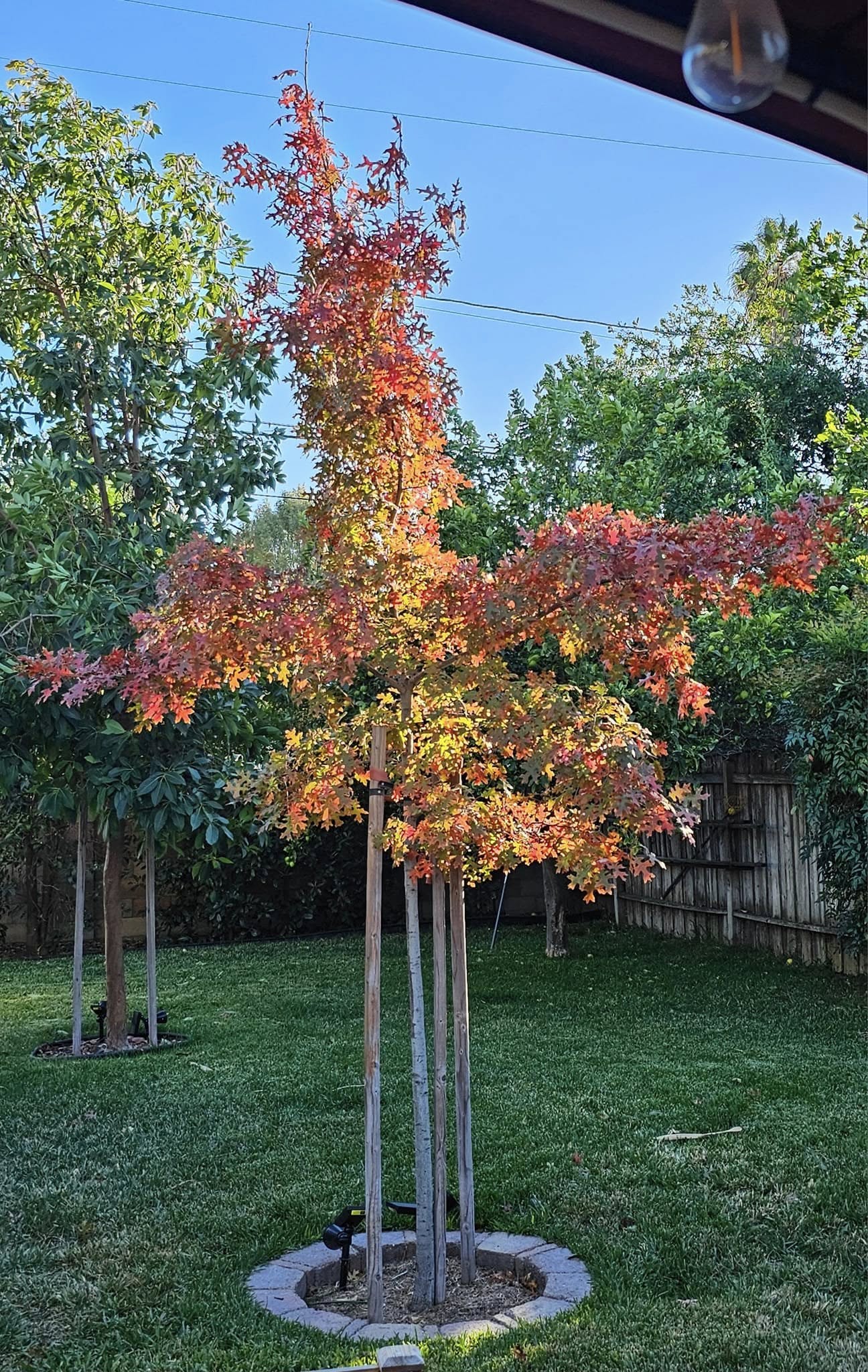
The Scarlet Oak is a large, impressive tree at maturity. It typically reaches 70 to 90 feet (21–27 meters) in height, with some specimens in favorable conditions approaching 100 feet. The trunk diameter commonly reaches 2 to 3 feet (60–90 cm) in mature trees.
The crown is broadly rounded to irregularly spreading, with a relatively open structure that allows light to penetrate. Branches tend to be large and wide-spreading, giving the tree a bold, architectural silhouette — impressive in summer and equally striking in winter when the branch structure is fully revealed.
In the landscape, the Scarlet Oak has a commanding, stately presence that earns it a place among the finest native shade trees available to American gardeners.
Bark
On young trees, the bark is smooth and grayish-brown. As the tree matures, it becomes dark gray to nearly black, deeply furrowed, and rough — developing broad, scaly ridges separated by deep furrows.
The inner bark, visible when the outer bark is scratched or cut, is reddish — another subtle identification clue shared with others in the red oak group.
The mature bark has a rugged, deeply textured character that gives older trees a sense of permanent solidity — as if they have simply always been there.
Leaves — Deeply Cut and Dramatically Lobed
The leaves of the Scarlet Oak are among the most distinctive of any eastern oak. They are deeply cut into 7 to 9 pointed, C-shaped lobes, creating a dramatic, almost star-like silhouette.
The sinuses — the spaces between lobes — are very deep, extending nearly to the midrib, giving the leaf a light, airy, skeletal appearance.
Leaves measure 3 to 6 inches (7–15 cm) in length and nearly as wide. The upper surface is glossy, bright green in summer, and the lower surface is paler, with small tufts of hair in the vein axils.
In autumn, the leaves turn that famous deep, brilliant scarlet — one of the most saturated and intense fall colors produced by any North American tree.
I have always found the Scarlet Oak’s leaf shape to be one of the most artistically satisfying in nature. The deep sinuses and sharp points create a form that looks almost deliberately designed — ornate without being fussy, bold without being crude.
Buds — An Important Identification Feature
The winter buds are sharply pointed, dark reddish-brown, and somewhat angled, clustered at the branch tips.
The upper third of the bud is covered with grayish or pale hairs — a key identification character that distinguishes Scarlet Oak from the very similar Black Oak, whose buds are covered with pale hairs over their entire surface.
This distinction matters most in winter, when leaves are absent and buds are the primary identification tool.
Flowers
Like all oaks, the Scarlet Oak is monoecious — bearing separate male and female flowers on the same tree. Both appear in mid to late spring, simultaneously with leaf emergence.
- Male flowers are small, yellowish-green catkins hanging in drooping clusters, 3 to 4 inches long
- Female flowers are tiny, reddish, and borne in the leaf axils — easy to miss without careful observation
Both are wind-pollinated. The flowers are not ornamentally significant, but they are an important nectar source for early-season native bees and other insects.
Acorns — Two Years to Maturity
The acorns of the Scarlet Oak are rounded to oval, ½ to 1 inch (1.5–2.5 cm) in length, with a deep, thick cup that encloses roughly half the nut. The cup scales are tight and appressed, giving the cup a smooth appearance.
Like all members of the red oak group, Scarlet Oak acorns take two full years to mature — a biological fact with significant ecological implications. Trees carry two cohorts of acorns simultaneously: the current year’s young green acorns and the previous year’s maturing brown acorns.
Ripe acorns fall in September and October of the second year. They are bitter due to high tannin content, which distinguishes them from the sweeter acorns of white oaks, but they are eagerly consumed by a wide range of wildlife species.
Scarlet Oak vs. Black Oak and Pin Oak
The Scarlet Oak is most frequently confused with two relatives: Black Oak (Quercus velutina) and Pin Oak (Quercus palustris). All three are red oaks with deeply lobed, pointed leaves and similar general appearance. Here is how to distinguish them:
| Feature | Scarlet Oak | Black Oak | Pin Oak |
| Leaf sinuses | Very deep (to midrib) | Moderately deep | Very deep |
| Leaf surface | Glossy green above | Dull to slightly glossy | Dull to slightly glossy |
| Bud hairs | Upper ⅓ only | Entire bud surface | Entire bud surface |
| Acorn cup | Deep, half the nut | Deep, half the nut | Shallow, saucer-like |
| Typical habitat | Dry, sandy upland | Dry to mesic upland | Moist to wet lowland |
| Crown lower branches | Ascending | Ascending | Strongly drooping |
The key field marks for Scarlet Oak are the combination of extremely deep leaf sinuses, glossy leaf surface, hairy upper bud third only, and deep acorn cup. Habitat is also a useful clue — if the tree is growing on dry, sandy, or gravelly upland soil, Scarlet Oak is the far more likely identification.
Fall Color: Why the Scarlet Oak Stands Apart
The Scarlet Oak’s autumn display deserves its own discussion — because it is genuinely exceptional, even among trees celebrated for fall color.
What makes Scarlet Oak fall color so striking is its combination of intensity, duration, and timing. The leaves turn in mid to late October across most of the range, after many other trees have already peaked. They hold the color well — often remaining on the tree for two to three weeks before dropping.
The color itself is a true, deep scarlet-red — not the orange-red of Sugar Maple, not the pinkish-red of Red Maple, but a saturated, pure crimson that seems to absorb and concentrate the low-angle autumn sunlight.
In mixed forests, a Scarlet Oak in full color stands out from surrounding trees like a lit torch. Against the golden yellows of hickories and tulip trees, or the russet browns of most other oaks, the Scarlet Oak creates a color contrast of remarkable beauty.
Landscape professionals consistently rank Scarlet Oak among the top five trees for fall color in the eastern United States — alongside Sugar Maple, Sweetgum, Blackgum, and White Oak.
Ecological Value and Wildlife Benefits
Like all native oaks, the Scarlet Oak is an ecological powerhouse. Oaks as a genus are the single most important group of trees for wildlife in North America, and the Scarlet Oak carries its full share of that ecological weight.
Acorns and Mast Production
Acorns are the cornerstone of forest wildlife nutrition across eastern North America. The Scarlet Oak is a reliable and productive mast producer, with significant acorn crops in most years.
Species that depend on Scarlet Oak acorns include:
- White-tailed deer — a primary food source in fall and early winter
- Wild turkey — one of the most acorn-dependent bird species in North America
- Blue jay — a primary disperser of oak acorns across the landscape
- Wood duck, Red-headed Woodpecker, and other cavity-nesting birds
- Gray squirrel and fox squirrel — cache acorns and inadvertently plant new oaks
- Black bear — consumes large quantities of acorns in pre-hibernation hyperphagia
- White-footed mouse, deer mouse, and other small rodents
The importance of mast production from trees like Scarlet Oak cannot be overstated. Years of poor acorn crops directly reduce wildlife populations of deer, turkey, squirrel, and bear the following year. A productive Scarlet Oak is a food security asset for an entire community of animals.
Caterpillars and Insects
Research by entomologist Doug Tallamy and colleagues has documented that oaks collectively support over 900 species of Lepidoptera (moths and butterflies) as larval host plants — more than any other genus of trees in North America. The Scarlet Oak contributes significantly to this number.
Caterpillars are the primary food source for the majority of North American songbird species, particularly during the breeding season when nestlings require high-protein insect food. An oak that supports hundreds of caterpillar species is, indirectly, supporting entire populations of warblers, vireos, tanagers, and flycatchers.
Cavity Habitat
Old Scarlet Oaks develop cavities, hollows, and dead snags that provide nesting and roosting habitat for dozens of species — including Eastern Screech-Owl, Great Crested Flycatcher, Wood Duck, Flying Squirrel, and Little Brown Bat.
A single large, old Scarlet Oak with cavity habitat may support more individual wildlife than an acre of young, uniform forest.
Soil Requirements and Adaptations
One of the Scarlet Oak’s most practically useful traits is its tolerance of poor, dry, acidic soils. It is a specialist of conditions that challenge many other trees.
Specifically, it thrives in:
- Sandy or gravelly soils with low nutrient content
- Well-drained to excessively drained soils that dry out quickly after rain
- Acidic soils with pH typically ranging from 4.5 to 6.5
- Compacted or disturbed urban soils — better than many oaks
It does not perform well in:
- Heavy, poorly drained clay soils
- Waterlogged or seasonally flooded sites
- Highly alkaline soils (pH above 7.0), which cause iron chlorosis
- Deep shade
This combination of drought tolerance and urban soil adaptability makes the Scarlet Oak especially valuable for street tree programs, highway plantings, and urban parks where soil conditions are typically challenging.
Landscape and Garden Uses
The Scarlet Oak is one of the finest native shade trees available for landscapes across its native range. Its combination of size, form, fall color, and ecological value makes it a genuinely exceptional choice.
Shade Tree
Its large, spreading crown provides excellent summer shade for parks, lawns, and open spaces. The glossy, deeply cut leaves create a fine-textured canopy that moves gracefully in the wind.
Street and Urban Tree
Despite its ultimate size, Scarlet Oak has shown commendable tolerance for the stresses of urban environments — compacted soils, reflected heat, restricted root zones, and drought. Many municipalities across the Mid-Atlantic and Southeast include it in urban tree canopy programs.
Naturalized and Wildlife Plantings
In naturalized areas, woodland edges, and wildlife gardens, the Scarlet Oak is among the highest-value trees that can be planted. Its combination of mast production, caterpillar support, cavity habitat, and fall color makes it a cornerstone species for any ecologically minded landscape.
Fall Color Specimen
As a deliberate fall color focal point, few trees in the eastern United States match it. Positioning a Scarlet Oak where its autumn display can be viewed from a window, patio, or garden path is an investment that pays dividends every October.
Hardiness Zones
The Scarlet Oak is hardy in USDA Zones 4 through 9, covering most of the eastern and central United States.
How to Plant and Grow Scarlet Oak
Sourcing
Always purchase from reputable native plant nurseries using locally sourced or regionally appropriate stock. Container-grown trees establish well. Avoid overly large balled-and-burlapped specimens — smaller, younger trees transplant more successfully and often catch up within a few years.
Planting Instructions
- Choose a well-drained, full-sun site. Scarlet Oak needs at least 6 hours of direct sun daily for best performance.
- Test soil pH. If the soil is above 7.0, amend or choose a different site. Alkaline soils cause chlorosis and chronic decline.
- Dig the planting hole two to three times wider than the root ball but no deeper than the root ball height.
- Set the tree at the correct depth — the root flare should be at or slightly above soil grade. Planting too deep is a leading cause of long-term decline.
- Backfill with native soil. Do not amend the backfill heavily — it encourages roots to stay within the hole rather than spreading.
- Mulch generously — 3 to 4 inches of organic mulch out to the drip line, keeping mulch away from the trunk.
- Water thoroughly at planting and regularly through the first two growing seasons.
Long-Term Care
Established Scarlet Oaks require minimal care. They are drought-tolerant and do not need regular fertilization. Pruning, when necessary, is best done in late winter to early spring to minimize exposure to Oak Wilt fungal vectors.
Avoid pruning between April and July when Oak Wilt spread is at its peak.
Pests, Diseases, and Common Problems
Oak Wilt
Oak Wilt (Bretziella fagacearum) is the most serious disease threatening Scarlet Oak. It is a fungal disease that disrupts the tree’s water-conducting system, causing rapid wilting and death — sometimes within a single growing season in the red oak group.
Red oaks, including Scarlet Oak, are far more susceptible to Oak Wilt than white oaks. The disease spreads through root grafts between adjacent trees and by sap-feeding beetles that carry fungal spores to fresh wounds.
Prevention is the primary strategy: avoid pruning during the high-risk spring and early summer period, immediately cover any wounds with pruning sealant if summer pruning is unavoidable, and remove and destroy infected wood promptly.
Galls
Scarlet Oaks are frequently covered with various oak galls — abnormal growths triggered by gall wasps, mites, or other insects. Common types include Oak Apple Galls, Bullet Galls, and Horned Oak Galls. Most galls are cosmetically unappealing but not seriously harmful to healthy trees.
Chlorosis
On alkaline soils, Scarlet Oak frequently develops iron chlorosis — a yellowing of leaves caused by inability to absorb adequate iron. The symptom is yellowing between leaf veins while veins remain green. Correcting soil pH is the best long-term solution. Foliar iron applications provide temporary relief.
Caterpillar Defoliation
Forest tent caterpillar and gypsy moth (now called Spongy Moth, Lymantria dispar) can cause significant defoliation in outbreak years. Healthy trees typically recover fully after one defoliation event. Repeated defoliation over multiple years, however, can weaken and eventually kill trees.
Conservation and Long-Term Outlook
The Scarlet Oak is currently a species of least concern, with stable populations across its native range. It is not threatened or endangered.
However, several pressures deserve attention:
- Oak Wilt continues to spread across the eastern United States, posing an increasing threat to Scarlet Oak populations
- Spongy Moth outbreaks periodically defoliate large areas of oak-dominated forest
- Deer overbrowsing suppresses oak regeneration in many eastern forests — young oak seedlings are among deer’s preferred browse plants
- Urbanization continues to fragment oak forest habitat
Planting Scarlet Oak in home landscapes, parks, and restoration sites is a meaningful contribution to maintaining oak canopy cover across the eastern United States — canopy that supports more wildlife than any other group of trees on the continent.
Final Thoughts
The Scarlet Oak is a tree that deserves far wider planting than it currently receives. It gives generously — shade, beauty, wildlife food, caterpillar habitat, cavity housing, and one of the most spectacular fall color performances of any tree on the continent.
It asks for less than most trees in return: good drainage, full sun, and acidic soil. Given those conditions, it will grow into a magnificent, long-lived presence that improves with every decade.
If you have the space and the right conditions, planting a Scarlet Oak is one of the most ecologically and aesthetically rewarding decisions a landowner can make. A hundred years from now, something will still be living in it, feeding from it, and sheltering beneath it — long after the person who planted it is gone.
That kind of legacy is worth something.
References
- Virginia Tech Department of Forest Resources and Environmental Conservation — Dendrology Fact Sheet: Quercus coccinea https://dendro.cnre.vt.edu/dendrology/syllabus/factsheet.cfm?ID=39
- North Carolina State University Cooperative Extension — Quercus coccinea Plant Profile https://plants.ces.ncsu.edu/plants/quercus-coccinea/
- University of Florida IFAS Extension — Quercus coccinea: Scarlet Oak https://hort.ifas.ufl.edu/database/documents/pdf/tree_fact_sheets/quecoca.pdf
- USDA Forest Service — Fire Effects Information System (FEIS) — Quercus coccinea https://www.fs.usda.gov/database/feis/plants/tree/quecoc/all.html
- University of Connecticut Plant Database — Quercus coccinea — Scarlet Oak https://hort.uconn.edu/detail.php?pid=310

Tim M Dave is a gardening expert with a passion for houseplants, particularly cacti and succulents. With a degree in plant biology from the University of California, Berkeley, he has vast experience in gardening. Over the years, he has cultivated a vast collection of desert plants and learned a great deal about how to grow and care for these unique companions.