How to Save Your Overwatered String of Hearts
I’ve been there, staring at my beloved string of hearts, its delicate, heart-shaped leaves drooping and yellowing. If you’re in the same boat, don’t worry! Overwatering is a common mistake, especially for plant lovers in the U.S., where indoor conditions can vary wildly.
In this article, I’ll walk you through how to spot, prevent, and save an overwatered string of hearts . Before we dive in, let’s understand a little more about this lovely plant.
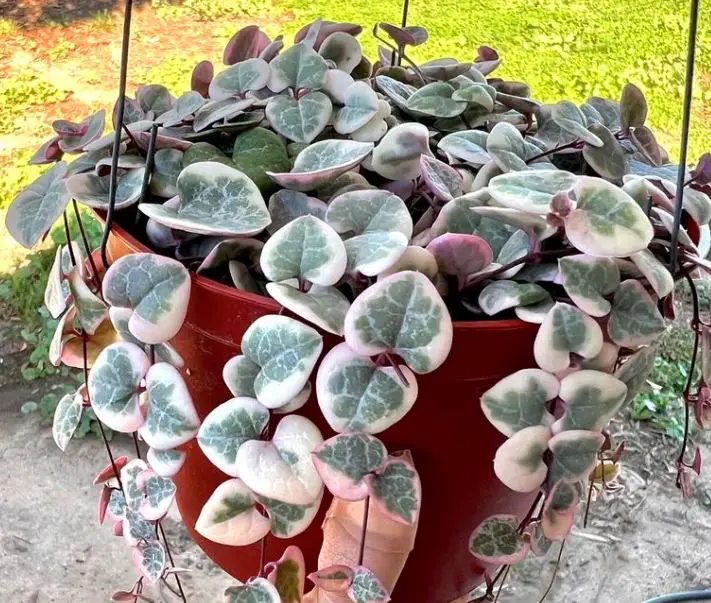
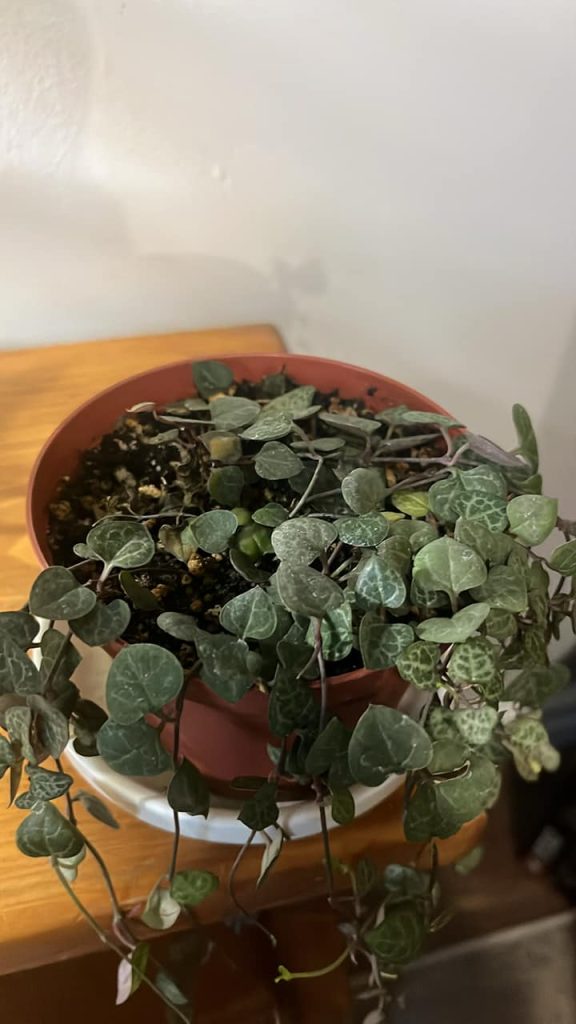
The string of hearts (Ceropegia woodii) is a stunning trailing succulent with small, heart-shaped leaves. Its delicate vines cascade beautifully, making it a favorite for hanging baskets or shelves. Native to South Africa, it loves bright, indirect light and thrives in warm, dry conditions.
But here’s the catch: it’s super sensitive to overwatering, and that’s where most of us slip up.
I learned this the hard way when I first brought my string of hearts home from a local nursery in California. I was so excited to care for it that I watered it like my other houseplants—big mistake!
The leaves started turning mushy, and I knew I had to act fast. If you’re noticing similar signs, keep reading.
Signs Your String of Hearts is Overwatered
Overwatering is the number one killer of string of hearts. Like me, many new plant parents water too often, thinking it’s what the plant needs. Pots without drainage holes or heavy soil mixes also trap water, suffocating roots.
In winter, when light levels drop and growth slows, string of hearts needs less water. But many of us don’t adjust our routines. Homes in coastal areas or with humidifiers can keep the soil wet longer than the plant likes.
Here’s how to tell if your plant is drowning:
- Yellowing leaves: Healthy leaves are green with a silvery sheen. Yellow or pale leaves often mean too much water.
- Mushy or soft leaves: If the leaves feel squishy or start falling off easily, the roots are likely waterlogged.
- Wilting or drooping vines: Overwatered plants can look limp, even though the soil is wet.
- Moldy or soggy soil: If the soil smells bad or stays wet for days, it’s a red flag.
- Root rot: If you check the roots and they’re brown or black and mushy, root rot has set in.
I remember panicking when I saw my plant with these symptoms. I live in a small apartment with limited natural light, so my string of hearts wasn’t drying out as fast as it should. Indoor conditions like air conditioning, heating, or poor ventilation can also make it tricky to water correctly.
Once I understood my home’s conditions, I could tailor my care routine.
How to Save an Overwatered String of Hearts
If your string of hearts is overwatered, don’t give up! Here’s how I saved mine, step by step:
1. Stop watering immediately
The first thing I did was stop watering. Let the soil dry out completely. This can take a week or more, depending on your home’s humidity. Resist the urge to water until the soil feels bone-dry.
2. Check the roots
Gently remove the plant from its pot. Shake off the soil and inspect the roots. Healthy roots are white and firm. If they’re brown, black, or mushy, you’ve got root rot. Use clean scissors to trim away the damaged roots.
I was nervous doing this, but it’s like giving your plant a fresh start. Sterilize your scissors with rubbing alcohol first to avoid spreading bacteria.
3. Repot in well-draining soil
String of hearts loves airy, fast-draining soil. I switched to a mix of 50% cactus/succulent potting soil and 50% perlite. You can find great options at local garden centers or online.
The University of Wisconsin-Madison Extension has a helpful guide on succulent soil mixes. Make sure your pot has drainage holes—I learned this the hard way!
4. Adjust your watering routine
Once repotted, water sparingly. In my home, I water every 2–3 weeks in spring and summer, and even less in fall and winter. Use the “soak and dry” method: water thoroughly until it drains out, then wait until the soil is completely dry before watering again.
The Royal Horticultural Society recommends this for succulents like string of hearts.
5. Optimize light and airflow
Place your plant in bright, indirect light. A south- or west-facing window works well in most American homes. I keep mine near a window with a sheer curtain to filter the light. Good airflow helps the soil dry out, so avoid stuffy corners. If you’re in a humid area, a small fan can help.
6. Monitor recovery
Be patient—it can take weeks for your plant to bounce back. New growth is a good sign! My string of hearts started sprouting fresh vines after about a month, and I was thrilled.
Preventing Overwatering in the Future
Once I saved my plant, I was determined to keep it healthy. Here are tips to prevent overwatering:
- Use the right pot when potting or repotting. I recommend a terracotta or ceramic pot with drainage holes. Terracotta is great because it wicks away moisture.
- Check soil moisture before watering. Don’t water every week just because it’s “time.” Always check the soil first. Stick your finger an inch into the soil. If it’s dry, it’s time to water. You can also use a moisture meter for accuracy.
- Adjust your watering schedule for seasons. In winter, when days are shorter, water less often. In summer, check the soil more frequently.
- Know your home’s climate. If you’re in a humid state like Louisiana, water less than you would in arid Nevada.
- Avoid saucers with standing water. Always empty any excess water from saucers to prevent the roots from sitting in it.
- Stick to succulent mixes when transplanting or repotting. Regular potting soil holds too much water
- Don’t overcrowd your plant into a corner with no airflow—it invites mold.
- Provide bright indirect light. Too little light slows growth and keeps soil wet longer.
I also started keeping a plant journal to track watering and light conditions. It’s nerdy, but it helped me stay consistent!
FAQs
Here are the frequently asked questions about an overwatered string of hearts
Q: How often should I water my string of hearts?
A: Water every 2–3 weeks in growing seasons (spring and summer) and less in fall and winter. Always check that the soil is dry first.
Q: Can an overwatered string of hearts recover?
A: Yes! Trim damaged roots, repot in well-draining soil, and adjust your care routine. Be patient—it can take weeks to see new growth.
Q: What’s the best soil for string of hearts?
A: Use a mix of cactus or succulent soil and perlite or pumice for drainage.
Q: Why are my string of hearts’ leaves falling off?
A: Overwatering or poor light are common culprits. Check the roots for rot and ensure the plant gets bright, indirect light.
Q: Can I propagate an overwatered string of hearts?
A: If the vines are still healthy, you can propagate cuttings in water or soil. Learn how at Purdue University’s Plant Propagation Guide.
Final thoughts
When I first noticed my string of hearts looking sad, I felt like a terrible plant parent. But saving it taught me so much about its needs. Now, it’s thriving, cascading over my bookshelf with vibrant green leaves.
The secret was understanding my home’s unique conditions—moderate humidity, limited light—and adjusting my care accordingly. Pay attention to its signals, use well-draining soil, and don’t overwater. Trust me, there’s nothing more rewarding than seeing those heart-shaped leaves perk up again.
Have you saved an overwatered plant before? Share your tips in the comments—I’d love to hear them! Let’s keep our string of hearts thriving.
Additional Resources
For more plant care tips, check out these sites:
- Cornell University’s Guide to Houseplants
- ASPCA’s Pet-Safe Plant List (string of hearts is non-toxic to pets!)
- North Carolina State Extension’s Succulent Care
- The Missouri Botanical Garden has great watering tips.

Tim M Dave is a gardening expert with a passion for houseplants, particularly cacti and succulents. With a degree in plant biology from the University of California, Berkeley, he has vast experience in gardening. Over the years, he has cultivated a vast collection of desert plants and learned a great deal about how to grow and care for these unique companions.