How to Revive Hydrangeas After Frost: Journey to Lush Summer and Fall Blooms
Here are the main key points:
- Frost often hits tender new growth or buds on bigleaf hydrangeas hardest, but most plants survive and regrow.
- Assess damage carefully before acting—look for blackened leaves, wilted tips, or dry stems.
- Prune dead parts only after the last frost risk, and use the scratch test to check if stems are alive.
- Water consistently, mulch for root protection, and avoid heavy fertilizer right after damage.
- Protect plants in future winters with covers, site choice, or hardy varieties.
- Patience is essential; many hydrangeas bounce back with time and proper care.
Why Frost Hits Hydrangeas and Why Hope Remains
Few things disappoint a gardener more than seeing those big, beautiful hydrangea blooms ruined by an unexpected late frost. One day the plant looks full of promise with fresh leaves or swelling buds; the next, leaves turn black, tips wilt, and hope seems lost.
But take heart—hydrangeas are tougher than they look. Most recover well if you act thoughtfully.
Frost damage happens when cold temperatures freeze water inside plant cells. Ice expands and bursts cell walls, killing tissue. This is worse on new, soft growth in spring or on buds set the previous year.
Bigleaf hydrangeas (Hydrangea macrophylla) suffer most because they bloom on old wood. Panicle (H. paniculata) and smooth (H. arborescens) types bloom on new wood, so they often rebound with flowers even after hard cuts.
As horticulturist Kate Walz explains, “Bigleaf hydrangeas (Hydrangea macrophylla) are more susceptible to hard frost than panicle (H. paniculata) or smooth (H. arborescens) hydrangeas. Bigleaf hydrangeas bloom on old wood, so a hard frost will often damage the dormant flower buds that are set to bloom in the new season.”
The good news? Roots usually stay safe, and new growth emerges from the base or surviving stems. With the right steps, your plant can regain strength and even bloom again—perhaps not fully this year, but surely the next.
Read More: Types of Hydrangeas
Understanding Frost Damage: Signs and Types
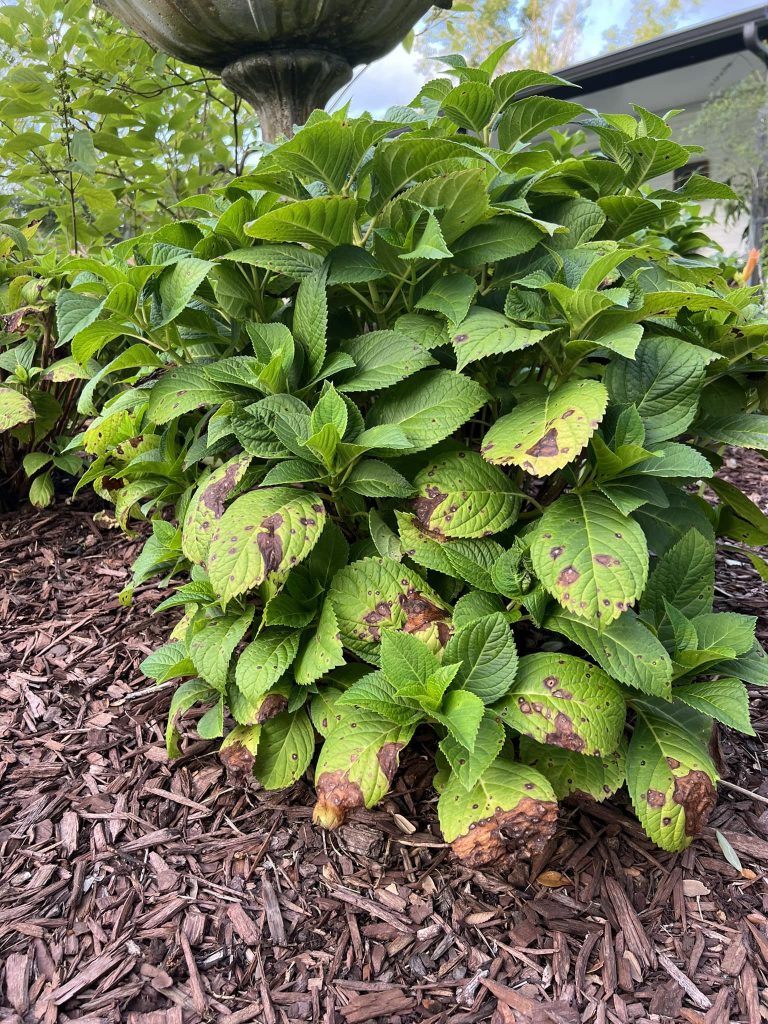
First, confirm it’s frost and not something else like drought or disease. Frost-damaged leaves often turn dark brown to black, wilt quickly, or look scorched. Buds may shrivel or blacken. Stems can appear dry or cracked. New spring growth is most vulnerable because it’s full of water and tender.
Damage varies by timing:
- Winter freezes hurt buds on old-wood bloomers.
- Late spring frosts zap emerging leaves and shoots.
Expert Lorraine Ballato notes, “Essentially, water has frozen in the plant’s vascular system and killed the tissue. You’ll be able to see the damage right away.”
Don’t rush to cut. Many plants look dead but push new buds lower down. Wait and watch.
Step 1: Assess the Damage Carefully
Walk around your hydrangea and inspect closely. Look for:
- Blackened or mushy leaves and buds.
- Wilted, collapsed shoots.
- Dry, brittle stems.
Use the “scratch test”: Gently scrape the bark with your fingernail or a knife. If you see green (or whitish-green, moist) tissue underneath, that stem lives. Brown, dry, or brittle means it’s dead.
As one guide puts it, “If the tissue underneath is green or whitish-green and slightly moist, the stem is alive. If it’s brown, dry, or brittle all the way down to the base, that stem is dead and can be removed.”
Check the base too. Even if tops look ruined, roots and lower stems often survive. Hydrangeas are root-hardy to very low temperatures—down to around -28°C for some types.
Step 2: Pruning for Recovery
Pruning helps the plant focus energy on healthy parts. But timing matters.
Wait until after the last expected frost. Pruning too early risks more cold damage to new growth.
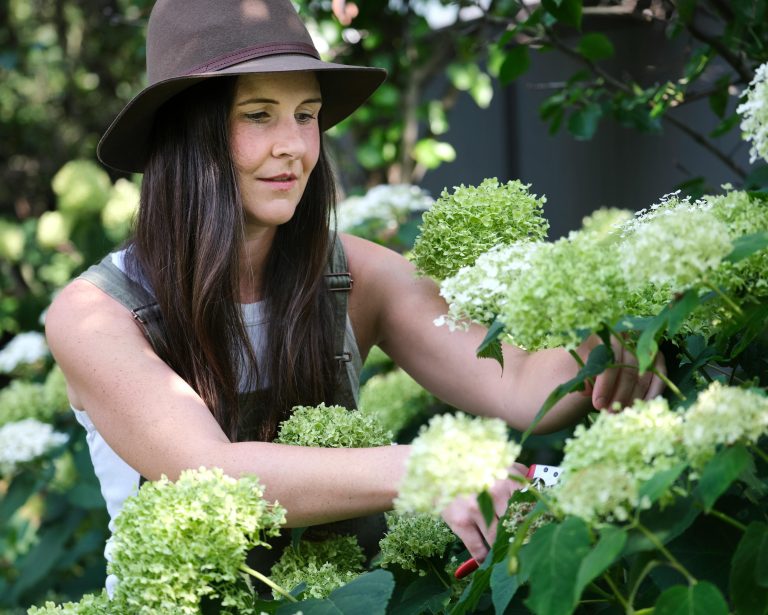
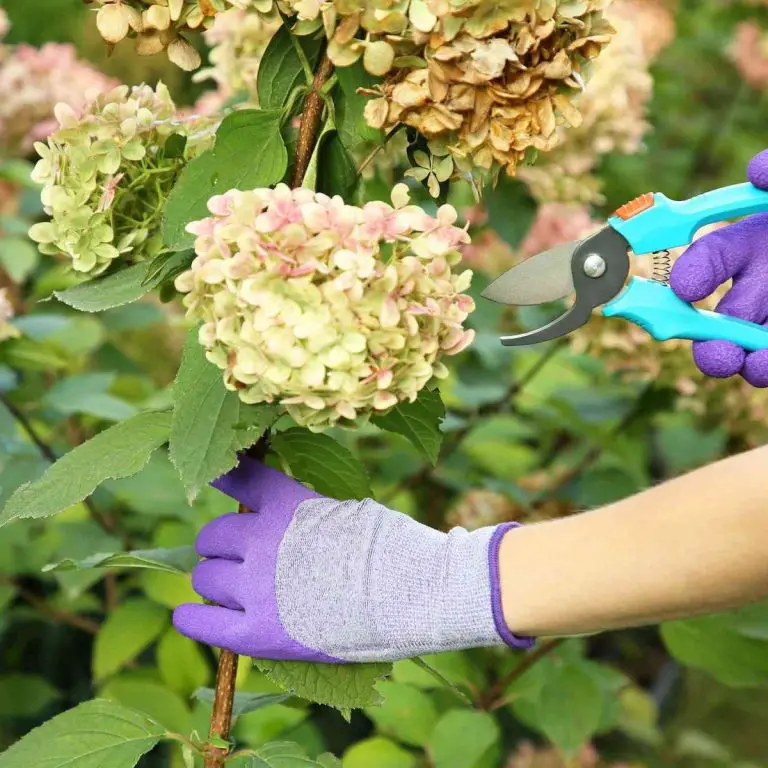
Remove only clearly dead parts. Cut back to live tissue, just above a healthy bud if possible.
For severe damage, cut to the ground—but only if no live stems remain higher up.
For bigleaf types, prune lightly to avoid removing potential flower buds. New-wood bloomers tolerate harder cuts.
Kate Walz advises assessing first: “When assessing damage, look for blackened leaves and buds.”
Many experts stress patience. One Reddit gardener shared, “Don’t prune it, don’t cut bits off… Just keep it watered normally, and give it time to recover.”
If new growth appears with dead tips, trim those ends later.
Step 3: Watering and Soil Care After Frost
Frost-stressed plants need steady moisture but not soggy roots. Water deeply when the top inch of soil dries. Consistent moisture helps recovery.
Add mulch—2-3 inches of organic material like compost or bark—around the base. This keeps roots cool, retains water, and protects from temperature swings.
Avoid fertilizing right away. Too much nitrogen pushes weak growth. Wait until healthy leaves appear, then use a balanced, slow-release feed.
Step 4: Sun, Shelter, and Ongoing Support
Place hydrangeas in morning sun with afternoon shade—especially bigleaf types. Too much sun scorches; too little weakens.
Shelter from wind and frost pockets (low spots where cold air settles).
If potted, move to a protected spot during cold snaps.
Prevention: Keeping Hydrangeas Safe from Future Frosts
The best revival is prevention.
Choose hardy types: Panicle and smooth hydrangeas handle cold better.
Site wisely: Avoid exposed areas or frost pockets. Plant near walls or fences for warmth.
Protect before cold:
- Mulch heavily in fall.
- Cover with breathable fabric, burlap, or insulated wraps on cold nights.
- For pots, move indoors or to a garage.
Lorraine Ballato recommends, “Using insulated shrub covers, which are available at many garden retailers. You can also make your own frame and cover.”
Cover new growth during late frosts with sheets or frost cloth. Drape loosely to trap heat.
One expert sums it up: “Prevention is generally better than cure.”
What to Expect: Recovery Timeline and Blooms
Recovery takes time. New leaves may appear in weeks; full vigor in a season.
Bloom outlook:
- Old-wood bloomers may skip flowers if buds froze.
- New-wood types often bloom anyway.
Even without flowers, healthy foliage returns. Next year brings better shows.
Common Mistakes to Avoid
Don’t:
- Prune too soon.
- Overwater (leads to rot).
- Ignore site issues.
- Panic and dig up the plant.
Do:
- Observe patiently.
- Water wisely.
- Protect proactively.
Final Thoughts: The Reward of Patience
Watching a frost-battered hydrangea come back feels rewarding. Those first green shoots signal resilience. With care, your plant not only survives but thrives, rewarding you with massive blooms.
As Gertrude Jekyll said, “A garden is a grand teacher. It teaches patience and careful watchfulness.”
Your hydrangeas will teach you the same. Give them time, thoughtful help, and protection—they’ll repay you with beauty year after year.

Tim M Dave is a gardening expert with a passion for houseplants, particularly cacti and succulents. With a degree in plant biology from the University of California, Berkeley, he has vast experience in gardening. Over the years, he has cultivated a vast collection of desert plants and learned a great deal about how to grow and care for these unique companions.