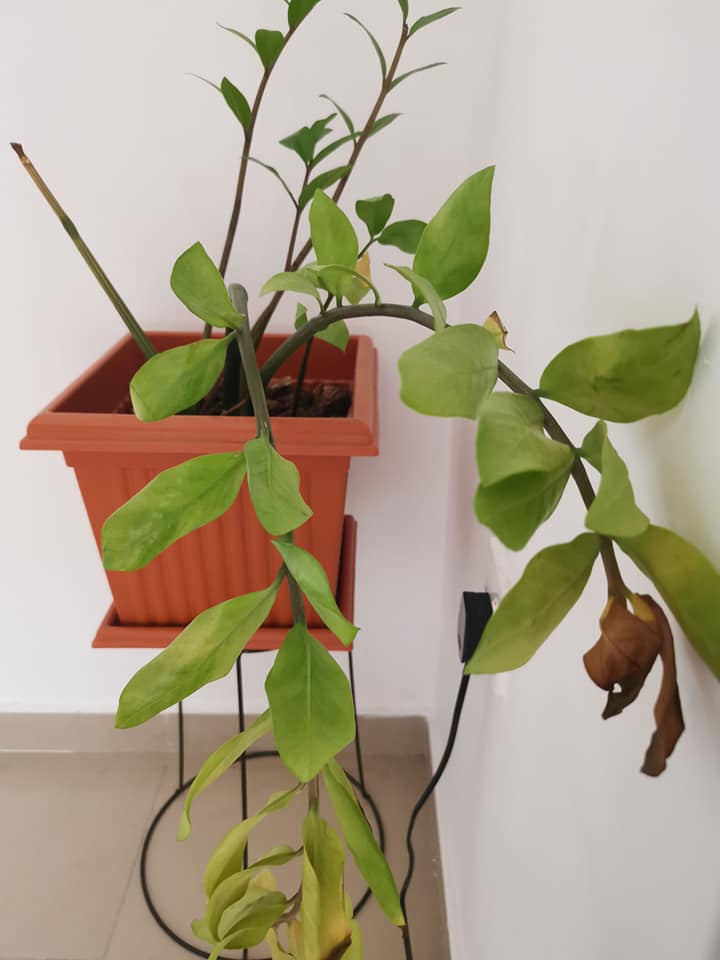
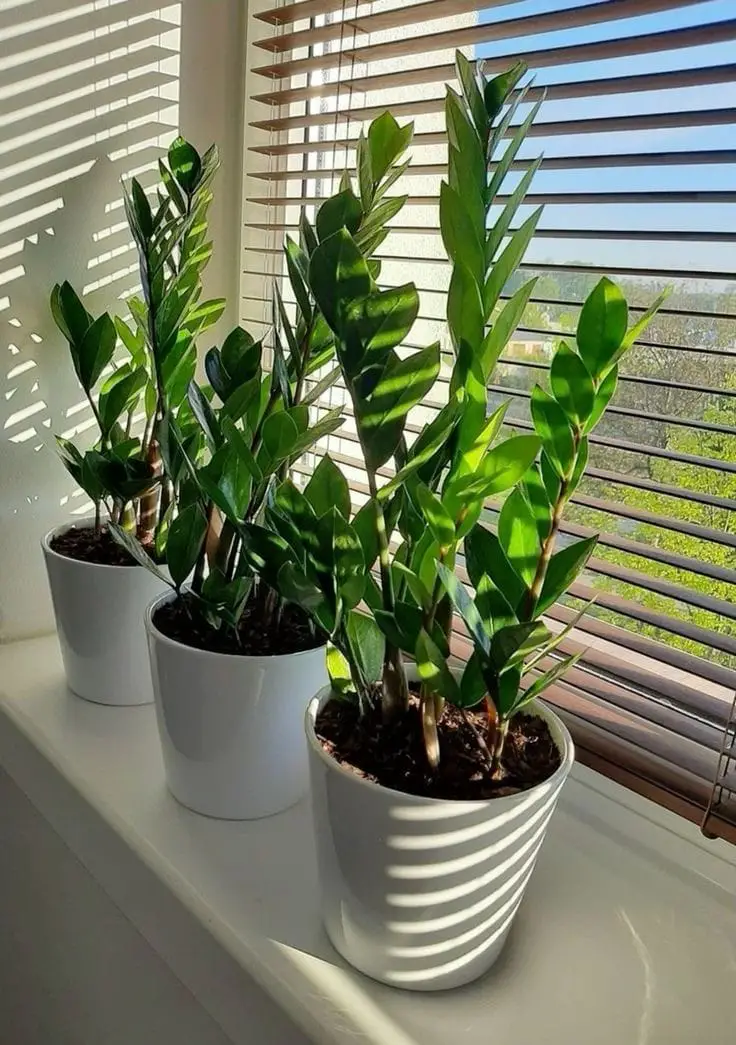
7 Expert Tips to Revive Your Droopy ZZ Plant
ZZ plants are the superheroes of houseplants—tough, stylish, and perfect for busy households. But what happens when those glossy, upright stems start to droop? Don’t panic! I’ve been there, staring at my sad ZZ plant, wondering what went wrong.
In this guide, I’ll walk you through why your ZZ plant might be drooping and share seven expert-backed tips to bring it back to life.
Known as the Zanzibar Gem, this tropical beauty from East Africa is a staple for plant parents who want greenery without the fuss. I fell in love with mine because it looked chic in my living room and didn’t complain when I forgot to water it for weeks.
What I’ve learnt, even these tough plants can have off days. Drooping stems are a common issue, and it’s usually a cry for help.

Why Is My ZZ Plant Drooping? The Top 3 Culprits
Before we fix the droop, let’s figure out what’s going wrong. Experts like those at Homes & Gardens and The Spruce point to three main reasons ZZ plants lose their upright charm: watering issues, light problems, and root health. Here’s the breakdown.
Watering woes – Too much or too little
ZZ plants are drought-tolerant thanks to their water-storing rhizomes, but they’re not invincible. I made the mistake of overwatering mine, thinking more water equals more love. Big mistake! Overwatering leads to soggy soil and root rot, causing stems to droop.
On the flip side, underwatering can also make your plant thirsty, leading to weak, sagging stems. Thomas Rutter, a former professional gardener, says, “If your plant is drooping, even slightly, it can be a sign that the plant is thirsty.”
But he warns against overdoing it, as soggy soil is a ZZ plant’s worst enemy.
Light struggles – Too dark or too harsh
ZZ plants are famous for thriving in low light, making them perfect for dim corners in our homes. But “low light” doesn’t mean no light. If your ZZ is in a dark basement or a windowless bathroom, it can’t photosynthesize properly, leading to droopy, leggy stems.
Conversely, direct sunlight can scorch leaves, causing them to weaken and sag. I once placed my ZZ in a shady corner of my apartment, thinking it would be fine. It wasn’t. The stems started leaning like they were tired of standing up. Moving it closer to a north-facing window made all the difference.
Root rot – The silent killer
Root rot is the sneakiest culprit. Julie Bawden-Davis, an indoor plant expert, notes that leaving your ZZ in oversaturated soil can lead to root rot, which makes stems droop or even kill the plant. I learned this the hard way when I repotted my ZZ and found mushy, black roots.
Poor drainage or pots without holes are often to blame, especially in humid climates like Florida or Texas.
How to Revive Your Droopy ZZ Plant
Now that we know why your ZZ plant is drooping, let’s fix it. These seven tips are tailored for homes in the U.S., where central heating, air conditioning, and busy lifestyles can affect plant care. Follow these steps, and your ZZ will be standing tall in no time.
1. Check your watering routine
ZZ plants don’t need frequent watering. I water mine every 2–3 weeks, depending on the season. In winter, when my Chicago apartment gets dry from heating, I stretch it to every 4 weeks. Here’s how to get it right:
- Stick your finger 2–3 inches into the soil. If it’s dry, water thoroughly until it drains out the bottom. If it’s damp, wait.
- Choose a pot with drainage holes, preferably terracotta or ceramic. They are great for preventing water from pooling.
- In summer, your ZZ might need more water due to higher light intensity and heat. In winter, cut back to avoid soggy soil.
Pro Tip: If you’re unsure about soil moisture, a moisture meter is a game-changer for beginners.
2. Optimize light conditions
ZZ plants love bright, indirect light, but can handle low light. In my home, I place mine near an east-facing window where it gets soft morning light. If your home lacks natural light, especially in urban apartments, try these:
- Move to a brighter spot. Place your ZZ near a north or east-facing window. Avoid direct sun, which can burn leaves.
- Use grow lights. For dark spaces, a plant grow light mimics natural light. I use one during gloomy Midwest winters, and my ZZ loves it.
- Rotate the plant. Turn your ZZ every few weeks to ensure even light exposure.
Expert Tip: The Spruce warns that ZZ plants in very low light can become leggy, so give them at least some indirect light daily. Low light is also one of the reasons why ZZ plant leaves turn yellow.
3. Fix root rot
If you suspect root rot, act fast. I saved my ZZ by following these steps:
- Gently remove the plant from its pot and inspect the roots. Healthy roots are firm and white; rotten ones are mushy and dark.
- Use clean scissors to cut away soft or black roots. Discard them safely, as ZZ plants are toxic if ingested.
- Repot with fresh soil. Use a well-draining mix, like a succulent potting mix. Add pebbles to the pot’s bottom for extra drainage.
- After repotting, water lightly and monitor soil dryness.
4. Maintain ideal temperatures
ZZ plants thrive in typical home temperatures (65–75°F). They hate cold drafts, which are common in homes with air conditioning or near drafty windows. I keep mine away from my AC unit and exterior doors in winter.
If you live in colder states like Minnesota, protect your ZZ from temperatures below 45°F. ZZ plant leaves curling is another common sign of temperature stress.
5. Clean those shiny leaves
Dust on ZZ plant leaves can block light and make them look dull. I wipe mine monthly with a damp cloth to keep them glossy. Avoid commercial leaf shine products, as they clog pores. This small step can boost photosynthesis and help your plant stand taller.
6. Propagate to refresh
If your ZZ plant is severely droopy, propagation can give it a new lease on life. I’ve propagated mine to share with friends, and it’s surprisingly easy:
- Divide rhizomes: Gently separate the rhizomes during repotting and plant them in fresh soil.
- Leaf cuttings: Take a cutting with a stem and two leaves, then plant it in well-draining soil. Use a rooting hormone to speed things up.
- Be patient: Cuttings take time to root, so place them in bright, indirect light and keep the soil slightly moist.
7. Monitor for pests
ZZ plants are pest-resistant, but mealybugs or spider mites can occasionally strike, weakening stems. I check my plant’s leaves monthly for spots or webbing. If you spot pests, wipe leaves with a damp cloth or use a neem oil spray.
FAQs
Here are quick answers to the frequently asked questions about droopy ZZ Plants:
Q: How often should I water my ZZ plant?
A: Water every 2–3 weeks when the soil is dry 2–3 inches down. In winter, reduce to every 4 weeks. Use a pot with drainage holes to prevent root rot.
Q: Can a droopy ZZ plant recover?
A: Yes! Adjust watering, light, or repot to fix root rot. Most ZZ plants bounce back with proper care.
Q: Is my ZZ plant drooping because of low light?
A: Possibly. Move it to a spot with bright, indirect light or use a grow light. Avoid complete darkness.
Q: Are ZZ plants safe for pets?
A: No, ZZ plants are toxic to pets and humans if ingested. Keep them out of reach of cats, dogs, and kids.
Q: Should I cut droopy stems?
A: If stems are yellow or dying, cut them back to encourage new growth. Healthy droopy stems can recover with better care.
Suggested For You:
Is Your Zanzibar Gem Thirsty? How to Revive an Underwatered ZZ Plant
Is Your ZZ Plant Suffering from Root Rot? Signs and How to Save Your Plant
Beginners Guide: How to Save Your Overwatered ZZ Plant
8 Common ZZ Plant Problems (And Their Troubleshooting Tips)
Tips for Growing ZZ Plant Indoors: Your Guide to a Thriving Zanzibar Gem
Final thoughts
When I first got my ZZ plant, I thought it was indestructible. I plopped it in a dark corner, watered it sporadically, and expected it to thrive. The stems started drooping, and I felt like a terrible plant parent.
But after researching and tweaking my care routine—less water, more light, and a new pot with drainage—my ZZ is now the star of my living room. It’s proof that even beginners can turn things around with a little effort.
So, a droopy ZZ plant isn’t the end of the world. By checking your watering, optimizing light, and addressing root issues, you can revive your plant and keep it thriving. I’ve shared my mistakes and successes to help you avoid the same pitfalls.

Tim M Dave is a gardening expert with a passion for houseplants, particularly cacti and succulents. With a degree in plant biology from the University of California, Berkeley, he has vast experience in gardening. Over the years, he has cultivated a vast collection of desert plants and learned a great deal about how to grow and care for these unique companions.