Beginners Guide: When and How to Prune Hibiscus
Pruning hibiscus isn’t just about aesthetics. It’s about health, growth, and those jaw-dropping blooms. Without regular pruning, your hibiscus can become overgrown, weak, or even stop flowering altogether.
I remember my neighbor’s hibiscus—a tangled jungle that barely bloomed. A quick pruning session turned it into a floral masterpiece the next season. This is when I learnt that, pruning does a few key things:
- Encourages new growth which translates to more flowers
- Thinning out dense areas improves air circulation, reducing the risk of pests and diseases.
- Pruning shapes the plant, making it look tidy and fit into your garden.
- Cutting back removes dead or damaged wood, which keeps the plant healthy.
In the U.S., where climates vary wildly, pruning helps your hibiscus adapt to local conditions. From the humid South to the dry Southwest, a good trim keeps your plant ready for whatever Mother Nature throws its way.

When to Prune Hibiscus in American Gardens
Timing is everything when it comes to pruning hibiscus. Prune at the wrong time, and you could stunt growth or lose blooms. Here’s a breakdown based on your hibiscus type and where you live in the U.S.
Tropical Hibiscus
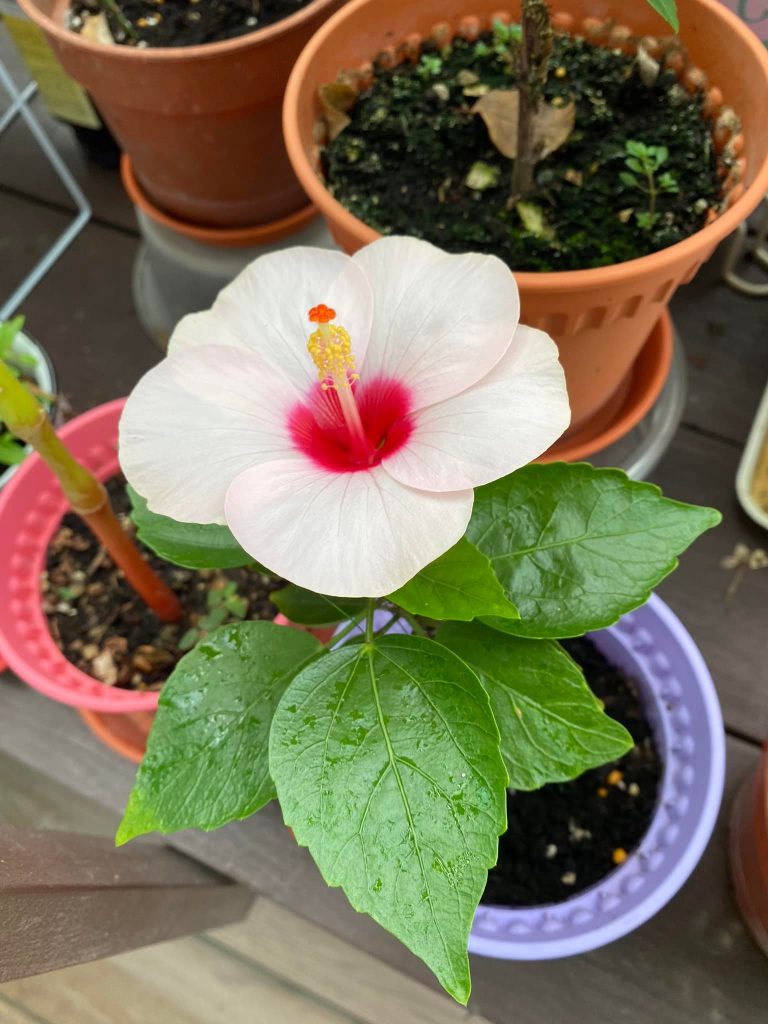
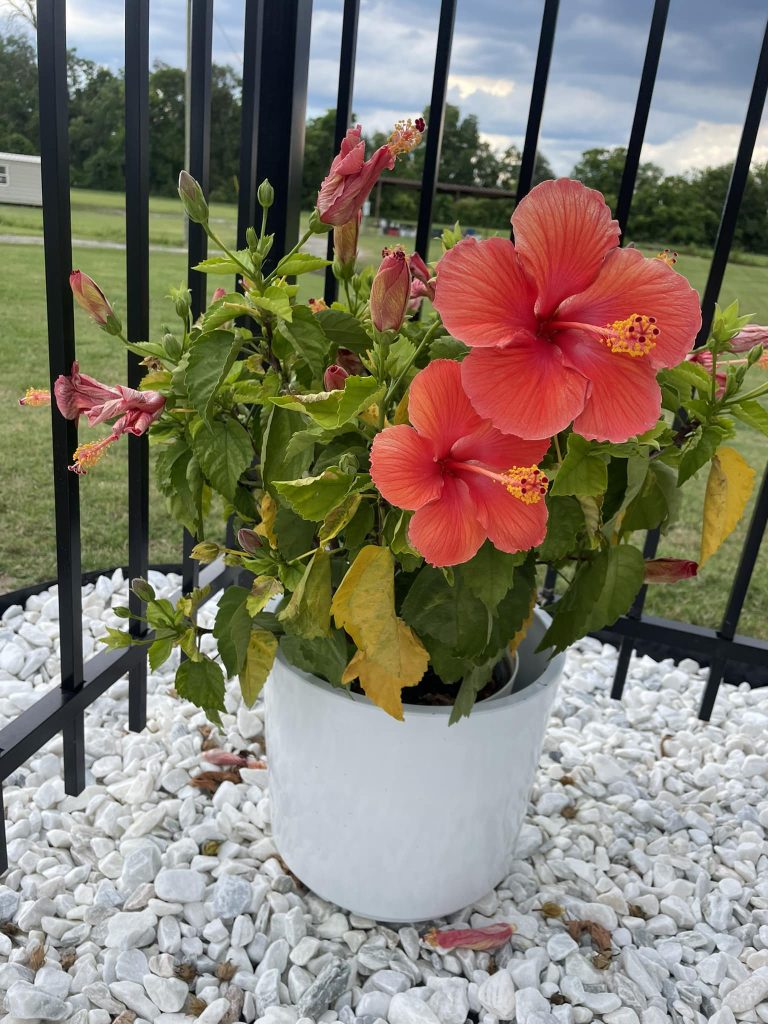
These are the divas of the hibiscus world. They love warm climates (USDA Zones 9–11) and are common in places like Florida, California, and Texas. They’re evergreen, with glossy leaves and blooms that scream tropical vacation.
Because tropical hibiscus loves warm weather, pruning is best done in early spring (March or April) before the growing season kicks into high gear. In warmer states like Florida, Texas, or Southern California, you can prune lightly throughout the year if needed.
I usually give my tropical hibiscus a light trim in late summer to keep it tidy, but the big prune happens in spring. This is when the plant starts pushing out new growth. Pruning encourages strong, healthy branches that’ll be loaded with blooms by summer.
Tip: Avoid pruning in the Fall or Winter. In cooler parts of Zones 9–11, like coastal California, a late prune can stress the plant before it faces chilly nights.
Hardy Hibiscus
Also called rose mallow, these are tough plants that thrive in Zones 5–9. They’re perfect for colder regions like the Midwest or Northeast. They die back in winter and regrow in spring. The comeback is big, often with dinner-plate-sized blooms.
Since hardy hibiscus dies back to the ground in winter, pruning is a bit different. In most of the U.S. (Zones 5–9), prune in late winter or early spring (February to March) before new shoots emerge. I’ve got a friend in Illinois who swears by this timing—her hardy hibiscus blooms like crazy every summer.
In late winter, the plant is dormant, so you’re not interrupting growth. Plus, it’s easier to see the structure without leaves. In fall, you can cut back dead stems to tidy up, but save the heavy pruning for spring.
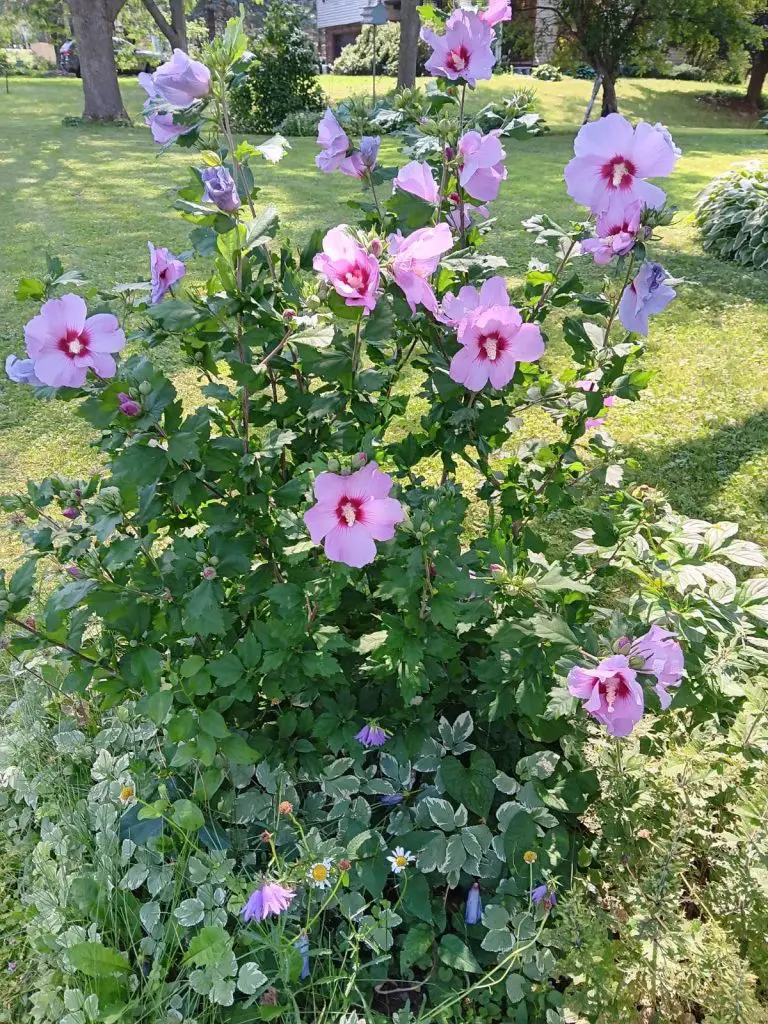
Rose of Sharon
This shrubby hibiscus is a favorite in Zones 5–8. It’s deciduous, meaning it drops its leaves in winter. This hibiscus variety is great for hedges or standalone specimens in places like Virginia or Pennsylvania.
Rose of Sharon is a bit more flexible. Prune in late winter to early spring (February to April) while it’s still dormant. This works well across Zones 5–8, from New York to Georgia. I helped my cousin in Ohio prune her Rose of Sharon last March, and by July, it was a blooming masterpiece.
Early spring sets the plant up for vigorous growth and maximizes summer blooms. You can do a light trim after the first bloom flush (around July) to encourage a second round of flowers.
Regional Considerations
America’s diverse climates mean you’ll need to tweak your timing slightly:
- Southern States (Florida, Texas, Louisiana): Prune tropical hibiscus in early spring. For hardy hibiscus or Rose of Sharon, stick to late winter.
- Northeast (New York, Massachusetts): Late winter to early spring is ideal for hardy hibiscus and Rose of Sharon to avoid frost damage.
- Midwest (Illinois, Ohio): Late winter pruning works best for hardy hibiscus and Rose of Sharon to prepare for spring growth.
- Southwest (Arizona, Nevada): Early spring pruning is key for tropical hibiscus to beat the heat. Hardy hibiscus can handle late winter cuts.
- Pacific Northwest (Washington, Oregon): Prune in early spring to avoid wet, cold snaps that could stress the plant.
If you’re unsure about your timing, check your USDA Hardiness Zone (find it at the USDA Plant Hardiness Zone Map) and align with the seasons above.
How to Prune Hibiscus: Step-by-Step Guide
Now that you know when to prune, let’s get into the how. Pruning hibiscus isn’t rocket science, but it does require some care. Here’s my step-by-step process, honed from years of experience from my own garden.
Tools You’ll Need
Before you start, gather these essentials:
- Sharp pruning shears: For clean cuts on smaller branches. I use bypass shears for precision.
- Loppers: For thicker branches, especially on Rose of Sharon.
- Pruning saw: For woody stems on older plants.
- Gloves: Hibiscus can be prickly, and gloves save your hands.
- Disinfectant: Rubbing alcohol or a bleach solution (1:10 with water) to clean tools and prevent disease spread.
Pro tip: Always disinfect your tools before and after pruning. I learned this after a fungal issue spread through my garden—yikes!
Step 1: Assess Your Hibiscus
Take a good look at your plant and identify the following:
- Dead or damaged branches (brown, brittle, or shriveled).
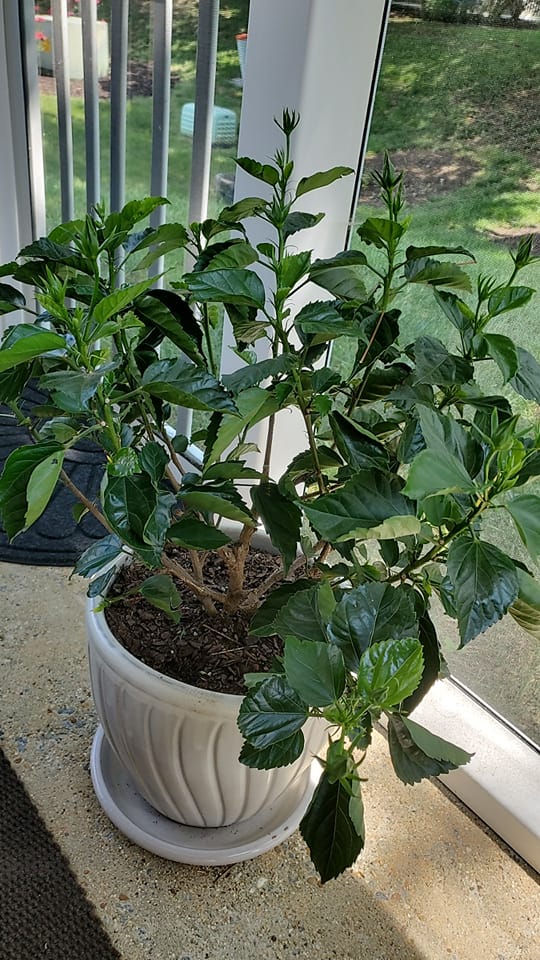
- Overcrowded areas where branches cross or rub.
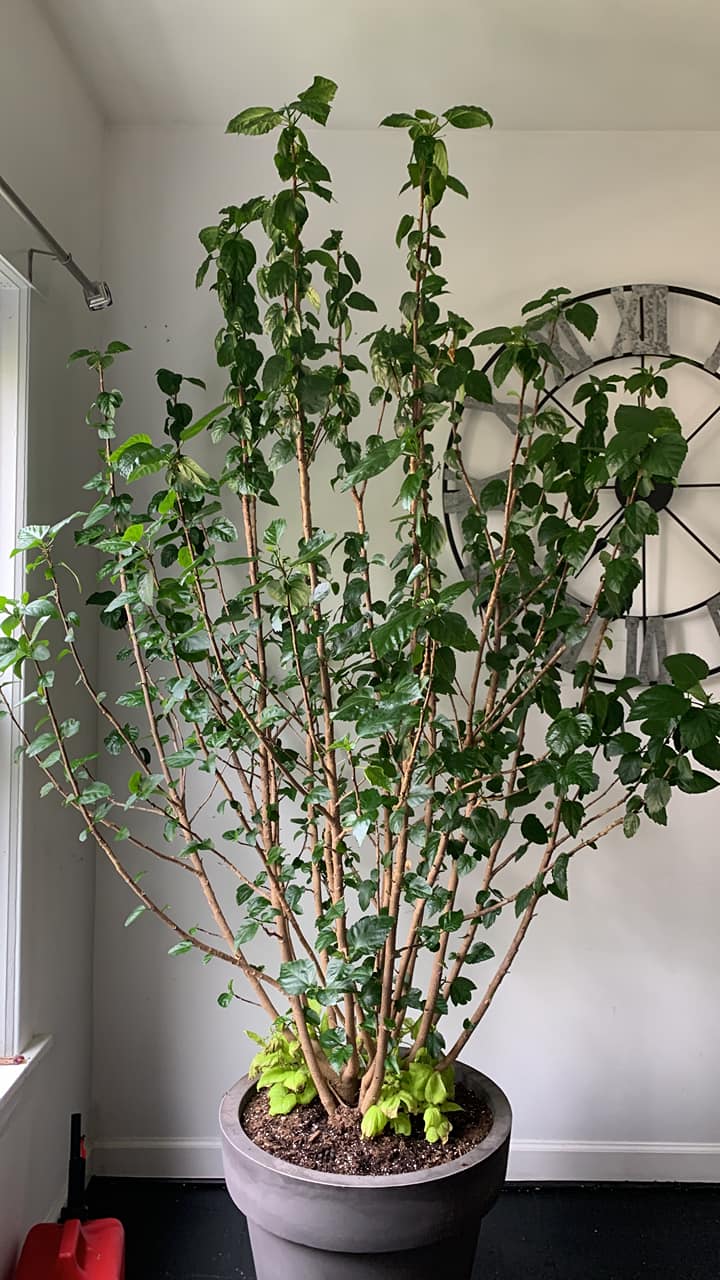
- Leggy growth that makes the plant look sparse.
- Any signs of pests or disease (yellowing leaves, spots, or webbing).
I like to step back and imagine the shape I want—compact for tropical hibiscus, open and airy for hardy hibiscus, or structured for Rose of Sharon.
Step 2: Start with Dead and Damaged Wood
Cut away any dead, damaged, or diseased branches first. Use your shears to cut back to healthy tissue or to the base of the branch. For hardy hibiscus, this might mean cutting all stems to the ground in late winter if they’ve died back.
Step 3: Shape the Plant
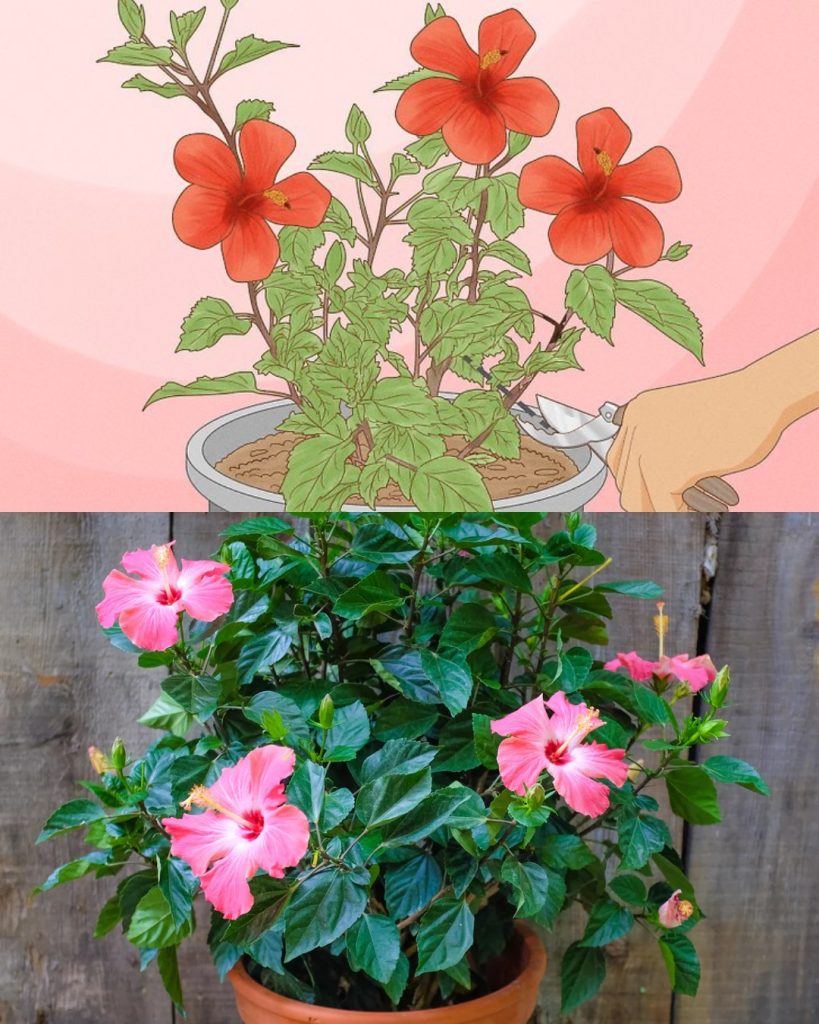
- Tropical Hibiscus: Cut back about one-third of the plant’s height to encourage bushy growth. Focus on leggy branches, cutting just above a node (where leaves or buds emerge). I usually angle my cuts at 45 degrees to promote water runoff and prevent rot.
- Hardy Hibiscus: If not cutting to the ground, trim back to 12–18 inches above the soil to encourage new shoots. Remove weak or thin stems entirely.
- Rose of Sharon: Prune to maintain a tree-like shape or hedge. Cut back to 2–3 buds per branch for a fuller look, or remove entire branches for an open structure.
Step 4: Thin for Airflow
Remove crowded branches to improve air circulation. This is especially important in humid areas like the Southeast, where fungal diseases thrive. I aim to open up the center of the plant, letting light and air reach all parts.
Step 5: Clean Up and Check
Remove all clippings from around the plant to prevent pests or diseases. Step back and check your work. If it looks uneven, make small tweaks, but don’t overdo it—less is more with hibiscus.
Step 6: Post-Pruning Care
After pruning, give your hibiscus some reward:
- Water: Give it a good soak to reduce stress.
- Fertilize: Use a balanced fertilizer (10-10-10) to boost growth. I apply a slow-release fertilizer in spring.
- Mulch: Add a 2-inch layer of mulch around the base to retain moisture, especially in hot climates like Arizona.
Common Pruning Mistakes to Avoid
I’ve made my fair share of pruning blunders, so let me save you some heartache:
- Pruning too late: Cutting in late summer or fall can reduce blooms or stress the plant before winter.
- Over-pruning: Taking off more than one-third of a tropical hibiscus can shock it. For hardy hibiscus, cutting below 12 inches may weaken regrowth.
- Dull tools: Blunt shears tear branches, inviting disease. Keep them sharp!
- Ignoring disease: If you see black spots or wilting, don’t just prune and hope for the best. Treat with a fungicide and disinfect tools.
Seasonal Pruning Calendar for Hibiscus
Here’s a quick reference for pruning across the year, tailored to American gardens:
| Month | Tropical Hibiscus | Hardy Hibiscus | Rose of Sharon |
| January | Avoid pruning | Cut back dead stems | Light clean-up |
| February | Light clean-up | Major prune | Major prune |
| March | Major prune | Major prune | Major prune |
| April | Major prune | Light shaping | Light shaping |
| May–July | Light shaping | Avoid pruning | Light shaping |
| August | Light shaping | Avoid pruning | Light shaping |
| September–December | Avoid pruning | Cut back dead stems | Avoid pruning |
Troubleshooting Common Pruning Issues
Even with the best intentions, things can go wrong. Here’s how to handle common problems:
- No blooms after pruning: You might have pruned too late or too heavily. Ensure you’re fertilizing and pruning at the right time next season.
- Yellowing leaves: This could be stress from over-pruning or poor drainage. Check soil and reduce watering if soggy.
- Pests after pruning: Open cuts can attract pests like aphids. Spray with neem oil and keep the area clean.
Environmental Benefits of Pruning Hibiscus
Pruning isn’t just good for your plant—it’s good for the planet. Healthy hibiscus plants attract pollinators like bees and butterflies, supporting local ecosystems. In urban American gardens, they provide shade and reduce heat islands.
Plus, proper pruning reduces the need for chemical pest control, keeping your garden eco-friendly.
Suggested For You:
4 Methods of Propagating Hibiscus + Success Tips
6 Reasons Hibiscus Leaves are Curling + How to Fix Fast
10 Reasons Your Hibiscus is Not Blooming + How to Fix
10 Common Hibiscus Problems: Identification + Troubleshooting Tips
Battling Aphid Problem on Hibiscus in Colorado: Your Ultimate Guide to Saving Your Blooms
Final thoughts
Pruning your hibiscus is like giving it a fresh start. With the right timing, tools, and techniques, you’ll have a plant that’s healthy, shapely, and bursting with blooms. I hope my tips (and a few of my own pruning mishaps) inspire you to grab those shears and get to work..
References
- University of Florida IFAS Extension. “Hibiscus: Pruning and Care.” https://edis.ifas.ufl.edu/publication/MG247
- Missouri Botanical Garden. “Hibiscus syriacus.” http://www.missouribotanicalgarden.org/PlantFinder/PlantFinderDetails.aspx?taxonid=281393
- Clemson University Cooperative Extension. “Hibiscus.” https://hgic.clemson.edu/factsheet/hibiscus/
- Texas A&M AgriLife Extension. “Growing Hibiscus in Texas.” https://agrilifeextension.tamu.edu/library/landscaping/hibiscus/
- USDA Plant Hardiness Zone Map. https://planthardiness.ars.usda.gov/
- American Horticultural Society. “Pruning Shrubs and Trees.” https://ahsgardening.org/gardening-resources/pruning/

Tim M Dave is a gardening expert with a passion for houseplants, particularly cacti and succulents. With a degree in plant biology from the University of California, Berkeley, he has vast experience in gardening. Over the years, he has cultivated a vast collection of desert plants and learned a great deal about how to grow and care for these unique companions.