Prairie Fire Crabapple Tree Pros and Cons: What You Should Know Before Planting
The Prairie Fire crabapple (Malus ‘Prairifire’) is a cultivated variety of the ornamental crabapple, developed specifically for disease resistance and year-round visual appeal.
It was introduced by Dr. Daniel Dayton at the University of Illinois in 1982 as part of a long-running breeding program aimed at reducing the disease problems that plagued older crabapple varieties.
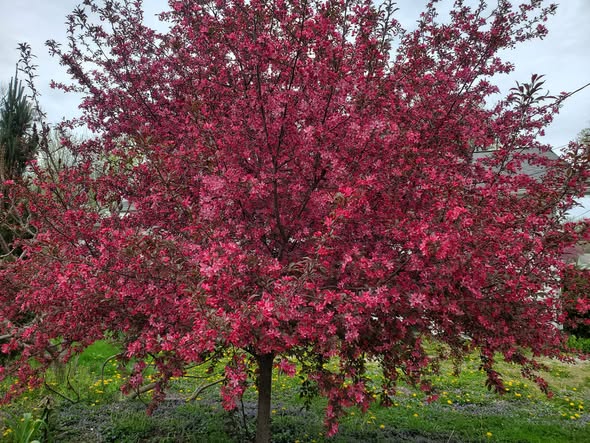
What makes it stand apart is its multi-season performance. In spring, it erupts into vivid reddish-pink bloom. Through summer, its dark, bronze-green foliage holds color well. In autumn, it turns to warm orange and red.
And in winter, clusters of tiny dark-red fruits — called persistent fruits — cling to the branches, feeding birds and adding structure to the bare landscape.
It is compact enough for small yards, tough enough for cold climates, and showy enough to serve as the centerpiece of any landscape design. Frankly, it checks more boxes than most ornamental trees at a similar size.
This article covers everything you need — from growth habits and seasonal interest to disease resistance, maintenance demands, and honest downsides — so you can make a well-informed decision.
| Botanical Name | Malus ‘Prairifire’ |
| Common Name | Prairie Fire Crabapple |
| Plant Type | Deciduous ornamental tree |
| Mature Height | 15–20 feet (4.5–6 m) |
| Mature Spread | 15–20 feet (4.5–6 m) |
| Growth Rate | Moderate — about 12–18 inches per year |
| USDA Hardiness Zones | 3b – 8a |
| Flower Color | Deep pinkish-red to magenta |
| Bloom Time | Mid-spring (April–May) |
| Fruit Color | Dark red to purplish-red |
| Fruit Size | Approximately ½ inch in diameter |
| Foliage Color | Reddish-purple (spring), bronze-green (summer), orange-red (fall) |
| Sun Requirements | Full sun (minimum 6 hours daily) |
| Soil Preference | Well-drained, adaptable to varied pH |
| Water Needs | Moderate; drought-tolerant once established |
| Disease Resistance | High — particularly resistant to apple scab and fire blight |
| Wildlife Value | High — attracts birds, bees, and butterflies |
| Lifespan | 30–70 years with proper care |
| Toxicity | Seeds contain cyanogenic compounds — mildly toxic if consumed in large quantities |
Pros of the Prairie Fire Crabapple Tree
Few ornamental trees command attention the way this one does, and yet, like any living thing, it comes with trade-offs worth knowing before you dig that first hole.
1. Exceptional Spring Flowering Display
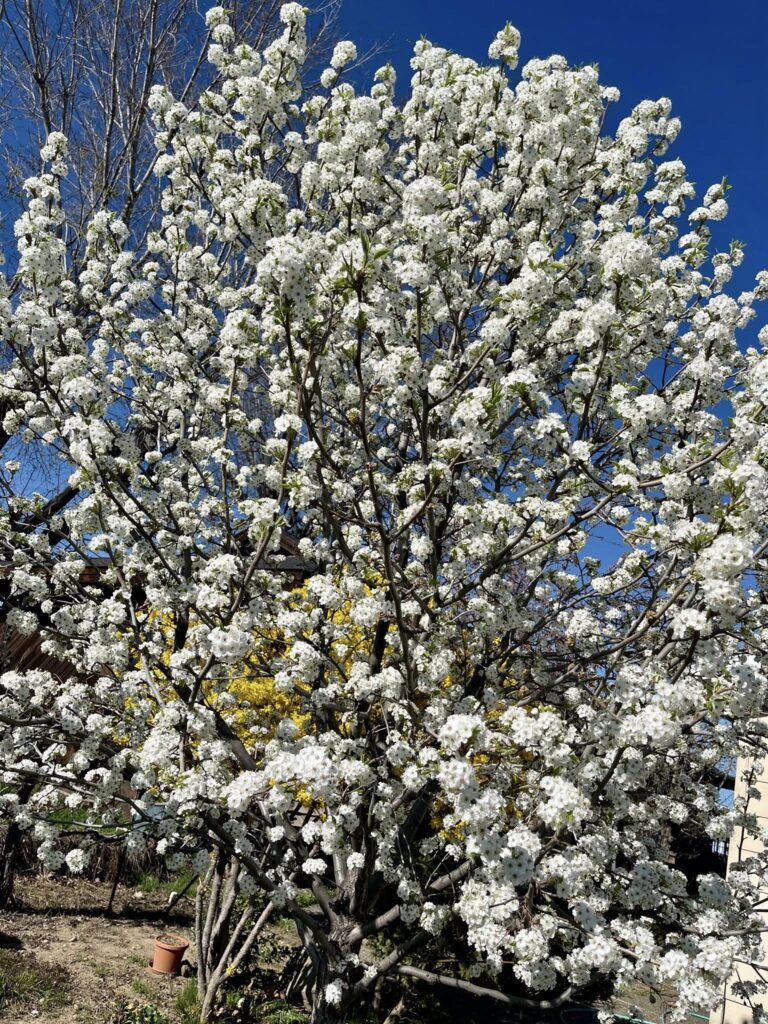
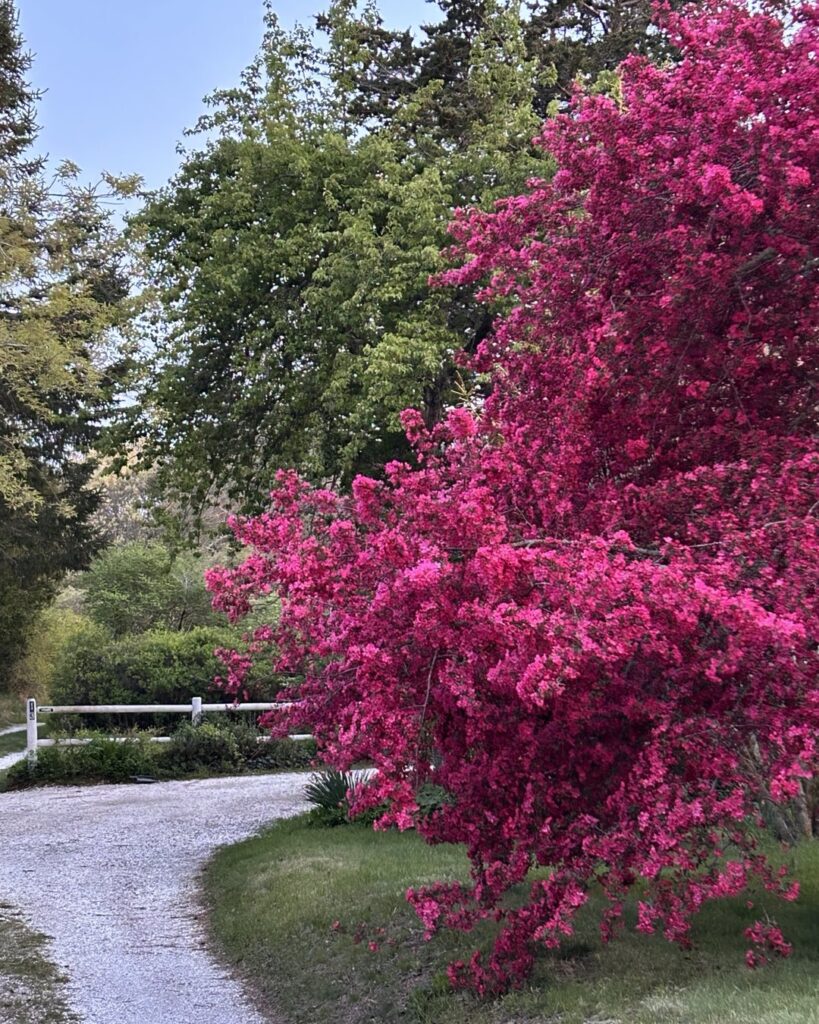
The blooms are the main event. In mid-spring, the Prairie Fire produces an abundance of deep pink to crimson flowers that cover the entire canopy before the leaves fully emerge. The effect is nothing short of spectacular — the tree looks almost like it is on fire, which explains the name.
The flowers last two to three weeks, depending on temperatures. They are also mildly fragrant, which adds another layer of sensory interest. For gardeners who want high visual impact in spring, few trees compete at this size.
2. Outstanding Disease Resistance
This is arguably the most practical advantage of the Prairie Fire variety. Older crabapple cultivars were notorious for three diseases: apple scab (Venturia inaequalis), fire blight (Erwinia amylovora), and cedar-apple rust (Gymnosporangium juniperi-virginianae). These diseases would cause significant defoliation by midsummer, leaving trees looking ragged and stressed.
Prairie Fire was specifically bred to resist all three. University trials have consistently rated it as having excellent to very good resistance across these major pathogens. This dramatically reduces the need for fungicide sprays and general maintenance headaches.
For a homeowner who does not want to manage a spray schedule — this resistance alone is a compelling reason to choose Prairie Fire over other varieties.
3. Year-Round Ornamental Interest
Most flowering trees offer one season of interest. Prairie Fire offers four.
- Spring: Deep pink-red blossoms covering the canopy
- Summer: Rich bronze-green to dark green foliage with purple undertones
- Autumn: Foliage shifts to orange and red tones
- Winter: Persistent ½-inch dark red fruits remain on branches, providing food for birds and visual interest against snow
Very few small ornamental trees can match this kind of consistent seasonal contribution to a landscape.
4. Wildlife Benefits
Prairie Fire crabapple is a valuable tree for local ecosystems.
For pollinators: The flowers attract native bees, honeybees, and butterflies. During bloom time, a Prairie Fire tree in full flower is genuinely buzzing with activity — something worth watching on a warm April morning.
For birds: The persistent small fruits are eaten by robins, cedar waxwings, mockingbirds, and several other species through fall and winter, when food sources become scarce. Planting one is a meaningful contribution to local wildlife habitat.
5. Compact, Manageable Size
At 15–20 feet tall and wide at maturity, Prairie Fire fits comfortably in smaller urban and suburban landscapes. It works well as a specimen tree, a focal point in a border, or planted in groupings along a driveway or property line.
Many ornamental trees outgrow their intended space within a decade. Prairie Fire’s moderate growth rate and predictable mature size make planning easier and reduce the need for aggressive pruning.
6. Wide Cold-Hardiness Range
Prairie Fire grows well in USDA hardiness zones 3b through 8a. That is a remarkably wide range, covering much of the continental United States and southern Canada. Whether you are gardening in Minnesota winters or Georgia summers, this tree can adapt — though it does prefer climates with distinct seasons.
7. Adaptability to Various Soil Types
Prairie Fire is not fussy about soil chemistry. It tolerates clay soils, loamy soils, and sandy soils. It handles slightly acidic to slightly alkaline conditions. The one non-negotiable requirement is drainage — like all crabapples, it does not thrive in waterlogged soil.
Once established, it also shows reasonable drought tolerance, making it a sensible choice for landscapes where supplemental irrigation is limited.
8. Low Fertilization Needs
Established Prairie Fire trees rarely need fertilizing. A light application of balanced fertilizer in early spring may support young trees in their first two to three years, but after that, healthy soil biology typically supplies what the tree needs. This makes long-term maintenance genuinely low-effort compared to many other ornamentals.
9. Striking Foliage Color Through Summer
Unlike most crabapples that fade to plain green by summer, Prairie Fire retains a notable reddish-purple to bronze-green leaf color well into the season. This makes it visually useful even outside of bloom time — something that matters a lot in landscape design when you want a tree to anchor a planting bed through the full growing season.
10. Proven Track Record
Prairie Fire has been in cultivation for over 40 years. It has been trialed extensively by universities, arboreta, and public gardens across North America. That longevity in commercial horticulture means its behavior is well-documented and predictable — a real advantage when you are investing in a tree that will be in your landscape for decades.
Cons of the Prairie Fire Crabapple Tree
Honesty matters here. Prairie Fire is an excellent tree, but it is not perfect. Knowing its limitations helps you set realistic expectations and plan accordingly.
1. Short Bloom Period
The flowering display, while magnificent, only lasts two to three weeks. If you are expecting an extended bloom season, this tree will disappoint. Weather plays a role too — a spell of warm temperatures can compress the bloom period to as little as ten days.
For gardeners who want long-season color, Prairie Fire is better used as a single striking event within a broader planting scheme that includes other bloomers before and after.
2. Fruit Drop Can Be Messy
Prairie Fire produces small, ½-inch fruits in abundance. While these are ornamentally attractive and valuable to wildlife, they do drop. Fallen fruit can create slippery conditions on sidewalks and patios if the tree is planted too close to hard surfaces.
Birds and wildlife will consume much of the fruit through winter, but in locations with fewer visiting birds, cleanup may be necessary in late winter or spring.
If you plan to plant near a walkway, driveway, or patio, position the tree far enough away that falling fruit is not a practical problem — generally at least 10–15 feet.
3. Not Truly Edible
While the fruit is technically edible and has been used in jellies and preserves, Prairie Fire crabapples are quite tart and small. Most people find them unpleasant to eat raw.
More importantly, the seeds contain cyanogenic glycosides, compounds that are mildly toxic if consumed in significant quantities — though this is unlikely to occur from casual contact.
If you have young children or pets who might ingest fruit from the ground, this is worth being aware of, even though toxicity from normal exposure is generally low.
4. Susceptibility to Some Pests
Despite its strong disease resistance, Prairie Fire is not immune to insect pests. Aphids, scale insects, and tent caterpillars can colonize the tree, particularly when it is under stress from drought or poor siting. Japanese beetles may also feed on the foliage in regions where that pest is established.
Routine monitoring, particularly in spring and early summer, allows for early intervention before pest populations grow problematic.
5. Requires Full Sun
Prairie Fire does not perform well in shade. It needs a minimum of six hours of direct sunlight daily to bloom properly, maintain its foliage color, and resist disease. Trees planted in partial shade tend to have fewer flowers, lose their foliage color, and become more susceptible to fungal problems.
For gardeners with heavily shaded yards, this tree is not the right fit.
6. Root Competition Can Limit Underplanting
Like many ornamental trees, Prairie Fire develops a moderately competitive root system. Underplanting with turf grass directly beneath the canopy often results in thin, struggling grass — both the tree and the grass are competing for the same water and nutrients.
Mulching beneath the canopy or using shade-tolerant groundcovers is a better strategy than attempting a lawn beneath the drip line.
7. Young Trees Require Proper Establishment Care
Prairie Fire is resilient once established, but young trees — particularly in the first two to three growing seasons — need consistent moisture. During prolonged dry spells, supplemental watering is important to prevent stress.
Gardeners who expect a “plant it and forget it” experience may be disappointed if they neglect the establishment phase.
8. Not Suitable for Very Hot, Dry Climates
While Prairie Fire tolerates heat reasonably well within its recommended zone range, it does not perform at its best in climates with very long, hot summers and dry conditions — such as parts of the Southwest or deep South. In zones 8b and warmer, other ornamental trees may be better adapted.
9. Potential for Surface Roots with Age
In compacted soils or where planting sites are restricted, Prairie Fire — like many crabapples — can develop surface roots as the tree matures. These can be a nuisance in lawn areas and can make mowing difficult. Proper siting with adequate soil volume reduces this problem significantly.
Ideal Growing Conditions: Getting It Right from the Start
Site selection is the single most important decision with this tree. Choose a location with:
- Full sun — at least 6 hours daily, more is better
- Well-drained soil — avoid low-lying areas where water pools after rain
- Adequate space — allow for a 20-foot spread at maturity; do not plant under power lines or too close to structures
- Good air circulation — this reduces humidity around the foliage and further limits fungal pressure
Planting depth matters. The root flare — where the trunk begins to widen at the base — should sit at or just above ground level. Planting too deep is a common mistake that causes long-term decline in many ornamental trees.
Apply a 3-inch layer of organic mulch in a ring around the tree, starting several inches away from the trunk and extending to the drip line. This conserves moisture, moderates soil temperature, and reduces competition from grass.
Pruning the Prairie Fire Crabapple
Prairie Fire has a naturally attractive, rounded form and does not require heavy pruning. However, some routine pruning improves structure and long-term health:
- Remove dead, damaged, or crossing branches in late winter, before bud break
- Prune suckers — vigorous upright shoots arising from the base or rootstock — promptly when they appear
- Thin the canopy modestly if it becomes very dense, to improve air circulation
- Avoid heavy pruning in summer, which can stimulate soft new growth susceptible to fire blight
Always use clean, sharp tools. Disinfecting pruning blades between cuts is a sensible precaution during fire blight season in susceptible regions.
Prairie Fire Crabapple vs. Other Popular Cultivars
It is worth placing Prairie Fire in context alongside other commonly planted crabapple varieties:
| Cultivar | Height | Disease Resistance | Flower Color |
| Prairie Fire | 15–20 ft | Excellent | Deep pink-red |
| Royal Raindrops | 15–20 ft | Excellent | Pinkish-purple |
| Brandywine | 15–20 ft | Good | Double pink |
| Adirondack | 10–12 ft | Excellent | White |
| Sugar Tyme | 15–18 ft | Excellent | White |
| Louisa | 10–15 ft | Good | Pink (weeping) |
Prairie Fire occupies a strong middle ground — disease-resistant, showy, and wildlife-friendly — without being the absolute best in any single category. Its combination of traits across the board is what makes it so widely recommended.
Common Questions About Prairie Fire Crabapple
How fast does a Prairie Fire crabapple grow? Expect approximately 12–18 inches of growth per year under good conditions. It reaches its mature size of 15–20 feet within 10–15 years.
Does Prairie Fire crabapple fruit attract deer? Yes. Deer will browse the fallen fruit and may occasionally nibble young foliage. In high-deer-pressure areas, temporary fencing around young trees during establishment is sensible.
Can you plant Prairie Fire near a vegetable garden? This is worth considering carefully. Crabapples are members of the Rosaceae family and share some disease hosts with apples. Cedar-apple rust, in particular, can cycle between crabapples and junipers. Planting crabapples near vegetable gardens is generally fine, but proximity to susceptible ornamental junipers is worth avoiding.
How long does Prairie Fire crabapple live? With proper siting and care, 30–70 years is a realistic lifespan. Some crabapples in favorable conditions live longer.
Also Read: 10 Common Crabapple Tree Problems and How to Fix Them
Final Thoughts: Is Prairie Fire the Right Tree for You?
If I had to summarize Prairie Fire in one sentence, it would be this: it is one of the best-rounded ornamental trees available for temperate North American gardens.
Its disease resistance alone removes the most frustrating aspect of growing crabapples. Its four-season interest makes it earn its space in the landscape every month of the year. And its wildlife value adds a dimension that purely decorative trees cannot offer.
The downsides — short bloom period, fruit mess near paved surfaces, and full-sun requirements — are real but manageable with thoughtful planning. They are not reasons to avoid the tree; they are reasons to site it carefully.
For most homeowners with a sunny spot and adequate space, Prairie Fire crabapple deserves serious consideration. It is a tree that rewards patience with decades of reliable, beautiful performance.

Tim M Dave is a gardening expert with a passion for houseplants, particularly cacti and succulents. With a degree in plant biology from the University of California, Berkeley, he has vast experience in gardening. Over the years, he has cultivated a vast collection of desert plants and learned a great deal about how to grow and care for these unique companions.