9 Reasons Your Pothos Leaves are Turning Yellow + How to Fix
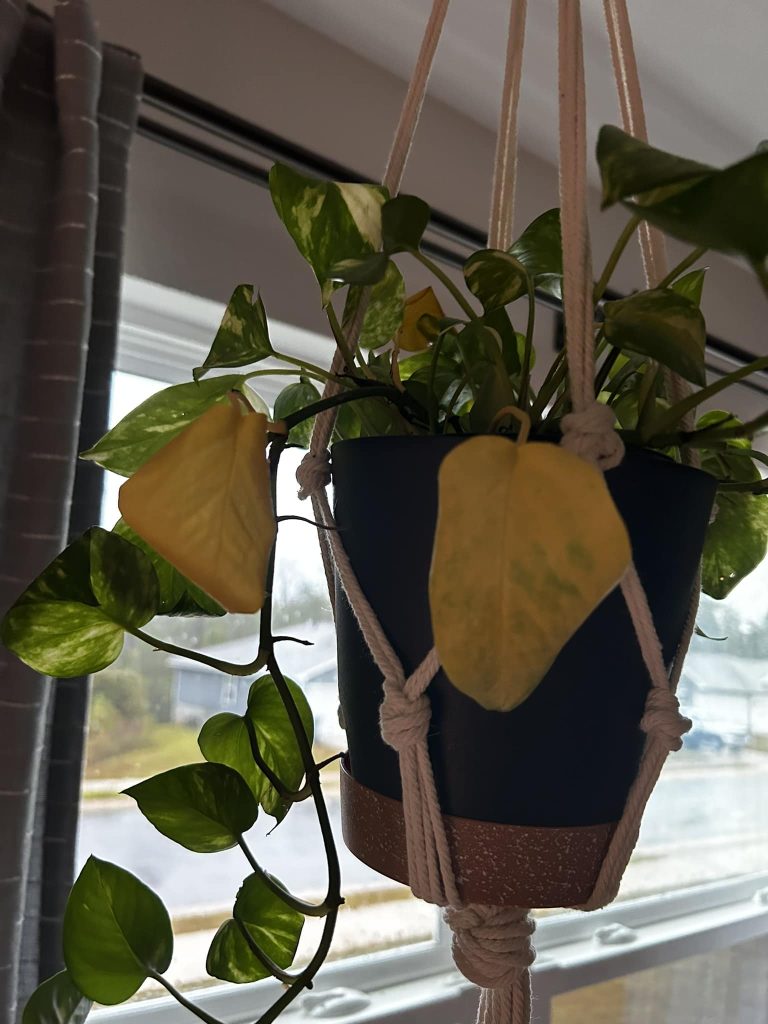
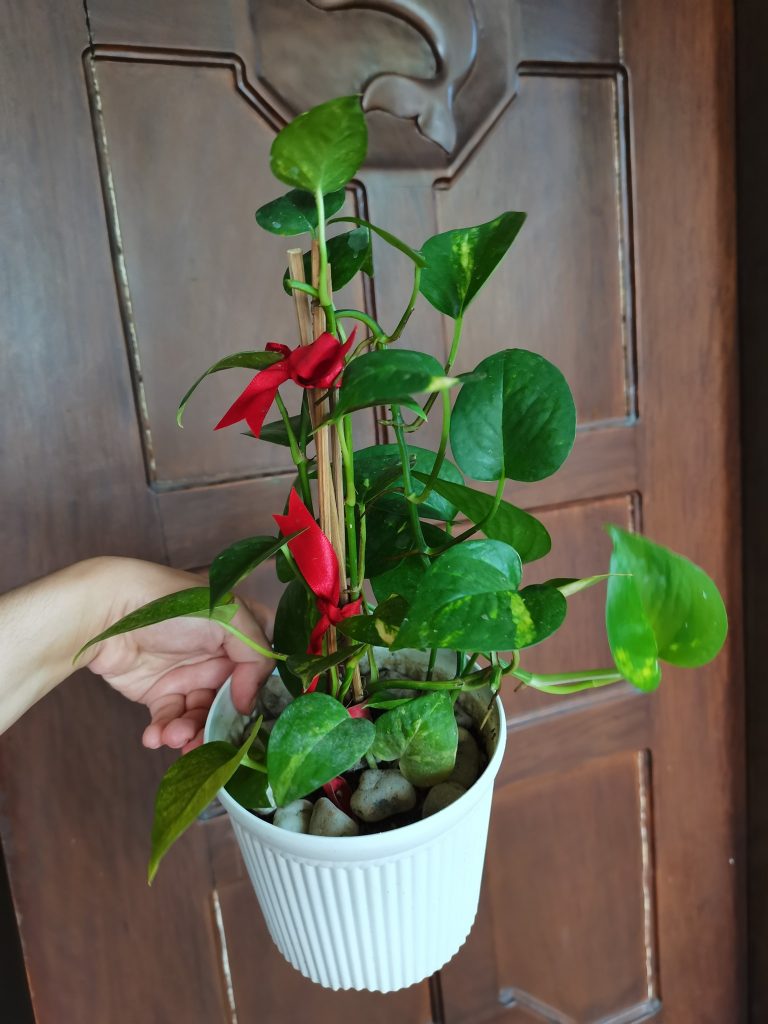
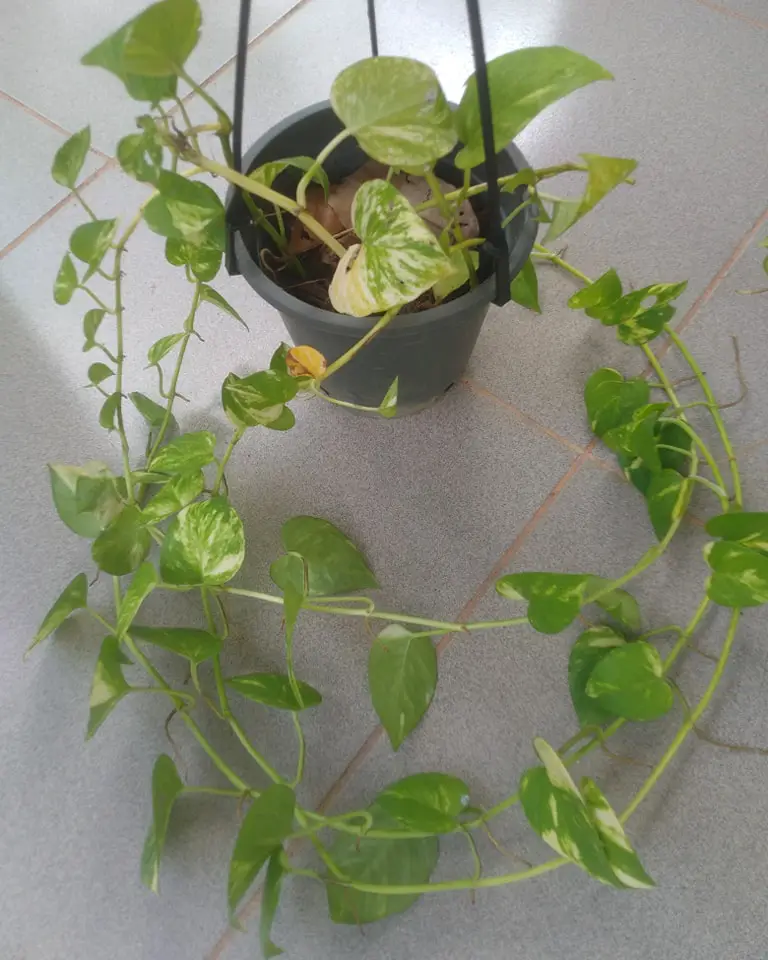
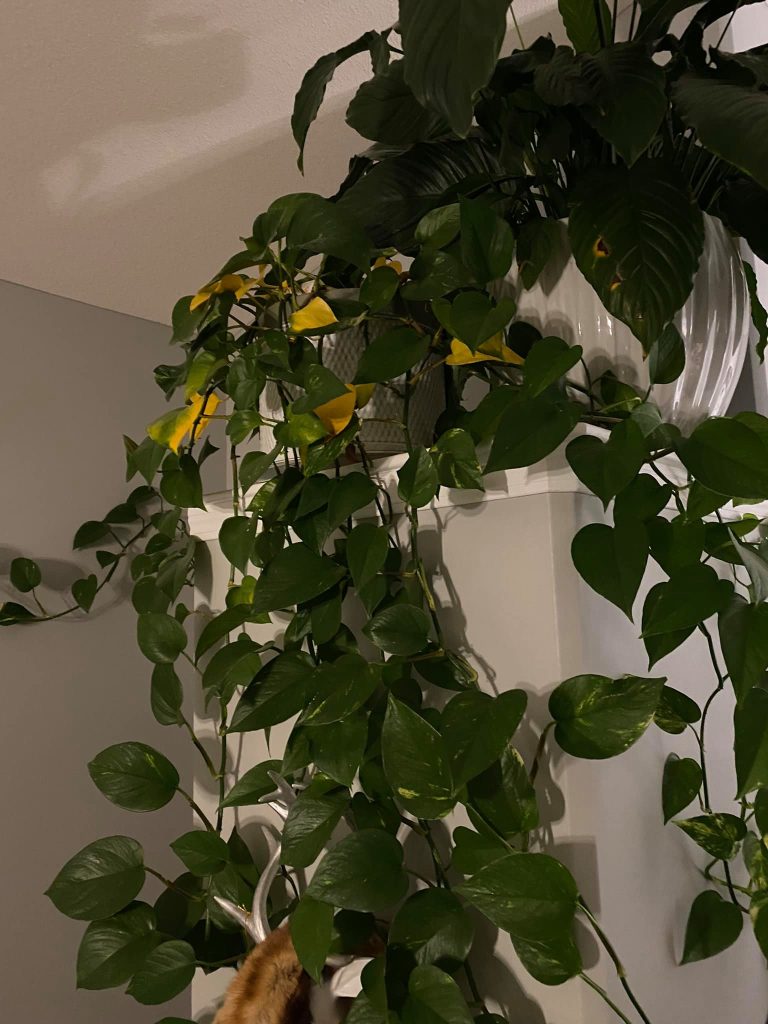
Pothos, often called devil’s ivy, is a lovely plant, and it’s hard to find them missing in most American homes. Their lush, heart-shaped leaves and easy-care nature make them a go-to for beginners and seasoned plant parents alike. But when those vibrant green leaves start turning yellow, it’s a sign that something is off.
The good news? Most causes are fixable with simple tweaks. In this guide, I’ll walk you through why your pothos leaves are turning yellow and share actionable steps to revive your plant. Let’s dive in!
Why Are My Pothos Leaves Turning Yellow?
Yellowing leaves can feel like a mystery, but they’re your pothos’s way of saying, “Hey, I’m not happy!” Below are the most common reasons your pothos leaves are turning yellow, based on my own experience and insights from plant experts.
1. Overwatering: The Silent Plant Killer
Overwatering is the number one reason pothos leaves turn yellow. I learned this the hard way when I drowned my first pothos with too much love. In American homes, where we often keep plants in decorative pots without drainage, water can pool at the bottom, suffocating the roots.
Pothos prefers to dry out between waterings. In homes with low light or cooler temperatures (like during a Chicago winter), the soil stays wet longer, leading to root damage. Overwatered roots can’t absorb nutrients, causing leaves to yellow.
Signs of Overwatering:
- Yellow leaves, especially at the base.
- Soggy, mushy soil that smells bad.
- Wilting despite wet soil.
How to fix
- Check the soil: Stick your finger an inch into the soil. If it’s wet, hold off watering. Let the top 1-2 inches dry out before watering again.
- Improve drainage: Use a pot with drainage holes. I switched to a terracotta pot, and it made a huge difference. Add a layer of pebbles at the bottom for extra drainage.
- Water less frequently: In winter or low-light homes, water every 10-14 days. In sunny, warm homes, every 7-10 days is enough.
2. Underwatering: When Your Pothos Is Thirsty
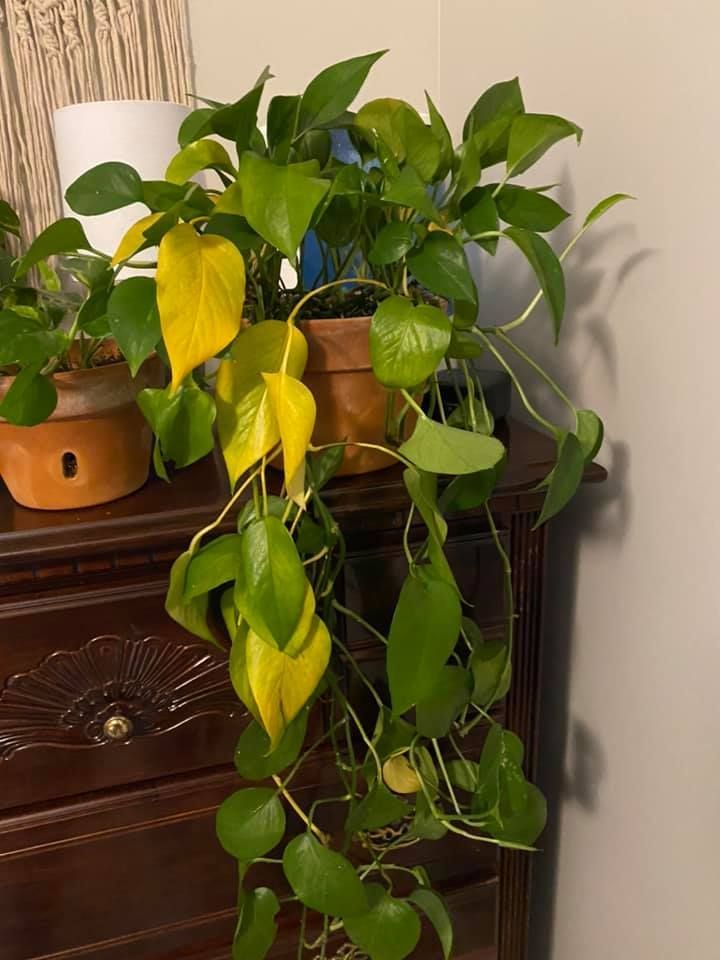
On the flip side, underwatering can also cause yellow leaves. I’ve been guilty of forgetting my pothos for weeks, especially during busy times. In dry climates like California or heated homes in Minnesota, pothos can dry out fast.
Pothos needs consistent moisture. If the soil is bone-dry for too long, the plant stresses, and leaves turn yellow as it conserves energy.
Signs of Underwatering:
- Yellow, crispy leaves that drop easily.
- Dry, pulling-away-from-the-pot soil.
- Droopy vines.
How to fix
- Water Thoroughly: Water until it drains out the bottom, but don’t let the pot sit in water. I use a saucer to catch excess and empty it after 30 minutes.
- Set a schedule: Check soil weekly. If it’s dry, give your pothos a good drink.
- Mist occasionally: In dry climates like Arizona, misting leaves can help, but don’t
3. Improper Lighting: Too Much or Too Little
Lighting is tricky. My pothos sat on a sunny windowsill in my Seattle apartment, and I noticed yellowing leaves with brown, crispy edges. Too much direct sun was the culprit. Conversely, in a dim corner of my friend’s Boston apartment, her pothos turned pale and yellow from too little light.
Pothos loves bright, indirect light. Direct sunlight burns the leaves, while low light starves the plant of energy for photosynthesis. American homes vary widely in lighting—southern-facing windows in Texas can be intense, while northern exposures in Maine might be too dim.
Signs of Lighting Issues:
- Too much light: Yellow leaves with brown, scorched spots.
- Too little light: Pale, yellow leaves and leggy growth.
How to fix
- Find the sweet spot: Place your pothos in bright, indirect light. A north or east-facing window is ideal in most American homes. In sunny states like Florida, use a sheer curtain to filter direct sun.
- Fix low light: If your pothos is in a dim corner, move it closer to a window or add a grow light. I use a small LED grow light for my pothos in winter, and it’s a game-changer.
- Avoid direct sun: If leaves are scorched, move the plant away from south or west-facing windows. Rotate the pot weekly for even light exposure.
4. Nutrient Deficiencies: Starving Your Pothos
Pothos isn’t a heavy feeder, but it needs nutrients to stay vibrant. I noticed my plant’s leaves turning yellow after years in the same pot. The soil was depleted, and my pothos was hungry.
Why does this happen? Over time, potting soil loses nutrients. If you haven’t fertilized or repotted in a while, your pothos may lack nitrogen, potassium, or magnesium—key players in leaf health.
Signs of Nutrient Deficiency:
- Yellowing leaves, especially older ones.
- Slow growth or small, pale leaves.
How to fix
- Fertilize monthly: Use a balanced, water-soluble fertilizer (like 20-20-20) diluted to half strength during spring and summer. I fertilize my pothos every 4-6 weeks, and it stays lush.
- Avoid overfeeding: Too much fertilizer can burn roots, causing yellow leaves. Skip fertilizer in fall and winter when growth slows.
- Repot with fresh soil: If your pothos hasn’t been repotted in 1-2 years, use a fresh potting mix with perlite for drainage. I repotted mine last spring, and the new growth is vibrant.
5. Pests: Unwanted Guests
Pests are the worst. I once found tiny webs on my pothos and realized spider mites had moved in. In American homes, pests like spider mites, mealybugs, and scale can sneak in, especially if you bring plants indoors from a patio or nursery.
Pests thrive in warm, dry conditions—like heated homes in winter. They suck sap from leaves, weakening the plant and causing yellowing.
Signs of Pests:
- Yellow, stippled leaves.
- Tiny bugs, webs, or sticky residue on leaves.
- Leaves curling or dropping.
How to fix
- Inspect regularly: Check leaves (especially undersides) for bugs or webs. I use a magnifying glass to spot tiny pests like spider mites.
- Treat pests: Wipe leaves with a damp cloth dipped in soapy water (1 tsp dish soap per liter of water). For stubborn pests, use neem oil or insecticidal soap. I spray neem oil weekly for 2-3 weeks to clear infestations.
- Isolate the plant: Keep infested pothos away from other houseplants to prevent spreading. I learned this after my spider mites jumped to a nearby fern.
6. Root Rot: A Hidden Culprit
Root rot is a sneaky problem. I discovered it when I repotted a struggling pothos and found black, mushy roots. It’s often tied to overwatering but can also happen in poorly draining soil.
Fungi like Pythium or Rhizoctonia thrive in wet, compacted soil, attacking roots and cutting off nutrient flow. This is common in pots without drainage holes, a popular choice in stylish American homes.
Signs of Root Rot:
- Yellow leaves that drop easily.
- Foul-smelling soil or roots.
- Stunted growth.
How to fix
- Check the roots: Gently remove the plant from its pot. Healthy roots are white and firm; black or mushy roots indicate rot. I had to cut away half my pothos’s roots once, but it bounced back.
- Trim damaged roots: Use sterilized scissors to cut away rotten roots. Repot in fresh, well-draining soil.
- Prevent future rot: Use a pot with drainage holes and a mix of potting soil with perlite or orchid bark. Water only when the soil is dry.
7. Temperature and Humidity Stress
Pothos is tropical, but American homes aren’t always jungle-like. I noticed my pothos yellowing near a drafty window during a cold winter. Low humidity in dry climates like Nevada can also stress the plant.
Pothos prefers temperatures between 65-85°F and moderate humidity. Cold drafts or dry air from heaters can shock the plant, leading to yellow leaves.
Signs of Temperature/Humidity Stress:
- Yellow leaves near vents or windows.
- Dry, curling leaves in low humidity.
How to fix
- Maintain the right temperature: Keep your pothos between 65-85°F. Move it away from drafty windows or heating vents. In cold climates like Michigan, I keep my pothos away from windows in winter.
- Boost humidity: In dry areas, place a humidity tray (a tray with pebbles and water) under the pot or use a humidifier. I got a small humidifier for my apartment, and my pothos loves it.
- Avoid sudden changes: Don’t move your pothos from a warm room to a cold porch. Gradual changes prevent stress.
8. Natural Aging: Is It Just Old Age?
Sometimes, yellow leaves are normal. My oldest pothos occasionally drops a yellow leaf or two at the base, and I’ve learned not to panic. Older leaves naturally turn yellow and fall as the plant focuses energy on new growth.
So, it’s good to know that, as pothos matures, it sheds older leaves to conserve resources. This is common in healthy plants and not a cause for alarm unless widespread.
Signs of Natural Aging:
- A few yellow leaves at the base of the plant.
- Otherwise healthy growth.
How to fix
- Trim the yellow leaves: Use clean scissors to cut off yellow leaves at the base of the stem. This encourages new growth and improves appearance. I prune my pothos monthly to keep it tidy.
- Propagate cuttings: Healthy cuttings can be rooted in water or soil to grow new plants. I’ve propagated dozens of pothos babies this way!
- Clean the leaves: Dust on leaves blocks light. Wipe them gently with a damp cloth to keep them shiny and healthy.
9. Poor Soil or Potting Issues
The wrong soil or pot can spell trouble. I once used heavy garden soil for my pothos, and it compacted, causing yellow leaves. In American homes, where we often prioritize aesthetics, pots without drainage or poor soil mixes are common culprits.
Pothos needs well-draining, airy soil. Heavy or compacted soil traps water, leading to root issues and yellowing leaves.
Signs of Soil/Potting Issues:
- Yellow leaves with soggy or compacted soil.
- Slow drainage or water pooling.
How to fix
- Repot Every 1-2 years: If your pothos is root-bound (roots circling the pot), repot into a container 1-2 inches larger. I repotted my pothos into a slightly bigger ceramic pot, and it’s thriving.
- Use the right soil: Mix potting soil with perlite or vermiculite for drainage. Avoid heavy garden soil.
- Check drainage: Ensure the new pot has drainage holes to prevent water buildup.
Preventing Yellow Leaves in the Future
Prevention is easier than fixing problems. Here’s how to keep your pothos happy long-term:
- Water when the top inch of soil is dry, and fertilize monthly during the growing season.
- Check your plant’s light exposure seasonally, as sunlight changes. In winter, move it closer to a window or use a grow light.
- Inspect for pests or yellowing leaves weekly. Early detection saves plants.
- Use pots with drainage holes and well-draining soil. Terracotta or ceramic pots are great for American homes.
- In dry climates, mist leaves or use a humidifier to mimic pothos’s tropical origins.
- Turn the pot every few weeks for even growth and light exposure.
I’ve made these habits part of my routine, and my pothos has been leaf-yellowing-free for over a year. It’s all about consistency and paying attention to your plant’s signals.
Frequently Asked Questions (FAQs)
Can yellow pothos leaves turn green again?
No, once a leaf turns yellow, it won’t turn green again. The best approach is to trim the yellow leaves and address the underlying issue to prevent more yellowing. I’ve tried waiting it out, but yellow leaves always stay yellow.
How often should I water my pothos?
Water when the top 1-2 inches of soil feel dry, typically every 7-14 days depending on your home’s light and temperature. In humid areas like Florida, you might water less often than in dry Arizona homes.
Is direct sunlight bad for pothos?
Yes, direct sunlight can scorch pothos leaves, causing yellowing or browning. Place it in bright, indirect light, like near a north or east-facing window. I use a sheer curtain to filter the harsh sun in my south-facing room.
How do I know if my pothos has root rot?
Check for yellow leaves, soggy soil, or a foul smell. Gently remove the plant from its pot to inspect roots—black, mushy roots indicate rot. Trim affected roots and repot in fresh soil.
Can I save a pothos with mostly yellow leaves?
Yes, if the stems and roots are still healthy. Trim yellow leaves, address the cause (like overwatering or pests), and care for the plant properly. My pothos looked half-dead once, but with pruning and care, it bounced back.
Should I fertilize my pothos in winter?
No, pothos growth slows in winter, so skip fertilizing from fall to early spring. Resume monthly feeding in spring and summer.
Why are my pothos leaves yellowing after repotting?
Repotting can stress the plant, especially if the roots were disturbed or the soil is too heavy. Ensure proper drainage and give it time to adjust. I mist my pothos after repotting to ease the transition.
Can low humidity cause yellow leaves?
Yes, especially in dry American homes during winter. Increase humidity with a tray of water and pebbles or a humidifier.
Suggested For You:
Pothos vs Philodendron: Key Differences Every Plant Owner Should Know
10 Proven Ways to Make Pothos Fuller: Tips for Thick, Lush Growth
Are Pothos Toxic to Cats? What Every Pet Owner Must Know
Understanding Overwatered Pothos: Signs + How to Save The Plant
15 Types of Pothos: Variety Identification and Pictures
Pothos Cultivation: History, Care and Common Problems
Final thoughts
Pothos plant is a favorite in American households. Its trailing vines and glossy leaves add a touch of nature to any space—whether it’s a cozy apartment in New York or a sprawling suburban home in Texas.
I fell in love with my pothos because it seemed indestructible. It thrived on my bookshelf with minimal fuss. But then, yellow leaves started creeping in, and I realized even pothos needs a little tender care. With the help of tips that I’ve shared here, my plant bounced back and its now thriving again.
References
- Missouri Botanical Garden. (n.d.). Epipremnum aureum (Pothos). missouribotanicalgarden.org.
- University of Florida IFAS Extension. (2023). Houseplant Care: Pothos. edis.ifas.ufl.edu.
- Penn State Extension. (2022). Common Houseplant Pests and Diseases. Retrieved from extension.psu.edu.
- The Spruce. (2025). How to Care for Pothos Plants. thespruce.com.
- Royal Horticultural Society. (n.d.). Pothos: Care and Growing Guide. rhs.org.uk.

Tim M Dave is a gardening expert with a passion for houseplants, particularly cacti and succulents. With a degree in plant biology from the University of California, Berkeley, he has vast experience in gardening. Over the years, he has cultivated a vast collection of desert plants and learned a great deal about how to grow and care for these unique companions.