The Poinsettia Plant: History and Care Details of This Vibrant Christmas Flower
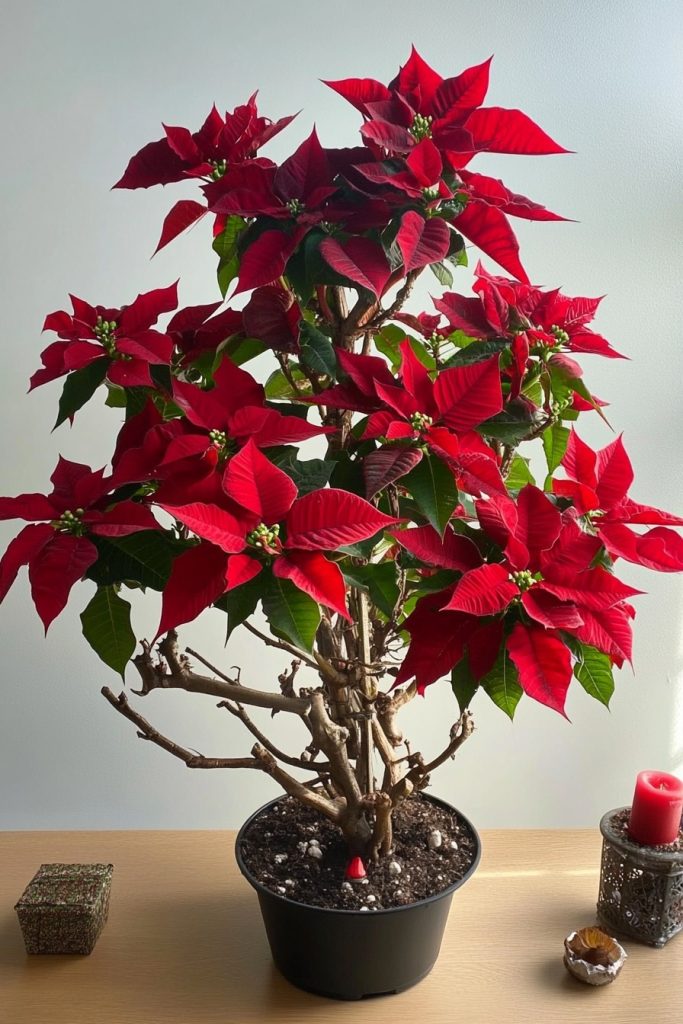
Every year, as the holiday season approaches, my home transforms into a festive wonderland. The twinkling lights, the scent of pine, and the warm glow of candles set the mood, but the true star of my holiday decor is the poinsettia. With its fiery red bracts and lush green foliage, this plant instantly brings Christmas cheer to any space.
I still remember my first poinsettia—a vibrant red beauty I picked up on a whim at a local nursery. It sat proudly on my dining table, stealing the show at every holiday gathering. But there’s so much more to this Christmas flower than its stunning looks.
Poinsettias, scientifically known as Euphorbia pulcherrima, are rooted in history and tradition, from their native home in Mexico to their modern role as a global holiday icon. Understanding the poinsettia’s story, characteristics, and care needs can elevate your appreciation for this festive plant.
Let’s dive into the world of poinsettias and discover why they’re the ultimate Christmas flower.
A Brief History of the Poinsettia
The poinsettia’s story begins in the warm, sunny hills of Mexico, where it grows wild as a shrub reaching up to 10 feet tall. Known to the Aztecs as cuetlaxochitl, the plant was prized for its vibrant red bracts, which were used to create dyes for textiles and cosmetics.
The Aztecs also used the plant’s milky sap for medicinal purposes, treating fevers and skin conditions. I find it incredible to think that a plant we associate with cozy winter holidays was once a favorite in ancient Mesoamerican culture.
One of the most charming tales about the poinsettia comes from Mexican folklore. According to legend, a poor girl named Pepita was heartbroken because she couldn’t afford a gift for baby Jesus during a Christmas Eve service. Guided by an angel, she gathered humble weeds from the roadside and placed them on the church altar.
Miraculously, the weeds transformed into brilliant red poinsettias, earning them the name Flor de Nochebuena (Flower of the Holy Night). This story still gives me chills every time I place a poinsettia in my home—it’s like bringing a piece of that miracle to life.
Introduction to the United States
Everything here began in the 1820s, when Joel Roberts Poinsett, a botanist and the first U.S. ambassador to Mexico, stumbled upon the plant during his travels. Enchanted by its beauty, he shipped cuttings back to his greenhouse in South Carolina.
Poinsett’s passion for the plant led to its scientific naming—Euphorbia pulcherrima, meaning “most beautiful Euphorbia.” After his death, the plant was named “poinsettia” in his honor. I can imagine his excitement as he introduced this exotic beauty to American gardeners, unaware it would become a holiday treasure.
The Ecke Family Legacy
The poinsettia’s rise to fame owes much to the Ecke family of California. In the early 20th century, Paul Ecke Sr. began cultivating poinsettias, transforming them from leggy wild shrubs into the compact, colorful plants we see today.
The Eckes developed innovative grafting techniques and bred new varieties with longer-lasting bracts. By the 1960s, their ranch was supplying 90% of the world’s poinsettias, a legacy that continues today. I visited a nursery once that proudly displayed Ecke-bred poinsettias, and the variety—red, pink, white, even speckled—was mind-blowing.
Global Holiday Icon
Today, poinsettias are grown commercially worldwide, with millions sold each year during the holiday season. In the U.S., December 12 is National Poinsettia Day, commemorating Joel Poinsett’s death and his contribution to horticulture.
From Europe to Asia, poinsettias adorn homes, churches, and public spaces, symbolizing joy and celebration. Their universal appeal lies in their versatility—whether you’re decorating a minimalist apartment or a grand holiday venue, a poinsettia fits right in.
Cultural Significance
Beyond their decorative role, poinsettias carry cultural weight. In Mexico, they’re tied to Christmas traditions, often placed near nativity scenes. In Spain, they’re called Flor de Pascua (Easter Flower), as some varieties bloom into spring.
I love learning how different cultures embrace this plant, each adding their own spin to its holiday charm.
Classification of the Poinsettia
Poinsettias belong to the Euphorbiaceae family, a diverse group of plants known for their milky, latex-like sap. Here’s their full classification:
- Kingdom: Plantae
- Phylum: Tracheophyta
- Class: Magnoliopsida
- Order: Malpighiales
- Family: Euphorbiaceae
- Genus: Euphorbia
- Species: pulcherrima
The scientific name Euphorbia pulcherrima translates to “most beautiful Euphorbia,” a fitting tribute to its striking appearance. The Euphorbiaceae family includes over 2,000 species, from cacti-like succulents to leafy shrubs, but poinsettias stand out for their ornamental value.
What Makes a Poinsettia Unique?
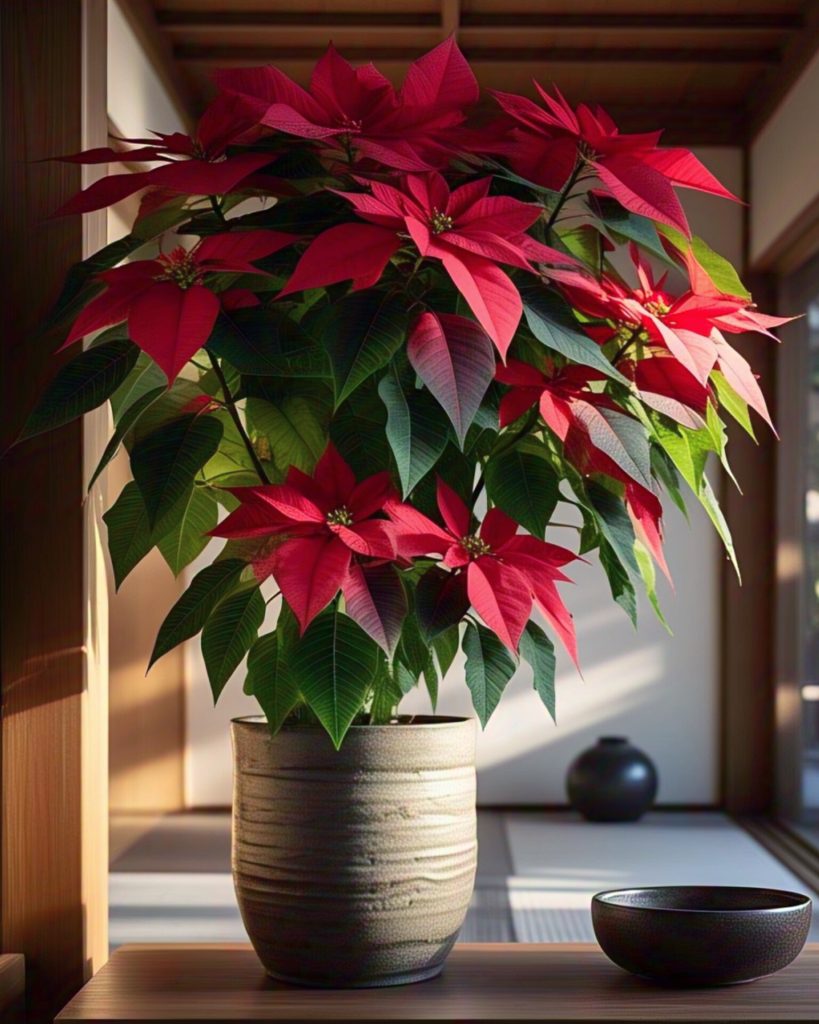
Unlike traditional flowers, poinsettias don’t have petals in the way we typically think. The colorful parts we admire—red, white, pink, or otherwise—are actually bracts, specialized leaves that surround the plant’s tiny, yellow-green flowers, called cyathia.
These bracts change color in response to light cycles, a process called photoperiodism. I was fascinated when I first learned this—it’s like the plant puts on a costume for the holidays!
Native Habitat
In their native Central America, poinsettias thrive in well-drained, rocky soils along hillsides. They’re adapted to warm, semi-arid climates, which explains why they struggle in cold or overly wet conditions.
When I tried growing one outdoors in my Zone 7 garden, it didn’t survive the winter, but I’ve since learned they’re happiest as houseplants in colder regions.
Poinsettia vs. Other Euphorbias
Poinsettias share traits with other Euphorbia species, like their milky sap, which can be irritating to skin and eyes. But unlike their spiky cousins, such as the crown of thorns (Euphorbia milii), poinsettias are prized for their soft, broad leaves and vibrant bracts.
This distinction makes them a favorite for indoor decor, while other Euphorbias are often grown as succulents or garden plants.
Characteristics of the Poinsettia
Poinsettias are more than just holiday decor—they’re botanical marvels with unique features. Here’s a detailed look at their characteristics:
- Scientific Name: Euphorbia pulcherrima
- USDA Hardiness Zones: 9–11. In warmer climates like Florida or Southern California, poinsettias grow as perennial shrubs. In colder zones, they’re treated as annuals or houseplants.
- Color Variations: Red is the classic choice, but modern cultivars offer white, pink, cream, salmon, yellow, marbled, and speckled varieties. I recently saw a glittery “Winter Rose” poinsettia with curled bracts—stunning!
- Sun Exposure: Bright, indirect light is ideal. Direct sun can scorch bracts, while too little light causes leaf drop. My living room’s east-facing window is perfect for mine.
- Mature Size: Indoors, poinsettias reach 1–2 feet tall and wide. Outdoors in ideal conditions, they can grow into 10-foot shrubs. I was shocked to see a massive poinsettia hedge in a friend’s California yard!
- Lifespan: With care, indoor poinsettias last months, while outdoor plants can live for years in warm climates. I’ve kept one alive for two years by treating it like a houseplant year-round.
- Toxicity: Poinsettias are mildly toxic. Their sap can irritate skin, and ingestion may cause nausea or vomiting in pets or humans. Severe reactions are rare, but I always keep mine away from my dog, just in case.
Bract Color and Photoperiodism
The poinsettia’s colorful bracts are its claim to fame. These bracts change color based on light exposure, a process tied to shorter days in winter. Breeders have expanded the color palette, offering varieties like “Jingle Bells” (red with white speckles) or “Ice Punch” (pink with white streaks).
I’m partial to the classic red, but a creamy white poinsettia I bought last year added an elegant touch to my holiday setup.
Growth Habits
In their native habitat, poinsettias are leggy shrubs with woody stems. Indoor varieties are bred to stay compact, making them perfect for tabletops. Their leaves are dark green, slightly lobed, and velvety, contrasting beautifully with the bracts.
I love how the foliage adds depth to their appearance, even when the bracts fade.
Toxicity Myths and Facts
The poinsettia’s toxicity is often exaggerated. While the sap can cause skin irritation (I wear gloves when pruning), and eating leaves might upset a pet’s stomach, it’s not the deadly plant some make it out to be. The ASPCA confirms that serious poisoning is unlikely, but caution is still wise.
My cat once nibbled a leaf, and after a quick call to the vet, I learned a small amount is usually harmless—just keep an eye out.
Caring for Your Poinsettia Christmas Flower
Poinsettias are stunning but can be a bit high-maintenance. Over the years, I’ve learned what makes them thrive (and what doesn’t). Here’s a comprehensive guide to poinsettia care.
Choosing a Healthy Poinsettia
When buying a poinsettia, look for one with vibrant bracts, dark green leaves, and no wilting. Check the soil—it should be moist but not soggy. Avoid plants displayed near cold drafts or in plastic sleeves, as these can stress the plant.
I once bought a discounted poinsettia that looked fine but dropped its leaves a week later—lesson learned!
Light Requirements
Poinsettias crave bright, indirect light. Place them near a south- or east-facing window, but shield them from harsh afternoon sun. If your home is dim, consider a grow light. I use a small LED grow light for my poinsettias in winter, and it keeps them perky.
Watering Tips
Water when the top inch of soil feels dry, typically every 2–3 days. Use room-temperature water and ensure the pot has drainage holes to prevent root rot. Overwatering is the number one killer of poinsettias—I’ve lost a few to soggy soil before mastering this balance. If you’re unsure, err on the side of underwatering.
Temperature and Humidity
Keep poinsettias in a warm spot (65–75°F) away from drafts, heaters, or air vents. They’re sensitive to temperature swings, so don’t place them near an exterior door. Last winter, I left a poinsettia on a chilly windowsill, and it shed leaves like it was auditioning for autumn.
Poinsettias also prefer moderate humidity. In dry homes, mist the leaves or use a pebble tray with water. A humidifier is a game-changer for mine.
Fertilizing
During the growing season (spring and summer), feed your poinsettia monthly with a balanced, water-soluble fertilizer (10-10-10). Dilute it to half strength to avoid burning the roots. In winter, skip fertilizing, as the plant is dormant. I fertilize mine in April, and it rewards me with lush new growth.
Pruning for Shape
To keep your poinsettia compact, prune it back to 6–8 inches in spring after the bracts fade. Use clean, sharp shears and wear gloves to avoid sap irritation. Pruning encourages bushy growth, and my poinsettia looked like a brand-new plant after its first trim.
Reblooming Your Poinsettia
Getting a poinsettia to rebloom is a challenge but so rewarding. Starting in October, give it 14 hours of complete darkness nightly for 6–8 weeks to trigger bract formation. I cover mine with a cardboard box from 5 p.m. to 7 a.m. daily.
During the day, ensure it gets bright light. It’s a commitment, but when those red bracts reappear, it feels like a personal victory.
Repotting
If you’re keeping your poinsettia long-term, repot it every 1–2 years in spring. Use a well-draining potting mix with perlite or sand. Choose a pot slightly larger than the current one, and be gentle with the roots. Repotting gave my oldest poinsettia a new lease on life.
Seasonal Care Calendar
- Winter (Holiday Season): Display in bright, indirect light, water sparingly, and keep warm.
- Spring: Prune back, repot if needed, and start fertilizing.
- Summer: Treat as a houseplant or move outdoors in warm climates (partial shade).
- Fall: Begin the dark-night treatment for reblooming.
Common Problems and Solutions
Poinsettias can be finicky, but most issues are fixable with the right know-how. Here’s a deep dive into common problems and how to address them.
1. Leaf Drop
Leaf drop is the bane of poinsettia owners. It’s often caused by:
- Cold drafts: Move the plant away from windows, doors, or air vents.
- Overwatering: Check the soil and ensure proper drainage.
- Low light: Relocate to a brighter spot. I once placed a poinsettia in a dim corner, and it shed leaves faster than a Christmas tree in January.
2. Wilting
Wilting usually signals underwatering or root rot. Feel the soil—if it’s dry, water thoroughly. If it’s soggy, remove the plant, trim any mushy roots, and repot in fresh, well-draining soil. I saved a wilting poinsettia by catching root rot early and repotting it.
3. Fading Bracts
If your poinsettia’s bracts lose their vibrancy, too much direct sun is often the culprit. Move it to a spot with filtered light. Low humidity can also dull colors, so consider misting or using a humidifier.
4. Pests
Common pests include:
- Whiteflies: Tiny white insects on leaf undersides. Treat with insecticidal soap or neem oil.
- Spider mites: Look for webbing and stippled leaves. Increase humidity and spray with neem oil.
- Aphids: Small green or black bugs. Wipe them off with a damp cloth or use soap spray. I dealt with whiteflies on my poinsettia last year, and a weekly neem oil treatment worked wonders.
5. Yellowing Leaves
Yellow leaves often indicate overwatering, poor drainage, or nutrient deficiency. Adjust your watering schedule, ensure proper drainage, and consider a light fertilizer application in spring or summer. I fixed yellowing leaves on one plant by switching to a pot with better drainage holes.
6. Fungal Diseases
Root rot and powdery mildew can affect poinsettias in overly wet conditions. Prevent these by avoiding overwatering and ensuring good air circulation. If mildew appears (white, powdery spots), treat with a fungicide or a baking soda spray (1 tsp per quart of water).
Poinsettias in Holiday Decor Ideas
Poinsettias are the ultimate holiday decor staple. Their bold colors and star-shaped bracts make them perfect for everything from centerpieces to porch displays. Here are some ideas to incorporate them into your festive setup:
1. Table Centerpieces
Place a poinsettia in a decorative pot and surround it with candles, pinecones, or ornaments. I love wrapping the pot in burlap and tying it with a red ribbon for a rustic look. For a modern vibe, try a white or pink poinsettia in a sleek ceramic pot.
2. Wreaths and Garlands
Snip a few bracts (wear gloves!) and tuck them into wreaths or garlands for a pop of color. Pair with holly or evergreen branches for a classic holiday feel. I made a poinsettia wreath last year, and it was the talk of my holiday party.
3. Outdoor Displays
In warm climates, poinsettias can be planted in garden beds or used in outdoor containers. Group red, white, and pink varieties for a stunning display. In colder zones, keep them indoors but place them near windows for a festive curb appeal.
4. Gifting Poinsettias
Poinsettias make thoughtful holiday gifts. Choose a unique variety, like a speckled “Jingle Bells,” and pair it with a handwritten care guide. I gifted a poinsettia to my neighbor last Christmas, and she still talks about how it brightened her winter.
FAQs About Poinsettias
Q: Are poinsettias really poisonous?
A: Poinsettias are mildly toxic. The sap can irritate skin, and eating leaves may cause mild nausea or vomiting in pets or humans. Serious harm is rare, but keep them away from curious kids and pets.
Q: How long do poinsettias last?
A: With proper care, indoor poinsettias last months, often through spring. In USDA Zones 9–11, they can live for years as outdoor shrubs.
Q: Can I plant my poinsettia outside?
A: Yes, in Zones 9–11, poinsettias thrive outdoors in well-drained soil with partial shade. In colder climates, keep them indoors as houseplants.
Q: Why won’t my poinsettia turn red again?
A: Poinsettias need 14 hours of darkness nightly for 6–8 weeks starting in October to trigger red bracts. Cover them or place them in a dark room.
Q: How often should I water my poinsettia?
A: Water when the top inch of soil is dry, usually every 2–3 days. Ensure good drainage to prevent root rot.
Q: Can poinsettias grow year-round?
A: Yes! With proper care—bright light, moderate watering, and pruning—they can thrive indoors year-round or outdoors in warm climates.
Final thoughts
Poinsettias are more than just a Christmas flower—they’re a symbol of joy, tradition, and resilience. From their ancient Mexican roots to their modern-day role in holiday decor, these plants have a story that captivates and inspires.
Whether you’re nurturing a poinsettia through the holidays or aiming to keep it thriving year-round, the effort is worth it. I’ve grown to love the process of caring for mine, from tweaking their light exposure to celebrating their reblooming success.
This holiday season, let a poinsettia brighten your home. Experiment with new varieties, get creative with decor, and share the gift of this iconic plant. With the tips in this guide, you’re ready to make your poinsettia the star of the show. Happy holidays, and happy gardening!
References
- University of Illinois Extension. (2023). Poinsettia Care. https://extension.illinois.edu
- Missouri Botanical Garden. (2024). Euphorbia pulcherrima. https://www.missouribotanicalgarden.org
- ASPCA. (2025). Poinsettia Toxicity in Pets. https://www.aspca.org
- The Ecke Poinsettia Manual. (2022). Paul Ecke Ranch. https://www.ecke.com
- Royal Horticultural Society. (2024). Poinsettia Growing Guide. https://www.rhs.org.uk

Tim M Dave is a gardening expert with a passion for houseplants, particularly cacti and succulents. With a degree in plant biology from the University of California, Berkeley, he has vast experience in gardening. Over the years, he has cultivated a vast collection of desert plants and learned a great deal about how to grow and care for these unique companions.