15 Best Ornamental Plants to Grow in Any Bathroom (And How to Keep Them Healthy)
Most bathrooms are designed to be functional. Clean lines, hard surfaces, artificial light, and a door that stays shut most of the day. It is efficient — but it is rarely beautiful.
Adding plants changes that immediately.
There is something almost surprising about how much a single well-placed plant transforms a bathroom. The space feels less clinical. The air feels fresher. Even a small corner that previously held nothing becomes a point of interest.
But bathrooms are not easy environments for plants. Low light, fluctuating humidity, limited floor space, and the absence of natural airflow make the wrong plant choices a frustrating and short-lived experiment.
The right choices, however, thrive in exactly these conditions — turning the challenges of a bathroom environment into advantages. This guide covers fifteen of the best plants for bathrooms and their care requirements.
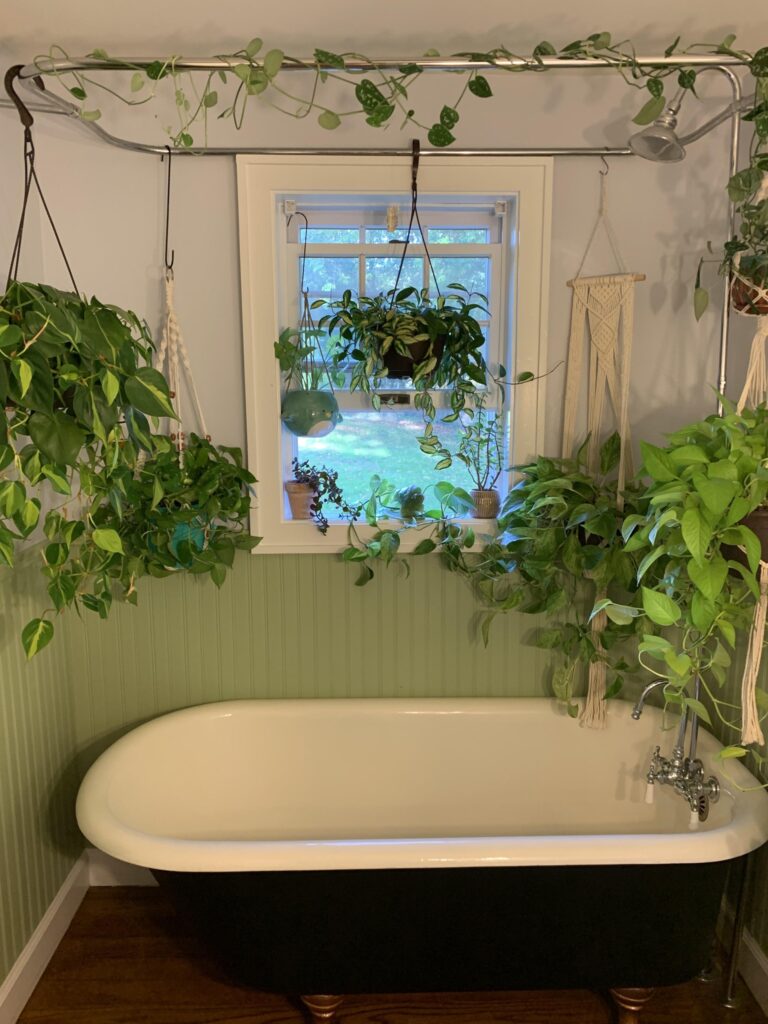
1. Peace Lily (Spathiphyllum spp.)
The peace lily is one of the most reliably successful bathroom plants available, and it earns that reputation genuinely. It thrives in low light and high humidity — two conditions that describe most bathrooms precisely.
Its glossy, deep-green leaves absorb available light efficiently, and it produces elegant white spathes even in relatively dim conditions. It communicates clearly when it needs water — the leaves droop noticeably — and recovers quickly once watered.
NASA’s landmark clean air study identified peace lily as one of the most effective plants for filtering indoor air pollutants including ammonia, benzene, and formaldehyde — compounds present in many cleaning products stored in bathrooms.
Best for: Low-light bathrooms, medium to large spaces, beginners.
Care note: Keep soil consistently moist but not waterlogged. Avoid cold draughts. Toxic to cats and dogs if ingested.
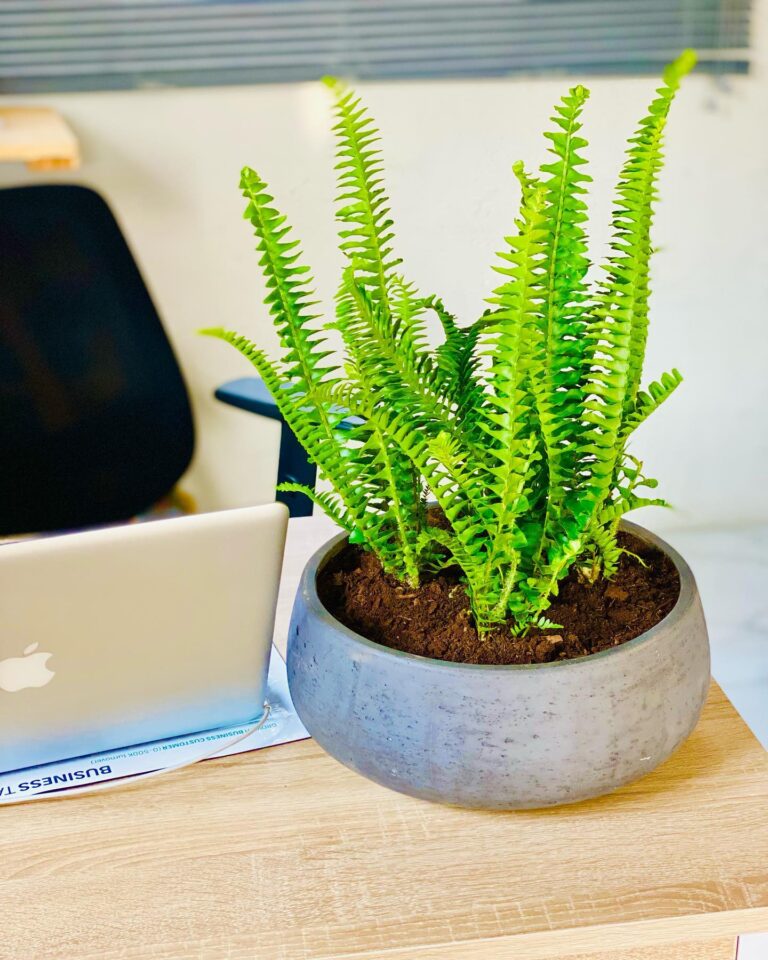
2. Boston Fern (Nephrolepis exaltata)
Boston fern and bathrooms have a long, successful relationship — and for good reason. This is one of the few plants that genuinely prefers the high humidity of a regularly used bathroom over the drier conditions of most living spaces.
Its long, arching fronds create a lush, full appearance that brings genuine tropical greenery into even a modest bathroom. It looks beautiful on a high shelf or in a hanging basket where the fronds can cascade downward freely.
The one honest caveat: Boston fern does need some natural light. A bathroom with a reasonable window — even north-facing — will support it well. A completely windowless bathroom is a harder environment for this species.
Best for: Humid bathrooms with natural light, hanging baskets, high shelves.
Care note: Keep soil evenly moist. Mist occasionally if humidity drops. Trim any brown fronds to maintain appearance.
3. Pothos (Epipremnum aureum)
If there is a single plant that belongs in every bathroom, pothos makes the strongest argument.
It tolerates low light better than almost any other trailing plant, handles irregular watering without complaint, and produces long, trailing vines that look effortlessly stylish draped over shelves, cabinets, or towel rails. Golden pothos, marble queen, and neon varieties each offer slightly different foliage tones to suit different bathroom colour schemes.
Pothos is also one of the most forgiving plants in cultivation. Forget to water it for two weeks? It will recover. Put it in a dim corner with almost no light? It will manage. It is genuinely difficult to harm with ordinary neglect, which makes it ideal for busy households.
Best for: Any bathroom regardless of light level, shelves, trailing displays, beginners.
Care note: Water when the top inch of soil feels dry. Trim long vines to encourage bushier growth. Toxic to cats and dogs.
4. Spider Plant (Chlorophytum comosum)
Spider plants have been popular houseplants for decades, and their suitability for bathrooms is one of the key reasons why. They adapt easily to the variable light and humidity of a bathroom, producing arching green-and-cream striped leaves and sending out long runners with small “spiderette” plantlets at their tips.
Those plantlets are a genuine bonus. Once they develop small roots, they can be snipped off and propagated into new plants, giving you an ongoing supply from a single parent plant.
Spider plants are also listed among the most effective air-purifying houseplants in peer-reviewed research, with demonstrated ability to reduce carbon monoxide and formaldehyde concentrations in enclosed spaces.
Best for: Shelves, hanging baskets, bathrooms with moderate light, households with children (non-toxic).
Care note: Water regularly but allow the soil to dry slightly between waterings. Remove spent spiderettes if you prefer a tidier appearance.
5. Snake Plant / Mother-in-Law’s Tongue (Dracaena trifasciata)
The snake plant is the most low-maintenance plant on this list. It tolerates low light, inconsistent watering, fluctuating temperatures, and general neglect with a composure that no other plant quite matches.
Its upright, architectural form works beautifully in bathroom corners or beside a vanity unit. The stiff, sword-shaped leaves with their distinctive yellow margins or silvery-green banding add a graphic quality that suits both modern and traditional bathrooms.
One particularly useful quality: snake plants release oxygen at night rather than during the day — the opposite of most plants — which makes them especially suitable for enclosed, less-ventilated spaces like bathrooms.
Best for: Low-light bathrooms, small spaces, beginners, frequent travellers.
Care note: Water sparingly — overwatering is the most common cause of failure. Allow soil to dry completely between waterings. Toxic to cats and dogs.
6. Aloe Vera (Aloe barbadensis miller)
Aloe vera in a bathroom is both practical and attractive. The thick, succulent leaves store water and the clear gel inside has well-documented soothing properties for minor burns, skin irritation, and dryness — making it arguably the most useful plant you can keep in a bathroom.
It needs a reasonable amount of light — a sunny windowsill is ideal — and it strongly dislikes being overwatered. The bathroom’s ambient humidity does much of the work; you rarely need to water it more than once every two to three weeks.
Aloe grows slowly and stays compact for years, making it well-suited to windowsills and countertops without outgrowing its space quickly.
Best for: Bright or sunny bathroom windows, countertops, practical households.
Care note: Needs well-draining soil. Water infrequently — less is more. Avoid water pooling in the central rosette.
7. Orchid (Phalaenopsis spp.)
The moth orchid is one of the most elegant plants you can place in a bathroom — and it is more suited to bathroom conditions than most people realise.
Phalaenopsis orchids thrive in warm, humid environments with bright indirect light. A bathroom with a frosted east or north-facing window is often better for them than a dry living room with direct sun. The regular humidity from bathing keeps the aerial roots healthy without any additional misting.
Their flowers last for weeks — sometimes months — in a single bloom cycle, and the plants will re-bloom reliably with modest care between flowering periods.
I find orchids in bathrooms to be one of those combinations that looks more intentional and sophisticated than the effort required to achieve it. A single white phalaenopsis on a bathroom shelf communicates a certain quiet elegance.
Best for: Bright, humid bathrooms; shelves or window ledges; adding elegance.
Care note: Water once a week by soaking the pot base briefly. Never let roots sit in standing water. Feed with diluted orchid fertiliser monthly when in growth.
8. Lucky Bamboo (Dracaena sanderiana)
Lucky bamboo is not a true bamboo — it is a member of the dracaena family — but it carries the clean, upright aesthetic of bamboo and is genuinely well-suited to bathroom conditions.
It grows in water alone, making it one of the few plants that requires no soil and no complex care routine. A glass vessel, some water, and a few pebbles for stability are all it needs. Change the water every two to three weeks to prevent stagnation.
Its architectural quality works particularly well in modern minimalist bathrooms where the goal is clean lines and restrained decoration. It is also widely associated with positive energy in feng shui practice — a cultural dimension that many find meaningful.
Best for: Any bathroom with some indirect light, minimalist interiors, water-growing displays.
Care note: Use filtered or distilled water if possible — chlorine in tap water can cause tip browning. Keep away from direct sun.
9. Cast Iron Plant (Aspidistra elatior)
The name says everything about this plant’s character. The cast iron plant is extraordinarily tolerant of neglect, low light, low humidity, inconsistent watering, and generally difficult conditions — which makes it the right choice for bathrooms that get little use or have no windows.
Its broad, dark, glossy leaves are genuinely attractive and maintain their appearance for years without significant intervention. It grows slowly — perhaps one or two new leaves per month — but that also means it stays manageable without constant repotting.
If you have a dim, rarely-used guest bathroom and want something green that will not demand attention, the cast iron plant is the answer.
Best for: Very low-light or windowless bathrooms, infrequently used spaces, minimal-care households.
Care note: Water once every one to two weeks. Wipe leaves occasionally to remove dust. Avoid direct sun, which scorches the foliage.
10. ZZ Plant (Zamioculcas zamiifolia)
The ZZ plant has become one of the most popular houseplants of the past decade, and its qualities explain why. It tolerates low light, irregular watering, and low humidity better than almost any other leafy plant, making it one of the safest choices for any bathroom environment.
Its waxy, deep-green leaflets have an almost artificial glossiness that looks striking against white or grey bathroom tiles. It grows upright and stays reasonably compact, making it suitable for floor placement in a corner or on a tall shelf.
The ZZ plant stores water in its thick rhizomes, allowing it to survive extended dry periods. In a bathroom, where it benefits from ambient humidity, it rarely needs much supplemental watering at all.
Best for: Low-light bathrooms, modern interiors, infrequent-care households.
Care note: Water every two to three weeks in most bathroom environments. Toxic if ingested; wash hands after handling.
11. English Ivy (Hedera helix)
English ivy brings a classic, timeless quality to a bathroom that few other plants can replicate. Its trailing, lobed leaves look beautiful cascading from a high shelf, winding around a mirror frame, or spilling over the edge of a countertop planter.
It thrives in cool to moderate temperatures and handles lower light reasonably well, though it performs best with some natural light. The bathroom’s humidity suits it well — ivy appreciates moisture and tends to be more vigorous in humid air than in dry indoor conditions.
It grows relatively quickly and can be trained or trimmed to keep it contained within a specific space. Regular trimming also keeps growth dense and full rather than sparse and leggy.
Best for: Shelves, trailing displays, cool bathrooms with moderate natural light.
Care note: Water when the top of the soil feels dry. Bathroom humidity usually prevents spider mites. Toxic to cats, dogs, and mildly to humans if ingested.
12. Chinese Evergreen (Aglaonema spp.)
Chinese evergreen is one of the most visually varied plants on this list, available in combinations of deep green, silver, red, pink, and cream. It tolerates low to moderate light, thrives in humidity, and requires only occasional watering — a combination that makes it exceptionally well-suited to bathroom environments.
Newer cultivars in red and pink tones are particularly striking in bathrooms with white or neutral colour schemes. The ‘Red Aglaonema’ and ‘Pink Splash’ varieties have become popular for exactly this reason.
It is a relatively slow grower, which means less frequent repotting, and it communicates its watering needs clearly through slightly wilting leaves before any permanent damage occurs.
Best for: Low to moderate light bathrooms, adding colour, medium to large bathrooms.
Care note: Water when the top inch of soil is dry. Avoid cold draughts. Toxic to cats and dogs.
13. Begonia (Begonia spp.)
Begonias are not always the first plant people think of for a bathroom, but they deserve serious consideration. Rex begonias in particular offer extraordinary foliage — swirling patterns of silver, green, burgundy, and bronze that function almost as living artwork on a bathroom shelf or windowsill.
Wax begonias offer cheerful small flowers and tolerate the humidity and indirect light of a bathroom well. Both types appreciate the consistent warmth and moisture of a regularly used bathroom.
They do need some natural light — a shaded window will sustain them — and they prefer not to have their leaves wet for extended periods. Keep them on a shelf where shower steam reaches them without direct water splashing the foliage.
Best for: Bathrooms with some natural light, adding colour and pattern, decorative shelving.
Care note: Allow the soil to dry slightly between waterings. Avoid wetting leaves. Feed monthly during the growing season with a balanced fertiliser.
14. Air Plants (Tillandsia spp.)
Air plants are genuinely fascinating — they require no soil whatsoever, absorbing moisture and nutrients entirely through their leaves. In a humid bathroom, they can thrive with minimal intervention beyond occas15 Ground Cover Plants With Yellow Flowers That Will Light Up Your Gardenional soaking, making them one of the most creative and space-efficient bathroom plant choices available.
They can be displayed in glass globes, on driftwood, mounted on cork bark, or arranged in small ceramic dishes. The absence of soil makes display possibilities almost limitless. In a small bathroom with no shelf or counter space, air plants can even be suspended from a hook.
Their shapes and textures vary enormously across species — from soft, silvery puffs to sharp, architectural spikes — giving considerable design flexibility.
Best for: Small bathrooms, creative displays, no-soil growing, very humid bathrooms.
Care note: Soak in water for 20–30 minutes once a week. Shake off excess water and allow to dry within four hours to prevent rot. Provide bright indirect light where possible.
15. Monstera (Monstera deliciosa)
Monstera is the statement plant of the moment — and a spacious, well-lit bathroom is one of the best places to grow one.
Its large, dramatically perforated leaves create an unmistakably tropical atmosphere, and the plant grows happily in the warm, humid conditions of a bathroom that receives good natural light. A monstera in the corner of a generous bathroom, beside a decent-sized window, will grow into a genuinely impressive specimen over time.
It is best suited to larger bathrooms where there is floor space for a substantial pot. In a small bathroom, it quickly becomes overwhelming. But where space allows, nothing else on this list makes quite the same visual impact.
Best for: Large, well-lit bathrooms, floor placement, bold statement displays.
Care note: Water when the top two inches of soil are dry. Wipe leaves with a damp cloth to keep them glossy. Provide bright indirect light for best growth.
Why Bathrooms Are Surprisingly Good for Certain Plants
Before choosing plants, it helps to understand what makes a bathroom a unique growing environment.
Humidity is the defining factor. When you shower or run a bath, the air fills with warm moisture. Most homes are relatively dry, especially in winter when heating systems strip humidity from the air. A bathroom in daily use can maintain humidity levels of 50–80% — conditions that many tropical plants absolutely love.
Temperature tends to be stable and warm. Bathrooms rarely get cold in occupied homes. The daily cycle of warm water keeps temperatures consistent, which suits most houseplants well.
Light is the main limiting factor. Many bathrooms have small windows or frosted glass, and some have no natural light at all. Plant selection must account for this honestly. This guide distinguishes between plants for low-light bathrooms and those that need at least some natural light.
Space is usually limited. Most bathroom plant choices are compact species, hanging varieties, or plants suited to windowsills, shelves, and countertops. A few larger statement plants work in spacious bathrooms — and this guide notes where those apply.
Bathroom Plants at a Glance
| Plant | Light Need | Humidity Love | Difficulty | Best Placement |
| Peace Lily | Low–Medium | High | Easy | Floor, shelf |
| Boston Fern | Medium | Very High | Moderate | Hanging basket, high shelf |
| Pothos | Low–Medium | Medium | Very Easy | Trailing shelf, cabinet top |
| Spider Plant | Low–Medium | Medium | Very Easy | Hanging basket, shelf |
| Snake Plant | Low | Low–Medium | Very Easy | Corner, beside vanity |
| Aloe Vera | High | Low | Easy | Windowsill, countertop |
| Orchid | Medium (indirect) | High | Moderate | Shelf, window ledge |
| Lucky Bamboo | Low–Medium | Medium | Very Easy | Countertop, glass vessel |
| Cast Iron Plant | Very Low | Low | Very Easy | Dark corner, floor |
| ZZ Plant | Low | Low–Medium | Very Easy | Corner, tall shelf |
| English Ivy | Medium | Medium–High | Easy | High shelf, trailing |
| Chinese Evergreen | Low–Medium | Medium–High | Easy | Shelf, countertop |
| Begonia | Medium | High | Moderate | Windowed shelf |
| Air Plants | Medium (indirect) | Very High | Easy | Mounted, suspended, dishes |
| Monstera | Medium–High | High | Easy–Moderate | Floor, large bathrooms only |
Tips for Keeping Bathroom Plants Healthy
Even the most tolerant plants benefit from thoughtful care. A few principles make a meaningful difference.
Match the plant to your actual light level — honestly. Most plant care advice assumes more light than bathrooms typically provide. If your bathroom has no window, stick to pothos, snake plant, ZZ plant, cast iron plant, or lucky bamboo. If it has a frosted or shaded window, most of the plants on this list will work. A clear, sunny window opens up almost every option.
Use well-draining pots. Bathroom plants already receive ambient humidity. Waterlogged soil is one of the fastest ways to kill a bathroom plant. Pots with drainage holes and a well-draining mix prevent root rot effectively.
Do not overwater. The humidity in a bathroom means plants dry out more slowly than in other rooms. Check soil moisture before watering rather than following a fixed schedule. Most bathroom plants need less frequent watering than you might expect.
Ventilate occasionally. While humidity is generally beneficial, a bathroom that stays persistently damp with poor air circulation can encourage fungal issues on some plants. Opening the window or running the extractor fan periodically helps maintain healthy airflow.
Consider pot aesthetics. Bathroom spaces are small and plants are seen from close range. A beautiful ceramic pot or a thoughtfully chosen vessel makes a genuine difference to the overall effect of the display.
Frequently Asked Questions
What is the best plant for a bathroom with no windows? Snake plant, ZZ plant, pothos, cast iron plant, and lucky bamboo are the best choices for windowless bathrooms. They tolerate very low light better than any other commonly available houseplants.
Can plants survive in bathroom humidity alone? Some plants — particularly air plants (tillandsia) — absorb much of their moisture from humid air. Most plants still need occasional watering, but bathroom humidity significantly reduces how often this is necessary.
Are bathroom plants safe for homes with cats or dogs? Several plants on this list are toxic to pets, including pothos, snake plant, peace lily, ivy, ZZ plant, and Chinese evergreen. Pet-safe alternatives include spider plant, Boston fern, air plants, and orchids. Always verify toxicity before placing any new plant in a home with animals.
Do bathroom plants genuinely improve air quality? Research — including studies from NASA and several university horticultural programs — indicates that certain plants reduce specific indoor air pollutants. Peace lily, spider plant, and pothos are among the most studied for this quality. Multiple plants in a small enclosed space like a bathroom can produce a measurable improvement in air quality over time.
How often should you water plants kept in a bathroom? Less frequently than in other rooms, as a general rule. Bathroom humidity slows soil drying considerably. Check moisture before watering rather than following a rigid schedule. Most bathroom plants need watering every one to two weeks in summer and every two to three weeks in winter.
Final Thoughts
The best bathroom plants are not just survivors — they are contributors. They add colour, texture, fragrance, and a sense of life to a room that most people spend more time in than they realise.
Whether you have a large, light-filled bathroom that can accommodate a monstera or a small, windowless space where only a snake plant or ZZ plant will thrive, there is something on this list for every situation.
Start with one plant. See how it responds to your bathroom’s specific light and humidity. Then add another. The most beautiful bathroom plant collections I have seen were not designed all at once — they grew, quite literally, over time.
That gradual accumulation of green, thriving life is one of the small things that makes a home feel genuinely cared for.
References
- University of Vermont Extension — Houseplants: Proper Care and Management https://www.uvm.edu/extension/mastergardener/houseplants
- North Carolina State University Extension — Plant Profiles Database https://plants.ces.ncsu.edu/
- University of Georgia Extension — Indoor Plants for Interior Spaces https://extension.uga.edu/publications/detail.html?number=B989
- Clemson University Cooperative Extension — Houseplant Care https://hgic.clemson.edu/category/houseplants/
- Cornell University Cooperative Extension — Growing Plants Indoors https://cals.cornell.edu/school-integrative-plant-science/horticulture/extension-outreach

Tim M Dave is a gardening expert with a passion for houseplants, particularly cacti and succulents. With a degree in plant biology from the University of California, Berkeley, he has vast experience in gardening. Over the years, he has cultivated a vast collection of desert plants and learned a great deal about how to grow and care for these unique companions.