8 Reasons Your Peace Lily Is Not Blooming and How to Fix
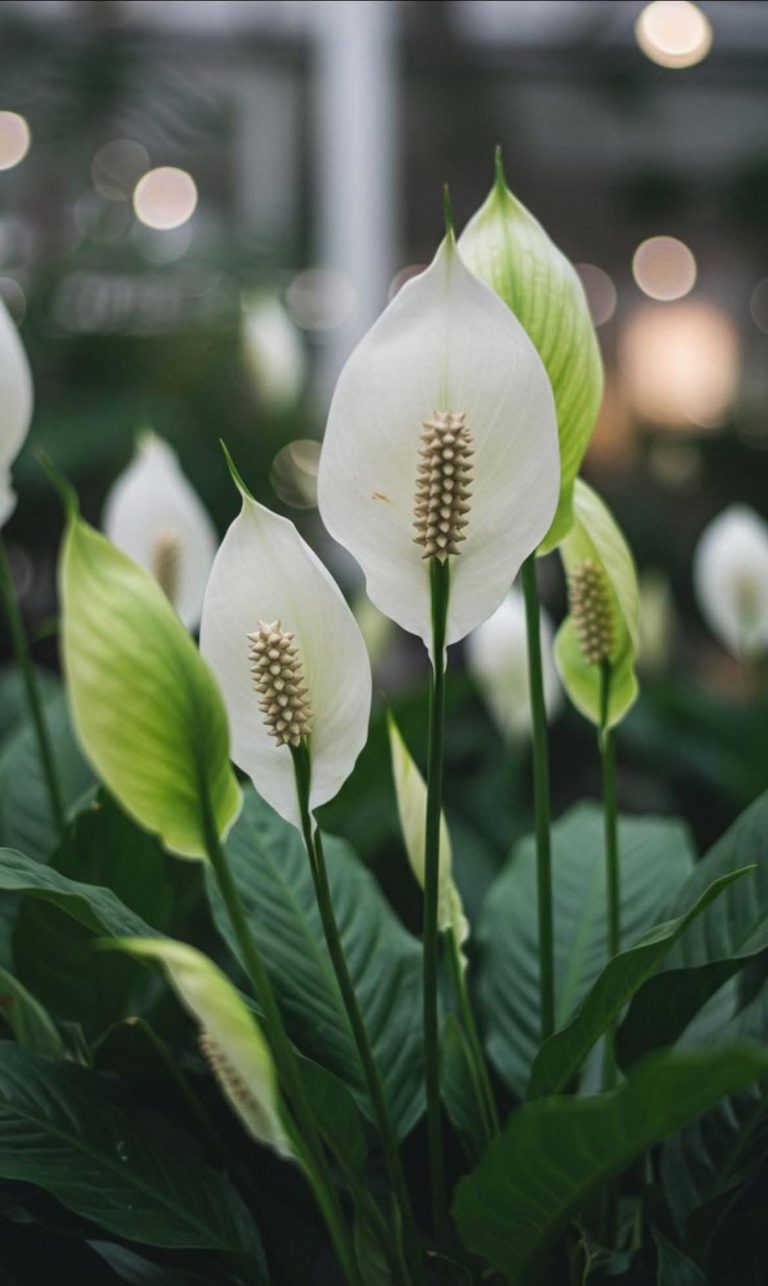
Peace lilies (Spathiphyllum) are popular houseplants known for their lush foliage and striking white blooms, which are actually specialized leaf bracts called spathes. These plants are a go-to for most gardeners because they’re low-maintenance and thrive in low light.
They also purify the air, making them a functional and beautiful addition to any home.
But when your peace lily stops blooming, it can feel like a personal betrayal. Those blooms are the plant’s crowning glory, and without them, it’s just a (still lovely) green houseplant.
Understanding why your peace lily isn’t blooming is the first step to bringing it back to its full potential.
Why Your Peace Lily Isn’t Blooming
Let’s break down the most common reasons your peace lily might not be blooming. I’ll share some personal experiences and practical tips to help you troubleshoot.
1. Insufficient Light
Peace lilies don’t need bright sunlight, but they do need the right amount of light to bloom. Too little light is a common culprit. I once placed my peace lily in a dim corner of my living room, thinking it would be fine. The leaves stayed healthy, but no flowers appeared.
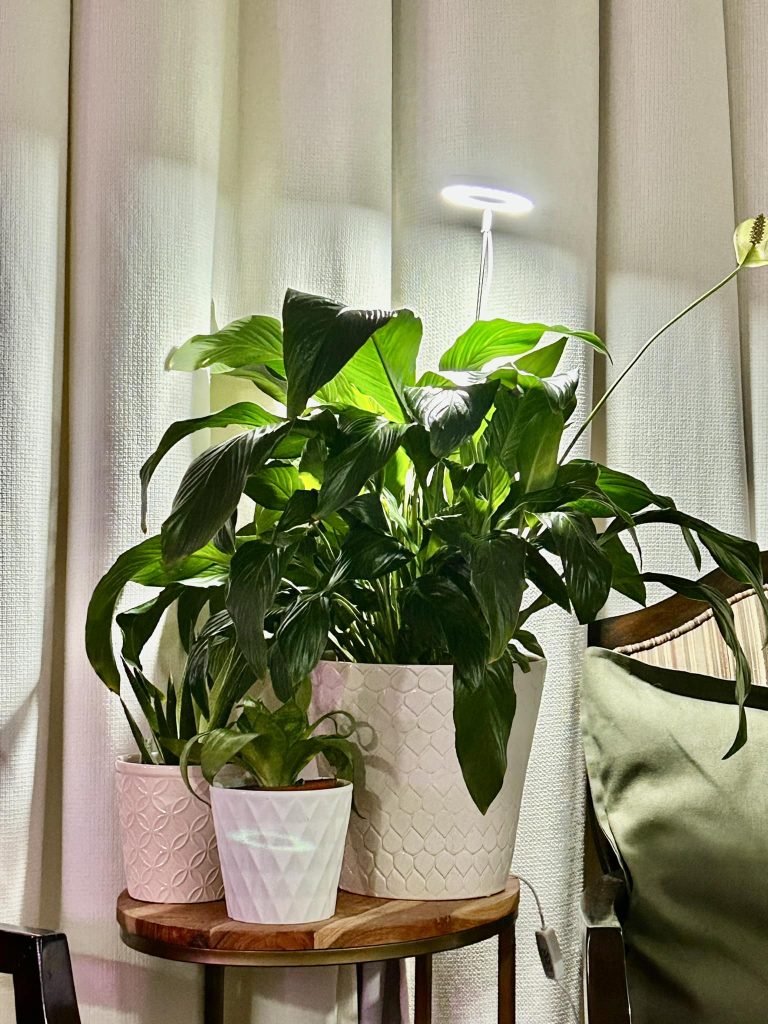
Fix: Place your peace lily in bright, indirect light. A north-facing window is ideal for American homes, as it provides soft, filtered light. If you only have low-light areas, consider supplementing with a grow light. Aim for 10-12 hours of light daily. Avoid direct sunlight, as it can scorch the leaves.
2. Improper Watering
Watering is tricky. Overwater or underwater, and your peace lily will not be happy. I learned this the hard way when I overwatered mine, thinking more water meant more love. The soil stayed soggy, and the plant stopped blooming. Overwatering stops the plant from getting nutrients and can cause root rot.
Fix: Water when the top inch of soil feels dry. Use room-temperature water and ensure the pot has drainage holes to prevent root rot. In American homes, where indoor humidity can vary, check the soil weekly. If the leaves droop, it’s a sign your plant is thirsty.
3. Lack of Nutrients
Peace lilies need nutrients to produce blooms. If you haven’t fertilized in a while, your plant might be starving. Nutrients are needed for energy production, which plants rely heavily on for flowering.
Fix: Use a balanced, water-soluble fertilizer (like 20-20-20) every 6-8 weeks during the growing season (spring and summer). Dilute it to half strength to avoid overfeeding. In fall and winter, reduce or stop fertilizing, as the plant’s growth slows.
4. Low Humidity
Peace lilies love humidity, which can be a challenge in dry American homes, especially during winter. When I moved to a house with central heating, my peace lily’s blooms vanished. This is because the air in my home was constantly dry.
Fix: Increase humidity around your plant. Place a tray of water with pebbles near the plant or use a humidifier. Misting the leaves occasionally can help, but don’t overdo it to avoid fungal issues. Aim for 40-60% humidity.
5. Incorrect Temperature
Peace lilies prefer warm temperatures, ideally between 65-80°F (18-27°C). If it’s too cold, blooming can stop. I once left my plant near a drafty window in winter, and it didn’t bloom for months.
Fix: Keep your peace lily in a warm spot away from cold drafts or heating vents. Most American homes are within the ideal temperature range, but check for sudden temperature drops near windows or doors.
6. Pot-Bound Roots
If your peace lily is crammed in a small pot, it might be root-bound, which can halt blooming. When I repotted my plant, I was shocked at how tightly packed the roots were. With pot-bound roots, the plant struggles to take up nutrients and other important supplies.
Fix: Check the roots every 1-2 years. If they’re circling the pot, it’s time to repot. Choose a pot 1-2 inches larger in diameter and use well-draining potting mix. Spring is the best time for repotting.
7. Aging Plant
Sometimes, a peace lily stops blooming because it’s past its prime. Older plants may produce fewer flowers. My oldest peace lily still blooms, but not as often as it used to.
Fix: If your plant is mature, focus on optimal care to encourage occasional blooms. You can also propagate a new plant from a healthy section to start fresh.
8. Lack of Gibberellic Acid
In commercial settings, peace lilies are often treated with gibberellic acid to induce blooming. At home, your plant might not get this boost, leading to fewer flowers.
Fix: While gibberellic acid isn’t practical for home use, you can mimic its effects by ensuring optimal light, water, and nutrients. Consistent care is key.
How to Encourage Blooming
Now that you know the culprits, let’s get your peace lily blooming again.
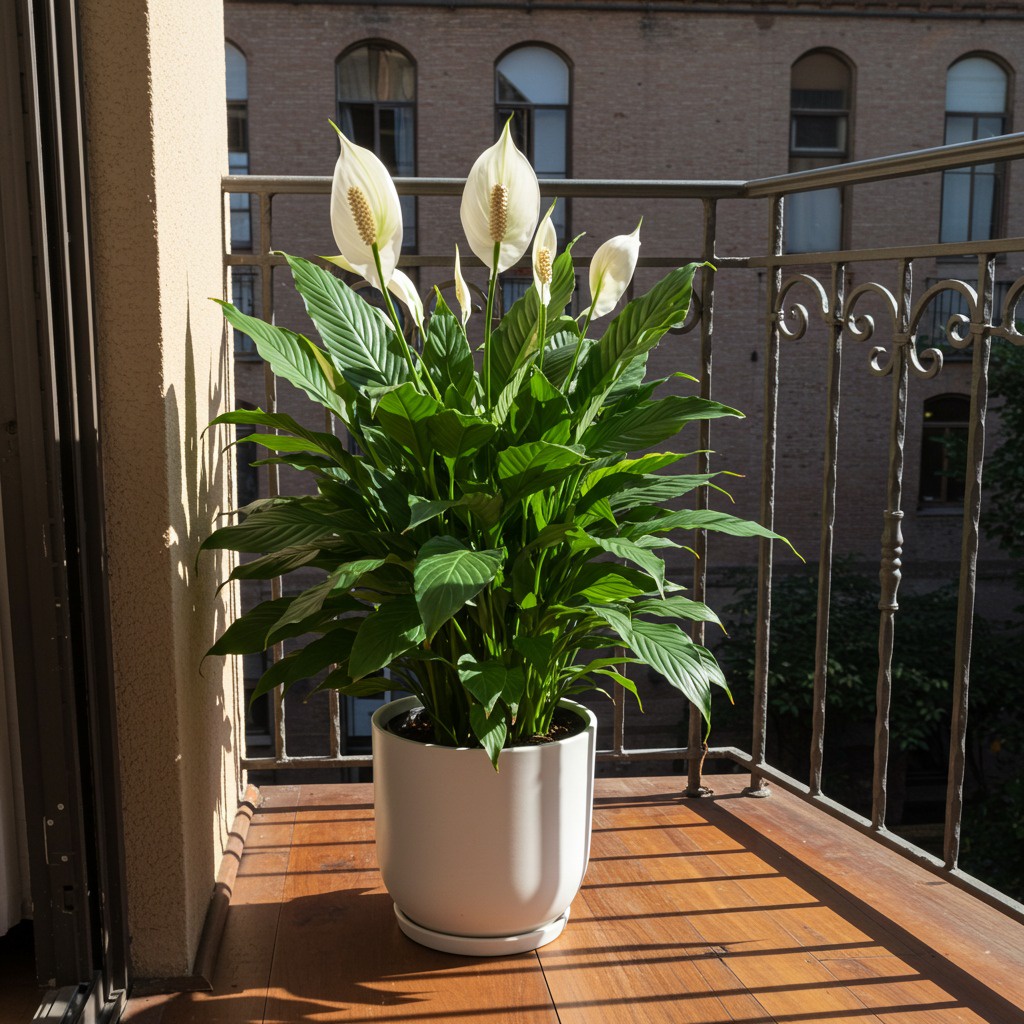
- Assess the light: Move your plant to a spot with bright, indirect light. If you’re unsure, use a light meter to measure intensity (aim for 200-400 foot-candles).
- Check watering habits: Stick your finger into the soil. If the top inch is dry, water thoroughly until it drains out the bottom. Empty the saucer to avoid soggy roots.
- Fertilize wisely: Start a fertilizing schedule in spring. Use a diluted liquid fertilizer every 6 weeks. Mark your calendar to stay consistent.
- Boost humidity: Place a humidifier nearby or set up a pebble tray. If you live in a dry region like the Southwest, this is critical.
- Monitor temperature: Keep your plant in a warm, stable environment. Use a thermometer to ensure it stays above 65°F.
- Inspect the pot: Gently remove the plant from its pot. If the roots are tightly packed, repot into a slightly larger container with fresh soil.
- Check soil pH: Peace lilies prefer slightly acidic soil (pH 5.8-6.5). Test your soil and amend with peat moss if needed.
- Be patient: Blooming takes time. With proper care, you might see flowers in 4-8 weeks, especially in spring or summer.
Caring for Your Peace Lily Year-Round
To keep your peace lily blooming, consistent care is essential.
Spring and Summer
- Light: Ensure bright, indirect light. Rotate the plant every few weeks for even growth.
- Watering: Water weekly, checking soil moisture. Increase frequency during hot summer months.
- Fertilizing: Feed every 6-8 weeks with diluted fertilizer.
- Humidity: Maintain moderate humidity. Mist lightly if needed.
Fall and Winter
- Light: Move closer to a window if natural light decreases. Supplement with a grow light if days are short.
- Watering: Reduce watering as growth slows. Check soil every 10-14 days.
- Fertilizing: Stop fertilizing unless the plant is actively growing.
- Humidity: Use a humidifier to combat dry indoor air from heating systems.
Common Mistakes to Avoid
I’ve made plenty of mistakes with my peace lilies. Here are some to watch out for:
- Overwatering: Soggy soil leads to root rot. Always check the soil before watering.
- Too much sun: Direct sunlight burns leaves, reducing blooming potential.
- Neglecting dust: Dusty leaves block light. Wipe leaves monthly with a damp cloth.
- Ignoring pests: Spider mites and mealybugs can stress the plant. Inspect regularly and treat with neem oil if needed.
Peace Lily Varieties and Blooming Potential
Not all peace lilies are the same. Some varieties bloom more readily than others. Here are a few popular ones s:
- Spathiphyllum ‘Mauna Loa’: Large, showy blooms. Great for bright spaces.
- Spathiphyllum ‘Domino’: Variegated leaves, moderate blooming.
- Spathiphyllum ‘Sensation’: Larger plant, fewer but bigger blooms.
Choose a variety suited to your home’s conditions. If you’re after frequent blooms, ‘Mauna Loa’ is a solid choice.
Troubleshooting Specific Issues
Sometimes, the problem isn’t obvious. Here are some specific scenarios I’ve encountered and how to address them.
- Yellow leaves: Often caused by overwatering or too much light. Check soil moisture and move to indirect light.
- Brown tips: Low humidity or overfertilizing. Increase humidity and flush soil with water to remove excess fertilizer.
- No blooms despite healthy leaves: Likely a light or nutrient issue. Adjust light exposure and start fertilizing.
FAQs
Q: How long does it take for a peace lily to bloom?
A: With proper care, peace lilies typically bloom in 4-8 weeks after optimal conditions are met, usually in spring or summer.
Q: Can a peace lily bloom in low light?
A: It’s unlikely. Peace lilies need bright, indirect light to bloom. Low light may keep leaves healthy, but won’t trigger flowers.
Q: Should I cut off dead blooms?
A: Yes, remove spent blooms by cutting the stalk at the base. This encourages new growth and potential blooms.
Q: Is my peace lily dying if it’s not blooming?
A: Not necessarily. A lack of blooms usually indicates environmental issues, not a dying plant. Check light, water, and nutrients.
Q: Can I force my peace lily to bloom?
A: You can’t force it, but optimizing light, water, and nutrients can encourage blooming. Be patient, as it takes time.
Conclusion
A peace lily not blooming can be frustrating, but it’s usually fixable. By addressing light, water, nutrients, humidity, and temperature, you can coax your plant back to its blooming glory. I’ve shared my own experiences to show you it’s possible, even if you’re not a plant expert. Follow the steps in this guide, avoid common mistakes, and be patient. Your peace lily will reward you with those stunning white blooms in no time.
References
- Missouri Botanical Garden. (2024). Spathiphyllum Care Guide. https://www.missouribotanicalgarden.org/PlantFinder
- Clemson Cooperative Extension. (2022). Indoor Plants: Peace Lily. https://hgic.clemson.edu/factsheet/peace-lily/

Tim M Dave is a gardening expert with a passion for houseplants, particularly cacti and succulents. With a degree in plant biology from the University of California, Berkeley, he has vast experience in gardening. Over the years, he has cultivated a vast collection of desert plants and learned a great deal about how to grow and care for these unique companions.