7 Reasons Peace Lily Leaves Are Curling and How to Fix
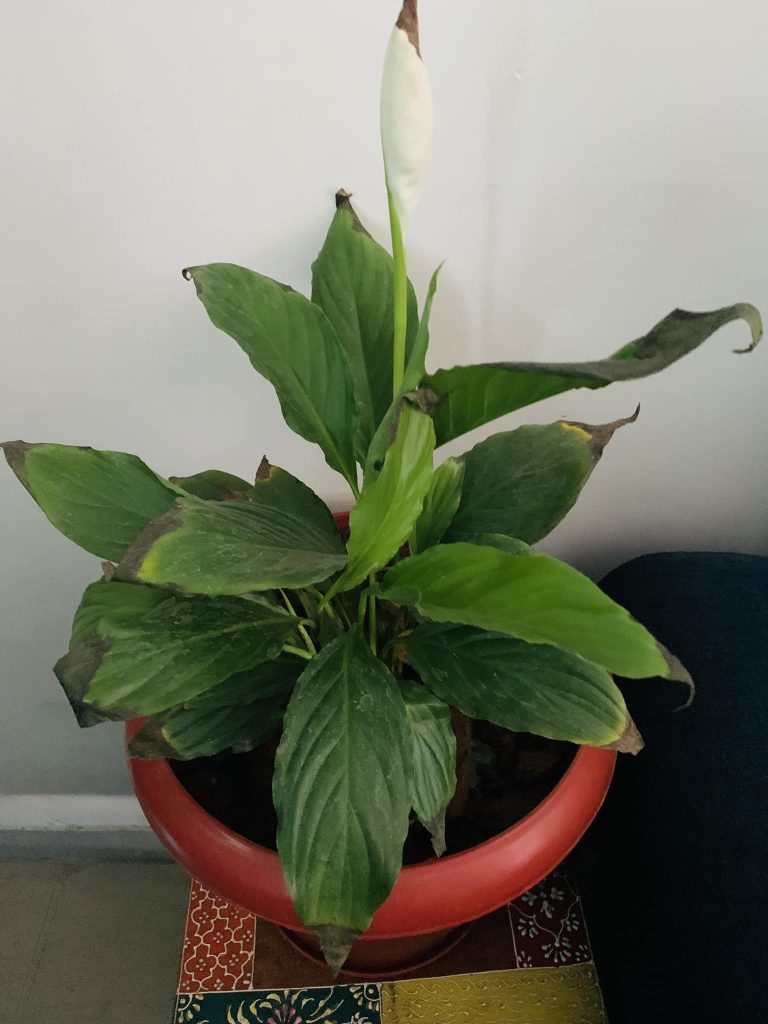
Are your peace lily leaves curling? Learn why it’s happening, how to fix it, and expert care tips to keep your plant lush and healthy. I’ve been there, staring at my peace lily’s curled leaves, wondering what I did wrong, but I managed to restore it to good health.
Curling leaves are your peace lily’s way of signaling something’s off. The most common causes include:
- Underwatering: Too little water stresses your plant.
- Overwatering: Too much water can harm roots.
- Low Humidity: Dry air can cause leaves to curl.
- Lighting issues: Too much or too little light can lead to curling.
- Environmental stress: Drafts or temperature swings can upset your lily.
- Pests or diseases: Bugs or infections may cause leaves to curl.
- Nutrient issues: Deficiencies or over-fertilizing can stress the plant.
Why Are My Peace Lily Leaves Curling?
Let’s dive into each cause, understand how it affects your peace lily, and share practical solutions to uncurl those leaves and restore your plant’s beauty.
1. Underwatering
I’ll admit, I’ve forgotten to water my peace lily before. Life got busy, and I came home to find its leaves curling inward like they were trying to hide. Underwatering is a top cause of curling leaves, especially in American homes where we sometimes neglect our plants.
Why It Happens
Peace lilies (Spathiphyllum) are native to the tropical rainforests of Central and South America, where they enjoy consistent moisture. When the soil dries out completely, the plant conserves water by curling its leaves, reducing surface area.
Signs of Underwatering
- Leaves curling inward or upward.
- Dry, brittle soil pulling away from the pot’s edges.
- Drooping or wilting leaves.
- Brown, crispy leaf tips.
How to Fix It
- Water thoroughly until it drains out the bottom. I soak my peace lily in the sink every 1-2 weeks, depending on the season.
- Check the soil weekly. In hot, dry areas like Arizona, you may need to water more often.
- Peace lilies love 40-60% humidity. Use a humidifier or mist the leaves in dry climates.
- After watering, leaves should uncurl within a day or two. If not, check for other issues.
Pro Tip: Set a phone reminder to check your plant’s soil. It’s been a lifesaver for me in keeping my peace lily hydrated!
2. Overwatering
Overwatering is another culprit. I once got overzealous with my watering can, thinking my peace lily needed constant moisture. The leaves started curling, and I realized I’d gone too far. Overwatering is a common gardening issue, especially with pots lacking drainage.
Why It Happens
Too much water causes root rot, which prevents roots from absorbing oxygen and nutrients. This stresses the plant, causing leaves to curl as a defense mechanism.
Signs of Overwatering
- Leaves curling with yellowing or browning.
- Soggy soil that smells musty.
- Soft or mushy roots.
- Wilting despite wet soil.
How to Fix It
- Stick your finger an inch into the soil to check moisture. If it’s wet, skip watering. I use a soil moisture meter for accuracy.
- Water only when the top inch of soil is dry, typically every 7-10 days in most American homes.
- Use a pot with drainage holes. I switched to a terracotta pot to manage moisture.
- If roots are rotting, trim damaged ones with sterilized pruning shears and repot in fresh, well-draining soil. I mix potting soil with perlite.
Pro Tip: In humid regions like Florida, reduce watering and ensure good air circulation to prevent fungal issues.
3. Low Humidity
Living in a dry climate taught me that peace lilies crave humidity. My plant’s leaves started curling when I moved to a low-humidity area. Dry air is a common issue in American homes, especially during winter.
Why It Happens
Peace lilies thrive in humid environments (40-60%), mimicking their rainforest origins. Low humidity causes leaves to curl to reduce water loss through transpiration.
Signs of Low Humidity
- Leaves curling inward, especially at the tips.
- Brown, crispy leaf edges.
- Slow growth despite proper care.
How to Fix It
- Use a humidifier to increase humidity or place a tray of pebbles with water under the pot.
- Lightly mist your plant a few times a week. I do this in the morning so the leaves dry before night.
- Group plants together to create a humid microclimate. My peace lily sits near other plants for this reason.
Pro Tip: Use a hygrometer to monitor humidity. Aim for 40-60% to keep leaves uncurled.
4. Lighting issues
Lighting can be tricky. I used to keep my peace lily in a dark corner, thinking it could handle low light. The leaves curled, and it stopped blooming. Too much direct sunlight can also cause curling by scorching leaves.
Why It Happens
Peace lilies prefer low to bright indirect light. Too little light slows growth, causing leaves to curl. Too much direct sun stresses the plant, leading to curling and burning.
Signs of Lighting Issues
- Leaves curling in low-light areas, especially older leaves.
- Brown, crispy spots from direct sun.
- Lack of blooms in dim conditions.
How to Fix It
- Place your peace lily near a north or east-facing window.
- Use sheer curtains for south or west-facing windows to diffuse light.
- Turn your plant every few weeks for even light exposure.
- In darker regions, a grow light can help during winter.
Pro Tip: Aim for 100-200 foot-candles of light. A light meter helps you find the perfect balance.
5. Environmental Stress
American homes can be tough on tropical plants. I once lived in a drafty old house, and my peace lily’s leaves curled near a cold window in winter. Temperature swings, drafts, or sudden changes can stress your plant.
Why It Happens
Peace lilies prefer stable conditions: 65-80°F (18-27°C) and 40-60% humidity. Sudden changes, like moving the plant or blasting the AC, can cause leaves to curl.
Signs of Environmental Stress
- Leaves curling after moving the plant.
- Curling near vents, heaters, or drafty windows.
- Wilting or browning alongside curling.
How to Fix It
- Keep your plant away from drafts, heaters, or AC vents. Mine thrives in a corner away from my front door.
- Use a humidifier or pebble tray to boost humidity. This is crucial in dry states like Nevada.
- Avoid sudden moves. If relocating your plant, do it gradually to minimize shock.
Pro Tip: Check humidity with a hygrometer. It’s a small tool that makes a big difference.
6. Pests or Diseases
Pests and diseases can sneak up on you. I once found tiny bugs on my peace lily, and the leaves were curling and browning. Spider mites were the problem. Infections like fungal leaf spot can also cause curling.
Why It Happens
Pests like spider mites, mealybugs, or aphids feed on leaf sap. This can cause leaves to curl. Fungal or bacterial diseases, often from overwatering, can also lead to curling.
Signs of Pests or Diseases
- Tiny webs (spider mites).
- White, cottony spots (mealybugs).
- Sticky residue or small bumps (aphids).
- Curling with brown or yellow spots (fungal leaf spot).
How to Fix It
- Check leaves regularly and stems for pests. I use a magnifying glass to spot tiny critters.
- Wipe leaves with a damp cloth or use neem oil. I spray neem oil every few days until pests are gone.
- Keep your peace lily away from other plants to prevent spreading.
- Remove affected leaves and improve air circulation. Consult your local extension service for fungicide recommendations.
Pro Tip: Quarantine new plants for a few weeks to avoid introducing pests to your peace lily.
7. Nutrient Issues
Nutrient problems can cause curling. I once over-fertilized my peace lily, thinking it needed a boost. The leaves curled, and I learned my lesson. Nutrient deficiencies can also stress the plant, leading to curling.
Why It Happens
Over-fertilizing burns roots, causing leaves to curl. Under-fertilizing depletes soil nutrients, weakening the plant and causing curling.
Signs of Nutrient Issues
- Curling with brown leaf tips (over-fertilizing).
- Pale or yellow leaves with curling (nutrient deficiency).
- Slow growth or small leaves.
How to Fix It
- Fertilize Sparingly using a balanced, water-soluble fertilizer like 20-20-20 NPK. I fertilize monthly during spring and summer.
- If over-fertilized, run water through the soil to flush out excess salts. I did this after my mistake, and it helped.
- Repot every 1-2 years. Fresh soil adds nutrients. I repotted my peace lily last spring, and it’s been thriving.
Pro Tip: Skip fertilizing in fall and winter when your plant rests. It doesn’t need extra food then.
Preventing Curling Leaves: Long-Term Care Tips
When I got my first peace lily, I thought it was low-maintenance. I placed it in a dark corner, watered it sporadically, and ignored its needs. Curling leaves were my wake-up call. After researching and tweaking my care routine, my peace lily now blooms regularly and adds charm to my home.
To keep your peace lily healthy, follow these tips:
- Check soil, light, and humidity weekly. Consistency is everything.
- Clean the leaves as dirt and dust blocks light. I wipe my peace lily’s leaves monthly with a damp cloth.
- Trim curled or dead leaves to encourage new growth.
- Inspect regularly to catch pests and other issues early.
- Reduce watering and fertilizing in fall and winter.
FAQs
Q: Why are my peace lily leaves curling inward?
A: Curling inward is often due to underwatering, low humidity, or pests. Check soil, humidity, and inspect for bugs.
Q: Can curled leaves uncurl?
A: Yes, if you address the cause (e.g., water or humidity), leaves may uncurl. Severe damage may require trimming.
Q: Should I cut off curled leaves?
A: Trim severely curled or damaged leaves with clean scissors to encourage new growth.
Q: Is my peace lily dying if its leaves are curling?
A: Not necessarily. Curling is a stress response, but your plant can recover with proper care.
Q: Can I use tap water for my peace lily?
A: Tap water is usually fine, but if it’s high in chlorine or fluoride, let it sit for 24 hours or use filtered water.
Q: Why isn’t my peace lily blooming?
A: Lack of blooms often means too little light. Move it to a brighter spot with indirect light.
Conclusion
Curling leaves on your peace lily can be frustrating, but they’re often fixable. Whether it’s underwatering, low humidity, or pests, identifying the cause is the first step. With the right care, your peace lily can thrive in your American home, adding beauty and serenity for years.
Additional Resources
- The Spruce: Peace Lily Care Guide
- University of Florida IFAS Extension: Peace Lily Care
- Missouri Botanical Garden: Spathiphyllum
- The Sill: Peace Lily Troubleshooting

Tim M Dave is a gardening expert with a passion for houseplants, particularly cacti and succulents. With a degree in plant biology from the University of California, Berkeley, he has vast experience in gardening. Over the years, he has cultivated a vast collection of desert plants and learned a great deal about how to grow and care for these unique companions.