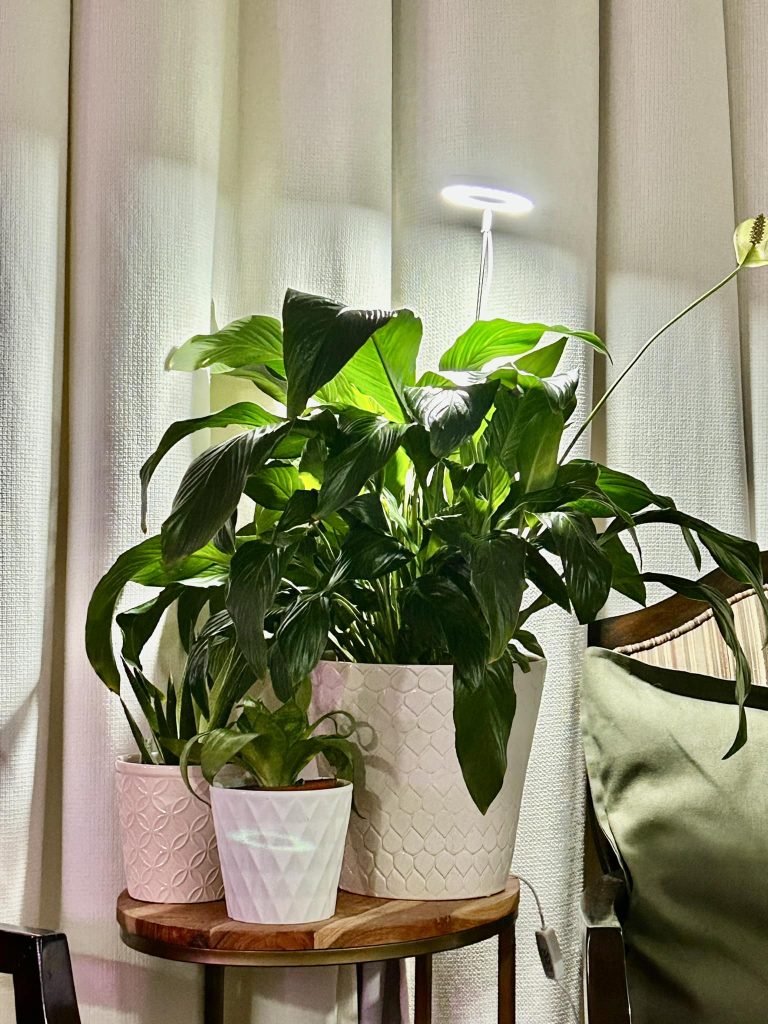
8 Reasons Your Peace Lily Flowers are Turning Black (And What to Do)
Peace lilies (Spathiphyllum) are more than just houseplants. They’re resilient companions that purify the air, making our homes safe. But when those iconic white “flowers” start blackening, it signals a cry for help. Before we understand why this happens, let’s start by getting to know your plant a little better.
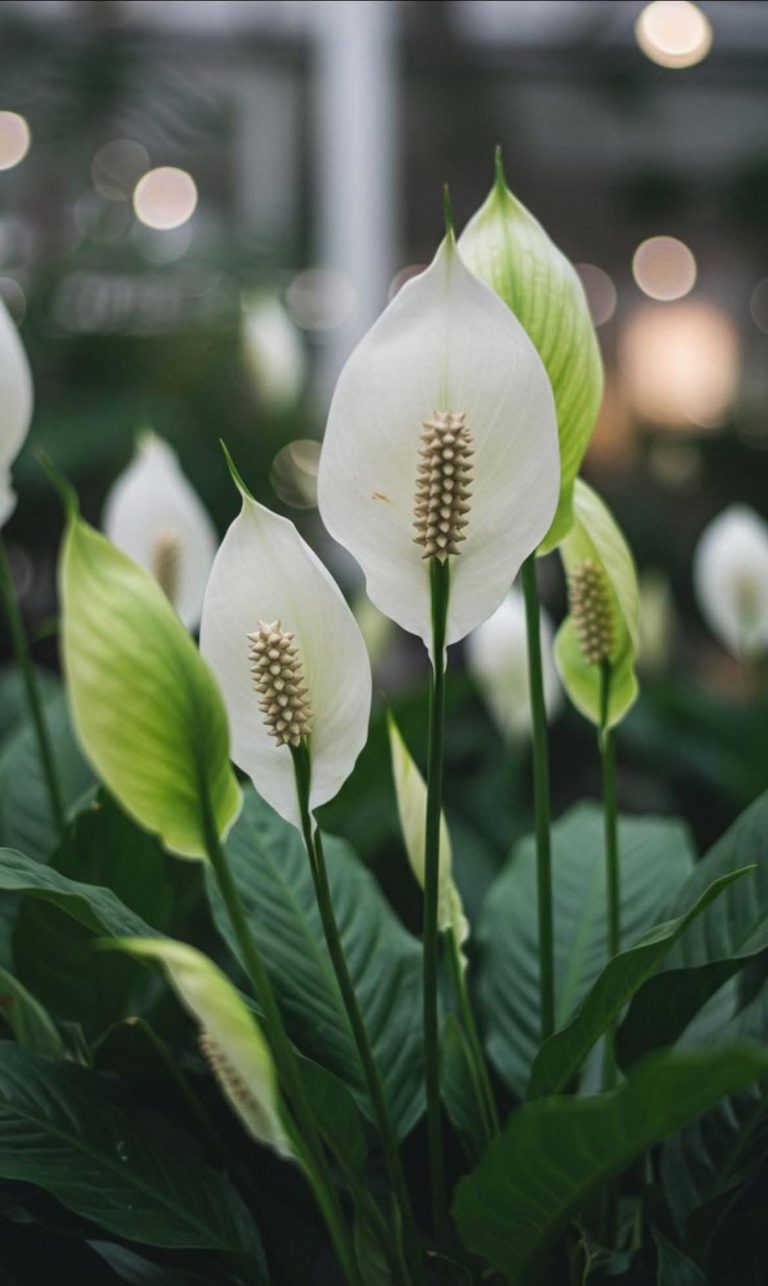
Peace lilies don’t have true flowers like roses. They have white bracts that cup a central spadix, the actual flower spike dotted with tiny blooms. The spathe starts creamy white, mimicking a calla lily, and lasts 4-6 weeks before fading.
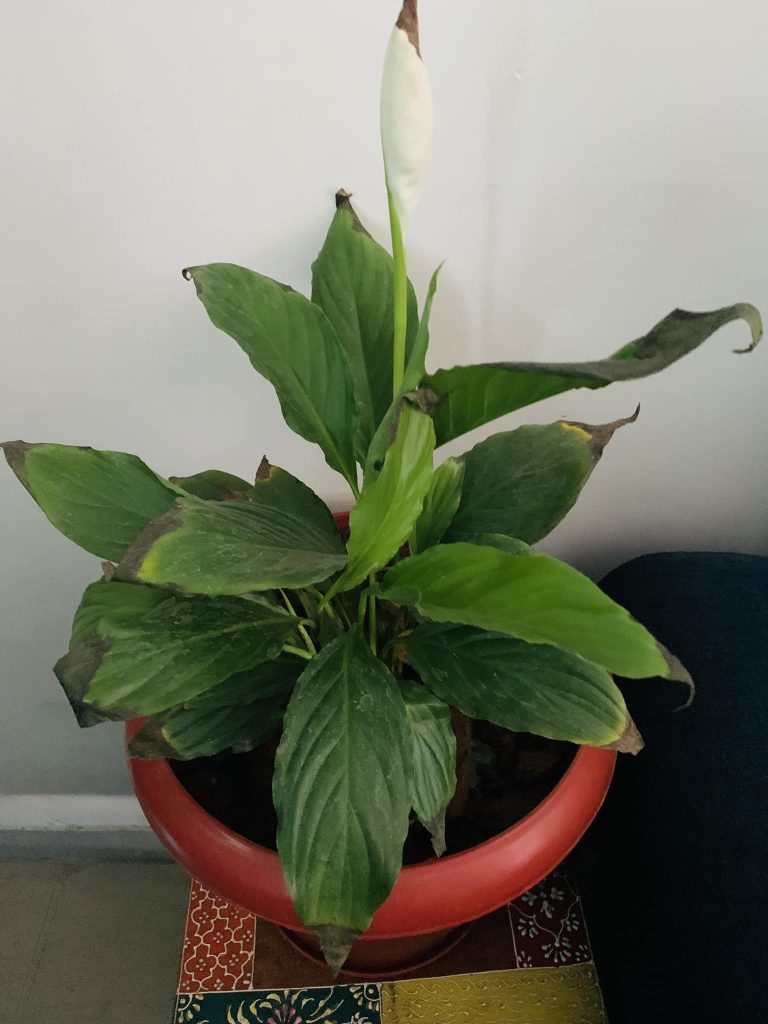
When flowers turn black, it’s often the spathe’s edges or the entire surface, sometimes accompanied by a blackened spadix. This discoloration isn’t just aesthetic; it robs the plant of energy for new growth. A healthy spathe signals thriving conditions.
Now, let’s unpack the causes and how you can fix this problem.
Why are My Peace Lily Flowers Turning Black?
Blackening isn’t random; it’s a symptom. Based on widespread reports from U.S. gardeners, here are the top reasons.
1. Natural Aging and Spent Blooms
Believe it or not, the most common reason your peace lily flowers turn black is that they’re just done. Like a wilting bouquet on your kitchen table, spathes naturally age, turning from white to yellow, then brown or black over time. This process signals the plant to redirect energy to leaves and roots.
Sometimes, you may as well notice your peace lily flowers turning green. This actually helps with photosynthesis.
How to fix
- Use clean shears to cut spent spathes at the base. This encourages reblooming in 4-6 weeks.
- In Zone 7-9 indoors, add a humidity tray (pebbles + water) for faster recovery.
2. Overwatering and Root Rot
Peace lilies crave moist soil but despise soggy feet. Excess water starves roots of oxygen, inviting bacterial or fungal rot that travels upward, blackening spathes and the spadix. In fact, overwatering accounts for up to 40% of houseplant failures, per extension services.
Poor drainage in decorative pots without holes or forgetting to empty saucers after watering are the main causes of root rot. In drought-prone areas, overcompensation (watering “just in case”) hits hard.
I learned this the hard way during a rainy spring; my peace lily sat in a waterlogged pot, blooms blackening overnight. Digging into the soil revealed mushy roots—lesson learned.
How to fix
- Assess roots and unpot gently. Trim black, mushy ones with sterilized scissors. Repot in fresh, well-draining mix (50% peat, 30% perlite, 20% bark).
- Finger-test top 1-2 inches and water only when dry.
- In humid climates like Florida, elevate pots on risers for airflow.
3. Low Humidity and Dry Air
Peace lilies hail from misty jungles, needing 40-60% humidity to keep spathes plump. American winters can be a nightmare. Forced-air heating in homes drops humidity to 10-20%, causing spathe edges to crisp and blacken, mimicking underwatering.
Signs to watch include black tips on spathes and leaves, especially near vents.
Picture my Chicago apartment last January: Furnace blasting, peace lily’s white flowers turning black like charred paper. A cheap humidifier changed everything—blooms perked up in weeks.
How to fix
- Humidify using pebble trays, grouping plants, or a humidifier targeting 50%.
- Many households in dry areas stash peace lilies in steamy showers to prevent their leaves and flowers from drying out. This mimics its native tropical rainforest environment.
4. Cold Drafts and Temperature Swings
These tropical divas thrive at 65-80°F (18-27°C). Dips below 50°F trigger cellular damage, blackening blooms as a stress response. In variable U.S. climates, this is common. During frost, I rushed my outdoor peace lily inside—too late for one bloom, which blackened defiantly.
How to fix
- Relocate away from drafts/windows. In cold Zones 4-6, use grow lights for a steady 70°F.
- Wrap pots in burlap for outdoor marginal growers.
- Fertilize lightly post-shock and expect new growth in 2-3 weeks.
5. Pests and Fungal Infections
Thrips, spider mites, or fungi love stressed plants, munching or spotting the spathes black. Overly moist conditions invite them. Both humid and dry air conditions invite pests and fungi. To detect these unwanted guests, watch for tiny webs and black speckles that spread.
How to fix
- Hose off pests or treat with neem oil or insecticidal soap weekly. For fungi, use copper fungicide as directed on the label.
- Prevent spread by isolating the affected plants.
- Improve air circulation around the plants with a fan.
6. Overfertilization and Salt Buildup
Peace lilies are not eager feeders. Excess fertilizer salts scorch roots, blackening blooms from the inside out. This is common with monthly “boosts” in nutrient-poor potting mixes.
In my enthusiasm for a blooming summer, I overfed once, which resulted in black blooms.
How to fix
- Run distilled water through the soil 3x pot volume; repeat monthly.
- Feed with half-strength balanced fertilizer (10-10-10) every 6-8 weeks, spring-fall only.
- In hard-water regions like the Midwest, use rainwater to avoid salt buildup.
7. Insufficient Light or Direct Sun Scorch
While peace lilies can survive in low light, they will not thrive and will not produce their signature white blooms. Too little light starves the plant, resulting in slow or stunted growth, reduced or no flowering, leggy leaves, and pale or blackened blooms.
On the other hand, too much sun on a peace lily can cause leaf scorch, leading to black or brown spots on flowers, and yellowing or wilting leaves. The plant may also experience stunted growth and, in some cases, the white flowers may turn green instead of white.
How to fix
- Choose an ideal spot, preferably an east-facing window or 4-6 hours of indirect sun. Use sheer curtains in sunny states.
- Supplement natural light with LED grow lights for winter-short days in the northern U.S.
8. pH Imbalance, Transplant Shock
Rare but real, alkaline soil (above pH 7) locks nutrients important for growth and blooming. Recent repotting also stresses the plant, resulting in drooping and yellowing leaves. Other effects include stunted growth, leaf drop, and sometimes brown or blackened flowers.
How to fix
- Test the soil for pH and amend with sulfur for alkalinity.
- Hold watering and fertilizer for 2 weeks post-transplant.
Prevention Strategies (Keeping Black Blooms at Bay)
Forewarned is forearmed. Here’s a seasonal playbook:
Spring/Summer (Active Growth)
- Water deeply but infrequently; mulch outdoor pots in Zones 10+.
- Fertilize sparingly and scout for pests weekly.
Fall/Winter (Dormancy)
- Reduce watering to about 50% and boost humidity around heaters.
- In snowy states, bring outdoorsy lilies in by October.
Year-Round Essentials
- Use well-draining pots (terracotta for dry areas).
- Water only when the top inch of the soil is completely dry.
- Rotate plants for even light.
- Do annual repotting in a fresh soil mix.
- In the arid Southwest, mist twice daily;
- Use shade cloth outdoors to prevent scorch.
Final thoughts
From the heartbreak of blackening peace lily flowers to the joy of fresh white spathes unfurling, this journey reminds us that gardening is about balancing your plant’s needs. In the U.S., where climates clash and lives bustle, these plants teach resilience and endurance in creating a vibrant garden.

Tim M Dave is a gardening expert with a passion for houseplants, particularly cacti and succulents. With a degree in plant biology from the University of California, Berkeley, he has vast experience in gardening. Over the years, he has cultivated a vast collection of desert plants and learned a great deal about how to grow and care for these unique companions.