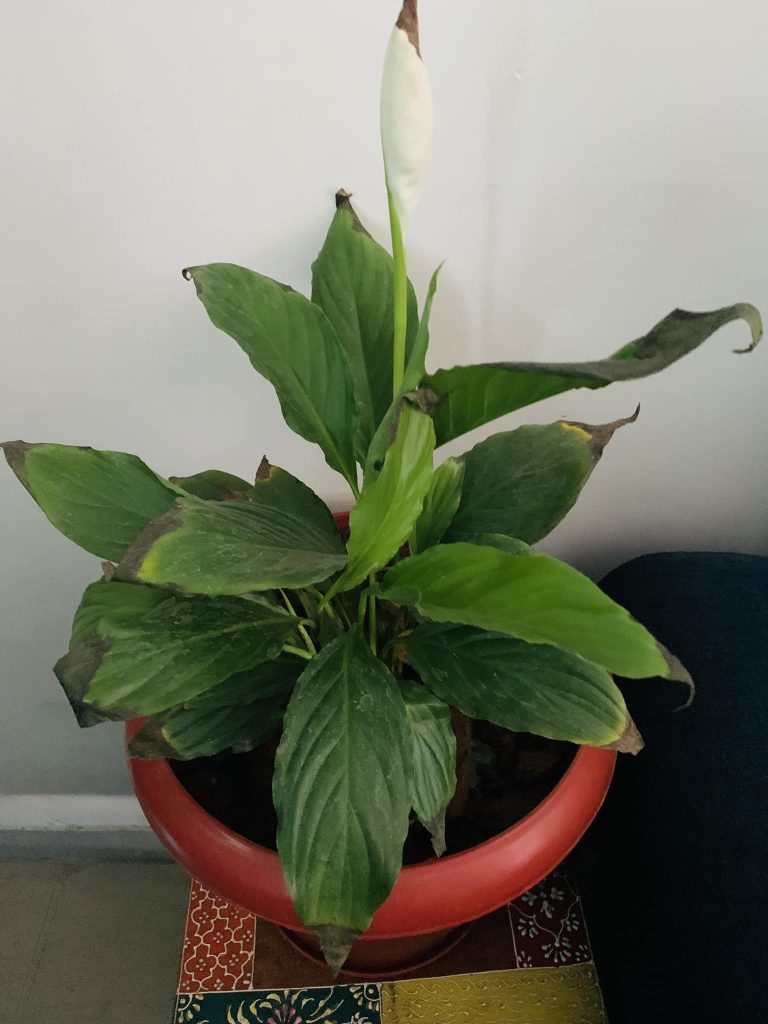
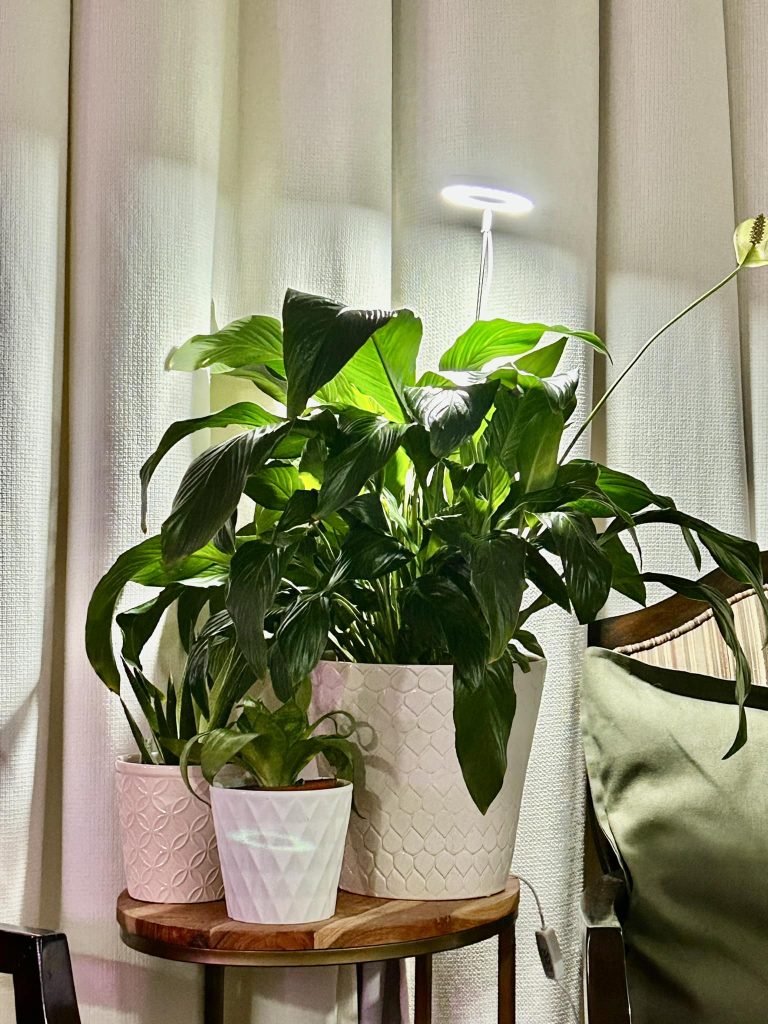
8 Reasons Your Peace Lily is Drooping + How to Fix
Peace lilies (Spathiphyllum) are a favorite houseplant across the U.S. because they’re low-maintenance, air-purifying, and add a touch of elegance to any space. But when they start to droop, it’s like they’re sending an SOS signal.
In this guide, I’ll break down the most common reasons your peace lily is drooping, how to fix it, and how to prevent it from happening again.
Why Is My Peace Lily Drooping?
A drooping peace lily is usually a sign that something in its environment or care routine is off. The good news? Most causes are fixable with a little TLC. Here are the top reasons your peace lily might be drooping:
- Underwatering
- Overwatering
- Improper Lighting
- Low Humidity
- Temperature Stress
- Poor Soil or Potting Issues
- Pests or Diseases
- Nutrient Deficiency
Each of these issues can make your peace lily look sad, but don’t panic. I’ll walk you through how to diagnose and fix each one.
1. Underwatering
The first time my peace lily drooped, I was guilty of neglecting its water needs. Peace lilies love consistently moist soil, and if they don’t get enough water, they’ll droop dramatically to let you know they’re thirsty.
Signs of Underwatering
- Leaves are limp and drooping.
- Soil feels dry to the touch.
- Leaf tips turn brown or crispy.
How to Fix It
- Water immediately to give your peace lily a thorough drink. I like to place mine in a sink and let water run through the soil until it drains out the bottom. This ensures the roots get enough moisture.
- Check the soil moisture by sticking your finger about an inch into the soil. If it’s dry, it’s time to water.
- Set a schedule depending on the season and climate. In most American homes, peace lilies need water every 7–10 days. In hotter states like Texas or Arizona, you might need to water more often.
Prevention Tips
- Use a pot with drainage holes to avoid water pooling.
- Check the soil weekly. If it’s dry an inch down, water it.
- In dry climates (like the Midwest in winter), mist the leaves occasionally to boost humidity.
2. Overwatering
Overwatering is just as bad as underwatering, and probably worse. Peace lilies don’t like sitting in soggy soil. Too much water can suffocate their roots, stopping them from taking up oxygen and nutrients. Lack of supplies will result in drooping leaves.
Signs of Overwatering
- Leaves droop even when the soil is wet.
- Yellowing leaves, especially at the base.
- A musty smell from the soil or signs of root rot (soft, brown roots).
How to Fix It
- Stop watering and let the soil dry out before watering again.
- If you suspect root rot, gently remove the plant from its pot and check the roots. Trim away any mushy, brown roots with clean scissors and repot in fresh, well-draining soil.
- Ensure your pot has drainage holes and use a well-draining potting mix (I recommend a mix of peat moss, perlite, and bark).
Prevention Tips
- Water only when the top inch of soil feels dry.
- Avoid letting the plant sit in a saucer of water.
- In cooler, humid areas like the Pacific Northwest, water less frequently to prevent soggy soil.
3. Improper Lighting
Peace lilies are forgiving when it comes to light, but they’re not fans of extremes. Too much direct sunlight can scorch their leaves, while too little light can cause them to droop and weaken.
Signs of Lighting Issues
- Too much light: Leaves turn yellow or brown, with crispy edges.
- Too little light: Leaves droop, and the plant stops producing flowers.
How to Fix It
- Move your peace lily to indirect light. Peace lilies thrive in bright, indirect light. I keep mine near an east-facing window in my home, where it gets gentle morning light. North-facing windows also work well.
- If your plant is in a sunny spot (common in Southern states like California or Florida), move it away from direct sunlight or use a sheer curtain to filter the light.
- In darker homes or during winter in northern states like Minnesota, consider a grow light to keep your peace lily happy.
Prevention Tips
- Rotate the plant every few weeks to ensure even light exposure.
- Clean the leaves with a damp cloth to remove dust and help the plant absorb light.
- Monitor seasonal changes in light, especially in regions with distinct seasons like the Northeast.
4. Low Humidity
Peace lilies are tropical plants, so they love humidity. Many American homes, especially those with central heating or air conditioning, can be too dry for these plants.
Signs of Low Humidity
- Leaves droop and feel soft.
- Leaf tips turn brown or curl.
- The plant looks lackluster despite proper watering.
How to Fix It
- Increase humidity: I place a tray of water with pebbles near my peace lily to create a humid microclimate. You can also use a humidifier, especially in dry states like Nevada or Utah.
- Mist the leaves: A quick spritz with a spray bottle can help, but don’t overdo it to avoid fungal issues.
- Group plants together: If you have other houseplants, cluster them to create a humid environment.
Prevention Tips
- Keep your peace lily away from heating vents or air conditioners.
- In winter, when indoor heating dries out the air (common in states like Illinois or Michigan), use a humidifier to maintain 40–60% humidity.
- Bathrooms or kitchens can be great spots for peace lilies, as these rooms tend to be more humid.
5. Temperature Stress
Peace lilies prefer temperatures between 65–80°F (18–27°C), which is typical for most American homes. But sudden temperature changes or drafts can stress them out, leading to drooping.
Signs of Temperature Stress
- Leaves droop or curl.
- The plant looks wilted despite proper care.
- Leaf edges turn black or brown.
How to Fix It
- Keep your peace lily away from drafty windows, air vents, or exterior doors. I once placed mine near a window in my Chicago apartment during winter, and it drooped from the cold draft.
- Maintain consistent temperatures. Aim for 65–80°F. If you live in a colder climate like Alaska or Maine, avoid placing the plant near uninsulated windows.
- In hot climates like Arizona, keep it away from radiators or sunny windowsills.
Prevention Tips
- Monitor your home’s temperature with a thermometer.
- In winter, move plants away from windows at night to avoid cold drafts.
- In summer, ensure good air circulation to prevent overheating.
6. Poor Soil or Potting Issues
If your peace lily is drooping, the soil or pot might be to blame. Compacted soil, poor drainage, or a pot that’s too small can stress the plant.
Signs of Soil or Potting Issues
- Soil stays wet for too long or feels hard and compacted.
- Roots are circling the pot or poking out of drainage holes.
- The plant droops even with proper watering and light.
How to Fix It
- If the roots are cramped, repot your peace lily into a slightly larger pot (1–2 inches bigger) with fresh, well-draining soil. I repotted mine last year, and it perked up within days!
- Use well-draining Soil. A mix of peat moss, perlite, and pine bark works well for peace lilies.
- Ensure the pot has drainage holes to prevent waterlogging.
Prevention Tips
- Repot every 1–2 years to refresh the soil and give roots room to grow.
- Avoid heavy, clay-like soils that retain too much water.
- If you’re in a region with hard water (like parts of Texas), use filtered or distilled water to prevent mineral buildup in the soil.
7. Pests or Diseases
Pests like spider mites or diseases like root rot can cause your peace lily to droop. While less common, these issues can sneak up if you’re not vigilant.
Signs of Pests or Diseases
- Tiny webs or specks on leaves (spider mites).
- Sticky residue or small bugs (aphids or mealybugs).
- Yellowing leaves with a foul-smelling soil (root rot).
How to Fix It
- Inspect for pests: Check the undersides of leaves for tiny bugs or webs. If you spot pests, wipe the leaves with a damp cloth and treat with neem oil or insecticidal soap.
- Treat root rot: If the soil smells bad, check the roots and trim any rotten ones. Repot in fresh soil and reduce watering.
- Improve air circulation: Ensure your plant isn’t overcrowded by other plants, which can encourage pests.
Prevention Tips
- Regularly inspect your peace lily for pests, especially if you bring new plants home.
- Avoid overwatering to prevent fungal diseases.
- Keep leaves clean to deter pests.
8. Nutrient Deficiency
If your peace lily is drooping and the leaves are pale or yellow, it might be hungry for nutrients. Peace lilies need occasional feeding to stay healthy.
Signs of Nutrient Deficiency
- Pale or yellowing leaves.
- Slow growth or no new leaves.
- Drooping despite proper water and light.
How to Fix It
- Fertilize sparingly with a balanced, water-soluble fertilizer (like 20-20-20) diluted to half strength. I feed mine once a month during spring and summer.
- If you suspect fertilizer buildup (common in areas with hard water), flush the soil with distilled water to remove excess salts.
Prevention Tips
- Fertilize only during the growing season (spring and summer).
- Avoid over-fertilizing, as it can burn the roots and cause drooping.
- Use filtered water to prevent mineral buildup.
Frequently Asked Questions (FAQs)
Q: How often should I water my peace lily?
A: Water when the top inch of soil feels dry, typically every 7–10 days. Adjust based on your home’s climate and season.
Q: Can a drooping peace lily recover?
A: Yes! Identify the cause and address it promptly. Most peace lilies bounce back with proper care.
Q: Why are my peace lily’s leaves turning yellow?
A: Yellow leaves are often caused by overwatering, too much direct sunlight, or nutrient deficiency. Check the soil, light, and fertilizing routine.
Q: Can I revive a peace lily with root rot?
A: If caught early, yes. Remove the plant from the pot, trim away rotten roots, and repot in fresh, well-draining soil. Reduce watering going forward.
Q: Is my peace lily drooping because of pests?
A: Pests like spider mites or aphids can cause drooping. Inspect the leaves and treat with neem oil or insecticidal soap if needed.
Q: Should I mist my peace lily?
A: Misting can help in dry climates, but don’t overdo it to avoid fungal issues. A humidifier or pebble tray is a better long-term solution.
Final thoughts
When my peace lily first drooped, I felt like a failure as a plant parent. I tried everything—watering more, watering less, moving it around the house. Finally, I realized it was sitting in a pot without drainage holes, and the roots were drowning.
After repotting it in a proper pot with fresh soil, it bounced back within a week. Now, I check the soil regularly, keep it in a bright corner of my living room, and mist it when the air feels dry. It’s thriving, and I’ve even gotten a few new blooms!
So, a drooping peace lily isn’t the end of the world—it’s just your plant’s way of asking for help. By checking for common issues like underwatering, overwatering, improper lighting, or low humidity, you can nurse it back to health.
References
- University of Florida IFAS Extension. (n.d.). Spathiphyllum: Peace Lily Care. https://edis.ifas.ufl.edu.
- Missouri Botanical Garden. (n.d.). Spathiphyllum Care Guide. https://www.missouribotanicalgarden.org.
- Penn State Extension. (n.d.). Common Houseplant Problems and Solutions. https://extension.psu.edu.
- The Spruce. (2023). How to Grow and Care for Peace Lilies. https://www.thespruce.com.

Tim M Dave is a gardening expert with a passion for houseplants, particularly cacti and succulents. With a degree in plant biology from the University of California, Berkeley, he has vast experience in gardening. Over the years, he has cultivated a vast collection of desert plants and learned a great deal about how to grow and care for these unique companions.