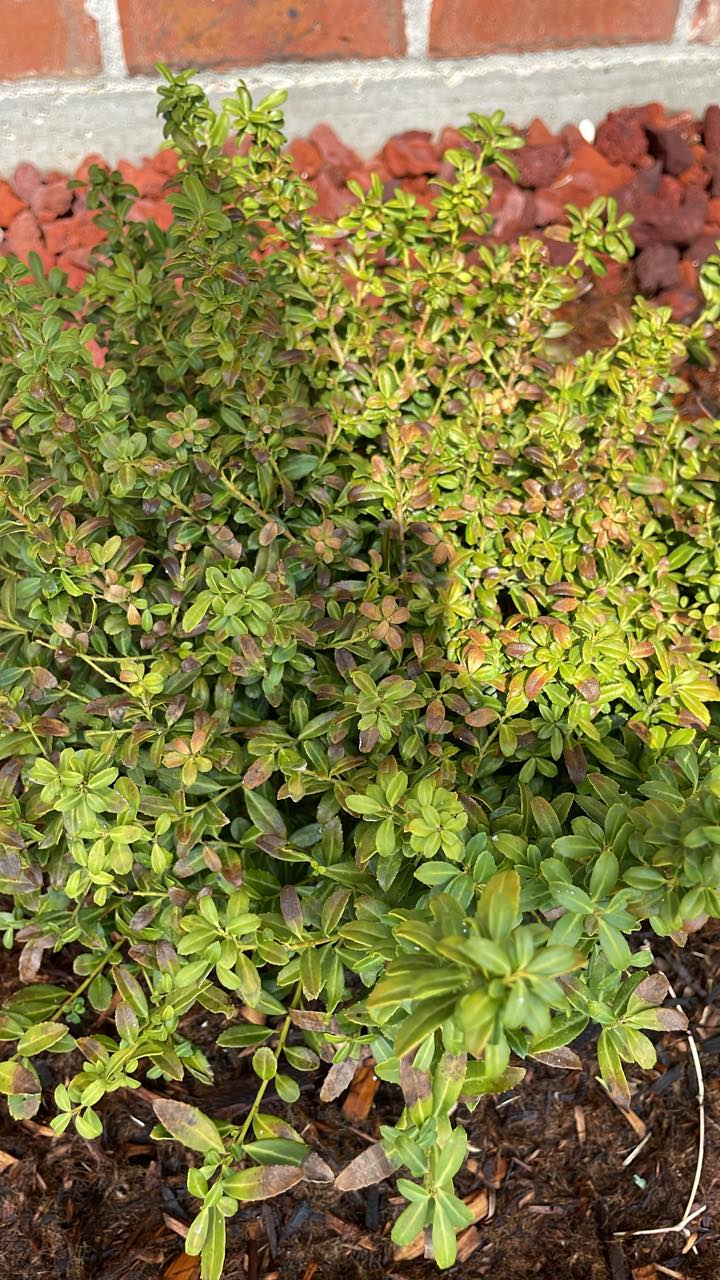
Understanding Paperbark Maple: Identification, Uses, Problems, and Cultivation Details
There are trees you plant for shade, trees you plant for fruit, and then there are trees you plant simply. The paperbark maple is firmly in that last category. Its peeling cinnamon-red bark is unlike anything else in the garden and impossible to ignore in every season in between.
If you are looking for a tree that earns its place in the landscape 365 days a year, this guide is for you. We cover everything: where the paperbark maple comes from, how it grows, how to plant and care for it, and why it deserves far more attention than it currently gets.
| Common Name | Paperbark Maple |
| Scientific Name | Acer griseum |
| Family | Sapindaceae |
| Native Range | Central China (Hubei and Sichuan provinces) |
| USDA Hardiness Zones | 4 – 8 |
| Mature Height | 20 – 30 feet (6 – 9 metres) |
| Mature Spread | 15 – 25 feet (4.5 – 7.5 metres) |
| Growth Rate | Slow to moderate (10–13 inches per year) |
| Tree Form | Upright oval to rounded |
| Leaf Type | Trifoliate, deciduous |
| Fall Color | Red, orange, scarlet |
| Bark | Exfoliating cinnamon-brown to copper-red |
| Sun Requirement | Full sun to partial shade |
| Soil Preference | Moist, well-drained, slightly acidic to neutral |
| Water Needs | Moderate |
| Drought Tolerance | Moderate once established |
| Wildlife Value | Attracts birds and pollinators |
| Deer Resistance | Moderate |
| Toxicity | Non-toxic to humans and pets |
| Landscape Use | Specimen, patio tree, woodland garden |
| Award | RHS Award of Garden Merit |
What Is the Paperbark Maple?
The paperbark maple (Acer griseum) is a small to medium deciduous tree native to central China. It was first introduced to Western horticulture in 1901 by plant explorer Ernest Henry Wilson, who collected seeds from Hubei Province on behalf of the Arnold Arboretum at Harvard University.
From that expedition, it traveled to gardens across Britain, Europe, and North America — and it has been treasured ever since.
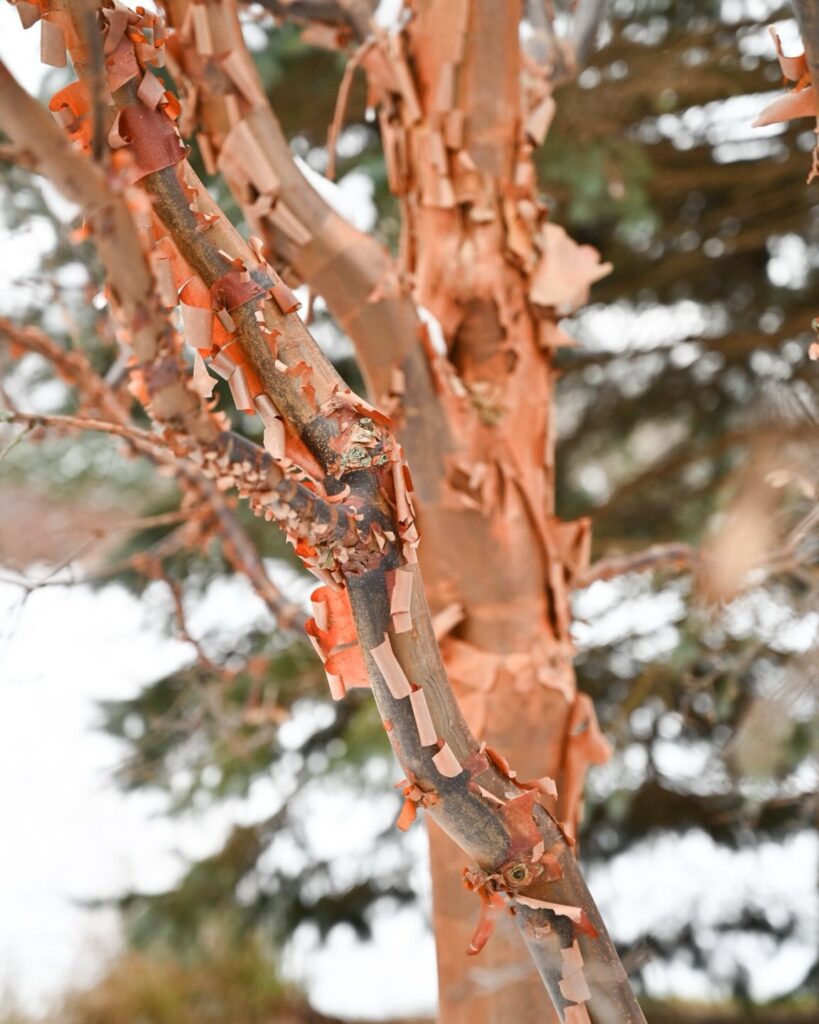
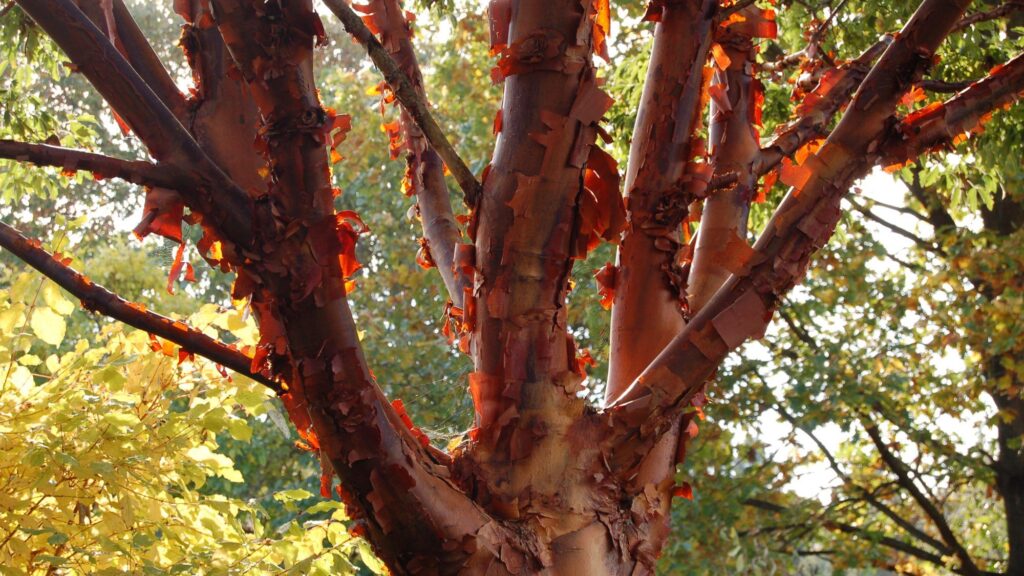
The tree’s most celebrated feature is its bark. As the tree matures, the outer bark peels away in thin, papery curls, exposing layers of warm cinnamon, copper, and mahogany underneath.
On a sunny winter afternoon, when the leaves are gone and the light catches those peeling strips, the effect is genuinely extraordinary.
It is worth noting that paperbark maple is considered rare in its native habitat. Wild populations in China are limited, which gives gardeners an extra reason to appreciate this tree’s presence in cultivation.
Botanical Description
Here is how to identify this amazing plant:
Bark
The bark is the undisputed star. Young trees may show smooth, brownish-grey bark, but as the tree ages — often as early as 3 to 5 years old — the exfoliation begins. Thin sheets peel back to reveal rich, warm tones beneath.
The colors range from orange-brown to deep cinnamon-red, and the peeling texture catches both light and shadow beautifully.
No two paperbark maples look exactly the same. The pattern of exfoliation varies between individual trees, making each one a small work of natural art.
Leaves
The leaves are trifoliate, meaning each leaf is made up of three leaflets. They are medium green on top and somewhat paler, with fine hairs, on the underside. The leaflets are ovate with irregularly toothed margins, measuring roughly 1.5 to 3 inches long.
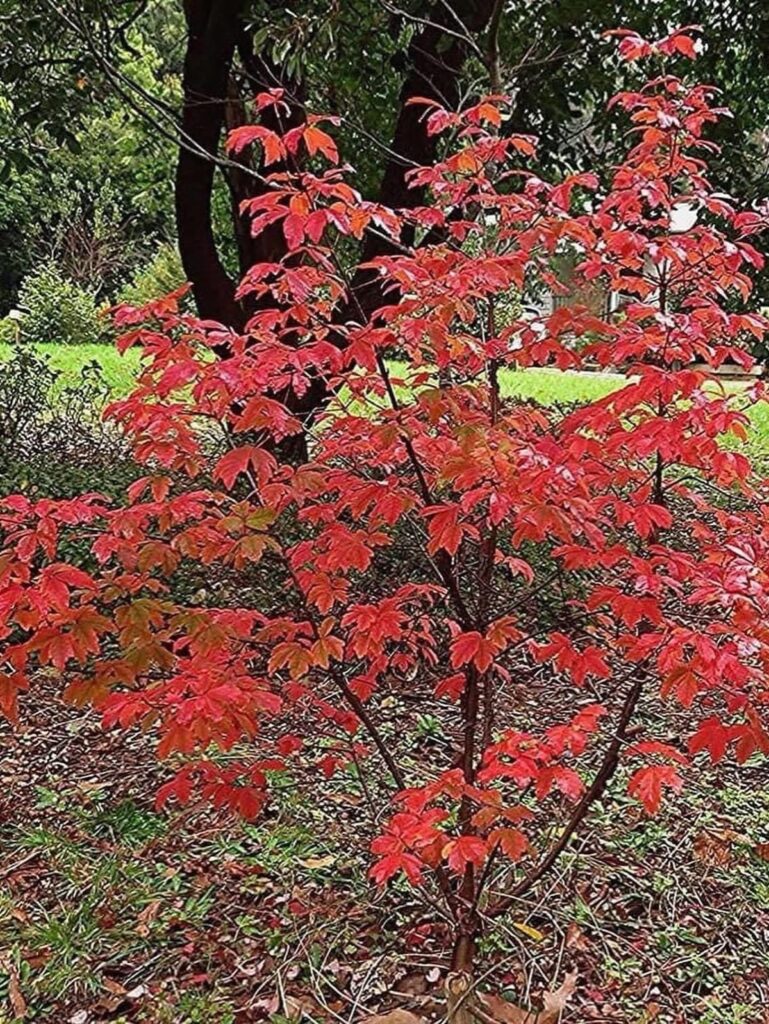
In autumn, the foliage transforms. Depending on growing conditions and the individual tree, the leaves turn brilliant shades of red, scarlet, orange, and sometimes bronze. The fall display, combined with the constantly beautiful bark, makes this one of the most multi-seasonal trees available.
Flowers and Seeds
The flowers are small, yellow-green, and appear in early spring before or alongside the emerging leaves. They are not showy but do attract early pollinators. The seeds develop as samaras — the familiar winged “helicopter” seeds associated with maples — appearing in pairs.
One interesting quirk: paperbark maple seeds have notoriously low germination rates in cultivation. This is one reason the tree remains relatively uncommon compared to other ornamental maples, despite its remarkable beauty.
Form and Size
Paperbark maple grows with an upright oval to rounded crown. It is genuinely small as trees go — 20 to 30 feet tall at maturity, and 15 to 25 feet wide. This compact size makes it suitable for gardens that cannot accommodate larger maples like sugar maple or red maple.
It is slow to moderate in growth rate, gaining roughly 10 to 13 inches per year under good conditions. Patience is part of the bargain with this tree — but the reward is a long-lived, low-maintenance specimen that improves with every passing year.
Growing Conditions
Hardiness Zones
Paperbark maple is hardy in USDA zones 4 through 8, tolerating winter temperatures as low as -30°F (-34°C) in zone 4. It performs well across a broad geographic range, from New England and the Upper Midwest through the Mid-Atlantic states and into parts of the South.
In hotter climates approaching zone 9, heat and drought stress can be a challenge. Some afternoon shade and consistent moisture help in warmer regions.
Sunlight
This tree thrives in full sun to partial shade. In cooler northern climates, full sun brings out the best fall color and encourages healthy bark development. In warmer southern zones, light afternoon shade reduces heat stress and keeps the foliage looking fresh through summer.
Soil
Paperbark maple is adaptable but performs best in moist, well-drained soil with a slightly acidic to neutral pH (5.5 to 7.0). It tolerates clay soils better than many ornamental trees but struggles in poorly drained, waterlogged conditions.
Good organic matter in the soil helps retain moisture and supports steady growth. If your native soil is heavy clay, work in compost before planting to improve drainage and aeration.
Water
Consistent moisture is important, especially during the first two to three years after planting. Once established, the tree develops moderate drought tolerance but still benefits from deep watering during prolonged dry spells.
Do not let young trees dry out. Moisture stress in the first few growing seasons can set back development significantly.
How to Plant a Paperbark Maple
Choosing a Location
Select a spot with enough room for the tree to reach its mature size. Because paperbark maple is relatively small, it works in spaces where larger trees would not — near patios, alongside buildings, in courtyard gardens, or as a focal point in a mixed shrub border.
Think carefully about the viewing angle. The bark is best appreciated at close range, in winter light. Place the tree where it can be seen from inside the house or from a frequently used outdoor area.
Planting Steps
- Dig the hole two to three times wider than the root ball and no deeper than the root ball itself.
- Remove the tree from its container or burlap wrapping carefully.
- Position the tree so the root flare (where the trunk meets the roots) sits slightly above the surrounding soil level.
- Backfill with the original soil, firming it gently in layers to eliminate air pockets.
- Water thoroughly at planting and keep the root zone consistently moist for the first growing season.
- Mulch a 3–4 inch layer around the base, extending to the drip line. Keep mulch away from direct contact with the trunk.
The best planting times are early spring (before new growth begins) or early to mid-autumn (while the soil is still warm enough for root establishment).
Paperbark Maple Care
Watering After Establishment
Once established, water deeply during dry periods rather than watering shallowly and frequently. Deep watering encourages roots to grow downward, improving drought resilience over time.
Fertilization
Paperbark maple is not a heavy feeder. Apply a balanced slow-release fertilizer in early spring, just as new growth begins. Avoid high-nitrogen fertilizers, which promote leafy growth at the expense of bark quality and tree structure.
Soil testing every few years helps confirm that pH and nutrient levels remain appropriate. Overfertilizing can actually cause more harm than benefit with slow-growing ornamental trees.
Pruning
One of the great things about paperbark maple is that it requires very little pruning. Its natural form is attractive without intervention. Remove dead, damaged, or crossing branches in late winter before bud break.
If shaping is needed, do it lightly and minimally. Avoid heavy pruning, which can disfigure the natural crown and create large wounds on a slow-growing tree.
Mulching
Maintain a consistent mulch layer of 2–4 inches around the base of the tree throughout the year. Mulch conserves soil moisture, moderates root temperature, suppresses weeds, and gradually improves soil structure as it breaks down.
Organic mulches such as shredded wood chips, pine bark, or composted leaves work well. Refresh the layer each spring.
Pests and Diseases – Common Problems
Paperbark maple is notably resistant to most serious pests and diseases, which is another reason experienced gardeners value it so highly. That said, a few issues can arise:
Aphids
Small populations of aphids occasionally appear on new growth in spring. In most cases, natural predators like ladybirds manage the problem without intervention. A strong jet of water or insecticidal soap spray handles persistent infestations.
Verticillium Wilt
This soil-borne fungal disease can affect maples, causing wilting and branch dieback. Good soil drainage and avoiding soil disturbance around the root zone reduce risk. There is no chemical cure; affected branches should be pruned and destroyed.
Scorch
In hot, dry summers, the leaf margins may scorch brown. This is an environmental response, not a disease. Consistent watering and mulching prevent most cases of scorch.
Root Rot
Prolonged waterlogging causes root rot in virtually any tree. Never plant paperbark maple in a low-lying spot where water pools after rain. Raised planting (positioning the root flare slightly above grade) provides some insurance against moisture problems.
Landscape Uses
Specimen Tree
The paperbark maple is, above all, a specimen tree — one placed for maximum visual impact. Its year-round ornamental value makes it perfect as a standalone feature in a lawn, a courtyard, or a formal garden.
Patio and Small Garden Tree
Its modest mature size makes it ideal for smaller urban and suburban gardens. It fits comfortably near patios and seating areas where its bark can be appreciated up close and its light canopy provides dappled shade without blocking sunlight from windows.
Woodland Garden
In a naturalistic or woodland garden setting, paperbark maple fits perfectly among other specimen trees, large shrubs, and shade-tolerant perennials. Pair it with hostas, ferns, hellebores, or Japanese forest grass beneath for a layered, all-season planting.
Winter Garden
Few trees contribute more to a winter garden than paperbark maple. When deciduous trees are bare and the garden feels dormant, the glowing copper bark stands out beautifully against snow, evergreen backgrounds, or winter sky. Planting it where it catches low winter sunlight doubles the effect.
Street and Urban Planting
Its modest size, adaptability to urban soils, and resistance to pests make paperbark maple increasingly popular for street-side and urban landscape planting in suitable hardiness zones.
Companion Plants
Choosing the right companions enhances the paperbark maple’s visual impact:
- Evergreen shrubs like boxwood or yew provide a dark green backdrop that makes the copper bark glow in contrast.
- White-barked birches nearby create an interesting bark-texture garden with beautiful seasonal contrasts.
- Winter-flowering shrubs such as witch hazel (Hamamelis) or wintersweet (Chimonanthus) extend the winter interest around the base.
- Ground covers like pachysandra, sweet woodruff, or epimedium fill the understory and complement the tree’s fine texture.
- Spring bulbs — snowdrops, crocuses, and small daffodils — naturalized beneath the canopy bring the area to life just as the tree’s new leaves emerge.
Paperbark Maple vs. Other Ornamental Maples
It helps to understand how paperbark maple compares with other popular ornamental species:
| Feature | Paperbark Maple | Japanese Maple | Coral Bark Maple |
| Bark Interest | Exceptional (peeling copper) | Moderate | Good (red stems) |
| Fall Color | Very good (red/orange) | Outstanding | Moderate |
| Mature Size | 20–30 ft | 6–25 ft | 20–25 ft |
| Cold Hardiness | Zone 4 | Zone 5–6 | Zone 5 |
| Growth Rate | Slow–moderate | Slow | Moderate |
| Drought Tolerance | Moderate | Low–moderate | Moderate |
| Best Season | All year, especially winter | Autumn | Winter |
The paperbark maple is less widely planted than the Japanese maple, but it has a strong case for being the more versatile, four-season performer — especially in colder climates where Japanese maple may not thrive.
Frequently Asked Questions
How fast does a paperbark maple grow? Paperbark maple is slow to moderate in growth rate, adding roughly 10 to 13 inches per year under good conditions. Expect it to take 10 to 15 years to reach a significant size.
When does the bark start peeling? The characteristic exfoliating bark typically begins to develop when the tree is 3 to 5 years old. It becomes more dramatic as the tree matures.
Is paperbark maple messy? No more than any other deciduous tree. The peeling bark strips are small and do not create a significant litter problem. The leaf drop in autumn is modest given the tree’s size.
Can paperbark maple grow in containers? Yes, for a limited time. Young trees can be grown in large containers, but long-term container culture restricts root growth and limits the tree’s development. Ground planting is strongly preferred for long-term specimens.
Is paperbark maple deer resistant? It has moderate deer resistance. Deer may browse new growth when other food sources are scarce. Protective fencing or repellent sprays can help in areas with high deer pressure.
Final Thoughts
I will be direct: this is one of those trees that experienced gardeners rarely regret planting. It asks very little — reasonable soil, consistent moisture while young, and a spot where it can grow in peace. In return, it gives you extraordinary bark, reliable fall color, attractive form, and almost no pest or disease trouble.
The fact that it remains less common than it deserves is partly a quirk of horticulture: its poor seed germination makes propagation challenging, which keeps supply limited and prices higher than average. But that rarity is also part of what makes it special.
Plant one where you can see it from a window on a grey winter morning. You will understand why plant explorer Ernest Wilson was moved to carry it back from China over a century ago.
References
- Arnold Arboretum of Harvard University – Acer griseum Plant Record https://arboretum.harvard.edu/plants/plant-finder/
- NC State Extension – Acer griseum Plant Profile https://plants.ces.ncsu.edu/plants/acer-griseum/
- University of Florida IFAS Extension – Selecting Landscape Trees https://edis.ifas.ufl.edu/publication/ST036
- Penn State Extension – Landscape Tree Selection and Care https://extension.psu.edu/landscape-tree-selection
- University of Wisconsin-Madison Arboretum – Woody Plants Resource https://arboretum.wisc.edu/learn/plants/

Tim M Dave is a gardening expert with a passion for houseplants, particularly cacti and succulents. With a degree in plant biology from the University of California, Berkeley, he has vast experience in gardening. Over the years, he has cultivated a vast collection of desert plants and learned a great deal about how to grow and care for these unique companions.