Overwatered ZZ Plant: Signs and How to Rescue Your Zanzibar Gem
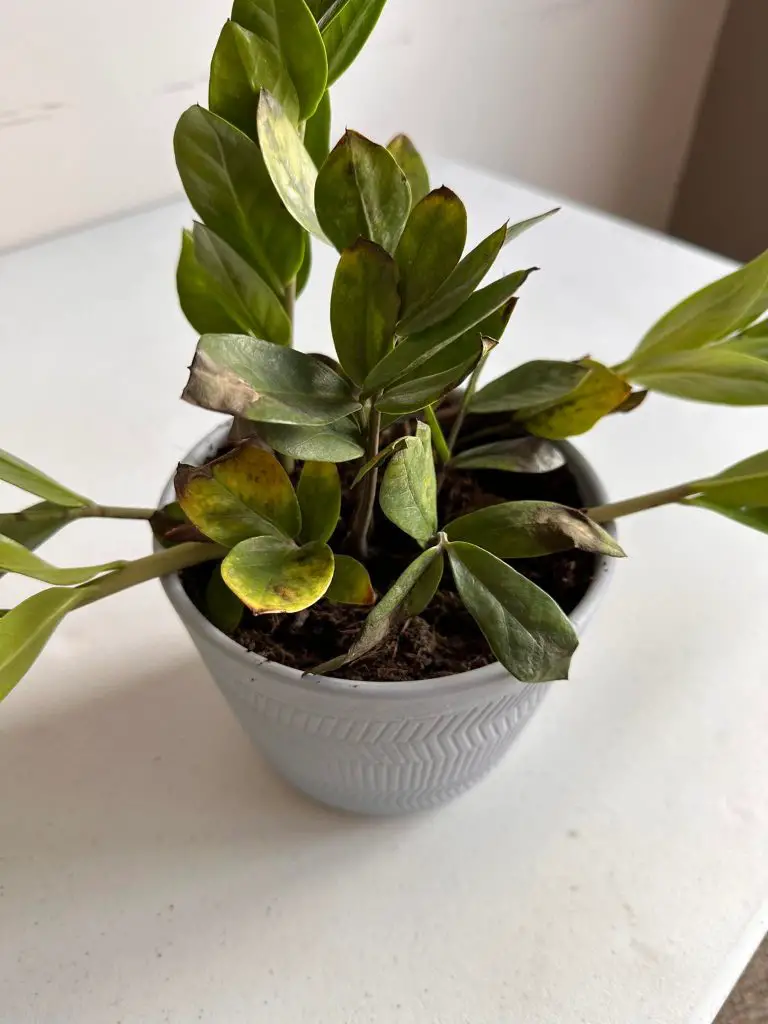
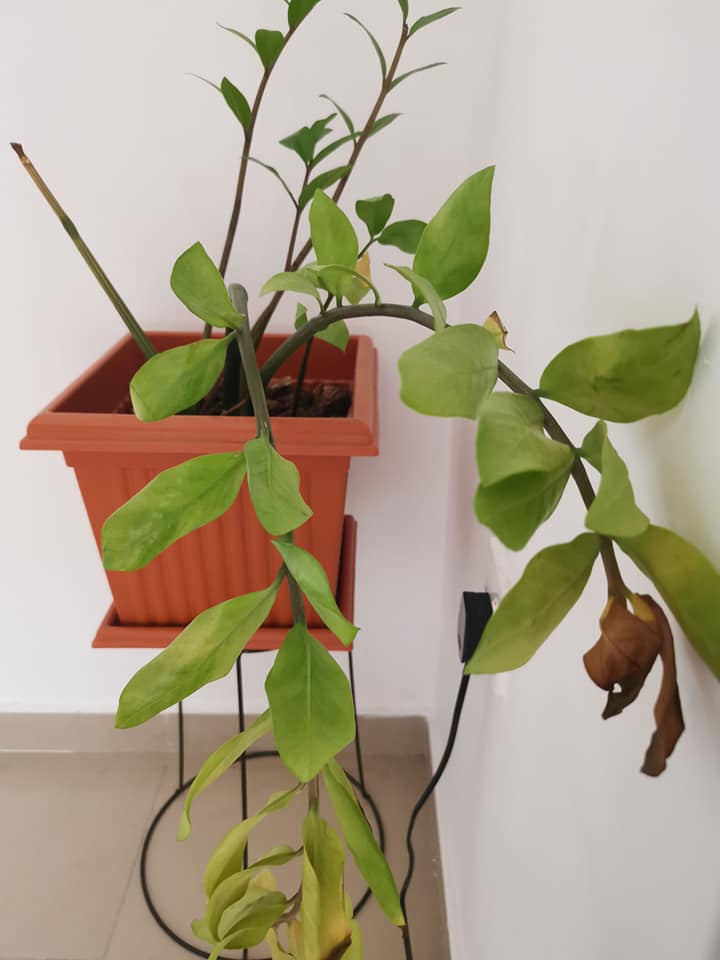
I’ll never forget the moment I realized my ZZ plant wasn’t its usual perky self. Those glossy, upright leaves I loved were turning yellow and droopy. Surprisingly, the soil felt like a swamp. My heart sank—I’d been overwatering my supposedly indestructible ZZ plant!
If you’re in the same boat, staring at a soggy ZZ plant and wondering how to fix it, don’t panic. Overwatering is a common mistake, especially in homes where we’re eager to nurture our plants.
In this guide, I’ll share my journey of rescuing my overwatered ZZ plant, along with prevention strategies to keep your plant thriving. But before that, lets understand a little more about this succulent-like plant and why is it so popular.
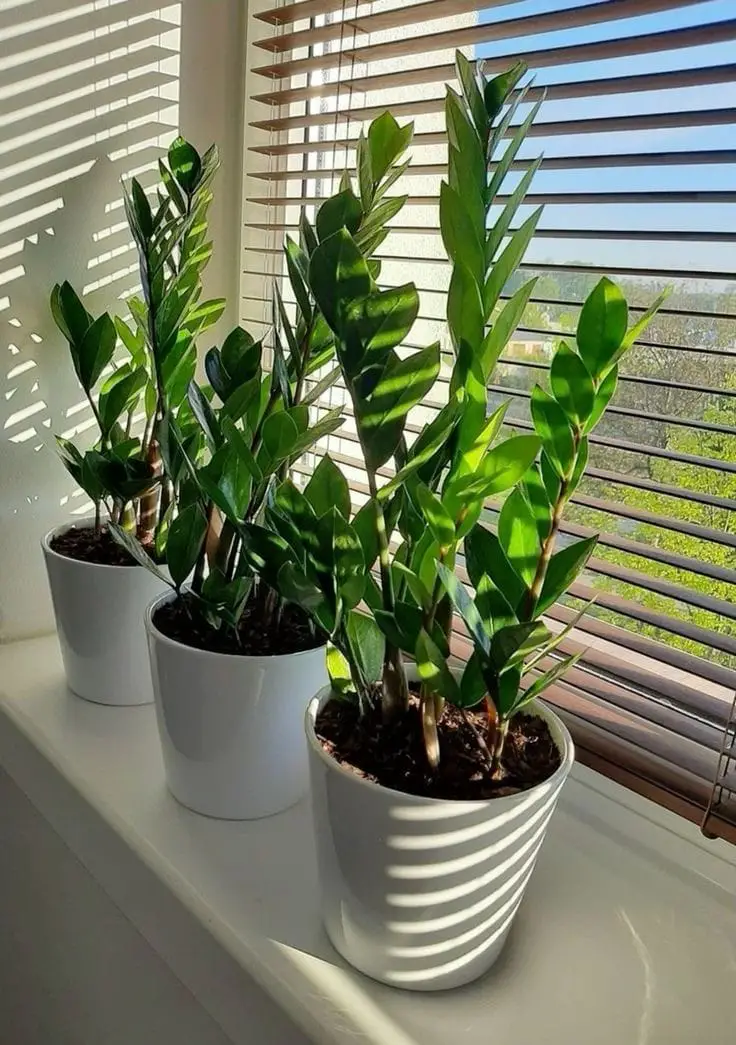
Native to East Africa, the ZZ plant (Zamioculcas zamiifolia) is a survivor, thriving in low light and needing minimal care. With shiny, dark green leaves and sturdy stems, it is a favorite in most homes in the U.S. Its thick rhizomes store water, making it drought-tolerant.
But even this tough plant can suffer from too much love—specifically, too much water. Let’s explore why overwatering happens and how to fix it.

Why Does Overwatering Happen to ZZ Plants?
I used to think watering my ZZ plant every week was a good idea. After all, plants need water, right? Wrong! ZZ plants are succulents at heart, built for arid conditions. Overwatering is the top reason they struggle. Here’s why it happens:
Overzealous watering habits
Like many plant parents, I watered my ZZ plant on a schedule, not checking if it needed it. The rhizomes store water, so frequent watering can overwhelm the plant, leading to soggy soil and stressed roots.
Signs of overzealous Watering:
- Yellowing or wilting leaves.
- Soft, mushy stems at the base.
- Soil that stays wet for days.
Poor drainage – A Recipe for disaster
My first ZZ plant was in a cute pot with no drainage holes. Water pooled at the bottom, trapping moisture and suffocating the roots. Many American households use decorative pots without drainage, which can spell trouble for ZZ plants.
Signs of Poor Drainage:
- Water sits in the pot after watering.
- Soil feels soggy long after watering.
Heavy soil mix – Holding too much water
I started with regular potting soil, which was too dense for my ZZ plant. In humid regions like the Southeast, heavy soil retains moisture, increasing the risk of overwatering issues.
Signs of wrong soil:
- Soil stays damp for weeks.
- Roots look waterlogged when inspected.
Low light – Slowing soil drying
ZZ plants tolerate low light, but too little light slows evaporation, keeping soil wet. My plant was in a dim corner of my apartment, and the soil never dried out properly, especially during winter in my chilly Colorado home.
Signs of low light issues:
- Slow growth with yellowing leaves.
- Soggy soil despite infrequent watering.
How to Spot an Overwatered ZZ Plant
When my ZZ plant started looking sad, I didn’t immediately realize overwatering was the problem. I thought it needed more water! Here’s how to spot the signs of an overwatered ZZ plant:
- Yellowing leaves: Healthy ZZ leaves are glossy and green. Yellow, droopy leaves are a warning sign.
- Mushy stems or rhizomes: Gently tug a stem. If it’s soft or detaches easily, overwatering is likely.
- Soggy soil: If the soil feels wet days after watering or smells musty, it’s too wet.
- Root rot (Advanced stage): Unearth the plant to check the roots. Healthy roots are white and firm. Black, mushy, or slimy roots indicate root rot, a serious consequence of overwatering.
How to Fix an Overwatered ZZ Plant – My Rescue Mission
When I discovered my ZZ plant was overwatered, I felt like a terrible plant parent. But with some research and effort, I saved it. Here’s the step-by-step process I followed:
Step 1: Stop watering immediately
The moment I noticed yellow leaves and soggy soil, I stopped watering. Letting the soil dry out is the first step to recovery. I placed my plant in a well-ventilated area to speed up drying.
Step 2: Inspect the roots
I gently removed my ZZ plant from its pot and shook off the soil. The roots were a mix of healthy white ones and some black, mushy ones. Using clean scissors (sterilized with rubbing alcohol), I trimmed away any soft or rotten roots.
If the rhizomes were mushy, I cut those back to healthy tissue, being careful not to remove too much, as ZZ plants rely on rhizomes for survival.
Pro Tip: Work in a well-lit area and wear gloves, as ZZ plant sap can irritate skin.
Step 3: Clean and disinfect
To prevent fungi from spreading, I rinsed the healthy roots under lukewarm water. For extra protection, I soaked them in a diluted hydrogen peroxide solution (1 part 3% hydrogen peroxide to 3 parts water) for 10 minutes. This step is key in areas where indoor humidity can encourage fungal growth.
Step 4: Repot in fresh, well-draining soil
I discarded the old, soggy soil and chose a new mix—half cactus potting soil and half perlite.. This ensures fast drainage, perfect for ZZ plants. I also switched to a terracotta pot with drainage holes to prevent future water buildup.
Step 5: Water sparingly
After repotting, I gave the plant a light watering to settle the soil. ZZ plants need time to recover, so I waited until the top 1-2 inches of soil were dry before watering again. In my dry Colorado apartment, this meant watering every 2-3 weeks in summer and monthly in winter.
Step 6: Optimize light and environment
I moved my ZZ plant to a spot with bright, indirect light near an east-facing window. If you’re in a low-light home, a grow light can help. I also ensured good airflow to prevent humidity buildup, crucial in humid climates like Louisiana.
Step 7: Monitor and be patient
Recovery takes time. My ZZ plant took about a month to show new growth, but the remaining leaves stayed green and firm. I resisted the urge to water too soon, which was key to its comeback.
Preventing Future Overwatering in Your ZZ Plant
When I overwatered my ZZ plant, I felt like I’d betrayed its low-maintenance reputation. The yellow leaves and soggy soil were a wake-up call. I stopped watering, trimmed the mushy roots, and repotted it in a well-draining mix.
Moving it to a brighter spot and resisting the urge to water too soon made all the difference. A month later, new green shoots appeared, and I was thrilled. My ZZ plant is now back to its glossy, carefree self. I’ve learned to check the soil before reaching for the watering can.
After my overwatering fiasco, I swore I’d never drown my ZZ plant again. Here’s how I keep it happy:
- Check before watering. I use a moisture meter to avoid guesswork. Water only when the top 1-2 inches are dry.
- Choose a pot with drainage holes and a well-draining mix. I blend perlite or sand with cactus soil for optimal drainage.
- Adapt to your climate. In humid areas like Florida, water less often and ensure good airflow. In dry regions like Nevada, watch for brown leaf tips, which signal low humidity.
- Dust can pile up and block photosynthesis. I wipe my ZZ’s leaves with a damp cloth monthly to keep them shiny.
- Fertilize sparingly during the growing season. Overfertilizing can stress the plant. I use a diluted, balanced fertilizer once or twice a year in spring.
- Low humidity can cause brown leaf tips. I place a pebble tray with water under my pot to boost humidity slightly without overwatering.
- High humidity slows soil drying. Use a fan or dehumidifier near your plant, and water sparingly to avoid soggy soil.
- Keep your ZZ plant away from drafty windows or heaters. Temperatures below 50°F can stress it.
- ZZ plants are compact and thrive in low light. This makes them ideal for city living. Just ensure proper drainage to avoid overwatering.
FAQs
Here are quick answers to the frequently asked questions about overwatered ZZ plants:
Q: Can an overwatered ZZ plant recover?
A: Yes, if you act quickly. Stop watering, trim rotten roots, repot in fresh soil, and adjust care. Recovery takes weeks but is possible.
Q: How often should I water my ZZ plant?
A: Water when the top 1-2 inches of soil are dry—typically every 2-4 weeks, depending on your home’s light and humidity.
Q: Why is my ZZ plant’s soil always wet?
A: Soggy soil often comes from overwatering, poor drainage, or dense soil. Switch to a pot with drainage holes and a cactus mix.
Q: Are ZZ plants safe for pets?
A: No, ZZ plants are toxic to cats and dogs if ingested. That can caus stomach upset and other symptoms. Keep them out of reach. ASPCA Plant Safety Guide
Q: Can I propagate an overwatered ZZ plant?
A: If some stems or rhizomes are healthy, you can propagate by dividing rhizomes or taking leaf cuttings. Remove all soggy parts first.
Suggested For You:
ZZ Plant Root Rot: Signs and How to Save Your Plant
Zanzibar Gem Thirsty? How to Revive an Underwatered ZZ Plant
7 Expert Tips to Revive Your Droopy ZZ Plant
Explained: Why Are My ZZ Plant Leaves Curling?
Tips for Growing ZZ Plant Indoors: Your Guide to a Thriving Zanzibar Gem
Final Thoughts
An overwatered ZZ plant isn’t a lost cause. With quick action—stopping watering, repotting, and adjusting care—you can revive your plant and restore its shine. I’ve been there, stressing over my soggy plant, but my ZZ’s recovery taught me to respect its drought-loving nature.
Have a ZZ plant story or need more advice? Drop a comment below, and let’s keep our plants green and happy!
Helpful Resources for ZZ Plant Care
- The Old Farmer’s Almanac: ZZ Plant Care – Simple care tips for beginners.
- Epic Gardening: ZZ Plant Care Guide – Detailed troubleshooting for common issues.
- Missouri Botanical Garden: Zamioculcas zamiifolia – Scientific care insights.
- The Spruce: Overwatering Houseplants – General advice for fixing overwatered plants.

Tim M Dave is a gardening expert with a passion for houseplants, particularly cacti and succulents. With a degree in plant biology from the University of California, Berkeley, he has vast experience in gardening. Over the years, he has cultivated a vast collection of desert plants and learned a great deal about how to grow and care for these unique companions.