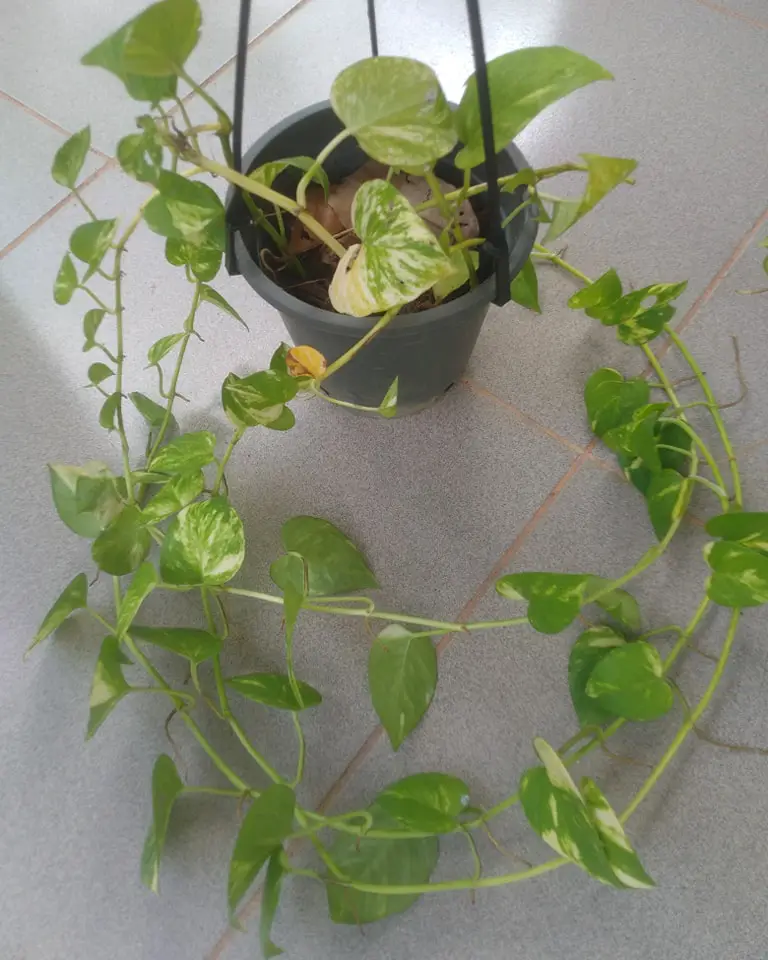
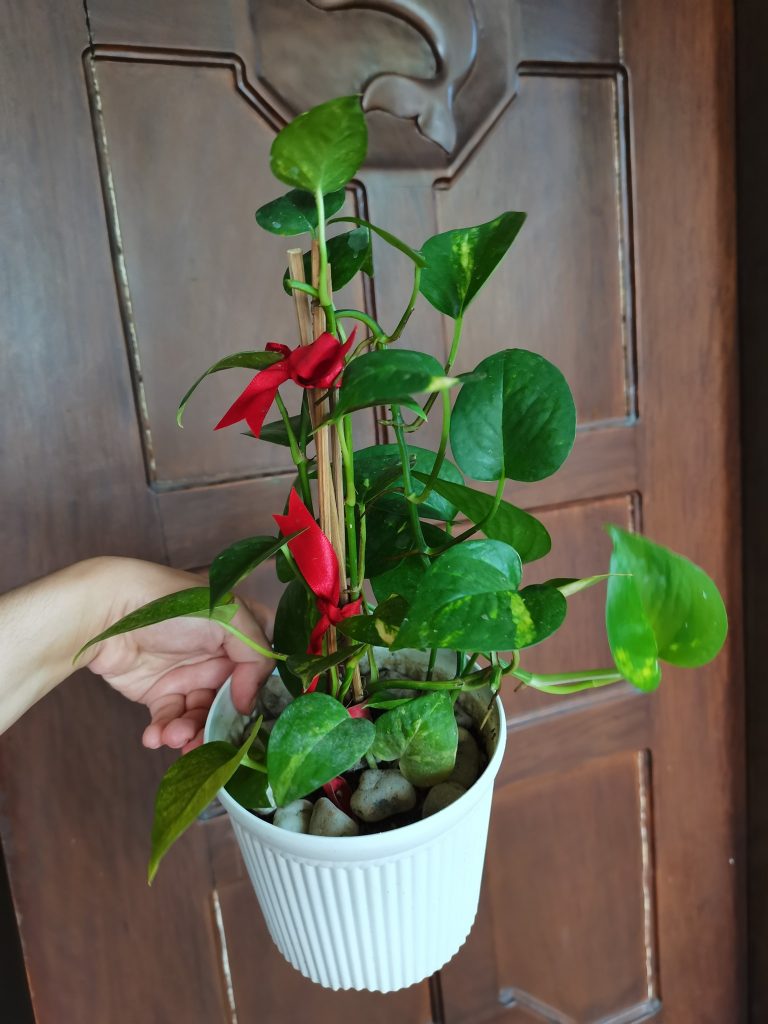
Understanding Overwatered Pothos: Signs + How to Save The Plant
In the U.S., pothos is more than a plant—it’s a symbol of resilience and growth. It’s often the first plant for new homeowners or college students, thriving despite neglect. Its heart-shaped leaves also make it a popular gift for loved ones, symbolizing care and connection.
Pothos, being tropical plants, prefer moist but not soggy conditions. Overwatering suffocates roots by filling soil air pockets with water. Without oxygen, roots rot, and the plant can’t absorb nutrients. This is a common issue in American homes, where heating and cooling systems alter humidity.
Understanding your plant’s care needs helps you avoid this problem. Let’s look at signs of an overwatered pothos, how to save the plant, and ways to prevent future overwatering.
Signs Your Pothos is Overwatered
Before we dive into fixes, let’s identify the problem. Overwatering happens when your pothos gets more water than it can handle. In most cases, this leads to soggy soil and stressed roots. Here are the telltale signs:
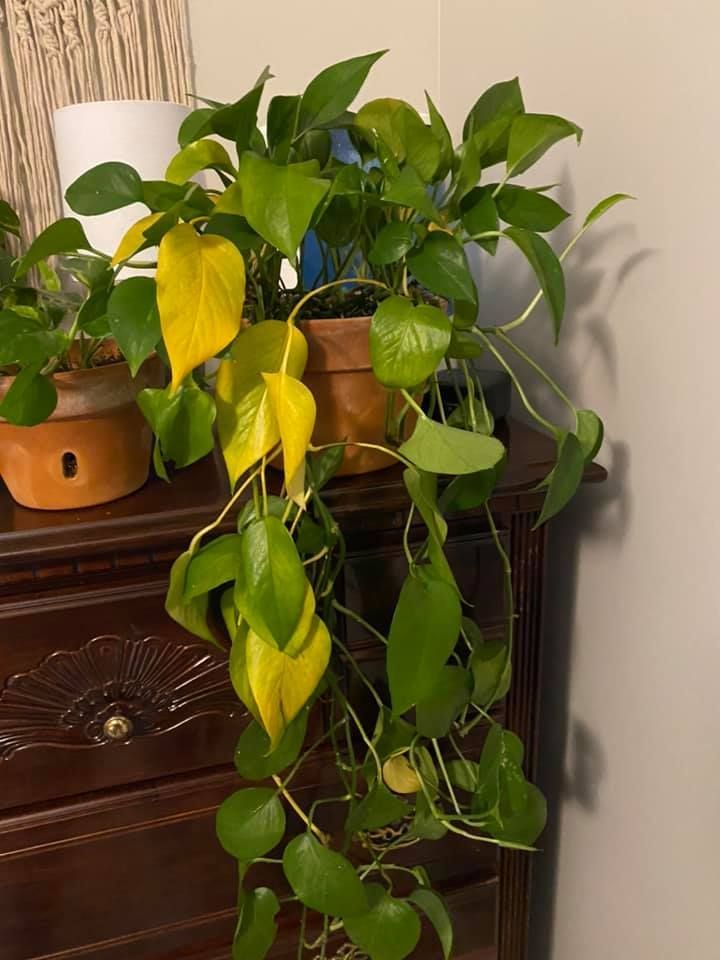
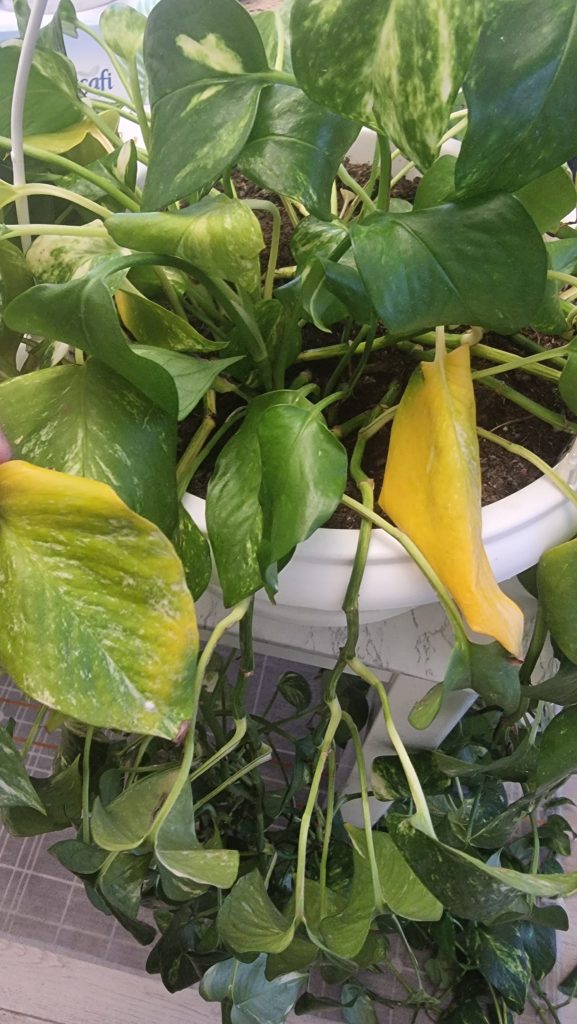
1. Yellowing Leaves
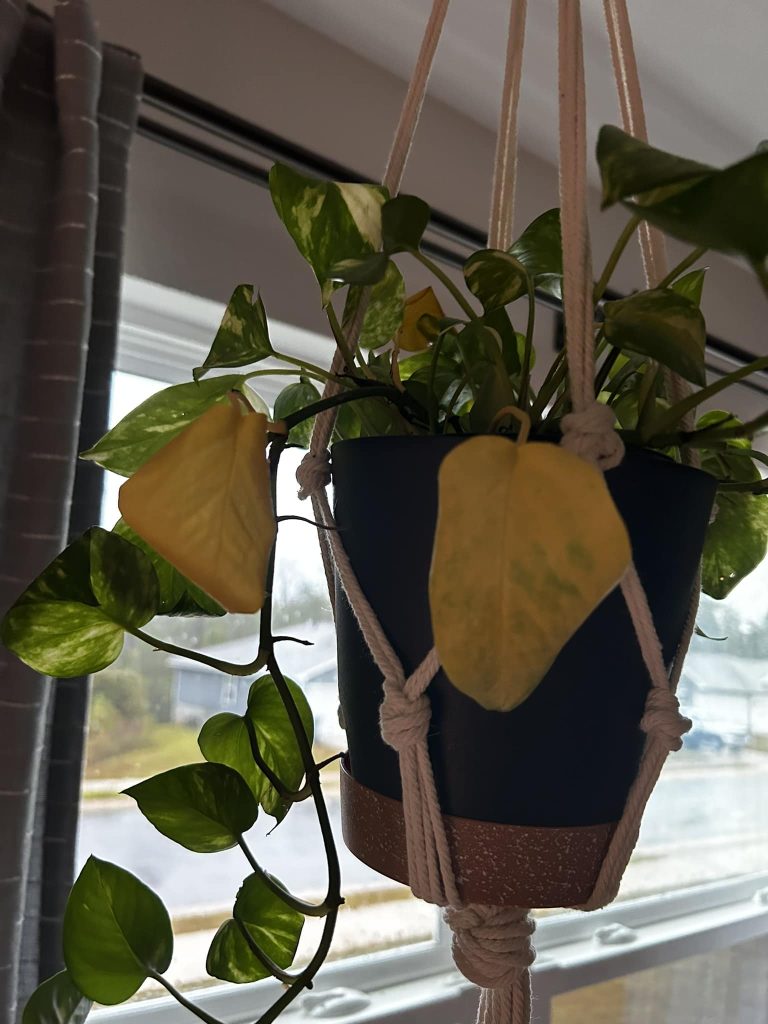
Yellow leaves are a classic cry for help. If your pothos leaves are turning yellow, especially at the base, it’s likely sitting in too much water. I noticed this with my Marble Queen—those creamy white leaves started looking like they’d been dipped in mustard.
2. Wilting or drooping
Ironically, overwatered plants can look thirsty. The roots, suffocated by water, can’t deliver nutrients, so the plant droops. My pothos once looked like it was taking a nap, despite the soil being wet.
3. Mushy Stems
Touch the stems. If they feel soft or mushy, especially near the soil, you’re dealing with root rot—a serious consequence of overwatering. I learned this the hard way when a stem practically disintegrated in my hand.
4. Black Spots or Leaf Drop
Black spots on leaves or sudden leaf drop are red flags. These often indicate fungal issues caused by excessive moisture.
5. Soggy Soil That Won’t Dry
If the soil feels like a wet sponge days after watering, your pothos is drowning. Healthy pothos soil should dry out between waterings.
6. Foul Odor
A rotting smell from the soil is a sign of root rot. Trust me, it’s not pleasant. I once sniffed my pothos pot and regretted it instantly.
Why Overwatering Happens
Overwatering often stems from the following:
- Overenthusiasm: New plant parents (like I was) water too often, thinking it’s the key to a happy plant.
- Poor drainage: Pots without drainage holes or heavy soil trap water, suffocating roots.
- Inconsistent light: Low light slows soil drying, especially in winter when many homes in the U.S. get less natural light.
- Seasonal changes: In colder months, pothos growth slows, needing less water, but we keep watering like it’s summer.
How to Save an Overwatered Pothos
Don’t panic if your pothos is showing signs of overwatering. With quick action, you can nurse it back to health. Here’s what to do:
Step 1: Stop Watering Immediately
Put down the watering can. Let the soil dry out completely. This might take a week or more, depending on your home’s humidity and light.
Step 2: Assess the Damage
Gently remove your pothos from its pot. Shake off excess soil and inspect the roots. Healthy roots are white and firm; unhealthy ones are brown, mushy, or slimy. I remember feeling heartbroken when I saw my pothos’s roots looking like soggy noodles.
Step 3: Trim Affected Areas
Using clean scissors, cut away mushy roots and any black or soft stems. Be ruthless but careful—healthy roots are your plant’s lifeline. Even if you trim nearly half its roots, it will bounce back beautifully.
Step 4: Repot in Fresh Soil
Choose a well-draining potting mix, like one with perlite or orchid bark. I use a mix of 60% potting soil, 20% perlite, and 20% peat moss. Repot your pothos in a pot with drainage holes. No drainage, no recovery—trust me.
Step 5: Adjust Watering Habits
Water only when the top 1-2 inches of soil feel dry. In my Chicago apartment, this means watering every 10-14 days in winter and weekly in summer. Stick your finger in the soil—it’s the best moisture meter.
Step 6: Optimize Light and Humidity
Place your pothos in bright, indirect light. A north or east-facing window works well in most American homes. Avoid direct sun, which can stress an already weak plant. Pothos likes moderate humidity (40-60%), common in many U.S. homes, but if your home is dry (hello, Arizona!), consider a pebble tray or humidifier.
Step 7: Monitor Recovery
New growth is a good sign. My pothos started sprouting fresh leaves about three weeks after I fixed its overwatering issue. Be patient—it takes time.
Preventing Overwatering in the Future
Saving your pothos is only half the battle. Here’s how to keep it thriving:
1. Choose the Right Pot
Always use a pot with drainage holes. Terracotta pots are great for wicking away excess moisture. I find them perfect for humid areas like Florida or Louisiana.
2. Perfect Your Watering Routine
Water less often than you think. In my experience, pothos prefers neglect over coddling. Check the soil before watering, and never let it sit in a saucer of water.
3. Use Well-Draining Soil
A mix designed for houseplants or a DIY blend with perlite ensures proper drainage. Avoid heavy garden soil—it’s a recipe for disaster.
4. Understand Your Home’s Environment
American homes vary in light and humidity. In dry climates, like Nevada, you might need to water less frequently. In humid areas, like Georgia, soil takes longer to dry. Adjust accordingly.
5. Watch for Seasonal Changes
In winter, when days are shorter and homes are cooler, pothos needs less water. Cut back watering in December and January, and your plants will reward you with lush growth.
6. Common Mistakes to Avoid
Even seasoned plant parents make mistakes. Here are some I’ve made (so you don’t have to):
- Ignoring drainage: A pot without holes is a death sentence for pothos.
- Watering on a schedule: Watering every Sunday might feel routine, but it ignores your plant’s needs. Simply check the soil before watering.
- Overcompensating: After overwatering, I once underwatered my pothos, thinking I was “balancing” it. Nope—check the soil, not your calendar.
- Neglecting light: Low light slows growth and soil drying, leading to overwatering. Move your pothos to brighter light if it’s struggling.
Pothos Care Tips
To keep your pothos happy, consider these tips:
- Light: Bright, indirect light is ideal. In urban apartments with limited windows, grow lights work wonders in supplementing the natural light.
- Temperature: Pothos thrives between 65-85°F, common in most American homes. Keep it away from cold drafts or hot radiators.
- Fertilizing: Feed monthly during spring and summer with a balanced liquid fertilizer. Dilute to half strength to avoid overfeeding.
- Pruning: Trim leggy vines to encourage bushy growth. I propagate cuttings in water for new plants—free pothos, anyone?
- Pests: Watch for spider mites or mealybugs, especially in dry homes. Wipe leaves with neem oil if you spot pests.
Troubleshooting Other Pothos Issues
Sometimes, overwatering isn’t the only issue. Here’s how to handle other common problems:
- Brown leaf tips: Often caused by low humidity or overfertilizing. Increase humidity or flush the soil with water to remove excess fertilizer.
- Leggy growth: Too little light makes pothos stretch, particularly towards the source of light. Move it to a brighter spot or add a grow light.
- No variegation: If variegated pothos lose their patterns, they need more light. My Marble Queen went all green until I moved it closer to a window.
FAQs
How do I know if my pothos is overwatered or underwatered?
Overwatered pothos have yellow, droopy leaves and soggy soil. Underwatered pothos have dry, crispy leaves and bone-dry soil. Check the soil’s moisture to confirm.
Can an overwatered pothos recover?
Yes, with prompt action. Stop watering, trim damaged roots, repot in fresh soil, and adjust your care routine. Recovery can take weeks, but it is possible.
How often should I water my pothos?
Water when the top 1-2 inches of soil are dry, typically every 1-2 weeks. Adjust based on your home’s light and humidity.
What’s the best soil for pothos?
Use a well-draining mix with potting soil, perlite, and peat moss or orchid bark. Avoid heavy, water-retaining soils.
Can I propagate an overwatered pothos?
If the plant has healthy stems, yes! Cut a healthy vine with a few leaves and root it in water or soil. I’ve propagated many pothos this way.
Why does my pothos smell bad?
A foul odor usually means root rot from overwatering. Remove the plant, trim rotten roots, and repot in fresh soil.
Recommended For You:
Pothos vs Philodendron: Key Differences Every Plant Owner Should Know
10 Proven Ways to Make Pothos Fuller: Tips for Thick, Lush Growth
Are Pothos Toxic to Cats? What Every Pet Owner Must Know
9 Reasons Your Pothos Leaves are Turning Yellow + How to Fix
15 Types of Pothos: Variety Identification and Pictures
Pothos Cultivation: History, Care and Common Problems
Final thoughts
An overwatered pothos isn’t a death sentence. With the right steps, you can save your plant and prevent future issues. My pothos journey taught me to listen to my plants, and I hope this guide helps you do the same.
Pothos fits perfectly into American homes, from minimalist studios to sprawling suburban houses. Its versatility makes it ideal for busy professionals, families, or retirees. Whether you’re decorating a Texas ranch or a Boston loft, pothos adds life without demanding much. Just don’t drown it in love!
References
- The Spruce. “How to Care for a Pothos Plant.” https://www.thespruce.com/pothos-plant-care-5073642
- University of Wisconsin-Madison Extension. “Pothos, Epipremnum aureum.” https://hort.extension.wisc.edu/articles/pothos-epipremnum-aureum/
- Royal Horticultural Society. “Houseplant Problems: Overwatering.” https://www.rhs.org.uk/advice/houseplant-problems
- Missouri Botanical Garden. “Epipremnum aureum.” http://www.missouribotanicalgarden.org/PlantFinder/PlantFinderDetails.aspx?kempercode=b591
- Better Homes & Gardens. “How to Save an Overwatered Plant.” https://www.bhg.com/gardening/houseplants/care/how-to-save-an-overwatered-plant/

Tim M Dave is a gardening expert with a passion for houseplants, particularly cacti and succulents. With a degree in plant biology from the University of California, Berkeley, he has vast experience in gardening. Over the years, he has cultivated a vast collection of desert plants and learned a great deal about how to grow and care for these unique companions.