7 Steps to Save Your Overwatered Peace Lily: Suitable Guide for American Gardeners
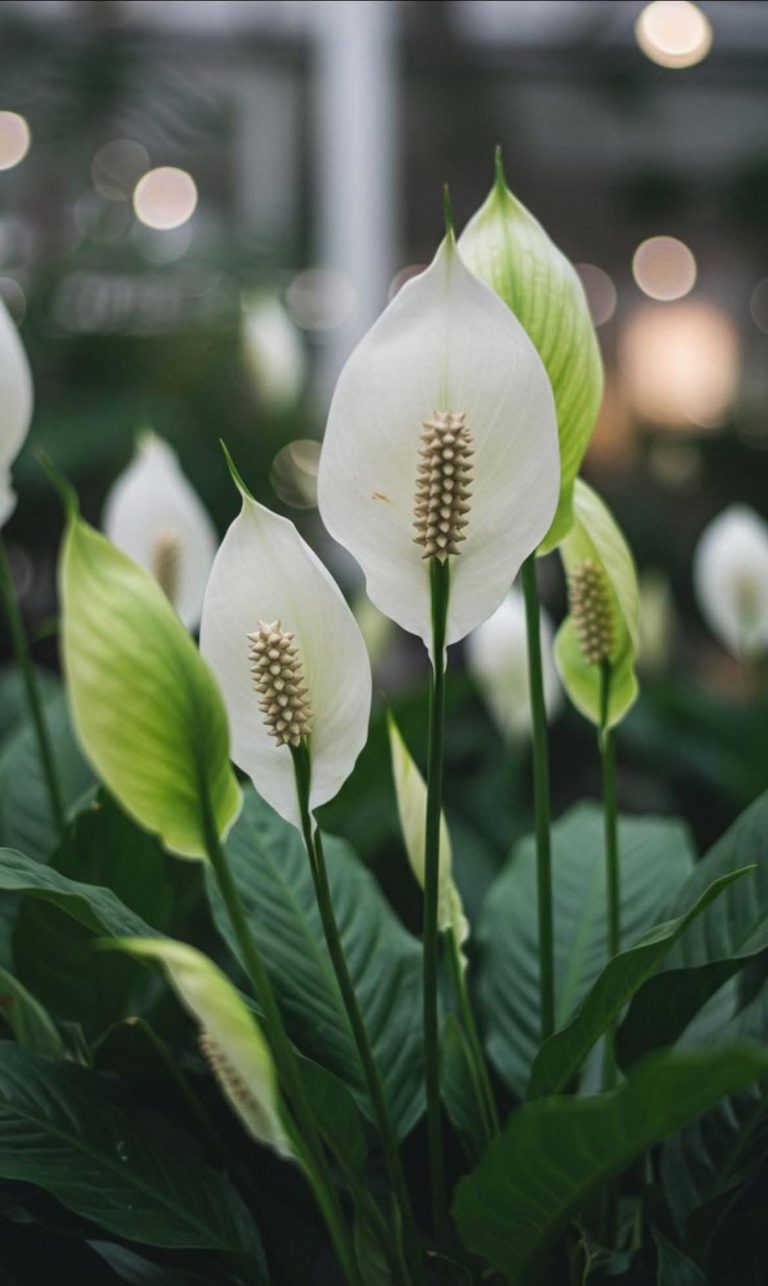
Peace lilies (Spathiphyllum) are a go-to houseplant for many Americans. Their dark green leaves and white, hood-like flowers add a touch of elegance to any room. They’re low-maintenance, thrive in low light, and even help purify the air.
Overwatering is one of the common mistakes when growing these beauties. It can turn your thriving plant into a droopy, yellow mess. In this guide, I’ll walk you through everything you need to know about saving an overwatered peace lily.
Signs Your Peace Lily Is Overwatered
Spotting an overwatered peace lily is the first step to saving it. Here’s what to look for:
- Drooping leaves: They look sad, even after watering.
- Yellowing leaves: Lower leaves turn yellow and mushy.
- Brown leaf tips: Edges may brown or blacken.
- Soggy soil: The soil feels wet for days.
- Foul smell: A musty odor from the soil screams root rot.
- Mold or fungus: White fuzz on the soil surface is a red flag.
I once ignored these signs, thinking my peace lily just needed more water. Big mistake. The roots were drowning, and I nearly lost the plant.
Why Overwatering Happens
American homes often have unique conditions that lead to overwatering. Central heating in winter dries out the air, so we water more, thinking our plants are thirsty. Many of us, myself included, also love doting on our houseplants, especially during colder months when we’re stuck indoors.
Additionally, peace lilies are often sold in pots without proper drainage, a recipe for soggy soil. Fungi like Pythium and Phytophthora thrive in wet conditions, attacking peace lily roots.
Overwatering suffocates roots by filling air pockets in the soil with water. Without oxygen, roots rot, and the plant can’t absorb water or nutrients. According to a 2020 study in the Journal of Plant Pathology, root rot caused by overwatering is a leading cause of houseplant death.
How to Save an Overwatered Peace Lily
If your peace lily is looking overwatered, don’t panic. Here’s how I’ve rescued mine:
Step 1: Stop watering immediately
Put the watering can down. Let the soil dry out. I learned this the hard way after pouring water into an already soaked pot. Stopping watering allows the excess water to evaporate. It also prevents more trouble for the already drowning plant.
Step 2: Check the soil and drainage
Feel the soil. If it’s wet, remove the plant from its pot. Inspect the drainage holes. No holes? That’s a problem. Repot in a container with at least one drainage hole. I recommend a terracotta pot as it helps drain away excess moisture.
Step 3: Inspect the roots
Gently shake off the soil. Healthy roots are white and firm. Black, mushy, or smelly roots mean rot. I’ve had to trim away rotten roots with clean scissors. It’s heartbreaking but necessary. Remember to rinse the rootball before repotting the plant.
Step 4: Trim damaged leaves
Yellow or brown leaves won’t recover. Cut them off at the base with clean shears. This helps the plant focus energy on new growth.
Step 5: Repot with fresh soil
Use a well-draining potting mix. I mix equal parts potting soil, perlite, and orchid bark for my peace lilies. Place the plant in a new pot, ensuring the roots aren’t sitting in water.
Step 6: Adjust your watering routine
Water only when the top inch of soil feels dry. In my Chicago apartment, this means watering every 7-10 days in summer and every 2 weeks in winter. Your home’s humidity and light will vary, so check the soil.
Step 7: Monitor recovery
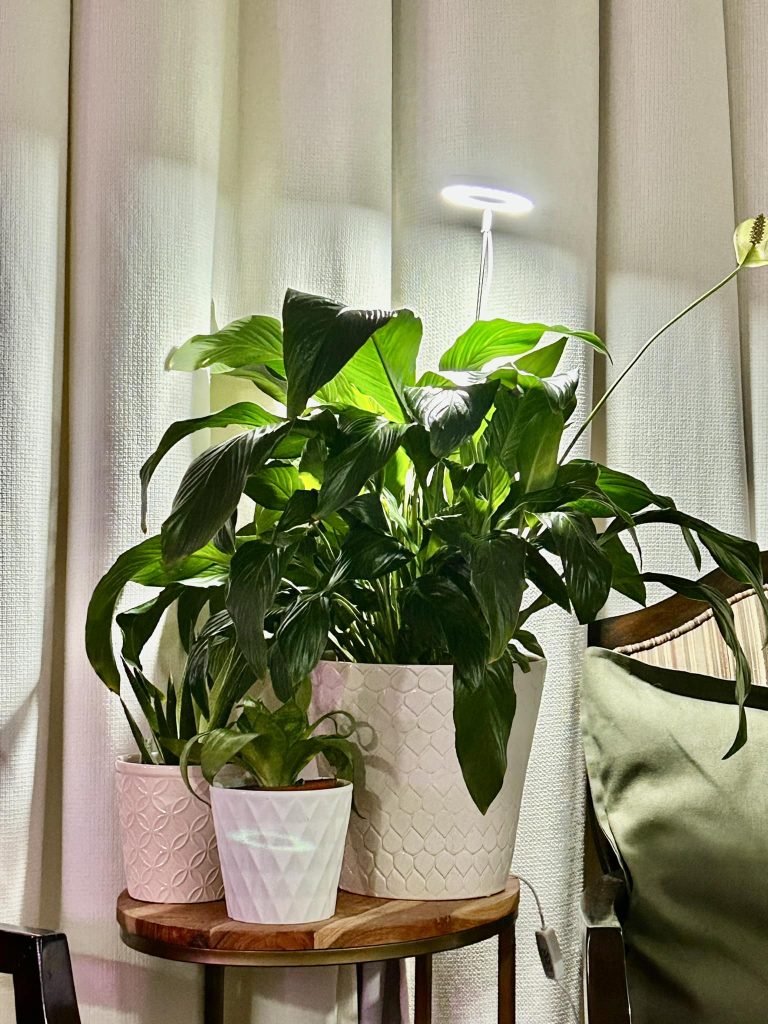
Place your peace lily in bright, indirect light. Avoid direct sun; it scorches the leaves. Within a couple of weeks, you should see new growth. My plant bounced back with fresh green shoots after a month of tender care.
Preventing Overwatering in the Future
Once your peace lily is back on track, keep it that way. Here are tips for preventing future problems:
- Choose the right pot: Always use pots with drainage holes. I switched to ceramic pots with saucers to catch runoff.
- Use a moisture meter: These gadgets are lifesavers. They tell you exactly when to water. I got mine for $10 online.
- Understand your home’s environment: American homes vary widely. In dry Colorado, you might need to water more often. In humid Florida, less is more.
- Set a watering schedule: Mark your calendar, but always check the soil first. I water my peace lily every Sunday, but only if it’s dry.
- Avoid over-love: I used to water my plant every time I walked by. Now, I stick to a routine.
Ideal Conditions for Growing Peace Lilies
Peace lilies thrive in conditions common to many U.S. homes. Here’s what they need:
Light: Bright, indirect light is best. A north- or east-facing window works great.
Temperature: Keep it between 65-80°F. Avoid cold drafts near windows in winter, especially in northern states like Minnesota.
Humidity: Peace lilies love humidity. In dry climates like Arizona, mist the leaves or use a pebble tray with water. I keep a small humidifier nearby during winter.
Soil: Use a well-draining mix. I’ve had success with a blend of peat moss, perlite, and potting soil.
Common Mistakes American Plant Parents Make
We all want our peace lilies to thrive, but mistakes happen. Here are some I’ve made:
- Overwatering out of love: I thought more water meant more love. Nope.
- Ignoring drainage: I once kept a peace lily in a decorative pot with no holes. Disaster.
- Placing in direct sun: My first peace lily got sunburned on a south-facing windowsill.
- Neglecting dust: Dust on leaves blocks light. I wipe mine monthly with a damp cloth.
Seasonal Care Tips for American Gardeners
America’s diverse climates affect how you care for your peace lily:
Winter: In northern states like Michigan, reduce watering. Central heating dries the air, so increase humidity with a humidifier.
Summer: In southern states like Texas, watch for overwatering due to high humidity. Check the soil before watering.
Spring/Fall: These are growth seasons. Your peace lily may need slightly more water, but don’t overdo it.
Advanced Tips for Peace Lily Enthusiasts
If you’re ready to level up, try these:
- Fertilize sparingly: Use a balanced, water-soluble fertilizer (10-10-10) every 6-8 weeks during spring and summer. I dilute mine to half strength to avoid burning the roots.
- Propagate: Divide your peace lily during repotting. I’ve turned one plant into three by separating the root clumps.
- Monitor pests: Overwatered plants attract pests like fungus gnats. I use sticky traps to catch them early.
Frequently Asked Questions (FAQs)
Q: How often should I water my peace lily?
A: Water when the top inch of soil feels dry, typically every 7-14 days, depending on your home’s conditions.
Q: Can an overwatered peace lily be saved?
A: Yes! Stop watering, check for root rot, trim damaged roots, and repot in fresh, well-draining soil.
Q: Why are my peace lily’s leaves turning yellow?
A: Yellow leaves often mean overwatering. Check the soil and roots, and adjust your watering routine.
Q: How do I know if my peace lily has root rot?
A: Look for black, mushy roots and a foul smell. Trim affected roots and repot immediately.
Q: Can I use tap water for my peace lily?
A: Tap water is fine in most American homes, but let it sit for 24 hours to remove chlorine. In areas with hard water, like parts of California, consider filtered water.
Q: Why isn’t my peace lily blooming?
A: Overwatering, low light, or lack of nutrients could be the cause. Ensure proper care, and be patient—blooms will come.
Final thoughts
A few years ago, I bought a peace lily from a local nursery in Atlanta. It was love at first sight—those glossy leaves and delicate blooms! But within a month, it was drooping, and the soil smelled like a swamp. I was overwatering it like crazy, thinking it needed daily drinks.
After some research and a lot of trial and error, I saved it by repotting, trimming roots, and sticking to a strict watering schedule. Now, it’s the star of my living room, and I’ve learned my lesson.
An overwatered peace lily isn’t a death sentence. With the right steps, you can bring your plant back to life and keep it thriving. I’ve made every mistake in the book, but my peace lily is now flourishing, and yours can too. Check the soil, adjust your watering habits, and give your plant the love it needs.
References
- NASA Clean Air Study. (1989). Interior Landscape Plants for Indoor Air Pollution Abatement.
- Journal of Plant Pathology. (2020). Root Rot Diseases in Houseplants.
- University of Illinois Extension. (2023). Care and Maintenance of Peace Lilies.
- Missouri Botanical Garden. (2024). Spathiphyllum: Plant Care Guide.

Tim M Dave is a gardening expert with a passion for houseplants, particularly cacti and succulents. With a degree in plant biology from the University of California, Berkeley, he has vast experience in gardening. Over the years, he has cultivated a vast collection of desert plants and learned a great deal about how to grow and care for these unique companions.