7 Steps to Save Your Overwatered Hydrangea
Hydrangeas, with their showy blooms, are a staple in American gardens from Maine to California. Their name comes from the Greek “hydra,” meaning water, which hints at their love for moisture. But there’s a thin line between well-watered and waterlogged.
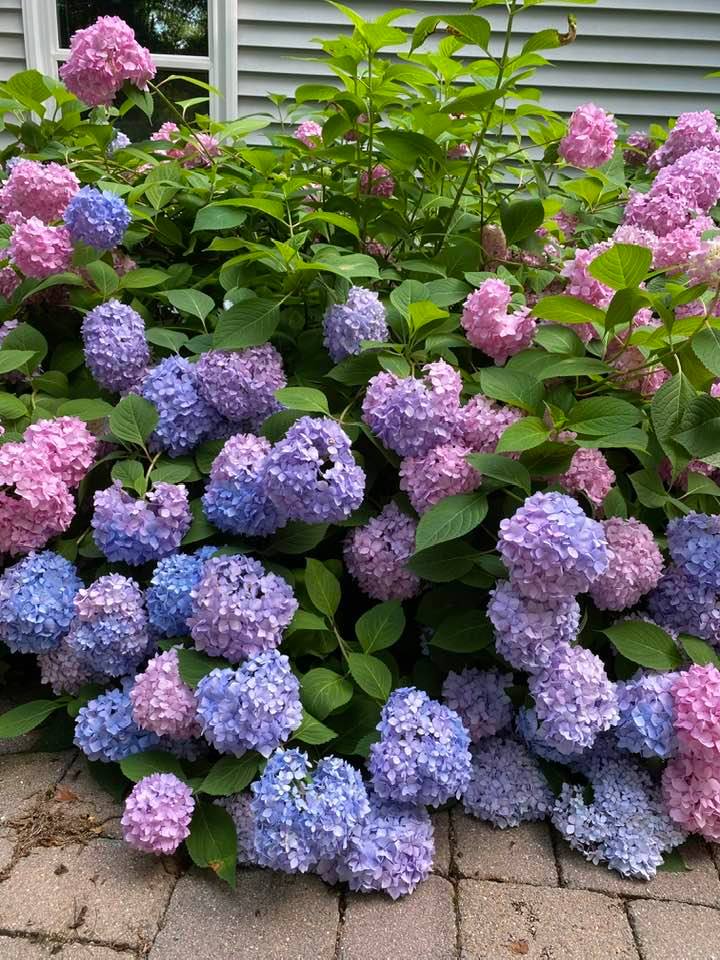
I learned this the hard way when my Hydrangea macrophylla started looking like it was drowning after a rainy week. Before we dive into how I saved the plant, let’s understand that different hydrangea types have slightly different needs. For example:
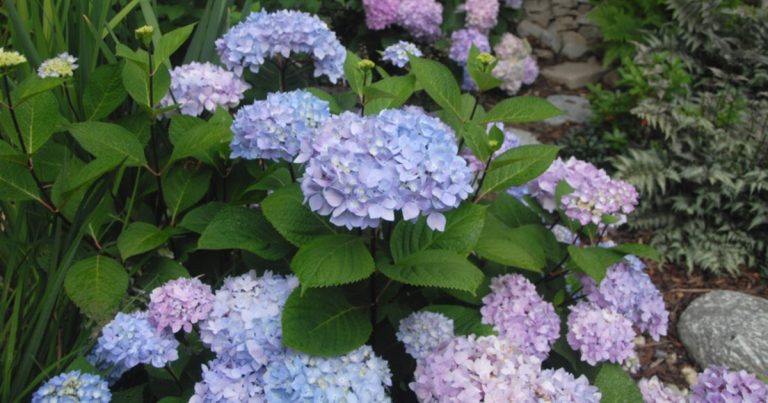
- Bigleaf Hydrangeas (Hydrangea macrophylla): Thrive in moist, well-drained soil. Common in coastal areas like the Southeast.
- Panicle Hydrangeas (Hydrangea paniculata): More drought-tolerant, great for hotter regions like Texas.
- Smooth Hydrangeas (Hydrangea arborescens): Hardy and adaptable, perfect for the Midwest.
- Oakleaf Hydrangeas (Hydrangea quercifolia): Prefer slightly drier conditions, ideal for southern gardens.
Generally, all hydrangeas need consistent moisture, but too much water can suffocate their roots, leading to serious problems. Understanding your plant’s type and your local climate is key to avoiding overwatering.
What Does Overwatering Mean for Hydrangeas?
Overwatering happens when a hydrangea’s roots sit in waterlogged soil, starving them of oxygen. Roots need air as much as they need water. When soil stays too wet, roots can’t breathe, leading to root rot, fungal diseases, or even plant death.
In American gardens, overwatering is common due to heavy clay soils (looking at you, Midwest), overzealous watering schedules, or rainy spells in humid regions like Florida. The damage isn’t always instant, but over time, it can stop blooms, weaken the plant, or kill it entirely.

Signs Your Hydrangea is Overwatered
How do you know if you’ve overwatered? Here are the telltale signs I noticed when my hydrangea was struggling:
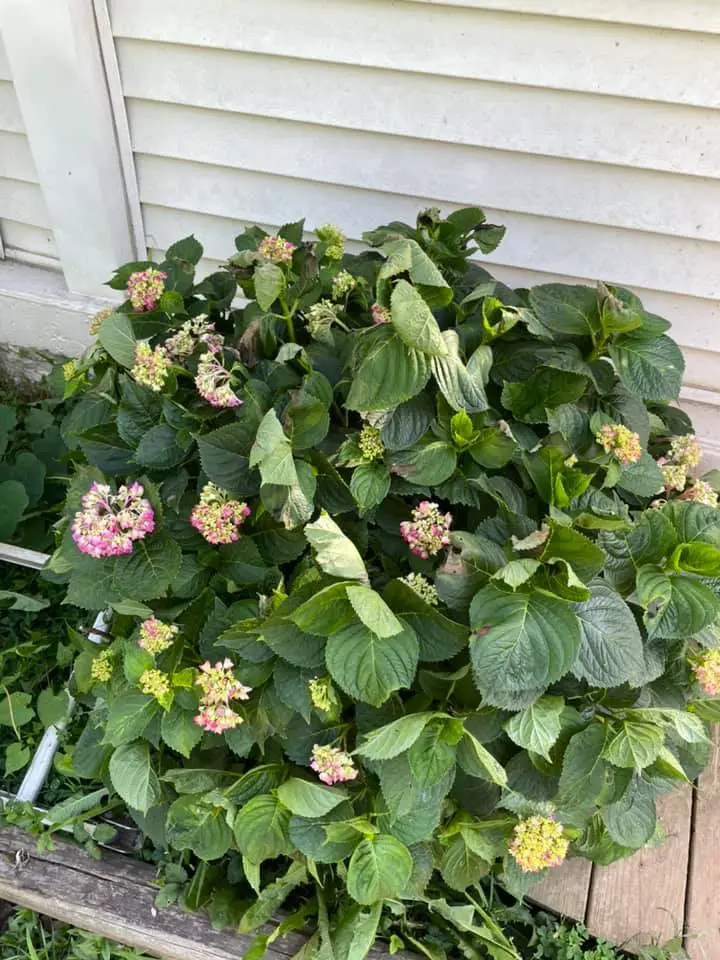
- Yellowing leaves: Leaves turn yellow, especially at the base, as roots struggle to absorb nutrients.
- Wilting despite wet soil: The plant looks droopy even though the soil is soggy—a red flag!
- Mushy or brown roots: Dig gently near the base. Healthy roots are white and firm; overwatered ones are soft, brown, or black.
- Foul smell: Soggy soil or roots may smell like rot, a sign of fungal growth.
- Leaf drop: Leaves fall prematurely, even in summer.
- Stunted growth or no blooms: If your hydrangea did not bloom, then excess moisture in the soil can be the cause. Overwatering stresses the plant, reducing or stopping flower production.
- Mold or fungus: White or grayish patches on soil or stems indicate excess moisture.
If you see these symptoms, don’t despair. I thought it was the end of my hydrangea, but with quick action, I saved it. Let’s explore why this happens and how to fix it.
Why Overwatering Happens in Most Gardens
Overwatering isn’t just about pouring too much water—it’s often a mix of factors. Here’s why it happens and how I’ve seen it play out in my own yard and others across the U.S.
1. Misunderstanding Hydrangea Needs
Hydrangeas love water, but “love” doesn’t mean “drown.” I assumed my hydrangea needed daily watering, especially during a hot summer. Wrong! Most hydrangeas need deep watering 1–2 times per week, not a daily sprinkle. New gardeners or those unfamiliar with their hydrangea’s variety often overdo it.
Example: In humid regions like Georgia, where rainfall is frequent, extra watering can push plants over the edge.
2. Poor Soil Drainage
Soil type is a big deal. Clay-heavy soils, common in states like Illinois or North Carolina, hold water like a sponge. My backyard has clay soil, and after a week of rain, my hydrangea’s roots were drowning. Poor drainage suffocates roots, even if you’re not watering much.
Example: In contrast, sandy soils in places like Arizona drain quickly, but gardeners may overcompensate by watering too often.
3. Overzealous Watering Habits
I’ll admit it—I got carried away with my watering can, thinking more was better. Automatic sprinklers or daily hand-watering without checking soil moisture can lead to trouble. Many homeowners set irrigation systems for lawns, not realizing hydrangeas need less frequent, deeper watering.
Example: In suburban California, where sprinklers run daily, hydrangeas often get more water than they need.
4. Regional Climate Factors
America’s diverse climates play a role. In the Southeast (Zones 7–9), heavy rains and high humidity keep the soil wet for days. In the Northeast (Zones 4–6), spring snowmelt or rainy seasons can oversaturate soil. Even in drier regions like the Southwest, overwatering is common when gardeners try to compensate for heat.
Example: A friend in Florida told me her hydrangea wilted after a tropical storm, despite her cutting back on watering. The soil just couldn’t drain fast enough.
How to Save an Overwatered Hydrangea
If your hydrangea is showing signs of overwatering, act fast. Here’s how I saved mine:
Step 1: Stop Watering Immediately
Let the soil dry out naturally. I stopped watering my hydrangea for a week to give the roots a break. Check soil moisture by sticking your finger 2 inches into the soil. If it’s wet, hold off.
Step 2: Assess the Damage
Gently dig around the base to check roots. Healthy roots are white and firm; damaged ones are mushy or brown. If only some roots are affected, you can still save the plant.
Step 3: Improve Drainage
If the soil is heavy clay, mix in organic matter like compost or aged manure to improve drainage. I added well-decomposed compost manure to my soil, and it made a huge difference. For potted hydrangeas, ensure the pot has drainage holes. Add gravel or perlite to the soil mix.
Step 4: Prune Damaged Parts
Cut away yellow or wilted leaves and stems with clean, sharp shears. I removed about a third of my plant’s foliage to reduce stress. If roots are rotting, trim the damaged sections and repot or replant in well-draining soil.
Step 5: Treat Fungal Issues
If you see mold or suspect root rot, apply a fungicide labeled for hydrangeas. Follow the instructions carefully. Additionally, improve air circulation by thinning crowded branches.
Step 6: Relocate if Necessary
If your hydrangea is in a low-lying area where water pools (common in flat yards in the Midwest), consider moving it to a raised bed or sloped area. In humid regions like Louisiana, raised beds are a lifesaver.
Step 7: Monitor Recovery
Water sparingly as the plant recovers, ensuring the soil dries slightly between waterings. Avoid fertilizing until the plant shows new, healthy growth (usually 4–6 weeks). Overwatered hydrangeas are vulnerable to pests, so check regularly for aphids, spider mites, and fungus gnats.
My hydrangea took about two months to bounce back, but by the next season, it was blooming again. Patience is key!
Preventing Overwatering in the Future
Once you’ve saved your hydrangea, keep it thriving with these preventive tips:
- Water smartly: Water deeply 1–2 times per week, depending on rainfall. In dry regions like Arizona, you may need to water twice weekly; in humid areas like Florida, once may be enough. Use a soaker hose or drip irrigation to target the roots, not the foliage.
- Check soil moisture: Before watering, dig 2–3 inches into the soil. If it’s moist, skip watering. Invest in a simple moisture meter (available at garden centers or online).
- Improve soil drainage: Amend clay soils with compost, sand, or gypsum to improve drainage. For potted hydrangeas, use a well-draining mix with perlite or vermiculite.
- Mulch wisely: Apply 2–3 inches of organic mulch (like bark or wood chips) around the base to retain moisture without suffocating roots. Keep mulch 2 inches away from the stem to prevent rot.
- Adjust for your climate: In rainy regions (e.g., Seattle or the Southeast), cut back on watering during wet seasons.In dry climates (e.g., Southern California), water deeply but less frequently to avoid oversaturation.
- Choose the right spot: Plant hydrangeas in areas with good drainage, avoiding low spots where water collects. Additionally, ensure your plants get 4–6 hours of sunlight with afternoon shade in hotter climates.
Frequently Asked Questions (FAQs)
Q: How do I know if I’m overwatering my hydrangea?
A: Look for yellowing leaves, wilting despite wet soil, or mushy roots. A foul smell or moldy soil is another clue. Check soil moisture before watering.
Q: Can an overwatered hydrangea be saved?
A: Yes! Stop watering, improve drainage, prune damaged parts, and treat fungal issues. With care, most hydrangeas recover within weeks.
Q: How often should I water my hydrangea?
A: Water 1–2 times per week, ensuring soil is moist but not soggy. Adjust based on rainfall and climate—less in humid areas, more in dry ones.
Q: Why is my hydrangea’s soil always wet?
A: Poor drainage, often from clay soil or low-lying areas, is likely the cause. Amend the soil with compost or relocate to a better-draining spot.
Q: Can overwatering stop my hydrangea from blooming?
A: Yes, overwatering stresses the plant, diverting energy from blooms to survival. Fix drainage and water sparingly to encourage flowering.
Q: Should I repot my overwatered potted hydrangea?
A: If the roots are rotting or the soil stays soggy, repot in a well-draining mix in a pot with drainage holes. Trim damaged roots first.
Suggested For You
Fall or Spring? When to Cut Back Hydrangeas
The 6 Main Types of Hydrangeas Grown in U.S. Gardens: Features and Care Details
Beginners Guide: How Long Does Hydrangea Take to Grow?
4 Methods of Propagating Hydrangeas + Their Success Rate
Understanding Why Hydrangeas Droop: 7 Causes + Fixes
Final thoughts
Overwatering a hydrangea can feel like a gardening disaster, but it’s a fixable mistake. I’ve been there, watching my once-vibrant shrub droop under too much love. By recognizing the signs and taking action, like improving drainage and adjusting watering, you can save your plant. With these tips, your hydrangea will be back to blooming in no time.
References
- United States Department of Agriculture. (2023). USDA Plant Hardiness Zone Map. https://planthardiness.ars.usda.gov
- University of Georgia Extension. (2020). Hydrangeas: Care and Maintenance. https://extension.uga.edu/publications/detail.html?number=B1318

Tim M Dave is a gardening expert with a passion for houseplants, particularly cacti and succulents. With a degree in plant biology from the University of California, Berkeley, he has vast experience in gardening. Over the years, he has cultivated a vast collection of desert plants and learned a great deal about how to grow and care for these unique companions.