Helpful: How to Save Your Overwatered Flaming Katy Plant
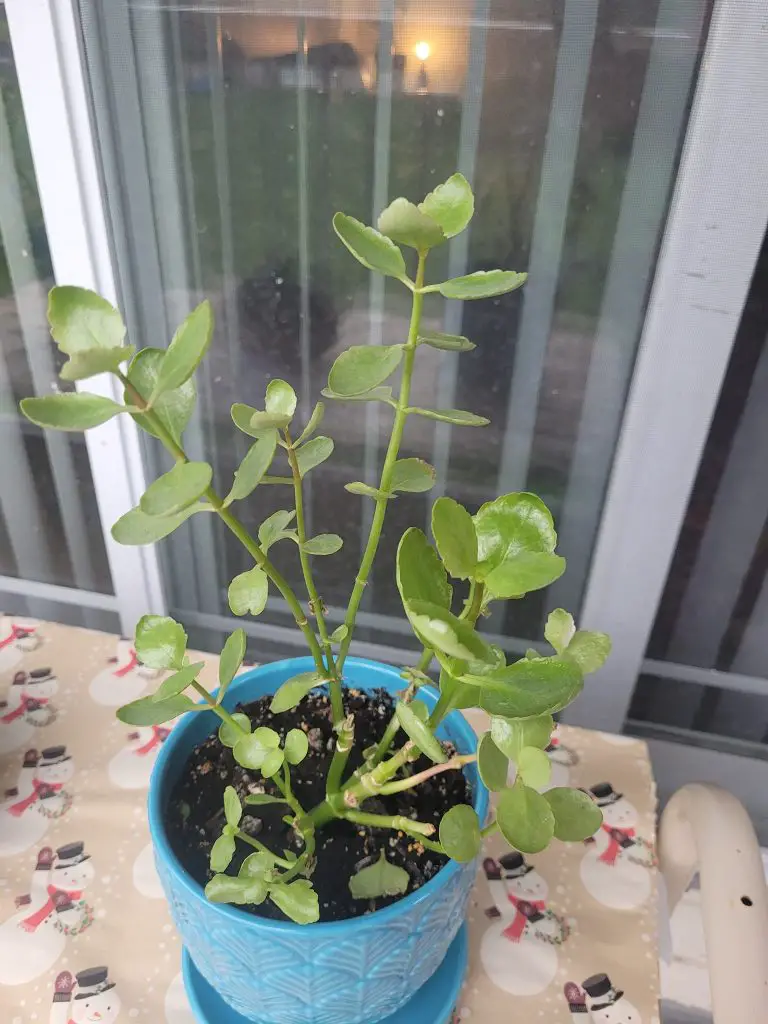
I still remember the day I noticed my Flaming Katy plant looking sad. Its vibrant, flower-packed stems were drooping, and the leaves felt mushy. My heart sank—I’d been pouring love (and water) into my plant, only to realize I was drowning it!
Overwatering is a common mistake in gardening, but I’ve been there and saved my plant. In this guide, I’ll share my journey, explain why overwatering happens, and give you practical tips to revive your Flaming Katy (Kalanchoe blossfeldiana).
What Is a Flaming Katy Plant?
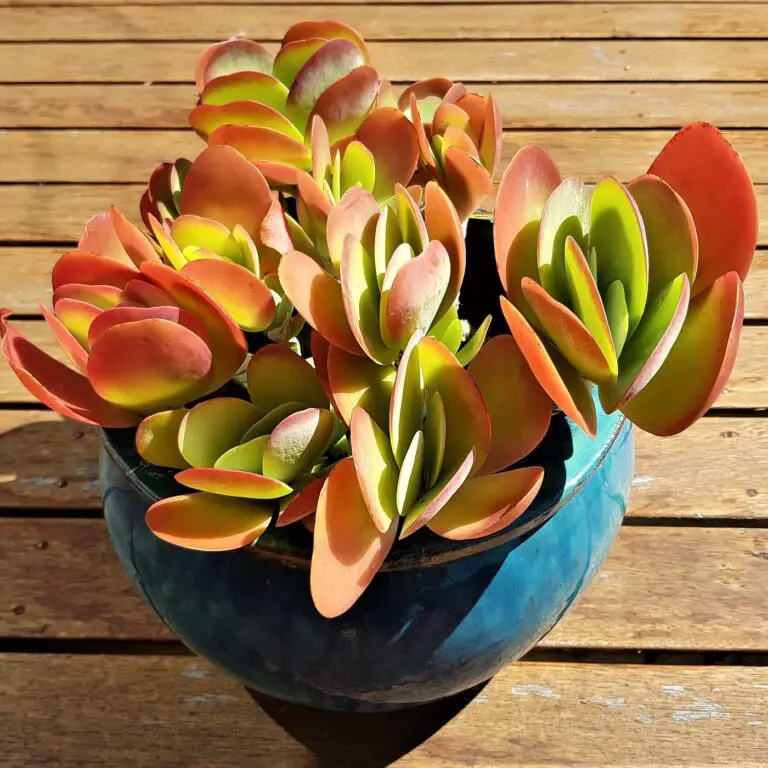
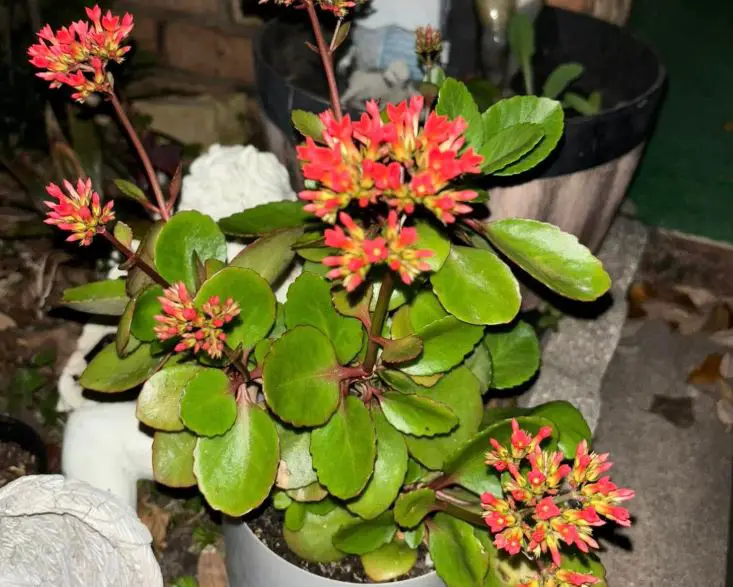
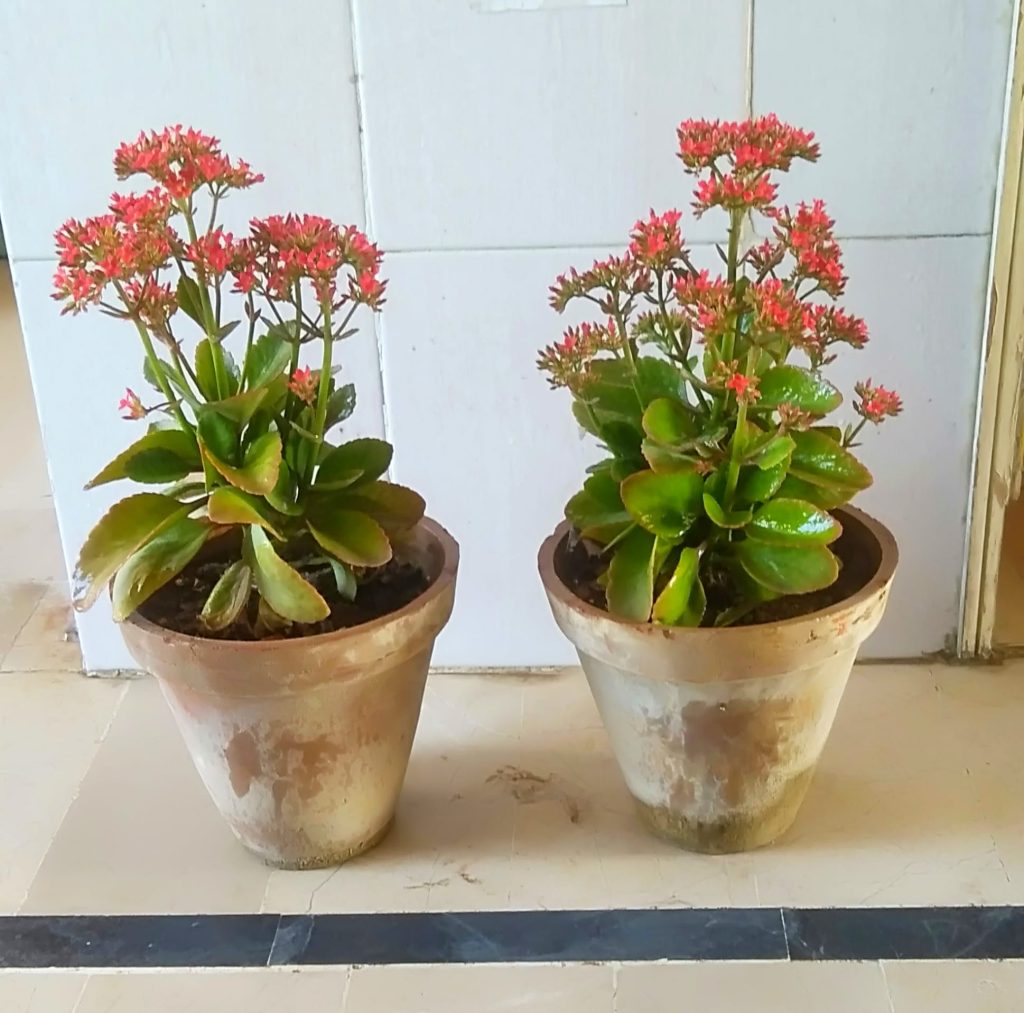
Before we dive into fixing an overwatered Flaming Katy, let’s get to know this charming plant. Native to Madagascar, the Flaming Katy, also known as Christmas Kalanchoe or Florist Kalanchoe, is a succulent with glossy green leaves and clusters of vibrant flowers in red, pink, yellow, or white.
It’s a favorite in most homes in the U.S.. Florist Kalanchoe is compact (1-2 feet tall) and blooms in winter to late spring with minimal care. But like all succulents, it’s prone to overwatering woes. The most important bit is to understand why it happens, fix it, and prevent.
Why Does Overwatering Happen?
I used to think my Flaming Katy needed water every few days to keep its flowers popping. Wrong! As a succulent, it stores water in its thick leaves and stems, so it thrives on sparse watering.
Overwatering is the top reason Flaming Katies struggle. Drowning the roots stops them from getting air, making them die and rot. Soggy soils also encourage bacteria and fungi that cause root rot. It is the leading killer of most houseplants.
Overzealous Watering Habits
I was guilty of watering my Flaming Katy on a schedule, not checking if it needed it. In my enthusiasm to keep it blooming, I kept the soil too wet, stressing the roots.
Signs of Overwatering:
- Yellowing or translucent leaves.
- Soft, mushy stems or leaves.
- Drooping flowers or leaf drop.
Poor Drainage
My first Flaming Katy was in a decorative pot with no drainage holes. Water pooled at the bottom, causing root rot. Many gardeners opt to use pretty pots without drainage, which can harm succulents.
Signs of poor drainage:
- Soil stays wet for days.
- Musty smell from the pot.
Dense Soil Mix
I started with regular potting soil, which was too heavy for my Florist Kalanchoe. In humid regions like Florida, dense soil retains moisture, making overwatering worse.
Signs of wrong soil
- Soil feels soggy long after watering.
- Roots look waterlogged when inspected.
Low light conditions
Flaming Katies love bright light, but in dim corners of homes (like my friend’s old Seattle apartment), soil stays wet longer, inviting rot. Low light also weakens the plant, making it more vulnerable.
Signs of low light issues:
- Leggy growth or pale leaves.
- Soggy soil despite infrequent watering.
How to Spot an Overwatered Flaming Katy
When my Kalanchoe blossfeldiana started looking off, I thought it was thirsty.I watered it more—big mistake! Here’s how to spot overwatering:
- Yellowing or translucent leaves: Healthy leaves are firm and green. Yellow, soft, or see-through leaves mean too much water.
- Mushy stems or leaves: Gently squeeze a stem or leaf. If it’s soft or mushy, overwatering is likely.
- Drooping or falling flowers: Overwatered plants may drop blooms or look droopy despite wet soil.
- Root rot signs: Unearth the plant to check the roots. Healthy roots are white and firm; black, slimy, or mushy roots indicate rot.
How to Fix an Overwatered Flaming Katy Plant
When I realized my Flaming Katy was overwatered, I felt like a terrible plant parent. But with quick action, I saved it. Here’s the step-by-step process I followed:
Step 1: Stop watering immediately
The moment I saw yellow, mushy leaves and soggy soil, I stopped watering. Letting the soil dry out is critical. I moved my plant to a well-ventilated spot to speed up drying.
Step 2: Inspect the roots
I gently removed my Flaming Katy plant from its pot and shook off the soil. Some roots were black and mushy, a sign of root rot. Using clean scissors (sterilized with rubbing alcohol), I trimmed away all rotten roots, leaving only white, firm ones.
Pro Tip: Work in a well-lit area and wear gloves, as Flaming Katy sap can irritate skin.
Step 3: Clean and disinfect
To kill lingering fungi, I rinsed the healthy roots under lukewarm water. I then soaked them in a diluted hydrogen peroxide solution (1 part 3% hydrogen peroxide to 3 parts water) for 10 minutes.
Step 4: Repot in fresh, well-draining soil
I discarded the old, soggy soil and chose a new mix—half cactus potting soil and half perlite or sand. This ensures fast drainage, perfect for succulents. I picked a terracotta pot with drainage holes to prevent future water buildup.
Step 5: Water sparingly
After repotting, I gave the plant a light watering to settle the soil. Flaming Katies need time to recover, so I waited until the top inch of soil was dry before watering again. In my dry Colorado home, this meant watering every 2-3 weeks in summer and monthly in winter.
Step 6: Optimize light
I moved my Flaming Katy to a bright spot near a south-facing window with filtered light. It loves 6-8 hours of bright, indirect light daily. If you’re in a low-light home, a grow light can help. I also ensured good airflow, especially important in humid climates like Georgia.
Step 7: Monitor recovery
Recovery isn’t instant. My Flaming Katy took a month to show new growth, but the remaining leaves stayed firm and green. I resisted overwatering during this time, which was key to its revival.
Preventing Overwatering in Your Flaming Katy
When I overwatered my Flaming Katy, I felt like I’d failed its cheerful blooms. The yellow, mushy leaves were a wake-up call. I stopped watering, trimmed the rotten roots, and repotted it in a cactus mix with a proper pot.
Moving it to a sunny windowsill and cutting back on water worked wonders. A month later, new leaves appeared, and by winter, it was blooming again. My Flaming Katy taught me that less water is more for succulents!
After my overwatering disaster, I vowed to keep my succulent happy. Here’s how I prevent it:
- Check the soil before watering: Always feel the soil. I water only when the top inch is dry. Use a moisture meter for accuracy or dip your finger in the soil to test.
- Use the right pot and soil: Choose a pot with drainage holes and a well-draining mix. I blend perlite or sand with cactus soil to keep it light.
- Adjust for your climate: In humid areas, water every 3-4 weeks and ensure airflow. In dry regions, check soil more often to avoid underwatering.
- Clean leaves regularly: Dust can block light and stop photosynthesis. I wipe my Flaming Katy’s leaves with a damp cloth monthly.
- Avoid over-fertilizing: Use a diluted, balanced fertilizer monthly during spring and summer. Skip fertilizing in winter.
Encouraging Blooms in Your Flaming Katy
One of the joys of a Flaming Katy is its colorful flowers. To keep it blooming:
- Provide long periods of darkness: Flaming Katies need 12-14 hours of darkness nightly for 6 weeks to trigger blooms, mimicking their natural cycle. I place mine in a closet each night during the fall to encourage winter flowers.
- Prune spent blooms: After flowering, I trim dead flower stalks to promote new growth. Deadheading redirects energy for growth and flowering.
- Avoid overwatering: Soggy soil is one of the reasons a Flaming Katy won’t bloom. Stick to sparse watering, especially during winter.
My Story: I struggled to get my Florist Kalanchoe to rebloom until I learned about the darkness trick. After six weeks of nightly darkness, it burst into red flowers, making my living room glow!
Common Flaming Katy Problems (Beyond Overwatering)
Overwatering isn’t the only issue. Here’s what I’ve faced and how to fix it:
- Underwatering: Crispy leaf tips or shriveled leaves. Water deeply when the top inch of soil is dry.
- Pests (Mealybugs, Aphids): White, cottony spots or sticky leaves. Dab pests with alcohol and spray with neem oil.
- Leggy Growth: Too little light. Move to a brighter spot or use a grow light.
FAQs
Here are quick answers to the frequently asked questions about overwatered Flaming Katy Plants.
Q: Can an overwatered Flaming Katy recover?
A: Yes, if caught early. Stop watering, trim rotten roots, repot in fresh soil, and adjust care. Recovery takes weeks but is possible.
Q: How often should I water my Flaming Katy?
A: Water when the top inch of soil is dry—typically every 2-3 weeks in summer, less in winter. Check with a moisture meter.
Q: Why is my Flaming Katy’s soil always wet?
A: Soggy soil comes from overwatering, poor drainage, or dense soil. Use a pot with drainage holes and a cactus or succulent mix.
Q: Are Flaming Katies safe for pets?
A: No, they’re toxic to cats and dogs if ingested, causing vomiting or worse. Keep them out of reach. ASPCA Plant Safety Guide
Q: How do I propagate an overwatered Flaming Katy?
A: If healthy stems or leaves remain, take cuttings, let them callus for a day, and root in soil.
Suggested For You:
Paddle Plant Info: How to Grow and Care for Flapjacks
6 Reasons Your Kalanchoe Leaves are Falling Off and How to Fix
Understanding Panda Plant Indoor Care: Tips for Growing Kalanchoe tomentosa
Beginners Guide: How to Prune Flaming Katy for Bushier Growth
Flaming Katy Watering Schedule for Beginners: Keep Your Christmas Kalanchoe Thriving
Final Thoughts
An overwatered Flaming Katy isn’t doomed. With quick action—stopping watering, repotting, and optimizing care—you can revive its vibrant leaves and flowers. I’ve been there, stressing over my soggy plant, but its comeback showed me the power of balance.
Got a Flaming Katy story or need more advice? Share in the comments.
Helpful Resources for Flaming Katy Care
- Epic Gardening: Kalanchoe Care – Detailed guide for growing Flaming Katy.
- Missouri Botanical Garden: Kalanchoe blossfeldiana – Scientific insights on care.

Tim M Dave is a gardening expert with a passion for houseplants, particularly cacti and succulents. With a degree in plant biology from the University of California, Berkeley, he has vast experience in gardening. Over the years, he has cultivated a vast collection of desert plants and learned a great deal about how to grow and care for these unique companions.