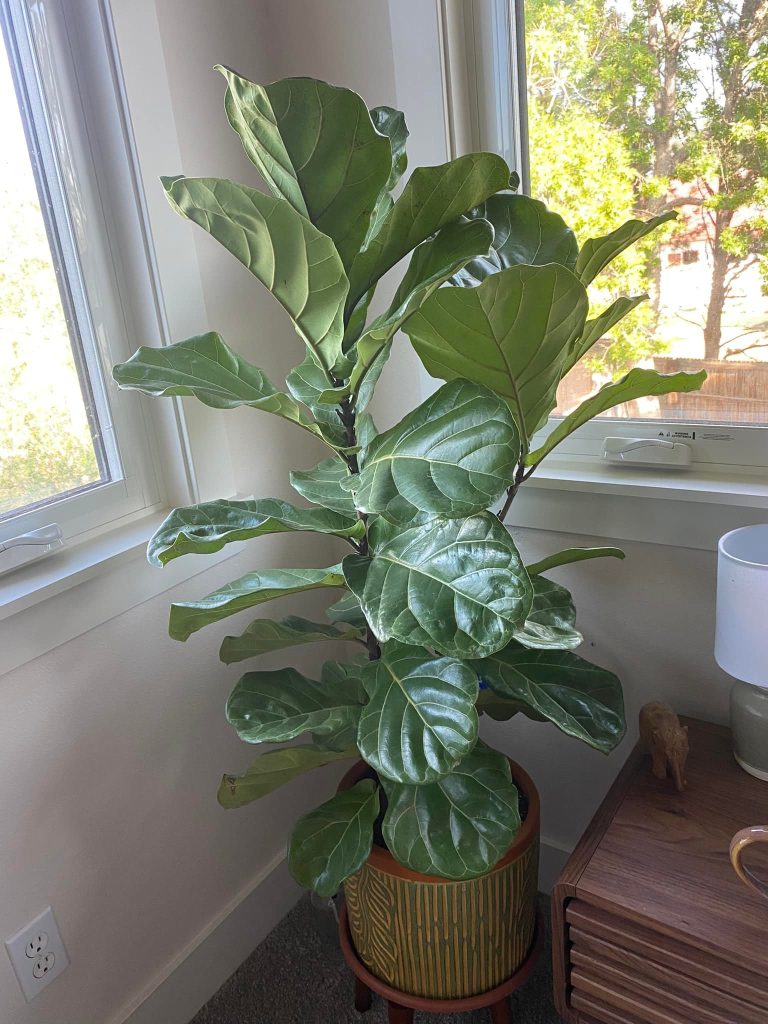
Help! I Overwatered My Fiddle Leaf Fig – Here’s How to Save It
When I first got my fiddle leaf fig, I was obsessed with keeping it happy. I watered it every few days, thinking I was being a great plant parent. Then the yellow leaves and brown spots appeared. I felt like a failure. My plant was practically screaming for help.
But after researching, repotting, and adjusting my care routine, my plant bounced back. If you’re staring at your fiddle leaf fig, wondering if you’ve loved it a little too much with water, you’re not alone. I’ve been there, and I’m here to help.
In this guide, I’ll share everything I’ve learned about fixing an overwatered fiddle leaf fig, preventing future mishaps, and keeping your plant thriving. Let’s dive in and save your green friend!
What Does an Overwatered Fiddle Leaf Fig Look Like?
Fiddle leaf figs (Ficus lyrata) are a favorite in American homes. But overwatering is their kryptonite. It’s the most common mistake plant owners make, and it can lead to root rot, yellow leaves, and a sad, droopy plant. Here’s how to spot the signs before it’s too late:
1. Yellowing Leaves
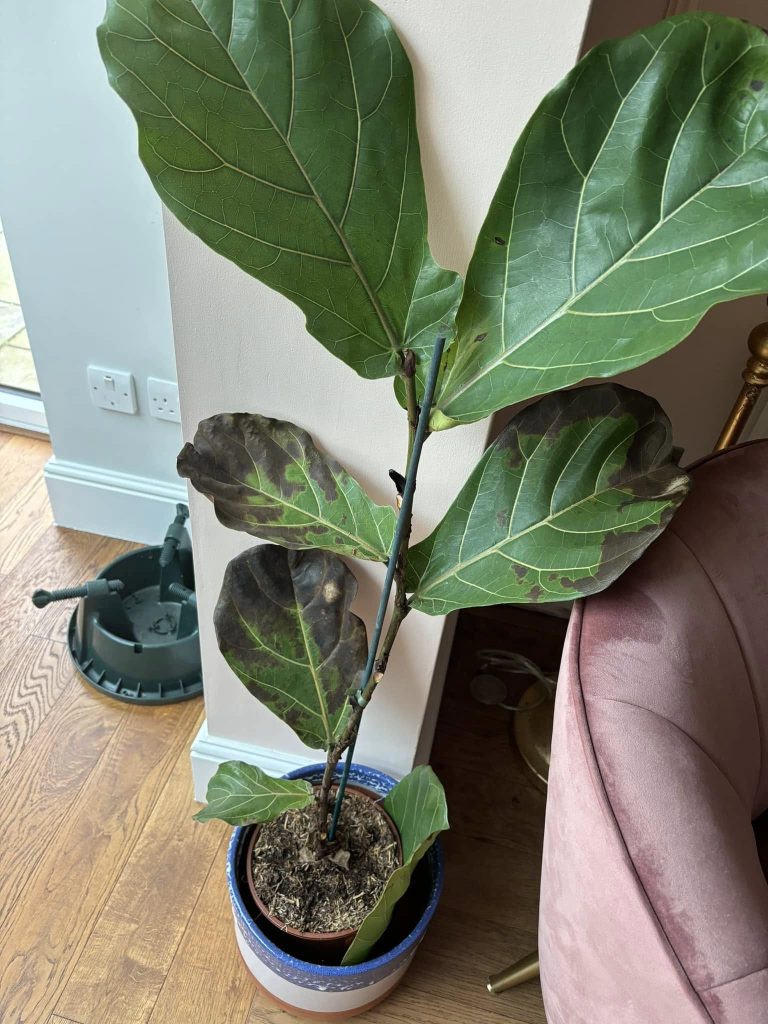
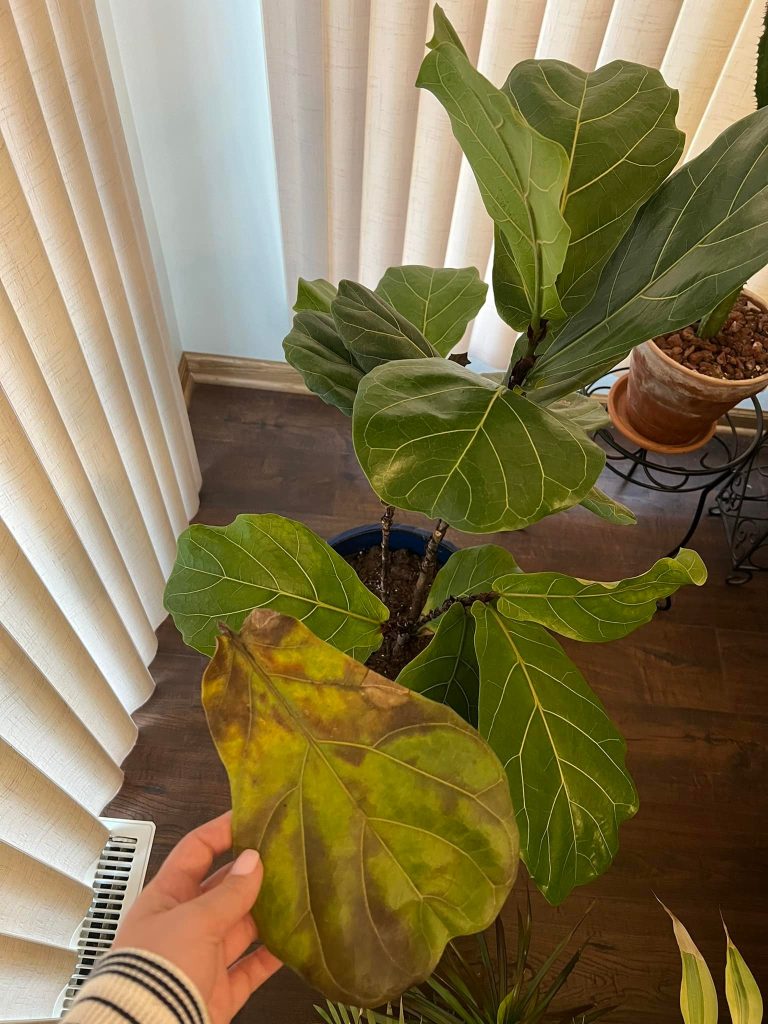
When I overwatered my fiddle leaf fig, the first clue was yellow leaves. They started at the base and spread upward. This happens because soggy roots can’t deliver nutrients properly.
What to look for? Bright yellow leaves, especially lower ones, that feel soft or limp.
2. Drooping or Wilting Leaves
Even though I was watering a lot, my plant looked droopy. Overwatering suffocates roots, so the plant can’t absorb water, making it look thirsty. What to look for? Soft, sagging leaves that don’t perk up after watering.
3. Brown Spots
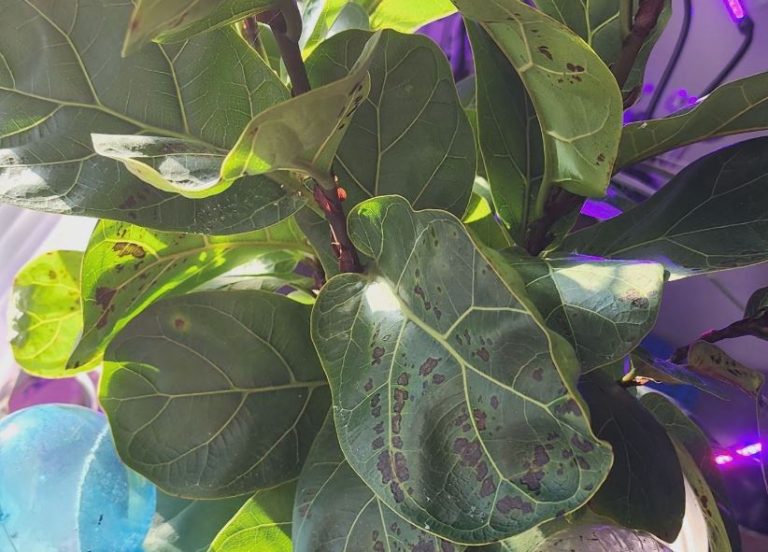
Brown spots on my fiddle leaf fig leaves were my wake-up call. Overwatering causes mushy, dark brown, or black spots, often starting at the leaf edges or base. What to look for? Soft, wet-looking brown spots, sometimes with a yellow halo.
4. Soggy Soil
I stuck my finger in the soil and found it was wet an inch down, even days after watering. This is a classic sign of overwatering. What to look for? Soil that stays wet for more than a few days or smells musty.
5. Root Rot
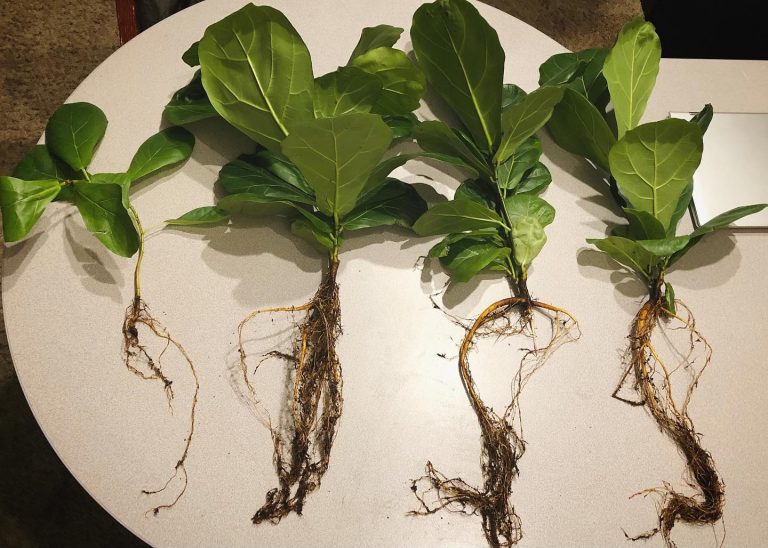
When I finally checked the roots, they were brown and mushy—a sure sign of root rot. Healthy roots should be white and firm. What to look for? Soft, brown, or black roots with a foul odor.
6. Leaf Drop
My fiddle leaf fig started shedding leaves like crazy. Overwatering stresses the plant, causing it to drop leaves to survive. What to look for? Leaves falling off, especially lower ones, without new growth.
Why Overwatering Happens in Most American Homes
Fiddle leaf figs are tropical plants, so they love water—but not too much. Here’s why overwatering is so common in the U.S.:
- Overzealous care: Like me, many plant parents think more water equals more love. Wrong!
- Poor drainage: Pots without drainage holes or heavy soil trap water, suffocating roots.
- Inconsistent light: In dim apartments (hello, New York!), plants use less water, but we keep watering like they’re in full sun.
- Winter overwatering: Indoor heating in places like Chicago or Boston dries the air, but soil stays wet longer in cooler months.
- Misreading signs: Droopy leaves look like thirst, so we water more, making things worse.
How to Save an Overwatered Fiddle Leaf Fig
Don’t panic! You can save your overwatered fiddle leaf fig with these steps. Here’s what I did to bring mine back to life:
Step 1: Stop watering immediately
The first thing I did was put the watering can down. If the soil is soggy, your plant doesn’t need more water. Let the soil dry out completely before watering again.
How to check: Stick your finger 1-2 inches into the soil. If it’s wet, wait. A moisture meter is a game-changer for accuracy.
Step 2: Assess the damage
I gently removed my plant from its pot to check the roots. This is scary but necessary. Healthy roots are white and firm; rotten roots are brown, mushy, and smelly.
What to do: If you see root rot, move to Step 3. If the roots look okay, skip to Step 4.
Step 3: Treat root rot
Root rot is serious, but I saved my plant by acting fast:
- Use clean, sharp scissors to cut away brown or mushy roots. I sterilized my scissors with rubbing alcohol to avoid spreading bacteria.
- Gently rinse healthy roots to remove old soil.
- Repot in fresh soil. Use a well-draining mix (I use 2 parts potting soil, 1 part perlite, and 1 part bark). Choose a pot with drainage holes.
- After repotting, water lightly and wait for the soil to dry out before watering again.
Step 4: Adjust your watering routine
Overwatering taught me to water smarter. Here’s my routine now:
- Watering schedule: Water when the top 1-2 inches of soil are dry. For me, this is every 7-10 days in summer and 10-14 days in winter.
- How to water: Pour water evenly until it drains out the bottom. Empty the saucer to prevent the pot from sitting in water.
- Use filtered water: Tap water with chlorine can stress the plant. I let tap water sit overnight or use filtered water.
Step 5: Improve drainage
I switched to a pot with drainage holes and added perlite to my soil mix. This prevents water from pooling at the bottom.
Pro tip: Place a layer of pebbles at the bottom of the pot to enhance drainage.
Step 6: Prune damaged leaves
Yellow or brown leaves won’t recover, so I cut them off to help my plant focus on new growth.
How to prune: Use clean scissors to cut just above a leaf node. I removed only the worst leaves to avoid shocking the plant.
Step 7: Optimize light and humidity
Fiddle leaf figs need the right environment to recover:
- Light: Place your plant in bright, indirect light. I moved mine near an east-facing window with a sheer curtain.
- Humidity: American homes often have low humidity (30-40%), but fiddle leaf figs prefer 50-60%. I use a humidifier or a pebble tray with water.
- Temperature: Keep it between 65-85°F. Avoid drafts or heaters.
Step 8: Be patient
Recovery takes time. My fiddle leaf fig took weeks to show new growth, but it was worth the wait. Avoid fertilizing until the plant stabilizes, as this can stress it further.
Preventing Overwatering – Long-Term Care Tips
Once your fiddle leaf fig is back on track, keep it healthy with these tips:
1. Master your watering routine. I set a weekly reminder to check the soil. If it’s dry 1-2 inches down, I water; if not, I wait. A moisture meter is my best friend.
2. Use the right pot and soil. Choose a pot with drainage holes and a well-draining mix. I use a terracotta pot to help wick away excess moisture.
3. Monitor seasonal changes. In winter, my plant needs less water due to lower light and cooler temps. In summer, I water more but always check the soil first.
4. Boost humidity. Low humidity stresses plants, especially in dry climates like Arizona or heated homes in Minnesota. I keep a humidifier running or group my plants to create a humid microclimate.
5. Check for pests. Overwatered plants are prone to pests like fungus gnats. I inspect my plant monthly and use neem oil if I spot any bugs.
6. Rotate and Dust. Rotate your plant every few weeks for even light exposure. Dust the leaves with a damp cloth to keep them healthy.
Common Overwatering Mistakes Gardeners Make
Here are mistakes I’ve made (and seen others make) that lead to overwatering:
- Watering on a schedule: Watering every Monday doesn’t work. Always check the soil first.
- Using pots without drainage: Decorative pots look cute but trap water. Always use a pot with holes.
- Ignoring light levels: Plants in low light use less water. My dim corner was a recipe for soggy soil.
- Overcompensating in winter: Indoor heating dries the air, but soil stays wet longer. Reduce watering in colder months.
- Misreading droopiness: Droopy leaves don’t always mean thirst. Check the soil before watering.
FAQ
Here are quick answers to the common questions about the overwatered fiddle leaf fig.
Q: How do I know if I’ve overwatered my fiddle leaf fig?
A: Look for yellowing leaves, drooping, brown spots, soggy soil, or a musty smell. Check the roots for rot if symptoms persist.
Q: Can an overwatered fiddle leaf fig be saved?
A: Yes! Stop watering, check for root rot, repot if needed, and adjust your care routine. Be patient—recovery takes time.
Q: How often should I water my fiddle leaf fig?
A: Water when the top 1-2 inches of soil are dry, typically every 7-14 days, depending on light and season.
Q: Should I repot an overwatered fiddle leaf fig?
A: If root rot is present, repot in fresh, well-draining soil and trim damaged roots. Otherwise, let the soil dry out first.
Q: Can overwatering cause pests?
A: Yes, soggy soil attracts pests like fungus gnats. Inspect regularly and treat with neem oil if needed.
Q: How long does it take for a fiddle leaf fig to recover from overwatering?
A: It can take 2-8 weeks, depending on the damage. New growth is a sign of recovery.
Suggested For You:
Fiddle Leaf Fig Root Rot: Saving Your Plant From The Silent Killer
7 Reasons: Why Is My Fiddle Leaf Fig Dropping Leaves?
Fiddle Leaf Fig Cultivation: Your Ultimate Guide to Growing This Stunning Houseplant
Black Spots on Fiddle Leaf Fig Leaves: Causes, Fixes, and Prevention
Fiddle Leaf Fig Leaves Curling? 8 Easy Fixes to Save Your Plant
3 Methods for Propagating Fiddle Leaf Fig
Conclusion
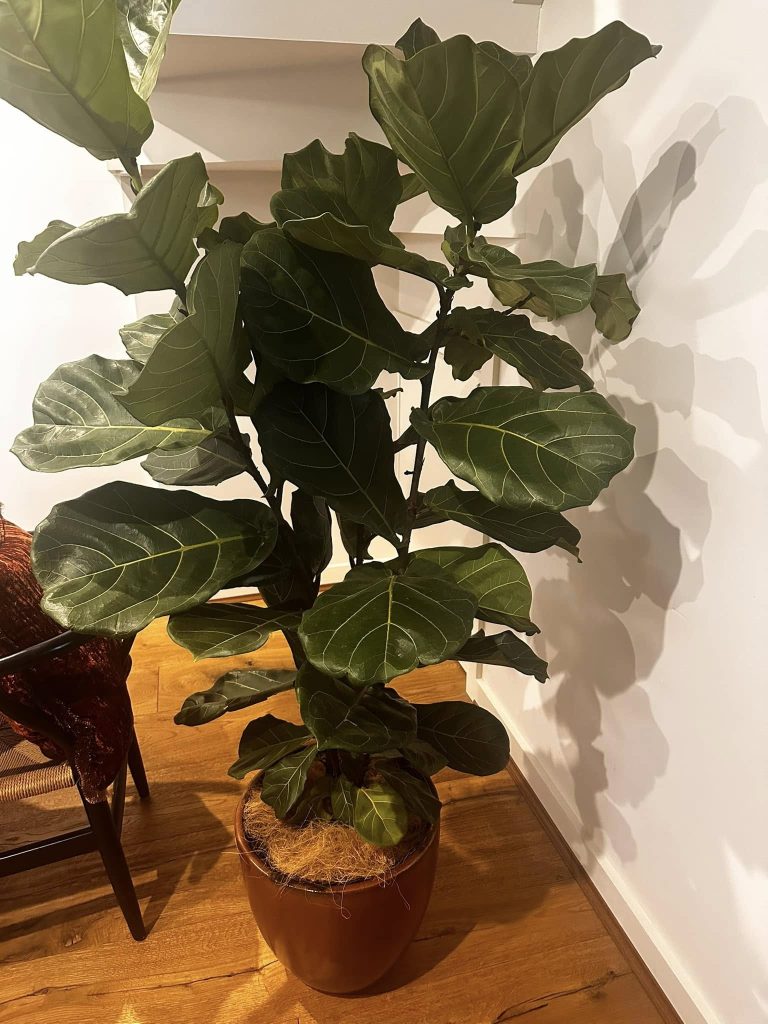
Overwatering your fiddle leaf fig can feel like a disaster, but it’s fixable. I’ve been there, staring at yellow leaves and soggy soil, wondering if my plant would survive. With the right steps—stopping watering, checking roots, and adjusting care—you can bring your plant back to life.
References
- The Spruce. (2023). How to Care for a Fiddle Leaf Fig. https://www.thespruce.com
- University of Florida IFAS Extension. (2022). Ficus lyrata: Fiddle Leaf Fig. https://edis.ifas.ufl.edu
- Missouri Botanical Garden. (2021). Ficus lyrata Care Guide. Retrieved from https://www.missouribotanicalgarden.org
- Penn State Extension. (2020). Common Houseplant Pests and Diseases. https://extension.psu.edu
- American Horticultural Society. (2019). Plant Care: Tropical Houseplants.

Tim M Dave is a gardening expert with a passion for houseplants, particularly cacti and succulents. With a degree in plant biology from the University of California, Berkeley, he has vast experience in gardening. Over the years, he has cultivated a vast collection of desert plants and learned a great deal about how to grow and care for these unique companions.