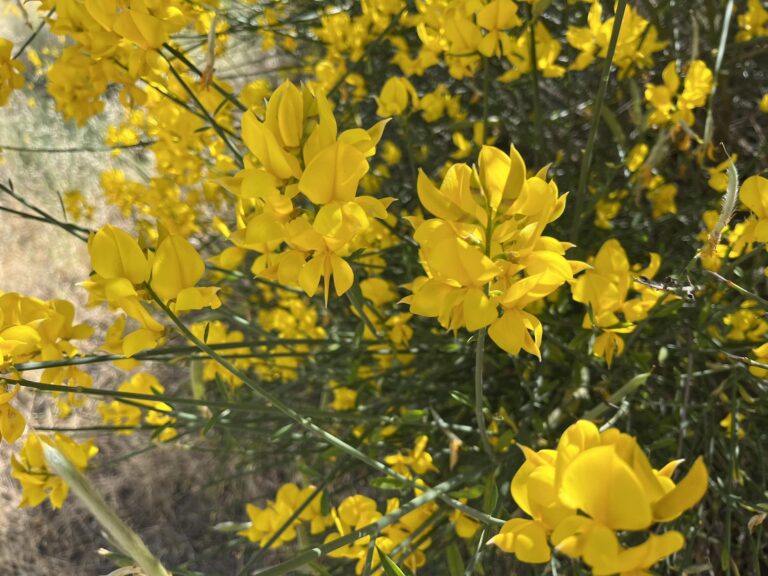
25 Ornamental Shrubs for Landscaping: A Complete Guide for Every Garden
Choosing the right shrubs can completely transform a landscape. Whether you are working with a small front yard or a sprawling garden, ornamental shrubs offer structure, color, texture, and year-round interest that few other plants can match. They frame entryways, soften hardscapes, attract pollinators, and anchor garden beds with purpose and grace.
This guide covers 25 of the best ornamental shrubs for landscaping — from flowering favorites to evergreen workhorses. Each entry includes the key details you need to make a confident planting decision.
What Makes a Shrub “Ornamental”?
An ornamental shrub is grown primarily for its visual appeal rather than food production. It may offer beautiful flowers, striking foliage, colorful berries, interesting bark, or a combination of all these features. In landscaping, ornamental shrubs serve multiple roles: they create privacy screens, define garden borders, add seasonal color, and improve the overall composition of outdoor spaces.
The best ornamental shrubs are also practical. They require manageable maintenance, tolerate a range of growing conditions, and remain attractive across multiple seasons.
25 Best Ornamental Shrubs for Landscaping
1. Hydrangea (Hydrangea macrophylla)
Few shrubs command attention the way hydrangeas do. Their large, globe-shaped flower clusters in shades of pink, blue, purple, and white make them one of the most beloved landscaping shrubs in the world. They thrive in partial shade and moist, well-drained soil. Bigleaf hydrangeas are particularly popular in temperate climates, and their flower color can be influenced by soil pH — acidic soil promotes blue blooms, while alkaline soil encourages pink ones. They work beautifully as foundation plantings or as focal points in mixed borders.
Hardiness: USDA Zones 5–9 | Height: 3–6 feet | Bloom Time: Summer to fall
2. Forsythia (Forsythia x intermedia)
Forsythia is often the first sign that spring has arrived. Its bright yellow flowers appear on bare branches before the leaves emerge, offering a welcome burst of color after a long winter. It is a fast-growing, easy-care shrub that tolerates a range of soils and adapts well to pruning. Forsythia works well as a hedge or massed along fences and property borders. Its only downside is that it has a relatively short bloom window, but that brief display is genuinely spectacular.
Hardiness: USDA Zones 5–9 | Height: 6–10 feet | Bloom Time: Early spring
3. Boxwood (Buxus sempervirens)
Boxwood is the classic choice for formal gardens and structured landscapes. Its dense, evergreen foliage holds its shape beautifully when clipped, making it ideal for topiaries, hedges, and edging. It grows slowly but steadily and tolerates heavy pruning without complaint. Boxwood performs best in well-drained soil with some protection from harsh winter winds. For those concerned about boxwood blight, several resistant cultivars are now available on the market.
Hardiness: USDA Zones 5–9 | Height: 3–15 feet (varies by cultivar) | Foliage: Evergreen
4. Rose of Sharon (Hibiscus syriacus)
Rose of Sharon is a tall, upright shrub that blooms in late summer when most other flowering shrubs have finished. Its hibiscus-like flowers come in shades of white, pink, purple, and bicolor, providing a reliable display during the hottest part of the season. It is drought-tolerant once established and adapts well to both full sun and partial shade. One consideration: it self-seeds prolifically, so deadheading spent blooms can help prevent unwanted seedlings.
Hardiness: USDA Zones 5–9 | Height: 8–12 feet | Bloom Time: Mid to late summer
5. Japanese Pieris (Pieris japonica)
Japanese pieris is a four-season ornamental shrub that earns its place in any landscape. In late winter or early spring, it produces cascading clusters of small, bell-shaped white or pink flowers. As the season progresses, its new growth emerges in vivid shades of red or copper before maturing to glossy green. It is an acid-loving evergreen that pairs beautifully with rhododendrons and azaleas. It also happens to be deer-resistant, which is a significant advantage in many suburban settings.
Hardiness: USDA Zones 5–8 | Height: 6–8 feet | Foliage: Evergreen
6. Lilac (Syringa vulgaris)
The lilac is a sentimental favorite for many gardeners, and with good reason. Its intensely fragrant, cone-shaped flower clusters in purple, pink, or white are among the most recognizable spring blooms in the temperate world. Lilacs need cold winters to bloom well, making them especially popular in northern climates. They are long-lived shrubs — some specimens have been known to thrive for over a century — and they make outstanding specimens or informal hedgerows.
Hardiness: USDA Zones 3–7 | Height: 8–15 feet | Bloom Time: Mid-spring
7. Spirea (Spiraea spp.)
Spirea is one of the most versatile ornamental shrubs available. Depending on the species, it offers either white flower clusters in spring (like Spiraea vanhouttei) or pink to red blooms in summer (Spiraea japonica). Its compact size and adaptability make it suitable for foundation plantings, low hedges, and mixed borders. Many cultivars also have attractive foliage — gold, chartreuse, or burgundy — that adds color even when the plant is not in bloom.
Hardiness: USDA Zones 3–9 | Height: 2–6 feet | Bloom Time: Spring or summer (varies by species)
8. Rhododendron (Rhododendron spp.)
Rhododendrons are among the most dramatic flowering shrubs in the landscape. Their large, bold flowers in shades of red, pink, white, purple, and yellow appear in spring and are supported by handsome, leathery evergreen leaves year-round. They prefer acidic, well-drained, humus-rich soil and partial shade in hotter climates. Rhododendrons perform best when planted away from direct afternoon sun, especially in regions with warm summers. They pair naturally with azaleas, which belong to the same genus.
Hardiness: USDA Zones 4–9 | Height: 4–20 feet (varies by species) | Foliage: Evergreen
9. Azalea (Rhododendron spp.)
Though botanically classified within the rhododendron genus, azaleas are typically treated as a separate category in horticulture. They are smaller and more delicate in appearance, with a profusion of funnel-shaped flowers in spring that can turn a garden into a living painting. Both deciduous and evergreen varieties are available. Azaleas are especially beloved in Japanese-inspired and cottage garden designs. Like rhododendrons, they require acidic soil and protection from harsh winds.
Hardiness: USDA Zones 4–9 | Height: 2–8 feet | Bloom Time: Spring
10. Butterfly Bush (Buddleja davidii)
True to its name, the butterfly bush is a magnet for butterflies, bees, and hummingbirds. Its long, arching flower spikes in purple, white, pink, or red appear throughout summer and emit a pleasant honey-like fragrance. It is a fast-growing shrub that thrives in full sun and poor, well-drained soil. Because it can spread aggressively in some regions, several sterile cultivars have been developed that do not produce viable seed. Always check local invasive species guidelines before planting.
Hardiness: USDA Zones 5–9 | Height: 4–8 feet | Bloom Time: Summer to fall
11. Oakleaf Hydrangea (Hydrangea quercifolia)
The oakleaf hydrangea is a native North American shrub with exceptional multi-season interest. In summer, it produces large, cone-shaped white flower clusters that age to a parchment pink. Its deeply lobed, oak-like leaves turn brilliant shades of orange, red, and purple in autumn. Even in winter, the plant earns its keep with attractive peeling bark and persistent dried flower heads. It tolerates shade better than most flowering shrubs and is relatively drought-tolerant once established.
Hardiness: USDA Zones 5–9 | Height: 6–8 feet | Bloom Time: Summer
12. Viburnum (Viburnumspp.)
Viburnum is an underappreciated genus that deserves far more attention in the landscape. Different species offer spring flowers (often fragrant), summer berries in shades of red, blue, or black, and outstanding autumn foliage. Some are evergreen; others are deciduous. Among the most popular choices are Viburnum opulus (European cranberrybush), Viburnum plicatum (doublefile viburnum), and Viburnum carlesii (Koreanspice viburnum). With the right selection, viburnums can provide interest in every season.
Hardiness: USDA Zones 2–9 (varies by species) | Height: 4–15 feet | Foliage: Deciduous or evergreen
13. Weigela (Weigela florida)
Weigela is a classic landscape shrub prized for its trumpet-shaped flowers in shades of red, pink, and white, which appear abundantly in late spring and often rebloom lightly in summer. Modern cultivars offer dramatic foliage color — deep burgundy, golden yellow, or variegated — that keeps the plant attractive even when it is not in bloom. Weigela is easy to grow in full sun to partial shade and tolerates a range of soil types. Its arching branches give it a graceful, informal character.
Hardiness: USDA Zones 4–8 | Height: 6–10 feet | Bloom Time: Late spring to early summer
14. Potentilla (Potentilla fruticosa)
Also known as shrubby cinquefoil, potentilla is a tough, dependable shrub that blooms over a very long season. Its small, five-petaled flowers in yellow, orange, white, or pink appear from early summer through fall, making it one of the longest-blooming landscape shrubs available. It performs best in full sun and well-drained soil and is notably drought- and cold-tolerant. Potentilla is an excellent choice for difficult sites, including slopes, rocky areas, and low-maintenance gardens.
Hardiness: USDA Zones 2–7 | Height: 2–4 feet | Bloom Time: Early summer to fall
15. Holly (Ilex spp.)
Few shrubs offer winter interest quite like holly. Its glossy, dark green leaves and bright red berries make it instantly recognizable and especially popular for holiday landscapes. Most hollies are dioecious, meaning you need both male and female plants to produce berries. English holly (Ilex aquifolium) and American holly (Ilex opaca) are among the most commonly planted species, though compact cultivars of inkberry (Ilex glabra) are popular for naturalizing. Hollies are also excellent for wildlife, providing food and shelter for birds.
Hardiness: USDA Zones 3–9 (varies by species) | Height: 3–50 feet | Foliage: Evergreen
16. Japanese Barberry (Berberis thunbergii)
Japanese barberry is valued for its colorful foliage, which ranges from deep purple to bright gold depending on the cultivar. It is a tough, adaptable shrub that tolerates poor soil, drought, and urban conditions. Its dense, thorny branches also make it an effective security barrier or low hedge. However, it is considered invasive in parts of the northeastern and midwestern United States, so it is important to check local regulations before planting. Where permitted, its four-season visual impact is hard to match.
Hardiness: USDA Zones 4–8 | Height: 3–6 feet | Foliage: Deciduous
17. Burning Bush (Euonymus alatus)
Burning bush earns its name in autumn, when its foliage turns an intense, fiery red that can stop people in their tracks. During the rest of the year, it is an unremarkable but tidy deciduous shrub with attractive corky wings on its stems. Like barberry, it has invasive potential in parts of North America, and several states have restricted its sale. Where it can be grown responsibly, it remains one of the most spectacular fall-color shrubs available, particularly in mass plantings.
Hardiness: USDA Zones 4–8 | Height: 6–10 feet | Foliage: Deciduous
18. Yew (Taxus spp.)
Yew is one of the most reliable evergreen shrubs for formal and informal landscaping alike. Its dense, dark green needles hold their color year-round, and it tolerates heavy pruning, making it ideal for hedges, topiaries, and foundation plantings. Unlike many conifers, yew thrives in shaded conditions, which makes it invaluable in north-facing yards and woodland gardens. It also produces bright red berry-like fruits that are attractive to birds, though nearly all parts of the plant are toxic to humans and livestock.
Hardiness: USDA Zones 4–7 | Height: 4–20 feet (varies by species) | Foliage: Evergreen
19. Juniper (Juniperus spp.)
Junipers are among the most adaptable ornamental shrubs available. They range from low-growing ground covers (like Juniperus horizontalis) to tall, columnar forms (like Juniperus scopulorum ‘Skyrocket’) that make striking vertical accents. All share excellent drought tolerance, deer resistance, and year-round foliage interest. Their blue-green to silver-green needles often develop attractive bronze tints in winter. They perform best in full sun and well-drained soil, making them ideal for hot, dry landscapes.
Hardiness: USDA Zones 3–9 (varies by species) | Height: 1–20 feet | Foliage: Evergreen
20. Camellia (Camellia japonica)
In warmer climates, the camellia is one of the most elegant flowering shrubs available. Its glossy, dark green leaves remain beautiful year-round, and its large, rose-like flowers in shades of red, pink, and white appear in late winter or early spring — often the only shrub flowering at that time. Camellias prefer partial shade and acidic, well-drained soil. They are widely used in Southern U.S. gardens and are becoming increasingly popular in the Pacific Northwest as climate conditions shift.
Hardiness: USDA Zones 7–9 | Height: 6–12 feet | Bloom Time: Late fall to spring
21. Loropetalum (Loropetalum chinense)
Loropetalum, or Chinese fringe flower, has become a standout in warm-climate landscaping. Its deep burgundy or purple foliage provides dramatic year-round color, and its fringe-like pink or white flowers appear in spring with occasional repeat blooming. It grows in full sun to partial shade and tolerates a range of soil conditions as long as drainage is adequate. Its compact cultivars work well as foundation plants, low hedges, and container specimens. It is one of those shrubs that makes every landscape look more polished.
Hardiness: USDA Zones 7–10 | Height: 3–10 feet (varies by cultivar) | Foliage: Evergreen
22. Fothergilla (Fothergilla spp.)
Fothergilla is a native North American shrub that deserves far wider use in the landscape. It produces fragrant, bottlebrush-like white flowers in spring before the leaves emerge, and its autumn foliage display in shades of yellow, orange, and red is among the finest of any flowering shrub. It performs best in acidic, moist, well-drained soil and thrives in both full sun and partial shade. Its natural, layered branching structure gives it a lovely informal character that suits cottage and woodland gardens.
Hardiness: USDA Zones 4–8 | Height: 3–10 feet | Bloom Time: Early spring
23. Serviceberry (Amelanchier spp.)
Often classified as either a large shrub or small tree, serviceberry (also called shadbush or Juneberry) is one of the most ornamentally complete plants available. It blooms early in spring with delicate white flowers, produces edible berries in early summer that attract birds, and offers brilliant fall foliage in shades of orange and red. Its smooth, gray bark adds winter interest. Serviceberry works well as a single specimen, in hedgerows, or at the edge of woodland gardens. It is also native to much of North America.
Hardiness: USDA Zones 2–9 | Height: 6–25 feet | Bloom Time: Early spring
24. Mock Orange (Philadelphus coronarius)
Mock orange is named for its powerfully fragrant white flowers, which carry a scent remarkably similar to orange blossom. It blooms in late spring or early summer, filling the surrounding area with a wonderful perfume. The plant itself is straightforward — a medium-sized, deciduous shrub with an arching habit — but when it is in bloom, it is unforgettable. It is easy to grow in full sun to partial shade and tolerates a wide range of soils. After flowering, it can be pruned to maintain a tidy form.
Hardiness: USDA Zones 4–8 | Height: 6–10 feet | Bloom Time: Late spring to early summer
25. Smokebush (Cotinus coggygria)
Smokebush is one of those shrubs that genuinely stops people in their tracks. Its common name comes from the feathery, smoke-like plumes of tiny flowers that billow above the foliage in summer, giving the plant an ethereal, cloud-like appearance. Cultivars with deep purple foliage, such as ‘Royal Purple’ and ‘Grace’, are particularly stunning and add dramatic contrast to the landscape. Smokebush is very drought-tolerant once established and grows well in full sun and well-drained soil. It makes a superb specimen plant or works beautifully in a mixed border.
Hardiness: USDA Zones 4–8 | Height: 10–15 feet | Bloom Time: Early summer
How to Choose the Right Ornamental Shrub for Your Landscape
Selecting shrubs goes beyond picking what looks beautiful in a catalog. Several practical factors should guide your decision:
Hardiness zone. Every shrub has a temperature range within which it thrives. The USDA Plant Hardiness Zone Map is the standard reference in the United States. Always select shrubs rated for your zone or hardier.
Sunlight. Most flowering shrubs prefer full sun (6+ hours per day), though many tolerate partial shade. Shade-tolerant options like yew, Japanese pieris, and oakleaf hydrangea are invaluable for north-facing or woodland settings.
Soil conditions. Consider your soil’s drainage, pH, and fertility. Acid-loving shrubs like azaleas, rhododendrons, and camellias require pH levels in the range of 4.5 to 6.0. Heavy clay or sandy soil may need amendment before planting.
Mature size. A common landscaping mistake is planting shrubs too close to buildings or other plants. Always account for the mature spread of a shrub, not just its size at purchase.
Maintenance requirements. Some shrubs, like potentilla and spirea, are largely self-sufficient. Others, like formal boxwood hedges, require regular clipping. Match the maintenance demand to the time and effort you can realistically commit.
Seasonal interest. Where possible, choose shrubs that offer more than one season of appeal — flowers in spring, berries in summer, foliage color in autumn, and attractive form or bark in winter.
Planting and Care Essentials
Most ornamental shrubs follow a similar planting protocol. Dig a hole two to three times wider than the root ball but no deeper. Position the shrub so the top of the root ball sits slightly above the surrounding soil level to prevent crown rot. Backfill with native soil, water thoroughly, and apply a 2–3 inch layer of mulch around the base, keeping it away from the stem.
For the first growing season, consistent watering is critical. Once established, most shrubs are relatively self-sufficient, though a layer of compost applied in spring and a balanced slow-release fertilizer can support vigorous growth and flowering.
Pruning should generally be done after flowering. Shrubs that bloom on old wood (like lilac and forsythia) should be pruned immediately after flowering. Shrubs that bloom on new wood (like rose of Sharon and butterfly bush) can be pruned in late winter or early spring.
Suggested For You:
20 Shrubs for Shade: The Best Choices for Every Garden and Climate
10 Shrubs with Red Berries: A Complete Guide for Gardeners Worldwide
15 Shrubs That Bloom All Summer: A Complete Guide for Gardeners
15 Deer Resistant Shrubs: The Best Choices for Gardens Under Pressure
25 Flowering Shrubs for Full Sun: The Complete Guide to a Radiant Garden
Final Thoughts
Ornamental shrubs are among the most rewarding investments you can make in a landscape. Unlike perennials that disappear in winter or annuals that need replanting each year, shrubs build permanence, structure, and character over time. A well-placed smokebush or oakleaf hydrangea can become the signature element of an entire garden design — the feature that makes a space feel finished, intentional, and truly beautiful.
Take the time to choose shrubs that suit your climate, your soil, and your personal vision. The results will be worth every bit of the effort.
References
- University of Illinois Extension – Shrubs in the Landscape https://extension.illinois.edu/global/shrubs-landscape
- Missouri Botanical Garden – Ornamental Shrubs Plant Finder https://www.missouribotanicalgarden.org/plantfinder/plantfinderdetails.aspx
- North Carolina State University Extension – Shrub Selection and Care https://content.ces.ncsu.edu/landscape-plants-for-the-southeast
- Penn State Extension – Flowering Shrubs for the Landscape https://extension.psu.edu/shrubs-in-the-landscape
- USDA Plant Hardiness Zone Map https://planthardiness.ars.usda.gov

Tim M Dave is a gardening expert with a passion for houseplants, particularly cacti and succulents. With a degree in plant biology from the University of California, Berkeley, he has vast experience in gardening. Over the years, he has cultivated a vast collection of desert plants and learned a great deal about how to grow and care for these unique companions.