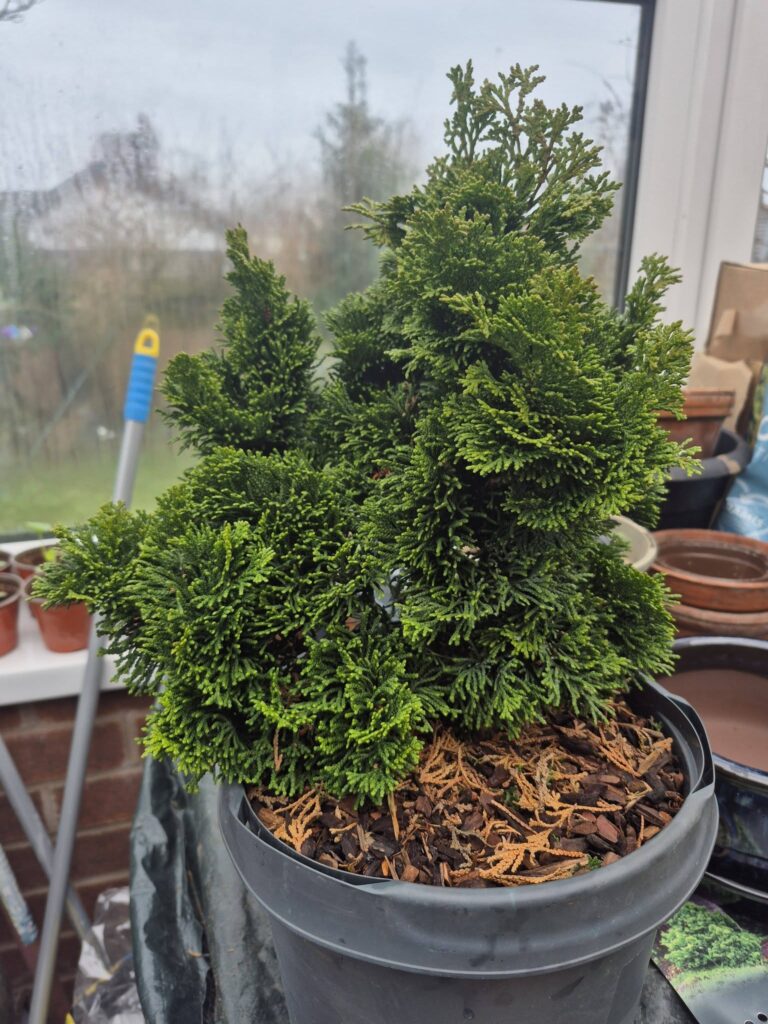
8 Nordmann Fir Tree Problems: Causes and Solutions
The Nordmann fir (Abies nordmanniana) is one of the most popular Christmas trees in Europe, and increasingly so across the world. Its dense, glossy, dark-green needles and non-drop quality have made it a favourite for millions of households.
But beyond the festive season, many gardeners and growers also plant it outdoors as a long-term ornamental or shelter tree.
That said, the Nordmann fir is not without its challenges. Whether you are growing one in a pot, a garden border, or a commercial plantation, certain problems can arise that threaten the tree’s health and appearance.
This guide covers the most common Nordmann fir tree problems in detail — what causes them, how to identify them, and what you can do. We also explore the ideal conditions this tree needs to thrive, so you can prevent many of these issues before they start.
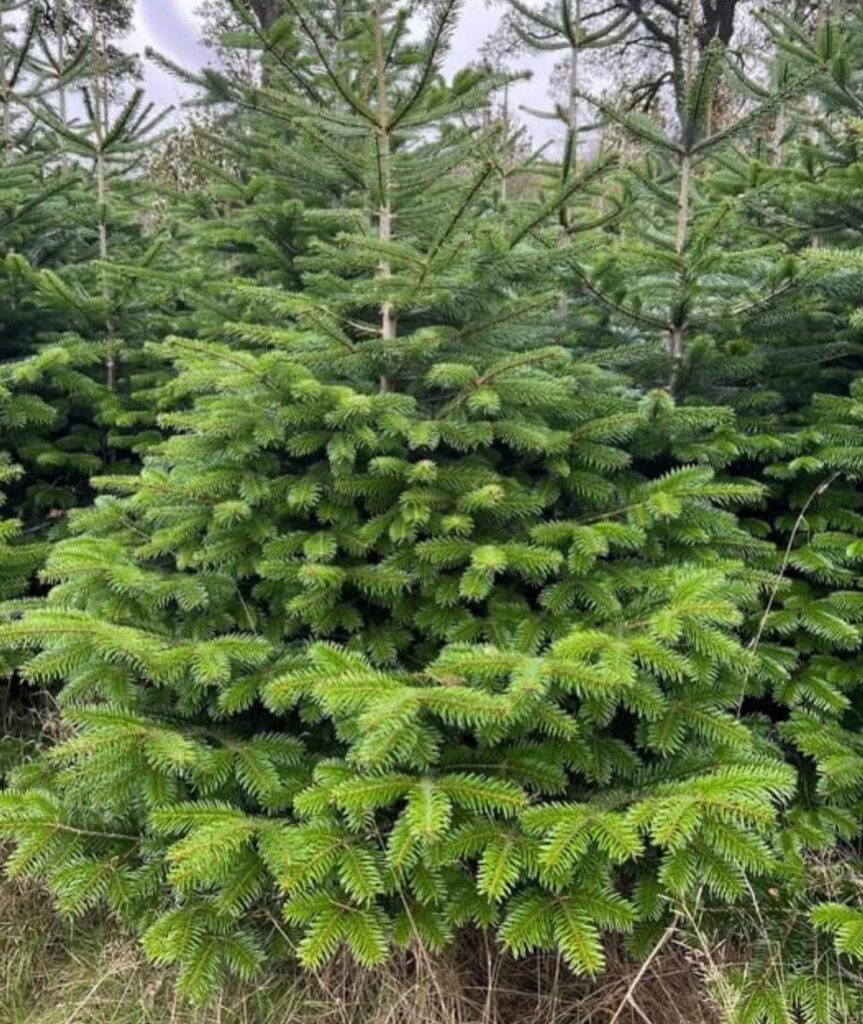
Understanding the Nordmann Fir Before You Diagnose Problems
Before diving into problems, it helps to understand what this tree naturally is.
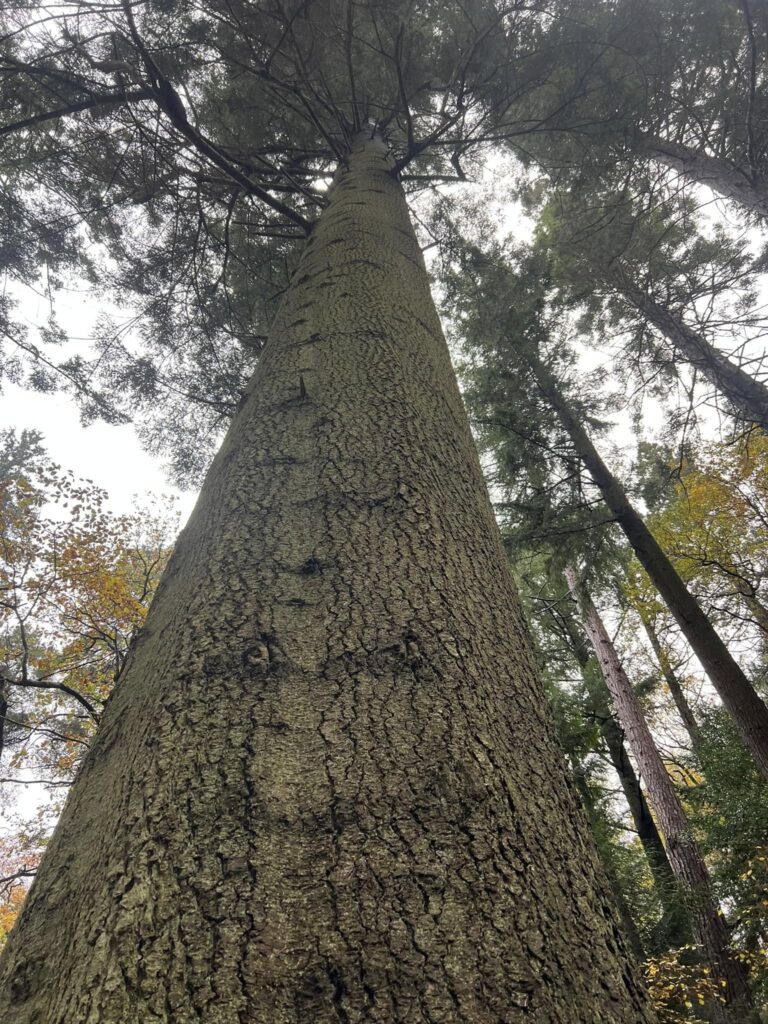
The Nordmann fir originates from the Caucasus Mountains and the coastal forests of northern Turkey. It is accustomed to cool, moist, mountainous environments with well-drained soils. This background explains much of what it needs — and much of what it struggles with in cultivation.
It is a slow-growing conifer, capable of reaching 30 metres or more at full maturity in the wild, though cultivated specimens are usually much smaller. Its deep green, blunt-tipped needles are soft to the touch, and it produces upright purplish cones that are attractive in their own right.
When something goes wrong with a Nordmann fir, the signs are usually visible on the needles, bark, or overall structure. Knowing what to look for makes all the difference.
Common Nordmann Fir Tree Problems
Here are the main challenges for growing the Nordmann Christmas cactus:
1. Needle Drop and Needle Browning
Needle drop is perhaps the most frequently reported issue, especially in potted Christmas trees brought indoors. However, it also occurs outdoors under certain stressful conditions.
One of the Nordmann fir’s main selling points is its needle retention — it holds its needles far longer than Norway spruce. So when needles do start dropping, it is worth investigating.
Possible causes include:
- Root dehydration — The tree’s root system dries out faster than most people expect, especially in centrally heated rooms. A dry rootball is one of the most common reasons for indoor needle drop.
- Heat exposure — Placing the tree near a radiator, fireplace, or in direct sunlight through a window significantly stresses the tree and accelerates moisture loss.
- Root damage during transplanting — Outdoor trees that have been poorly transplanted or had their root ball disturbed often show needle browning in the weeks following.
- Waterlogged soil — Paradoxically, too much water is just as damaging as too little. Saturated roots cannot function properly, leading to wilting and needle loss that looks like drought stress.
What you can do: For indoor trees, water the root ball consistently, keep it away from heat sources, and mist the foliage lightly if the air is particularly dry. For outdoor trees, check soil drainage before planting, and water deeply but infrequently.
2. Root Rot (Phytophthora Root Disease)
Root rot caused by Phytophthora species is one of the most serious diseases affecting Nordmann firs. It is a water mould — not a true fungus — and it thrives in wet, poorly drained soils.
Symptoms include:
- Yellowing or browning of needles from the bottom of the tree upward
- A general wilting appearance even when soil appears moist
- Dark, mushy roots that may have a foul smell
- Bark discolouration at the base of the trunk, sometimes turning reddish-brown
This disease is particularly damaging because it often kills the roots silently, long before you notice above-ground symptoms. By the time the tree looks visibly unwell, significant root damage has already occurred.
Phytophthora cinnamomi and P. cambivora are among the species most associated with fir tree decline in forestry and horticulture settings.
Prevention and management: Avoid planting Nordmann firs in areas prone to waterlogging. Improve soil drainage by incorporating grit or growing on raised beds. Fungicide-based treatments containing phosphonate compounds can help manage early-stage infections, though severely affected trees are unlikely to recover.
3. Aphid Infestations (Adelgids)
Woolly aphids, specifically balsam woolly adelgid (Adelges piceae) and related species, are a well-documented pest of fir trees, including the Nordmann fir.
These tiny insects feed on the tree’s bark and needles, piercing plant tissue to extract sap. They produce a white, woolly wax coating that makes them easy to identify — look for small, white cotton-like tufts along the branches and around the base of needles.
Symptoms of adelgid damage include:
- Distorted, stunted shoot growth
- Needle curling or yellowing
- Branch dieback in heavy infestations
- Premature needle drop
The damage is particularly severe in young trees and nursery stock. In commercial plantations, adelgid pressure can reduce the market value of Christmas trees significantly.
Control options: In mild cases, pruning affected shoots and spraying with horticultural insecticidal soap or neem oil can be effective. For severe infestations, contact insecticides or systemic treatments may be necessary. Always follow label guidance and consider the impact on beneficial insects.
4. Rust Diseases (Melampsorella and Related Fungi)
Rust diseases affect many conifers, and the Nordmann fir is not immune. The primary rust pathogen associated with silver firs is Melampsorella caryophyllacearum, which has a complex lifecycle involving both fir trees and chickweed plants as alternate hosts.
Visible signs include:
- Orange or rust-coloured pustules on the underside of needles
- Yellow banding or streaking on needles
- Distortion of young shoots, sometimes forming what are called “witches’ brooms” — dense, abnormal clusters of twiggy growth
Rust infections rarely kill a mature, healthy tree outright. However, repeated infections weaken the tree, reduce its visual appeal, and may make it more susceptible to other stresses.
Management: Remove and destroy affected material where possible. Avoid dense planting that limits airflow. Eliminate nearby alternate hosts (such as chickweed) to reduce the fungal lifecycle. Fungicide sprays containing copper or sulfur compounds can provide some control in high-value situations.
5. Honey Fungus (Armillaria Species)
Honey fungus is one of the most feared plant diseases in the garden. It infects and kills a wide range of trees and shrubs, and Nordmann firs can fall victim to it, particularly in gardens where infected stumps or roots from previous plantings remain in the soil.
Signs of honey fungus infection include:
- Rapid, unexplained wilting and needle browning
- Cream-coloured, fan-shaped fungal growth (mycelium) beneath the bark at the base of the trunk
- Black, bootlace-like structures called rhizomorphs spreading through the soil from infected material
- Clusters of honey-coloured toadstools appearing at the tree’s base in autumn
There is no cure for honey fungus once established. The best approach is prevention — remove old stumps and infected root material before planting, and avoid planting into previously infected soil without thorough clearance.
6. Bark Beetle Attack
In weakened or stressed trees, bark beetles may move in and accelerate decline. Species such as Pityokteines curvidens are known to attack silver firs in Europe, and the Nordmann fir can be vulnerable, particularly in dry summers or areas of high pest pressure.
Signs include small, round entry holes in the bark, fine sawdust-like frass at the base of the tree, and progressive browning of foliage from the top down.
Bark beetles generally target trees already in poor health. Maintaining overall tree vigour through appropriate watering and nutrition is the best form of protection.
7. Poor Establishment and Transplant Shock
This is not a disease or pest, but it is one of the most common reasons Nordmann firs fail — particularly when moved from one location to another.
Transplant shock occurs when the root system is unable to supply adequate water and nutrients to the tree following disturbance. Symptoms can look deceptively similar to pest and disease problems: browning needles, wilting, and general poor vigour.
Newly planted trees are particularly vulnerable in their first two growing seasons. A common mistake is assuming the tree needs more water when, in fact, it needs better drainage — or vice versa.
Tips to reduce transplant shock:
- Plant in autumn or early spring when temperatures are mild
- Water in well at planting, and continue to water during dry spells in the first two years
- Avoid fertilising until the tree shows signs of active, healthy new growth
- Apply a layer of mulch around the base (but not touching the trunk) to retain moisture and moderate soil temperature
8. Sunscorch and Wind Damage
Nordmann firs, especially young specimens, can suffer from sunscorch in exposed locations with little protection from strong afternoon sun. Browning on one side of the tree — particularly the south or west-facing side — often points to sunscorch rather than disease.
Similarly, persistent cold or drying winds can desiccate the foliage of young trees before the root system is large enough to replace lost moisture. This condition, known as windscorch, produces browning at the needle tips and can be mistaken for pest damage or disease.
The Right Growing Conditions for Nordmann Fir
Now that we have covered what can go wrong, it is equally important to understand what this tree genuinely needs to flourish. Getting the growing conditions right from the start dramatically reduces the risk of most of the problems described above.
Soil Requirements
The Nordmann fir prefers deep, moist, well-drained soils with a slightly acidic to neutral pH (around 5.5 to 7.0). It does not perform well in chalky, shallow, or waterlogged ground.
Ideally, the soil should be rich in organic matter. Before planting, it is worth incorporating well-rotted compost to improve both moisture retention in sandy soils and drainage in clay soils.
Avoid heavy clay soils unless drainage has been significantly improved. Waterlogged roots are a direct pathway to root rot and poor establishment.
Light and Position
The Nordmann fir is a relatively shade-tolerant species compared to many conifers, but it grows best in full sun or light partial shade.
In deep shade, growth slows noticeably, and the tree may become sparse and leggy over time. Choose a position with good light — ideally sheltered from extreme winds but not crowded by larger trees or structures.
Watering
Young Nordmann firs need consistent moisture, particularly during dry summers. Once established — usually after two to three growing seasons — they are reasonably drought-tolerant, though extended dry periods should still be supplemented with deep watering.
For potted trees, check the compost moisture regularly. Push a finger 3–4 cm into the growing medium: if it feels dry, water thoroughly until it drains from the base.
Never allow pots to sit in standing water — this is one of the leading causes of root rot in container-grown specimens.
Temperature and Climate
Being native to mountain regions, the Nordmann fir is highly frost-hardy and tolerates temperatures well below freezing. It is, however, susceptible to late spring frosts when new growth is emerging, so avoid positions where cold air pools (frost pockets).
It does not perform well in prolonged summer heat or in warm maritime climates without cool winters. In such conditions, the tree may show reduced vigour and increased pest pressure.
Fertilisation
In nutrient-poor soils, a balanced, slow-release fertiliser applied in early spring can support healthy growth. Look for products with balanced NPK ratios, or a formulation slightly higher in nitrogen to support foliar development.
Avoid over-fertilising, particularly with high-nitrogen feeds later in the season, as this can stimulate soft, late growth that is more vulnerable to frost damage.
For established outdoor trees in reasonable soil, annual fertilisation is usually unnecessary. The tree’s own needle litter, as it decomposes, returns nutrients to the soil naturally.
Pruning
In most garden situations, the Nordmann fir requires little to no pruning. Its natural form is beautifully symmetrical, and excessive cutting disrupts this.
If pruning is necessary — to remove dead or diseased branches, or to maintain a specific shape — do so in late winter or early spring before new growth begins. Never remove more than one-third of the living canopy in a single season.
Quick Diagnostic Summary
| Symptom | Most Likely Cause |
| Needles falling indoors | Heat stress, dry roots |
| Yellowing from base upward | Root rot or waterlogging |
| White fluffy tufts on branches | Woolly adelgids |
| Orange pustules on needles | Rust disease |
| Fan-shaped growth under bark | Honey fungus |
| Browning on one side only | Sunscorch or windscorch |
| Wilting despite moist soil | Phytophthora or compacted roots |
Final Thoughts
The Nordmann fir is a beautiful, dignified tree — and for good reason, it has earned its place as the go-to Christmas tree and a worthy addition to larger gardens. But like all living things, it has its vulnerabilities.
The vast majority of Nordmann fir problems come down to one of three things: poor drainage, inappropriate positioning, or a stress event that leaves the tree open to secondary pests and disease.
If you can get the fundamentals right — good soil, adequate but not excessive moisture, appropriate light, and room to grow — you will find this tree remarkably resilient and deeply rewarding. And when problems do arise, catching them early is almost always the key to a good outcome.
Take the time to observe your tree regularly. The earlier you notice a change in needle colour, growth pattern, or bark condition, the better your chances of addressing it successfully.

Tim M Dave is a gardening expert with a passion for houseplants, particularly cacti and succulents. With a degree in plant biology from the University of California, Berkeley, he has vast experience in gardening. Over the years, he has cultivated a vast collection of desert plants and learned a great deal about how to grow and care for these unique companions.