The 6 Main Types of Hydrangeas Grown in U.S. Gardens: Features and Care Details
Hydrangeas are a gardener’s treasure. Their vibrant blooms and lush foliage transform any landscape. From compact shrubs to climbing vines, they suit diverse U.S. gardens. With six main types—Bigleaf, Panicle, Smooth, Oakleaf, Climbing, and Mountain—each offers unique charm.
This guide dives deep into their features: scientific name, USDA Zone, color variation, sun exposure, mature size, lifespan, and toxicity. We’ll also explore detailed care guides, popular cultivars, and how soil pH affects bloom color.
Types of Hydrangeas
Hydrangeas captivate with their long-lasting blooms. They thrive across various U.S. climates. Their versatility suits small patios or sprawling estates. Each type has distinct needs and aesthetics. Here are the 6 types of hydrangeas grown in U.S. gardens.
1. Bigleaf Hydrangea (Hydrangea macrophylla)
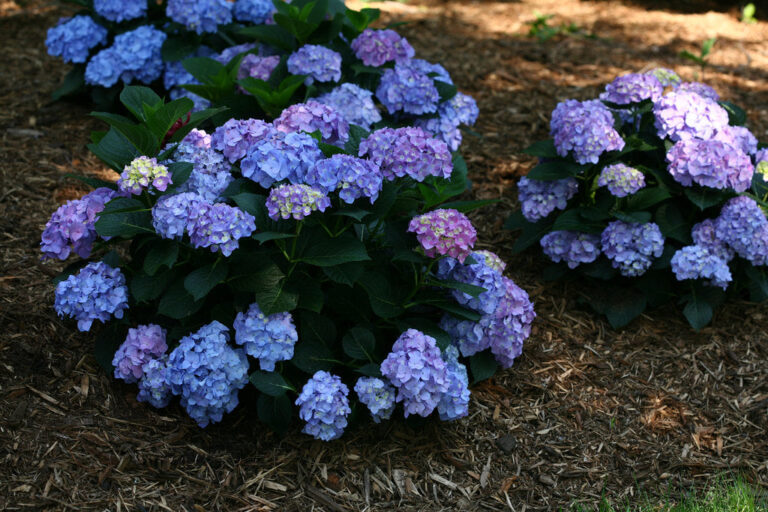
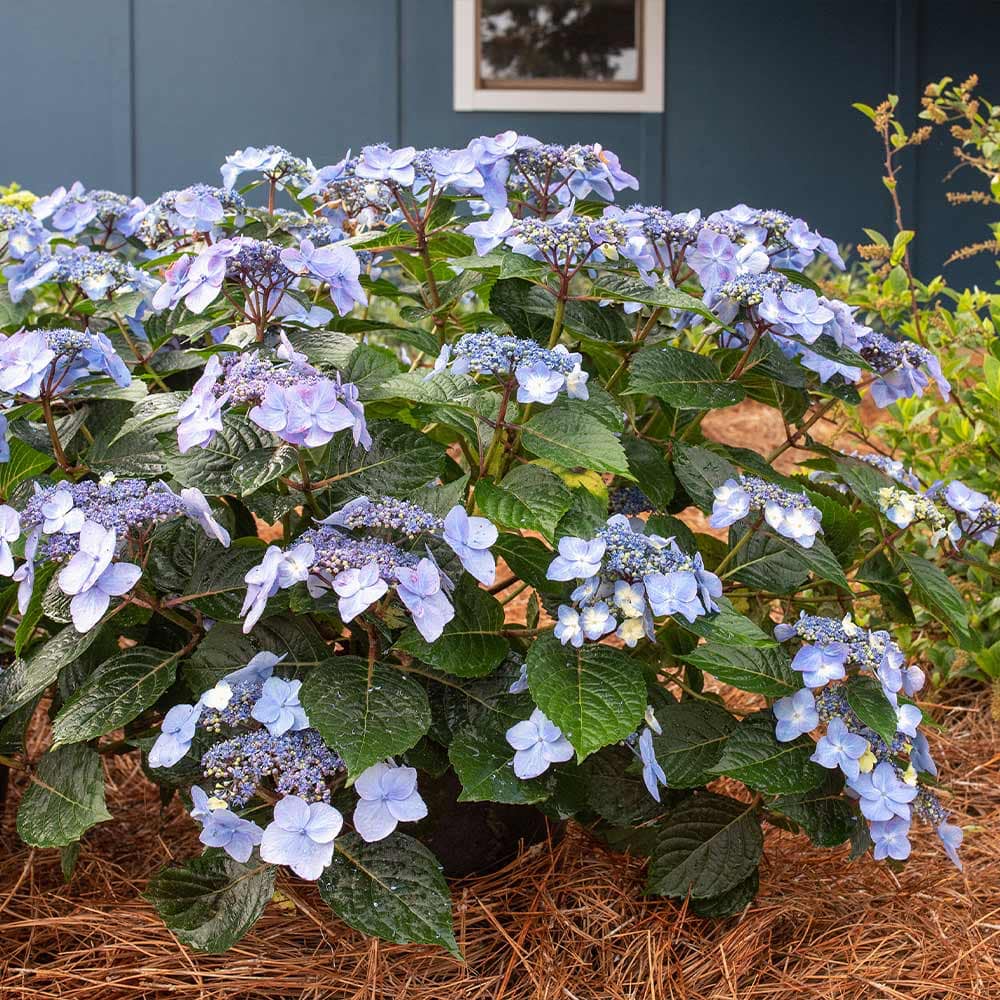
Bigleaf hydrangeas are iconic. Their large, rounded flower heads steal the show. Mophead varieties form ball-like clusters, while lacecaps have flat, delicate blooms. They’re perfect for shaded gardens, especially in coastal areas. Their color-changing ability makes them a favorite.
Features
- Scientific Name: Hydrangea macrophylla
- USDA Zones: 5–9
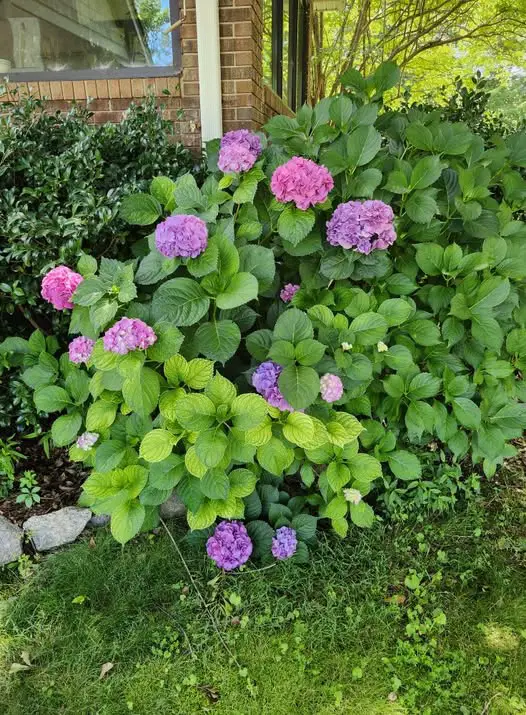
- Color Variation: Pink, blue, purple, or white, based on soil pH. Acidic soils (pH 5.2–6.0) produce blue blooms; alkaline soils (pH 7.0–7.5) yield pink.
- Sun Exposure: Partial shade (4–6 hours of morning sun). Afternoon shade prevents leaf scorch.
- Mature Size: 3–6 feet tall and wide.
- Lifespan: 30–50 years with proper care.
- Toxicity: Mildly toxic. Leaves and buds contain cyanogenic glycosides, causing nausea if ingested by humans or pets.
Detailed Care Guide
Bigleaf hydrangeas need consistent care. Plant in rich, well-drained soil with organic matter like compost. Maintain soil moisture without waterlogging. Water deeply once or twice weekly, especially in summer. Mulch with pine bark or straw to retain moisture and regulate soil temperature.
Pruning: Prune after flowering (late summer). Bigleaf hydrangeas bloom on old wood, so late pruning can remove next year’s buds. Remove dead or weak stems. For mopheads, cut back to the first healthy bud. For lacecaps, thin out crowded stems to improve air circulation. Avoid heavy pruning in older plants to maintain shape.
Soil amendments: Soil pH is critical for bloom color. To achieve blue blooms, lower pH with elemental sulfur or aluminum sulfate (apply 1–2 tablespoons per plant in spring). For pink blooms, raise pH with garden lime (1–2 cups per plant). Test soil pH annually with a home kit. Add compost yearly to boost soil fertility.
Pest and disease control: Watch for aphids and spider mites. Use insecticidal soap for infestations. Powdery mildew is common in humid conditions. Ensure good air circulation and avoid overhead watering. Apply fungicides if needed.
Popular Cultivars
- ‘Endless Summer’: A reblooming mophead. Blooms on old and new wood. Colors range from blue to pink. Grows 3–5 feet. Ideal for containers.
- ‘Nikko Blue’: Deep blue mophead blooms in acidic soil. Compact, reaching 4–6 feet. Loves shade.
- ‘Cityline Paris’: Small (2–3 feet), vibrant pink or blue blooms. Perfect for small gardens.
- ‘Blushing Bride’: White blooms age to soft pink. Grows 3–6 feet. Reblooming.
2. Panicle Hydrangea (Hydrangea paniculata)
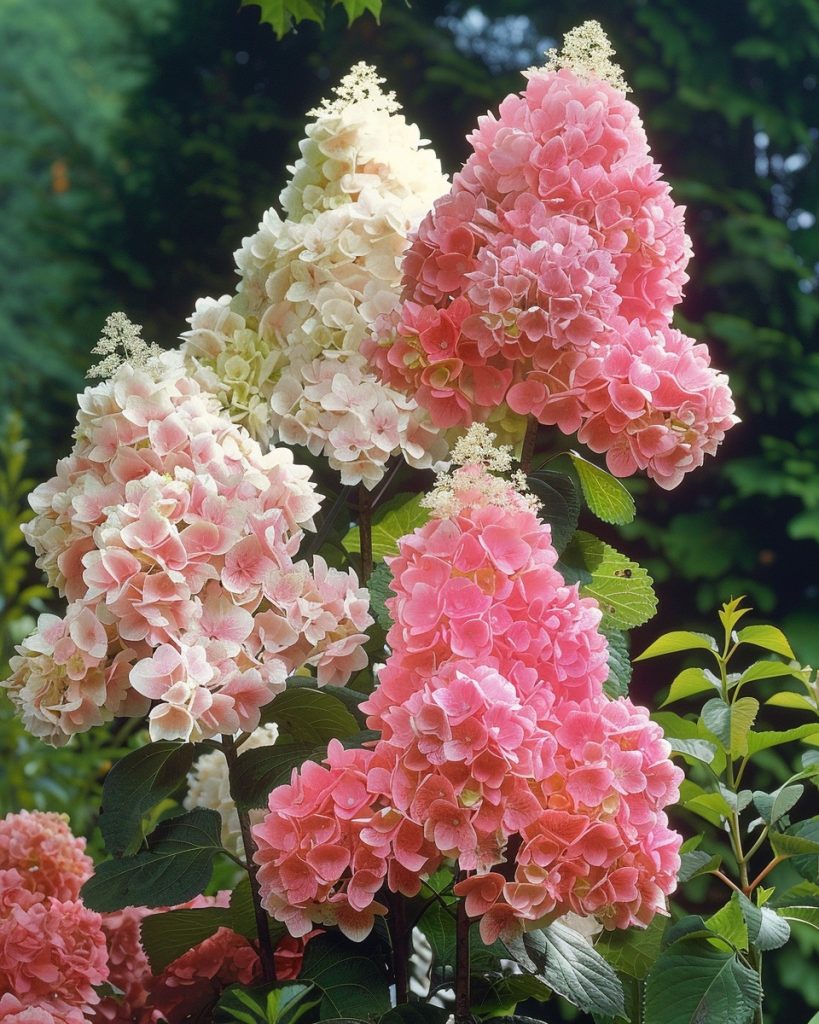
Panicle hydrangeas are tough and adaptable. Their cone-shaped flower clusters bloom in summer, turning pink or red in fall. They handle sun and urban conditions well. They’re ideal for hedges or focal points.
Features
- Scientific Name: Hydrangea paniculata
- USDA Zones: 3–8
- Color Variation: White or cream, aging to pink or red. Soil pH has minimal impact.
- Sun Exposure: Full sun to partial shade (6+ hours of sun for best blooms).
- Mature Size: 8–15 feet tall, 6–10 feet wide.
- Lifespan: 40–50 years.
- Toxicity: Mildly toxic. Avoid ingestion.
Detailed Care Guide
Panicle hydrangeas are low-maintenance. Plant in well-drained soil with moderate fertility. They tolerate clay or sandy soils. Water regularly during the first year. Once established, they’re drought-tolerant. Mulch to conserve moisture in hot climates.
Pruning: Prune in late winter or early spring. They bloom on new wood, so heavy pruning encourages vigorous blooms. Cut back stems to 1–2 feet for compact growth or shape lightly for larger shrubs. Remove dead wood to promote health.
Soil amendments: Add compost or aged manure in spring for nutrients. Panicle hydrangeas aren’t pH-sensitive, so no special amendments are needed for color. A balanced fertilizer (10-10-10) in early spring boosts growth.
Pest and disease control: Resistant to most pests. Scale or aphids may appear; treat with neem oil. Avoid overwatering to prevent root rot. Good drainage is key.
Popular Cultivars
- ‘Limelight’: Large, lime-green blooms turn pink in fall. Grows 6–8 feet. Sun-tolerant.
- ‘PeeGee’: Classic variety with white cones. Reaches 10–15 feet. Great for hedges.
- ‘Quick Fire’: Early bloomer with white-to-pink flowers. Compact at 6–8 feet.
- ‘Little Lime’: Dwarf version of ‘Limelight’. Grows 3–5 feet. Ideal for small spaces.
3. Smooth Hydrangea (Hydrangea arborescens)
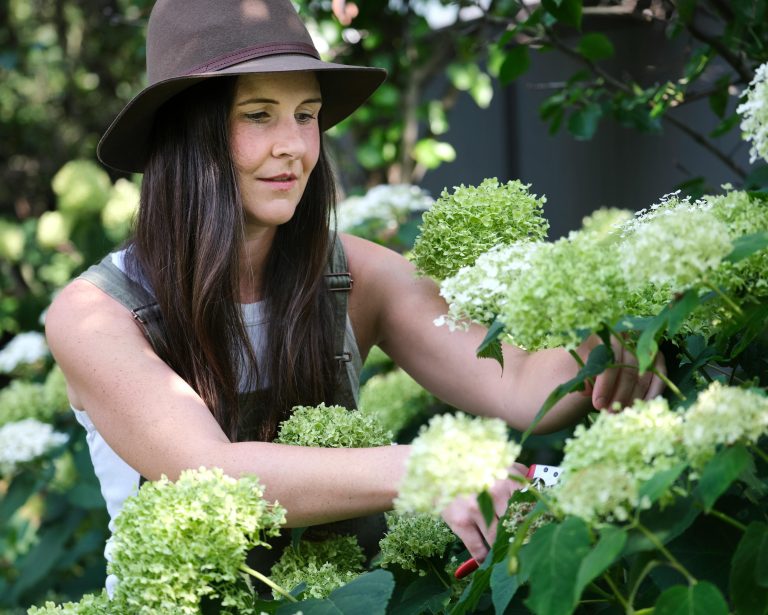
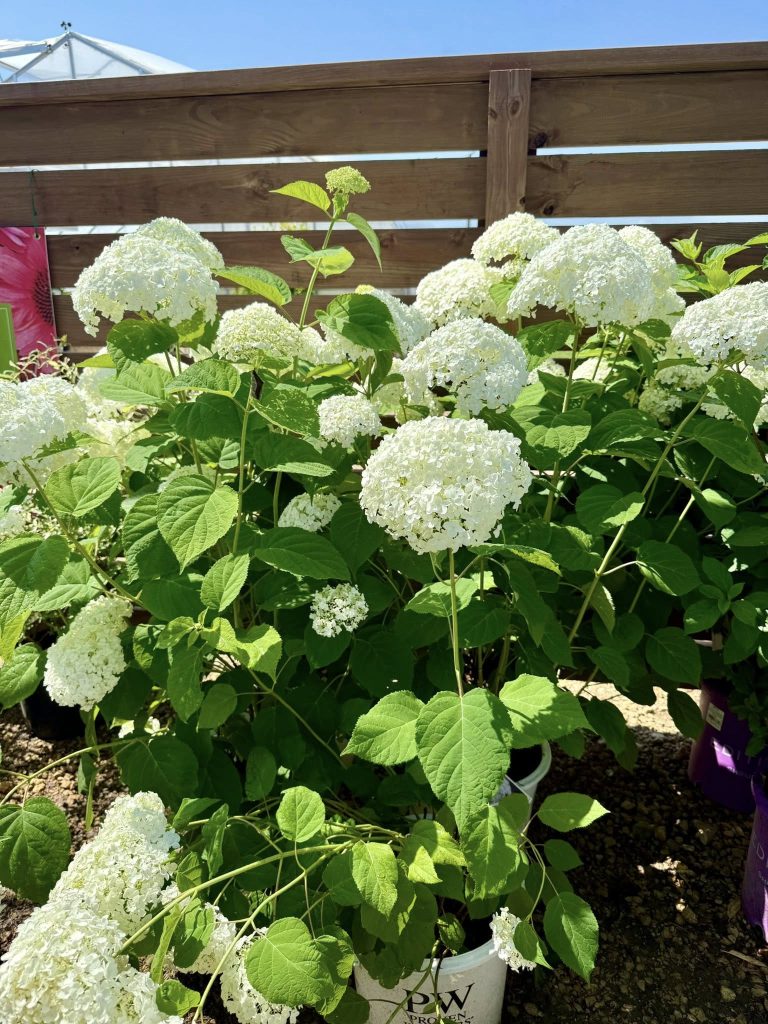
Smooth hydrangeas are U.S. natives. Their large, white, snowball-like blooms shine in summer. Cold-hardy and easy to grow, they’re popular in northern gardens. They suit mass plantings or borders.
Features
- Scientific Name: Hydrangea arborescens
- USDA Zones: 3–9
- Color Variation: White, sometimes green or pink in certain cultivars.
- Sun Exposure: Partial shade to full sun (prefers morning sun).
- Mature Size: 3–5 feet tall and wide.
- Lifespan: 20–30 years.
- Toxicity: Mildly toxic if ingested.
Detailed Care Guide
Smooth hydrangeas thrive in rich, moist soil. Add organic matter like peat moss or compost at planting. Water weekly, especially during dry spells. They tolerate wetter soils than other types.
Pruning: Prune in early spring. They bloom on new wood, so cut back to 6–12 inches for robust growth. Remove weak stems to improve vigor. Heavy pruning doesn’t harm flowering.
Soil amendments: Use a balanced fertilizer (10-10-10) in spring. Soil pH doesn’t affect bloom color. Add mulch to retain moisture and suppress weeds. Compost annually enhances soil health.
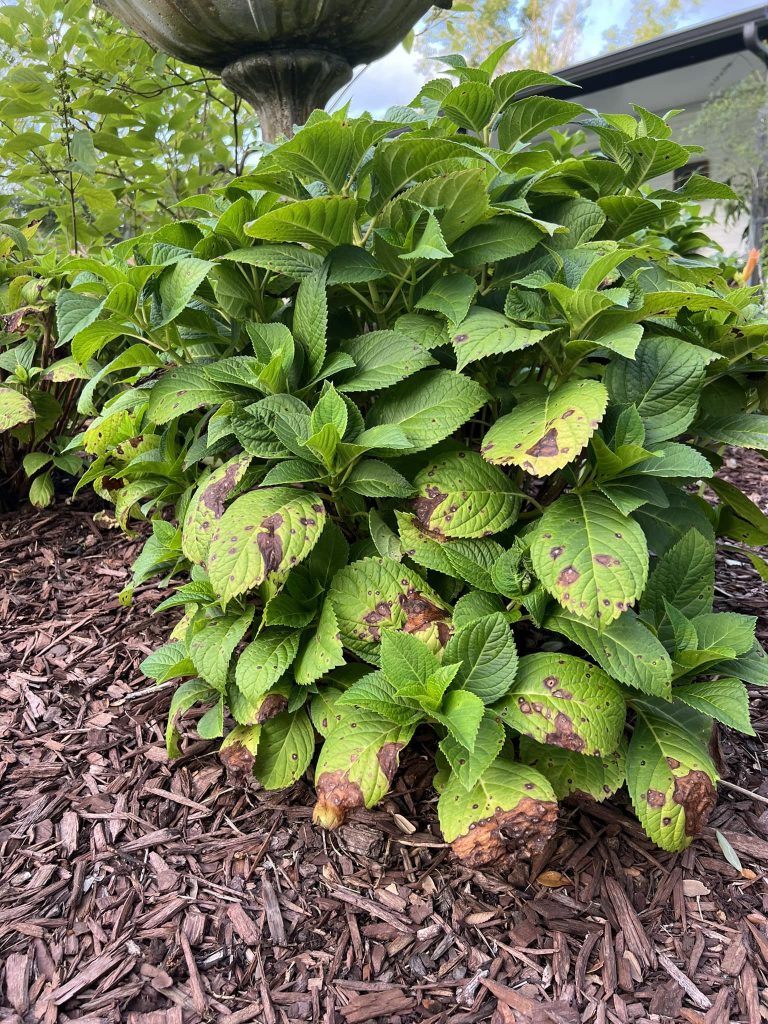
Pest and disease control: Susceptible to leaf spot in humid conditions. Ensure good air circulation. Treat with fungicides if needed. Aphids can be controlled with insecticidal soap.
Popular Cultivars
- ‘Annabelle’: Huge white blooms up to 12 inches wide. Grows 3–5 feet. Cold-hardy.
- ‘Incrediball’: Improved ‘Annabelle’ with sturdier stems. White blooms. 4–5 feet.
- ‘Grandiflora’: Classic variety with large white flowers. Reaches 3–5 feet.
- ‘Invincibelle Spirit’: Pink blooms, rare for smooth hydrangeas. Compact at 3–4 feet.
4. Oakleaf Hydrangea (Hydrangea quercifolia)
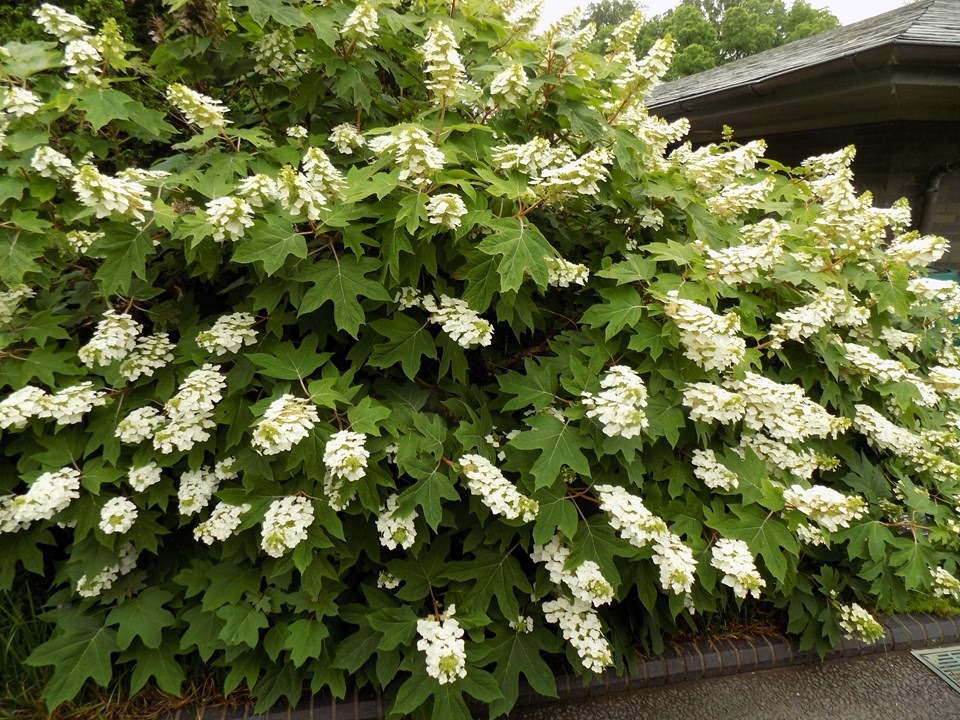
Oakleaf hydrangeas are native to the southeastern U.S. Their oak-shaped leaves turn vibrant red or purple in fall. White blooms fade to pink or red. They add texture and year-round interest.
Features
- Scientific Name: Hydrangea quercifolia
- USDA Zones: 5–9
- Color Variation: White blooms, aging to pink or red. Foliage turns red, orange, or purple.
- Sun Exposure: Partial shade (avoid afternoon sun in hot climates).
- Mature Size: 6–8 feet tall and wide.
- Lifespan: 30–50 years.
- Toxicity: Mildly toxic to humans and pets.
Detailed Care Guide
Plant in well-drained, slightly acidic soil (pH 5.5–6.5). Add compost or leaf mold at planting. Water regularly in the first year. Once established, they’re drought-tolerant. Mulch to maintain soil moisture.
Pruning: Prune after flowering in summer. They bloom on old wood, so avoid heavy cuts. Remove dead or crossing branches. Shape lightly to maintain structure. Peeling bark adds winter appeal, so minimal pruning is best.
Soil amendments: Add organic matter yearly. Use a slow-release fertilizer in spring. Soil pH doesn’t affect bloom color but impacts plant health. Test soil to maintain slight acidity.
Pest and disease control: Resistant to most pests. Powdery mildew can occur; use fungicides if severe. Deer may nibble foliage, so consider fencing in rural areas.
Popular Cultivars
- ‘Snow Queen’: Large white blooms turn pink. Grows 4–6 feet. Stunning fall foliage.
- ‘Alice’: Oversized white flowers. Reaches 8–10 feet. Bold texture.
- ‘Ruby Slippers’: Compact (3–4 feet). White blooms turn deep red. Great for small gardens.
- ‘Gatsby Pink’: Pink-tinged blooms. Grows 6–8 feet. Vibrant fall color.
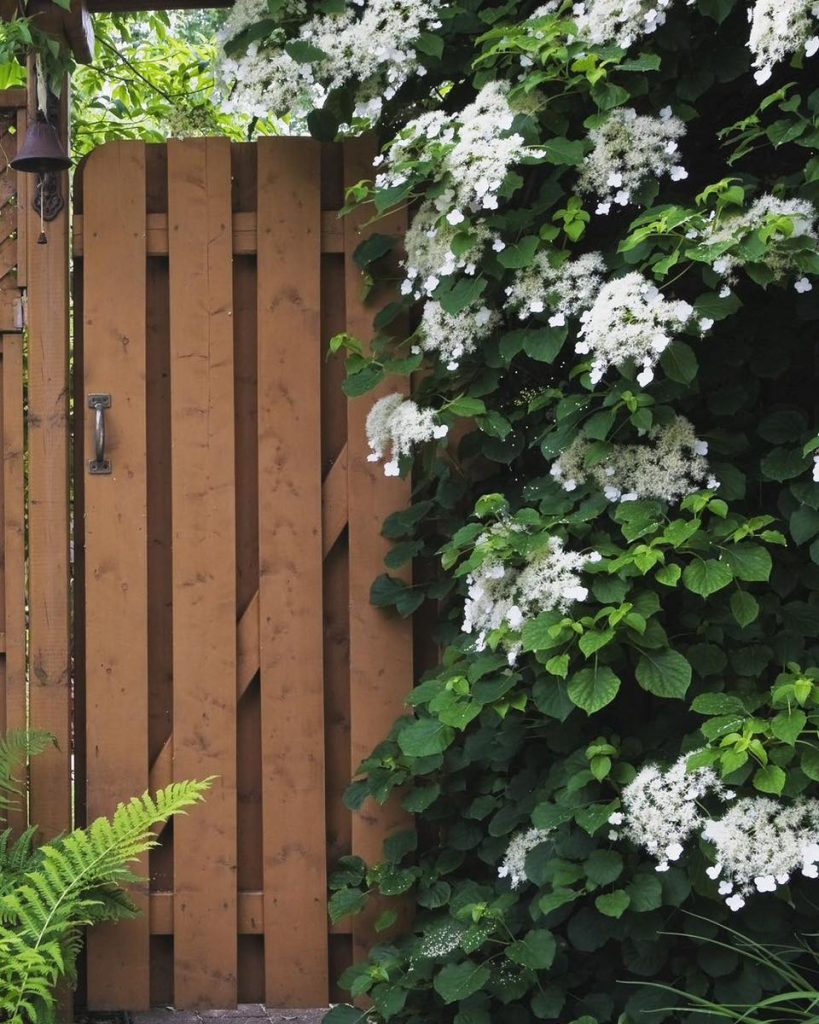
5. Climbing Hydrangea (Hydrangea anomala subsp. petiolaris)
Climbing hydrangeas are unique vines. They cling to surfaces with aerial roots. Their white, lacecap-like blooms add elegance to walls or trees. They’re slow to establish but stunning once mature.
Features
- Scientific Name: Hydrangea anomala subsp. petiolaris
- USDA Zones: 4–8
- Color Variation: White blooms, occasionally yellow-tinted.
- Sun Exposure: Partial to full shade (tolerates deep shade).
- Mature Size: 30–50 feet long, 5–6 feet wide.
- Lifespan: 50+ years.
- Toxicity: Mildly toxic if ingested.
Detailed Care Guide
Plant in well-drained, fertile soil. Add compost at planting. Water regularly during establishment (1–2 years). Once mature, they’re low-maintenance. Provide sturdy support like a trellis or wall.
Pruning: Prune after flowering in summer. Remove dead or tangled vines. Trim to control size or shape. Avoid heavy pruning, as they bloom on old wood. Thin out crowded areas for air flow.
Soil amendments: Add organic mulch yearly. Use a balanced fertilizer in spring. Soil pH doesn’t affect bloom color. Ensure good drainage to prevent root rot.
Pest and disease control: Rarely affected by pests. Powdery mildew can occur in shade. Improve air circulation and avoid wet foliage. Use fungicides if needed.
Popular Cultivars
- ‘Mirranda’: Variegated leaves with white blooms. Grows 20–30 feet. Shade-loving.
- ‘Firefly’: Yellow-edged leaves. White flowers. Reaches 30–40 feet.
- ‘Skylands Giant’: Larger blooms than standard. Grows 25–35 feet. Elegant.
6. Mountain Hydrangea (Hydrangea serrata)
Mountain hydrangeas are compact and delicate. Native to Japan, they resemble Bigleaf hydrangeas but are smaller. Their lacecap or mophead blooms suit small gardens or containers.
Features
- Scientific Name: Hydrangea serrata
- USDA Zones: 6–9
- Color Variation: Pink, blue, or white, based on soil pH.
- Sun Exposure: Partial shade (morning sun, afternoon shade).
- Mature Size: 2–4 feet tall and wide.
- Lifespan: 30–40 years.
- Toxicity: Mildly toxic, similar to Bigleaf.
Detailed Care Guide
Plant in moist, well-drained soil with high organic content. Water regularly, as they’re drought-sensitive. Mulch to retain moisture and keep roots cool.
Pruning: Prune after flowering. They bloom on old wood, so avoid heavy cuts. Remove dead stems and shape lightly. Thin out older plants to encourage new growth.
Soil amendments: Adjust pH for desired color (sulfur for blue, lime for pink). Add compost or peat moss annually. Use a balanced fertilizer in spring for healthy blooms.
Pest and disease control: Susceptible to aphids and powdery mildew. Use insecticidal soap for pests. Ensure good drainage and air circulation to prevent fungal issues.
Popular Cultivars
- ‘Bluebird’: Vibrant blue lacecap blooms in acidic soil. Grows 3–4 feet.
- ‘Tuff Stuff’: Reblooming, pink or blue flowers. Compact at 2–3 feet.
- ‘Preziosa’: Reddish-pink blooms. Grows 3–4 feet. Stunning fall foliage.
- ‘Shichidanka’: Double-flowered lacecaps. Pink or blue. 2–3 feet.
Soil pH and Its Effect on Hydrangea Bloom Color
Soil pH plays a major role in hydrangea bloom color, especially for Bigleaf and Mountain hydrangeas. These types contain anthocyanins, pigments that change with soil acidity. Here’s how it works:
- Acidic Soil (pH 5.2–6.0): Aluminum in the soil becomes available, turning blooms blue. To achieve this, add elemental sulfur or aluminum sulfate (1–2 tablespoons per plant) in early spring. Repeat every 2–3 months. Coffee grounds or pine needles can slightly acidify soil over time.
- Neutral Soil (pH 6.0–7.0): Produces purple or mixed blooms. This is a transitional range, often seen in untreated soils.
- Alkaline Soil (pH 7.0–7.5): Aluminum is less available, resulting in pink blooms. Add garden lime (1–2 cups per plant) in fall or early spring to raise pH. Dolomitic lime also adds magnesium, benefiting plant health.
Testing and Adjusting pH
Use a soil pH test kit (available at garden centers) to monitor levels. Test in spring and fall. Apply amendments gradually, as rapid changes can stress plants. Water thoroughly after adding amendments to help them penetrate the soil.
Note that Panicle, Smooth, Oakleaf, and Climbing hydrangeas aren’t significantly affected by pH, as their blooms are typically white or age to pink/red naturally.
Challenges: Hard water or naturally alkaline soils can make blue blooms difficult. In such cases, use rainwater or distilled water for irrigation. Container gardening allows better pH control—use ericaceous compost for blue blooms. Be patient, as color changes can take weeks or months.
Choosing the Right Hydrangea for Your Garden
Your climate, space, and style guide your choice. Bigleaf and Mountain hydrangeas excel in shaded, coastal gardens. Panicle and Smooth hydrangeas suit sunny or cold regions. Oakleaf hydrangeas offer texture and fall color.
Climbing hydrangeas add vertical drama. Check your USDA Zone and soil conditions before planting.
General Care Tips for Hydrangeas
Regardless of the type of hydrangea you are growing, here are basic care requirements:
- Watering: Keep soil moist but not soggy. Water deeply during dry spells.
- Soil: Prefer slightly acidic, well-drained soil. Amend with compost yearly.
- Fertilizing: Use a balanced (10-10-10) or bloom-boosting fertilizer in spring.
- Mulching: Apply 2–3 inches of organic mulch to retain moisture and regulate temperature.
- Winter Care: In cold zones, cover roots with mulch. Protect Bigleaf and Mountain types from harsh winds.
Toxicity and Safety
All hydrangeas are mildly toxic. Leaves, buds, and flowers contain cyanogenic glycosides. Ingestion can cause nausea, vomiting, or diarrhea in humans and pets. Keep plants away from children and animals. Wear gloves when pruning to avoid skin irritation. If ingestion occurs, contact a doctor or veterinarian.
Suggested For You:
Beginners Guide: How Long Does Hydrangea Take to Grow?
Fall or Spring? When to Cut Back Hydrangeas
4 Methods of Propagating Hydrangeas + Their Success Rate
Understanding Why Hydrangeas Droop: 7 Causes + Fixes
Identification of Those Brown Spots on Your Hydrangea Leaves + Their Solutions
Final thoughts
Hydrangeas bring unmatched beauty to U.S. gardens. From the color-changing Bigleaf to the rugged Panicle, each type offers unique appeal. Detailed care, from pruning to pH adjustments, ensures vibrant blooms.
Popular cultivars like ‘Endless Summer’ and ‘Limelight’ add variety. Understanding soil pH unlocks your desired bloom colors. With proper care, hydrangeas thrive for decades. Plant one today and enjoy their timeless charm!
References
- The American Horticultural Society. (n.d.). Hydrangeas: A Gardener’s Guide. Link
- University of Georgia Extension. (2023). Growing Hydrangeas in the Home Garden. Link
- Missouri Botanical Garden. (n.d.). Hydrangea Care and Maintenance. Link
- ASPCA. (n.d.). Toxic and Non-Toxic Plants: Hydrangea. Link
- Royal Horticultural Society. (2024). Hydrangea Cultivation. Link

Tim M Dave is a gardening expert with a passion for houseplants, particularly cacti and succulents. With a degree in plant biology from the University of California, Berkeley, he has vast experience in gardening. Over the years, he has cultivated a vast collection of desert plants and learned a great deal about how to grow and care for these unique companions.