15 Low Light Succulents That Thrive in Shady Spaces: Your Ultimate Guide
Low-light succulents are the perfect solution for bringing greenery into dimly lit homes, offices, or apartments. While most succulents crave bright sunlight, these shade-tolerant varieties flourish in less-than-ideal conditions, making them ideal for beginners and seasoned plant enthusiasts alike.
As someone who’s turned a north-facing apartment into a lush oasis, I can attest to the charm and resilience of these plants. They add texture, color, and life to spaces like windowless bathrooms, shaded corners, or fluorescent-lit offices without demanding constant attention.
In this guide, I’ll introduce you to 15 low-light succulents that excel in dim-lit environments.
Low Light Succulents Perfect for Indoor Spaces
Unlike sun-loving succulents, these won’t stretch or fade in low light. Their slow growth reduces repotting needs, and their resilience forgives occasional neglect. For best results, place them in bright indirect light, such as near an east-facing window with sheer curtains.
If natural light is scarce, an LED grow light (10-12 hours daily) ensures healthy growth. Avoid common pitfalls like overwatering by using well-draining soil and pots with drainage holes.
1. Snake Plant (Sansevieria trifasciata)
The Snake Plant, often called Mother-in-Law’s Tongue for its sharp, upright leaves, is a low-light superstar. Native to tropical West Africa, it forms rosettes of long, sword-like leaves that add a bold, architectural vibe to any space.
NASA’s 1989 Clean Air Study found it removes toxins like benzene and formaldehyde, making it both decorative and functional. I’ve had a ‘Laurentii’ thriving in a dim hallway for years, proving its adaptability to low light conditions.
Scientific Name: Sansevieria trifasciata (reclassified as Dracaena trifasciata).
USDA Hardiness Zone: 10-12; thrives indoors above 32°F.
Color Variations: Dark green with yellow edges (‘Laurentii’), solid dark green (‘Black Coral’), silvery-blue (‘Moonshine’).
Sun Exposure: Low to medium indirect light; tolerates deep shade but prefers filtered light.
Mature Size: 2-4 feet tall, 1-2 feet wide; dwarf varieties like ‘Hahnii’ stay under 12 inches.
Lifespan: 10-20 years; some reach 30 with care.
Toxicity: Mildly toxic to pets and children; ingestion may cause nausea or vomiting.
Place your Snake Plant in low to medium indirect light, such as near a north-facing window or under office fluorescents. It survives in near-darkness, but variegated cultivars need some light to maintain their stripes. Water every 2-3 weeks when the top 2 inches of soil are dry.
Use a finger test to avoid overwatering, which leads to root rot. Use a well-draining cactus potting mix in a terracotta pot to wick away moisture. Fertilize once in spring with a diluted 10-10-10 liquid fertilizer to support steady growth. Avoid overfeeding, as it causes leaf yellowing.
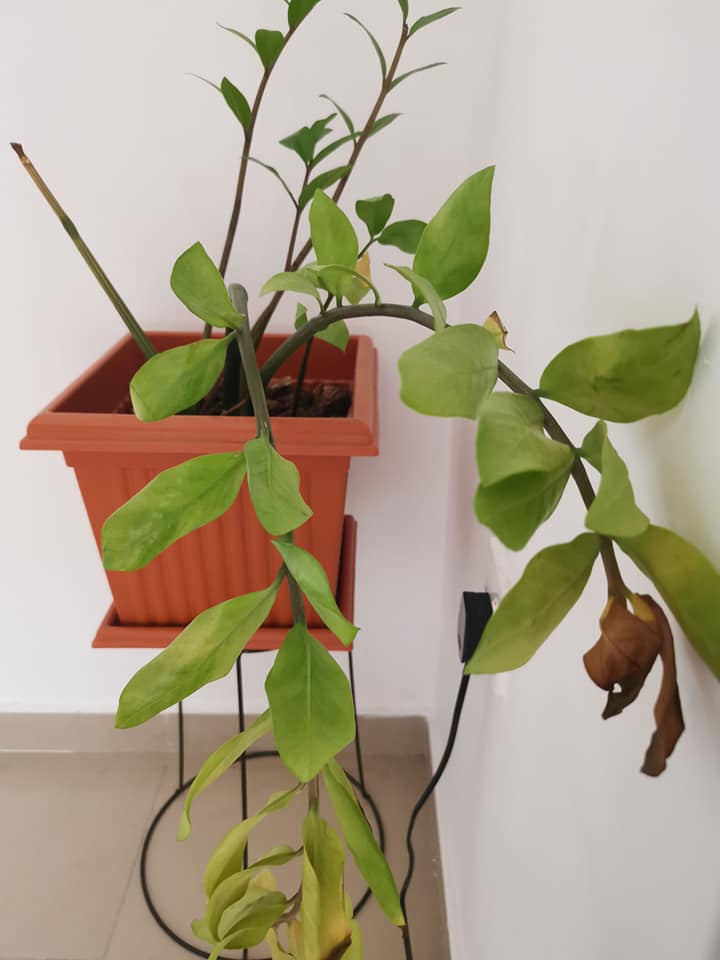
2. ZZ Plant (Zamioculcas zamiifolia)
The ZZ Plant, dubbed the “eternity plant,” is a low light champion from East Africa’s swampy regions. Its glossy, pinnate leaves grow on thick stems, giving a lush, tropical look despite its drought tolerance. Rhizomes store water, making it forgiving for forgetful gardeners.
Scientific Name: Zamioculcas zamiifolia.
USDA Hardiness Zone: 9-11; indoor-friendly year-round.
Color Variations: Glossy dark green; black in ‘Raven’; variegated cream-green in ‘Variegata’.
Sun Exposure: Low indirect light; thrives under fluorescent lights.
Mature Size: 2-3 feet tall and wide.
Lifespan: 10-20 years; nearly indestructible.
Toxicity: Toxic to pets and humans; contains calcium oxalate, causing mouth irritation if ingested.
Position in low indirect light, like a corner away from windows or under artificial lights. It tolerates minimal light but grows faster with moderate brightness. Water every 3-4 weeks when the soil is dry, as overwatering causes rhizome rot.
Use a well-draining succulent mix in a pot with drainage holes. Fertilize once in spring and summer with a half-strength 20-20-20 fertilizer. Dust leaves monthly to maintain their shine. ZZ Plants improve air quality by absorbing carbon dioxide and releasing oxygen, ideal for offices or bedrooms.
3. Haworthia Zebra Plant (Haworthiopsis attenuata)
The Haworthia Zebra Plant is a petite, charming succulent from South Africa. Its rosettes of pointed, green leaves feature white, bumpy stripes, resembling a tiny zebra. Translucent leaf tips allow light to penetrate, perfect for low light settings like terrariums or desks.
Scientific Name: Haworthiopsis attenuata.
USDA Hardiness Zone: 9-11; indoor-friendly.
Color Variations: Dark green with white, zebra-like tubercles; variegated with cream streaks.
Sun Exposure: Low to bright indirect light; thrives in shade.
Mature Size: 4-6 inches tall and wide.
Lifespan: 5-10 years; offsets extend life.
Toxicity: Non-toxic to pets and humans.
Place in low to bright indirect light, like near a shaded window. It tolerates deep shade but grows more slowly. Water when the top inch of soil dries, about every 2-3 weeks. Use a gritty, well-draining cactus mix to prevent rot. Fertilize lightly in spring with a diluted succulent fertilizer. Mist occasionally in dry climates to mimic its humid origins.
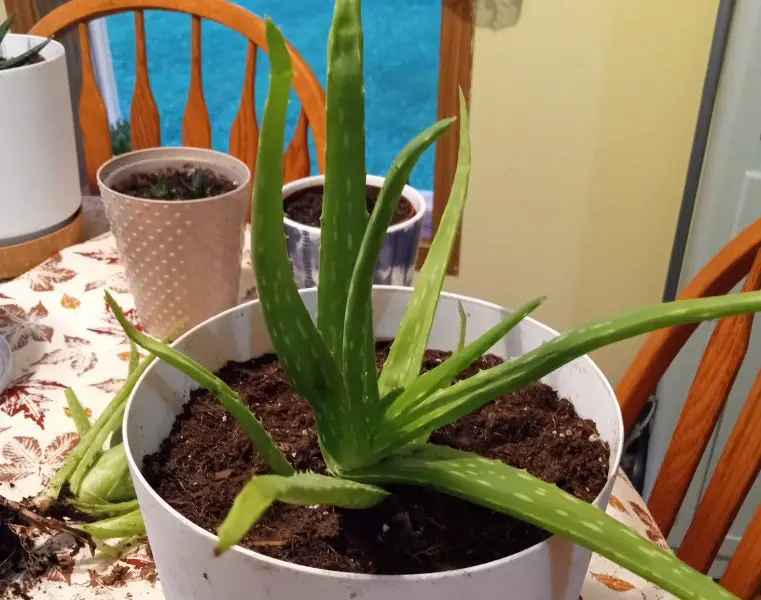
4. Aloe Vera (Aloe barbadensis miller)
Aloe Vera is a household favorite, known for its soothing gel used in skincare. Native to the Arabian Peninsula, its fleshy, spiky leaves form rosettes that add a sculptural touch. It tolerates low light well, making it ideal for bathrooms or shaded corners.
Scientific Name: Aloe barbadensis miller.
USDA Hardiness Zone: 8-11; indoor-friendly.
Color Variations: Gray-green with spiny edges; coppery under stress.
Sun Exposure: Low to medium indirect light; avoids direct sunburn.
Mature Size: 1-2 feet tall, 2 feet wide.
Lifespan: 10-15 years.
Toxicity: Gel safe; yellow sap is toxic, causing digestive upset.
Place in low to medium indirect light to prevent leaf scorching. Water every 2-3 weeks when soil is dry, using a well-draining cactus mix in a pot with drainage holes. Fertilize monthly in spring and summer with a half-strength succulent fertilizer. Avoid wet soil to prevent crown rot.
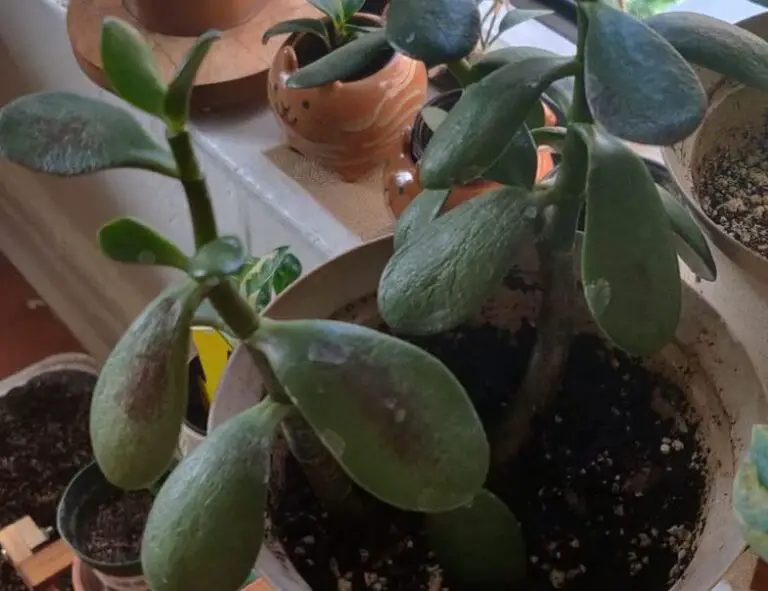
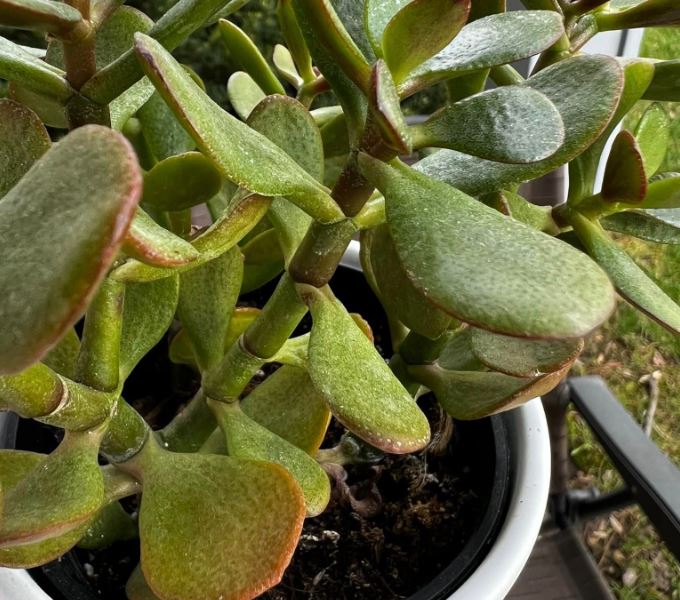
5. Jade Plant (Crassula ovata)
The Jade Plant, a South African native, is a feng shui symbol of luck. Known as the “money plant,” it’s believed to attract prosperity in many cultures. Its thick, coin-like leaves form a bushy, tree-like structure, perfect for low light corners. My ‘Sunset’ jade adds a warm glow to a shaded shelf.
Scientific Name: Crassula ovata.
USDA Hardiness Zone: 10-12.
Color Variations: Glossy green; red-tinged ‘Sunset’; curled ‘Hobbit’.
Sun Exposure: Low to medium indirect light; prefers brighter shade.
Mature Size: 3-6 feet tall indoors; tree-like.
Lifespan: 50-70 years; heirloom potential.
Toxicity: Mildly toxic; causes vomiting in pets.
Place in low to medium indirect light. Water every 3 weeks when the soil dries; wrinkled leaves signal thirst. Use a cactus mix in a heavy pot to support its weight. Fertilize monthly in spring and fall. Slow growth in low light keeps it manageable.
6. Gasteria Little Warty (Gasteria ‘Little Warty’)
Gasteria Little Warty is a compact South African succulent with tongue-like, speckled leaves. Its bumpy texture adds charm to low-light spaces like desks or terrariums. Mine thrives in a shaded nook, its spots catching the eye. The warty texture is a natural defense, making it visually striking.
Scientific Name: Gasteria bicolor var. liliputana.
USDA Hardiness Zone: 9-11.
Color Variations: Dark green with white, warty spots.
Sun Exposure: Low indirect light; shade-tolerant.
Mature Size: 4-6 inches tall and wide.
Lifespan: 10-15 years.
Toxicity: Non-toxic.
Place in low indirect light and water when the top inch of soil dries, about every 2-3 weeks. Use a gritty cactus mix. Fertilize lightly in spring. Mist for humidity in dry climates or group in shallow dishes with other gasterias.
7. Panda Plant (Kalanchoe tomentosa)
The Panda Plant, from Madagascar, has velvety, fuzzy leaves with brown-tipped edges, resembling panda paws. Its soft texture is irresistible in low-light spaces. My panda trails on a shaded shelf, adding whimsy. Use in hanging baskets for trailing stems
Scientific Name: Kalanchoe tomentosa.
USDA Hardiness Zone: 10-11.
Color Variations: Fuzzy silver-green; red-brown tips in light.
Sun Exposure: Low to medium indirect light.
Mature Size: 1-2 feet tall.
Lifespan: 5-10 years.
Toxicity: Mildly toxic; causes digestive upset.
Place in low to medium indirect light. Water every 3 weeks when soil is dry. Use a loose cactus mix. Fertilize lightly in summer. Avoid wetting leaves to prevent rot. Overwatering also causes leaf drop. Low light preserves fuzz; too much sun burns tips.
8. Ponytail Palm (Beaucarnea recurvata)
The Ponytail Palm, despite its name, is a succulent with a swollen, water-storing base. From Mexico, its long, cascading leaves create a dramatic effect. Mine thrives in a dim corner, its base a conversation starter. Its bulbous base mimics an elephant’s foot, storing water for months.
Scientific Name: Beaucarnea recurvata.
USDA Hardiness Zone: 9-11.
Color Variations: Green, leathery leaves; twisted in ‘Mini’.
Sun Exposure: Low indirect light; flexible.
Mature Size: 3-10 feet indoors.
Lifespan: 100+ years.
Toxicity: Non-toxic.
Place in low indirect light. Water monthly; the caudex stores water. Use a deep pot with cactus mix. Fertilize yearly in spring. Overwatering rots the base—check soil dryness. Leaves may droop in low light; support with stakes
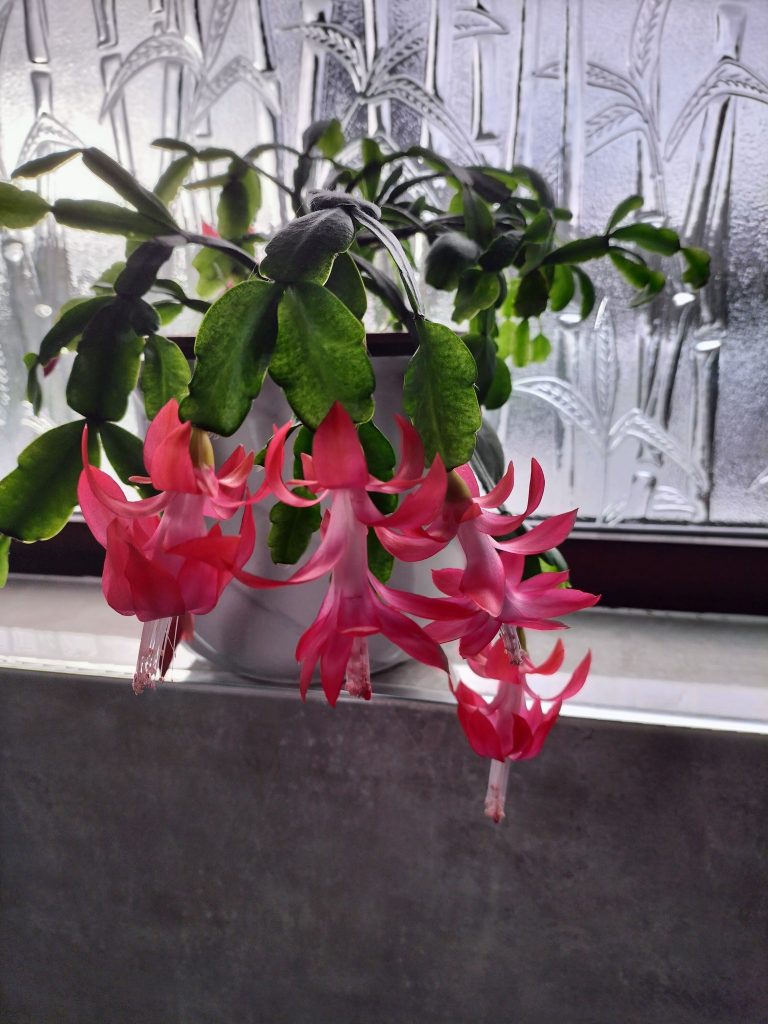
9. Christmas Cactus (Schlumbergera bridgesii)
The Christmas Cactus, from Brazilian rainforests, is an epiphytic succulent with flat, segmented stems. Its vibrant holiday blooms brighten low light spaces during Christmas. Cool nights (50-55°F) trigger flowering, ideal for winter displays.
Scientific Name: Schlumbergera bridgesii.
USDA Hardiness Zone: 9-11.
Color Variations: Green segments; pink-white blooms.
Sun Exposure: Low indirect light; blooms with cool nights.
Mature Size: 1-3 feet wide.
Lifespan: 20+ years.
Toxicity: Non-toxic.
Place in low to bright indirect light. Water when the top inch dries, about every 2 weeks. Use a humid potting mix. Fertilize monthly in spring and summer to boost blooms. Bud drop signals temperature swings or overwatering. Low light delays blooms—use a grow light.
10. Devil’s Backbone (Pedilanthus tithymaloides)
Devil’s Backbone, from tropical Americas, has zigzag stems and boat-shaped leaves. Its quirky form suits low light corners. My plant adds drama to a shaded entryway. Use in upright pots for height. I pair mine with modern decor for contrast.
Scientific Name: Pedilanthus tithymaloides.
USDA Hardiness Zone: 10-12.
Color Variations: Variegated green-white; pink edges in light.
Sun Exposure: Low indirect light; avoids scorch.
Mature Size: 2-3 feet tall.
Lifespan: 10 years.
Toxicity: Toxic sap; irritates skin and eyes.
Place in low indirect light. Water moderately every 2-3 weeks and avoid overwatering as it softens the stems. Additionally, use well-draining soil to prevent root rot. Fertilize in spring.
11. String of Pearls (Senecio rowleyanus)
String of Pearls, from South Africa, features bead-like leaves that cascade like a necklace. Its delicate look thrives in low light, perfect for hanging baskets. Mine trails beautifully over a shaded shelf.
Scientific Name: Senecio rowleyanus.
USDA Hardiness Zone: 9-11.
Color Variations: Blue-green, pea-like leaves; red in sun.
Sun Exposure: Low indirect light; trailing shade lover.
Mature Size: 2-3 feet long.
Lifespan: 5-10 years.
Toxicity: Toxic to pets; causes vomiting.
Place in low indirect light. Water when pearls shrivel, about every 3 weeks. Use a hanging pot with cactus mix. Fertilize lightly in summer. Overwatering causes pearl drop.
12. Burro’s Tail (Sedum morganianum)
Burro’s Tail, from Mexico, has braided, tail-like stems of plump leaves. Its trailing form suits low-light shelves. Mine cascades over a shaded ledge, adding softness. Its braided stems create a woven, tapestry-like effect.
Scientific Name: Sedum morganianum.
USDA Hardiness Zone: 9-11.
Color Variations: Blue-green; pink tips in light.
Sun Exposure: Low indirect light.
Mature Size: 3 feet long.
Lifespan: 10+ years.
Toxicity: Mildly toxic.
Place in low indirect light. Water every 3 weeks when soil dries. Use a hanging pot with cactus mix. Fertilize in summer. Leaves drop if handled roughly. Overwatering causes rot.
13. Bear’s Paw (Cotyledon tomentosa)
Bear’s Paw, from South Africa, has fuzzy, paw-like leaves with red-tipped edges. Its playful look thrives in low light. Its soft leaves make it a sensory favorite.
Scientific Name: Cotyledon tomentosa.
USDA Hardiness Zone: 9-11.
Color Variations: Gray-green, fuzzy; red-tipped “claws.”
Sun Exposure: Low indirect light.
Mature Size: 1 foot tall.
Lifespan: 5-10 years.
Toxicity: Toxic; contains cardiac glycosides.
Description and Appeal
Care and Maintenance
Place in low indirect light. Water when soil dries, every 2-3 weeks. Use gritty soil and fertilize sparingly in spring.
14. Ox Tongue (Gasteria linguaformis)
Ox Tongue, from South Africa, has long, bumpy, tongue-like leaves. Its textured rosettes shine in low light. Water every 2-3 weeks when dry. Use peaty cactus mix and fertilize in spring.
Scientific Name: Gasteria linguaformis.
USDA Hardiness Zone: 9-11.
Color Variations: Speckled green-brown.
Sun Exposure: Low shade.
Mature Size: 1 foot tall.
Lifespan: 10 years.
Toxicity: Non-toxic.
15. Peperomia ‘Happy Bean’ (Peperomia tetragona)
Peperomia ‘Happy Bean,’ from Peru, has slender, bean-pod-like leaves that stack upright. Its compact form suits low light desks. Water when the soil dries, every 2 weeks. Use loose soil and fertilize monthly in spring.
Scientific Name: Peperomia tetragona.
USDA Hardiness Zone: 10-12.
Color Variations: Lime green, bean-like leaves.
Sun Exposure: Low indirect light.
Mature Size: 6-12 inches tall.
Lifespan: 5-10 years.
Toxicity: Non-toxic.
Conclusion
Low light succulents prove you don’t need blazing sun to enjoy lush greenery. From the towering Snake Plant to the delicate String of Pearls, these 15 plants bring texture, color, and life to any shady space. Their low-maintenance nature makes them perfect for busy plant parents, while their unique forms elevate your decor.

Tim M Dave is a gardening expert with a passion for houseplants, particularly cacti and succulents. With a degree in plant biology from the University of California, Berkeley, he has vast experience in gardening. Over the years, he has cultivated a vast collection of desert plants and learned a great deal about how to grow and care for these unique companions.