Kwanzan Cherry Tree (Prunus serrulata ‘Kwanzan): Size, Common Problems, and Full Care Guide
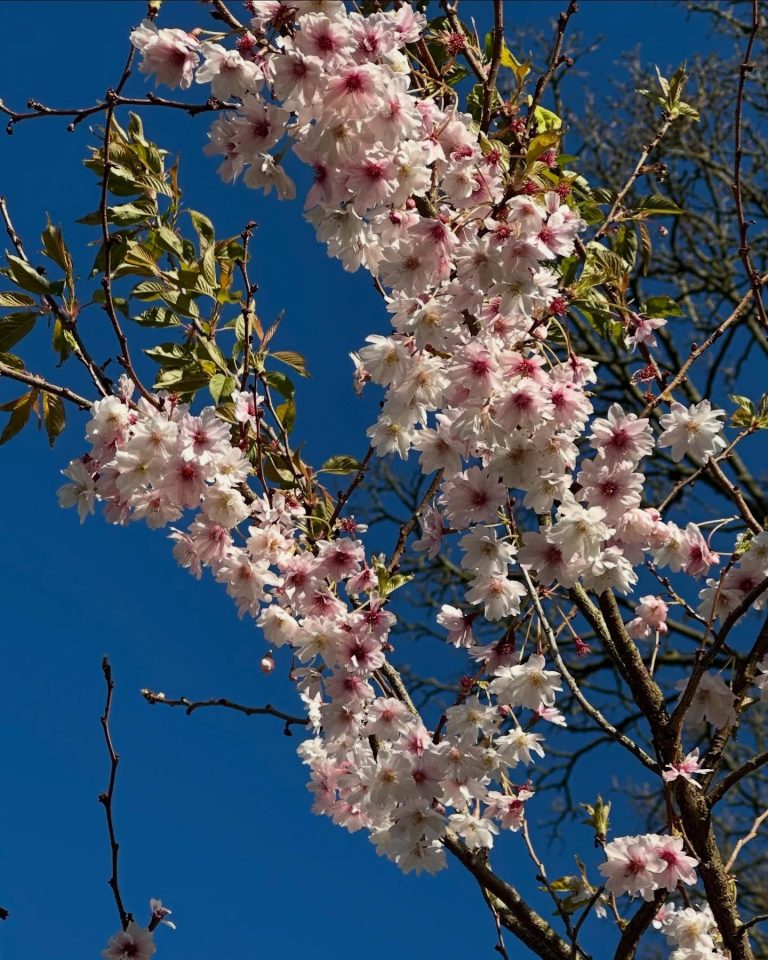
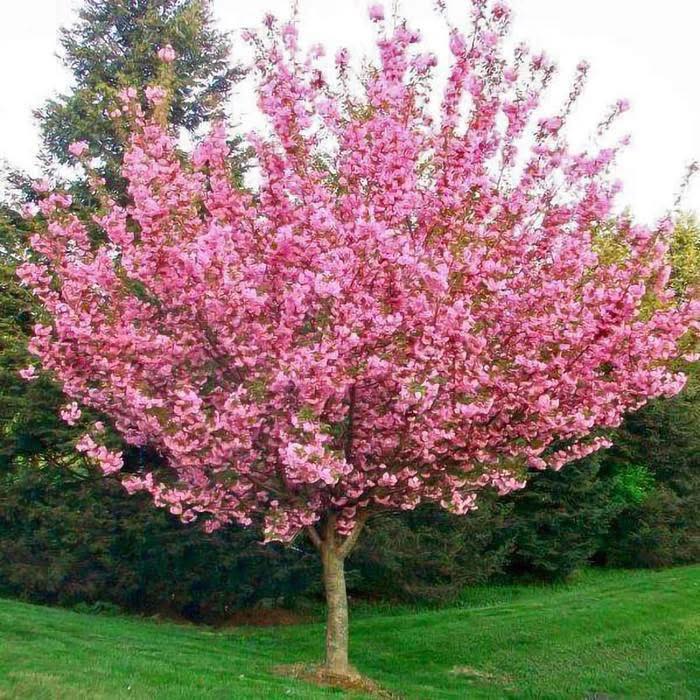
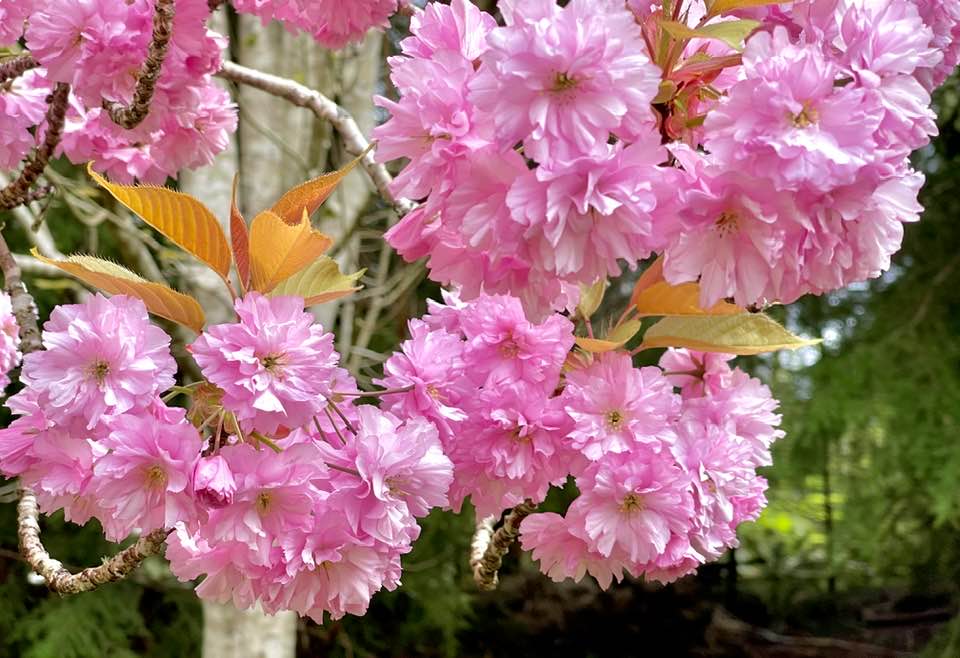
If you have ever seen a Kwanzan cherry tree in full bloom, you already know why it stops people in their tracks. The deep pink, double-layered flowers are simply unlike anything else in the spring garden.
I remember the first time I encountered one lining a neighborhood street — I actually pulled over just to take a closer look. That kind of beauty tends to do that.
But behind the stunning display lies a tree that requires real understanding. Knowing its mature size, recognizing the problems it faces, and learning the right care practices can mean the difference between a flourishing specimen and a struggling one.
In this guide, I’ll share everything you need to know — from how large a Kwanzan cherry tree actually grows, to the diseases and pests that commonly affect it, to a step-by-step care routine that any gardener can follow.
What Is the Kwanzan Cherry Tree?
The Kwanzan cherry tree, Prunus serrulata ‘Kwanzan’ (also spelled Kanzan), is one of the most widely planted ornamental flowering cherry trees in the world. It belongs to the Rosaceae family and is a cultivar of the Japanese flowering cherry.
This beautiful tree is prized almost entirely for its ornamental value — its spring bloom is the main attraction.
Originally from Japan and Korea, Kwanzan cherry trees have been cultivated for centuries. They were introduced to the United States in the early 20th century and became famous after being planted along the Tidal Basin in Washington, D.C.
Today, they are commonly found in parks, residential landscapes, and along streets across temperate regions of North America and Europe.
One important note upfront: Kwanzan cherry trees are sterile. They do not produce fruit or viable seeds, which means all propagation is done through grafting. This also means you will not be dealing with fruit mess, which many homeowners appreciate.
Kwanzan Cherry Tree Size: How Big Does It Actually Get?
One of the most important things to understand before planting a Kwanzan cherry tree is its mature size. Planting a tree in the wrong spot — too close to a structure, power line, or another tree — creates serious long-term problems.
Height
A mature Kwanzan cherry tree typically reaches 15 to 25 feet in height. Some specimens grown in ideal conditions and left unpruned have been recorded at close to 30 feet, but this is less common. On average, you can expect a height of around 20 feet at full maturity.
Spread (Canopy Width)
The canopy spread is equally notable. Kwanzan cherry trees develop a broad, vase-shaped crown that spreads 15 to 25 feet wide. This spread is often roughly equal to the tree’s height, giving the tree its distinctive rounded, upright-spreading silhouette.
Growth Rate
Kwanzan cherry trees are considered moderate to fast growers. Under good conditions, they can add 13 to 24 inches of new growth per year. They typically reach a visually impressive size within 10 to 15 years.
Trunk and Root System
The trunk is generally short and stout, branching relatively low on the tree. The root system tends to be shallow and spreading. This is worth noting because the roots can sometimes interfere with nearby pavement, pipes, or lawn areas if the tree is planted too close to structures.
Recommended planting distance from structures: at least 10 to 15 feet. Closer than this, and you risk root intrusion and damage as the tree matures.
USDA Hardiness Zones
Kwanzan cherry trees grow best in USDA Hardiness Zones 5 through 9. They are not suited for tropical or extremely cold regions. Within this range, they perform well in a variety of climates, though they do best where winters are cool and springs are mild.
Common Kwanzan Cherry Tree Problems
Every beautiful tree has its vulnerabilities. Kwanzan cherry trees, despite their popularity, are susceptible to a range of diseases and pest issues. Knowing what to look for — and catching problems early — makes all the difference.
1. Bacterial Canker
Bacterial canker is one of the most serious diseases affecting cherry trees. It is caused by Pseudomonas syringae and affects branches, stems, and sometimes the main trunk.
Symptoms: sunken, discolored patches of bark that may ooze a gummy amber-colored sap. Affected branches may die back quickly.
Management: Prune infected branches well below the visible damage during dry weather. Sterilize pruning tools between cuts. Copper-based bactericides may help as a preventive treatment.
2. Brown Rot Blossom Blight
Caused by Monilinia laxa or M. fructicola, brown rot primarily affects blossoms and young shoots during wet spring weather.
Symptoms: flowers turn brown and cling to the tree instead of dropping. Adjacent shoots may also wilt and die.
Management: Remove and dispose of infected material. Avoid overhead watering. Fungicide applications before and during bloom can be effective.
3. Cherry Leaf Spot
Caused by the fungus Blumeriella jaapii, this is a very common fungal disease in humid climates.
Symptoms: small purple or red circular spots on the upper leaf surface, which eventually turn brown and may fall out, leaving a “shot hole” appearance. Severe infections cause early defoliation.
Management: Rake and remove fallen leaves in autumn. Apply fungicides labeled for leaf spot starting at petal fall. Good air circulation through strategic pruning also helps.
4. Powdery Mildew
Powdery mildew is a fungal problem recognizable by the distinctive white powdery coating that appears on leaves, young shoots, and sometimes flower buds.
Symptoms: white or grayish powdery patches on the leaf surface. Heavily infected leaves may curl or distort.
Management: Improve airflow around the tree. Neem oil or sulfur-based fungicides can reduce outbreaks. Avoid excessive nitrogen fertilization, which encourages soft, disease-prone new growth.
5. Cytospora Canker
Another canker disease, Cytospora canker is caused by a fungal pathogen and often attacks trees already under stress from drought, injury, or poor soil.
Symptoms: sunken, water-soaked areas on bark that develop into large, dark cankers. Amber gum may exude from affected areas. Branch dieback follows.
Management: Prevention is the best approach — keep the tree healthy and well-watered. Prune out affected wood and avoid wounding the bark unnecessarily.
6. Black Knot Disease
Black knot is caused by the fungus Dibotryon morbosum and is easy to identify once you know what to look for.
Symptoms: hard, black, swollen growths along branches and twigs. The knots grow over time and eventually girdle branches, killing them.
Management: Prune out and destroy affected wood during dormancy. Cut at least 4 inches below the visible knot. Fungicide applications in early spring can help prevent new infections.
7. Aphids
Several aphid species affect cherry trees, including the black cherry aphid. These small, soft-bodied insects cluster on new growth and the undersides of leaves.
Symptoms: curled or distorted leaves, sticky honeydew deposits, and the presence of sooty mold (a secondary black fungal growth on the honeydew).
Management: A strong blast of water can dislodge them. Insecticidal soap or neem oil works well. In many cases, natural predators like ladybirds and lacewings keep populations in check.
8. Cherry Slug (Pear Slug)
The cherry slug is actually the larva of a sawfly. It is slimy, dark-colored, and feeds on the upper surface of leaves, skeletonizing them.
Management: Dust affected leaves with wood ash, lime, or diatomaceous earth. Spinosad-based sprays are effective in heavier infestations.
9. Borers
Shot-hole borers and peach tree borers can both attack Kwanzan cherry trees. They tunnel beneath the bark, causing significant structural damage.
Symptoms: small holes in bark with sawdust-like frass, branch dieback, and in serious cases, tree death.
Management: Keeping the tree healthy is the best defense. Stressed trees are far more vulnerable. Permethrin or other registered insecticides can be applied to the trunk in early summer as a preventive measure.
10. Root Rot
Root rot is usually caused by Phytophthora species and is almost always linked to poorly draining soil or overwatering.
Symptoms: yellowing leaves, wilting despite moist soil, stunted growth, and eventual tree decline. Infected roots appear dark and mushy.
Management: Improve drainage. Avoid overwatering. There is no effective chemical cure once established — prevention through proper planting and soil preparation is critical.
Kwanzan Cherry Tree Care: A Complete Guide
Caring for a Kwanzan cherry tree is straightforward once you understand its basic needs. These trees are not particularly demanding, but they do have specific preferences that, when met, reward you with exceptional performance.
Sunlight Requirements
Kwanzan cherry trees need full sun — a minimum of 6 hours of direct sunlight per day. In partial shade, the tree may still survive, but flowering will be reduced significantly, and the tree will be more susceptible to fungal diseases.
Choose your planting site carefully. South or west-facing locations tend to work well in most temperate climates.
Soil Requirements
The ideal soil for a Kwanzan cherry tree is well-draining, slightly acidic to neutral (pH 6.0–7.0), and rich in organic matter.
These trees do not tolerate waterlogged soil. If your site has heavy clay, amend it with compost and consider raising the planting area slightly to improve drainage. Sandy soils may need organic matter added to improve water retention and fertility.
Watering
Newly planted Kwanzan cherry trees need regular, consistent watering for the first two growing seasons to help the root system establish. During this period, water deeply once or twice a week, allowing the top few inches of soil to dry out slightly between waterings.
Once established, these trees are moderately drought-tolerant, but they still benefit from supplemental watering during extended dry spells — particularly during summer heat. Deep, infrequent watering encourages deep root growth and is far preferable to shallow, frequent irrigation.
Avoid overwatering at all costs. Soggy soil is a fast route to root rot and other problems.
Fertilizing
Feed Kwanzan cherry trees with a balanced, slow-release fertilizer (such as 10-10-10) once in early spring, just before new growth begins.
Avoid over-fertilizing. Excess nitrogen pushes soft, leafy growth that is both less structurally sound and more attractive to pests and diseases. After the first few years, established trees may need little to no additional fertilization if they are growing in reasonably fertile soil.
A soil test every few years is a worthwhile investment to check pH and nutrient levels before applying any amendments.
Mulching
Apply a 2- to 4-inch layer of organic mulch (such as wood chips or shredded bark) around the base of the tree, keeping it away from the trunk by at least 3 to 4 inches. Mulch helps retain soil moisture, regulate temperature, and suppress competing weeds.
Piling mulch directly against the trunk — sometimes called a “mulch volcano” — is a common mistake that traps moisture against the bark and promotes rot and disease. Avoid it.
Pruning
Pruning is one of the most important care tasks for a Kwanzan cherry tree. The goals are to remove dead, damaged, or crossing branches; improve air circulation; and maintain an attractive shape.
Best time to prune: late summer or early autumn, after flowering has finished and the tree has had time to put on new growth. Pruning in winter or early spring can expose the tree to disease.
Avoid heavy pruning during wet weather. Wet conditions increase the risk of fungal and bacterial infection entering fresh pruning cuts. Always use clean, sharp tools, and disinfect them between trees — particularly if any disease is present.
Do not paint or seal pruning wounds. Research has shown that wound sealants do not benefit the tree and may actually trap moisture and interfere with natural healing processes.
Planting Tips
If you are just starting out with a Kwanzan cherry tree, getting the planting right sets the foundation for everything that follows.
Best planting time: autumn or early spring, while the tree is dormant. Avoid planting in the heat of summer.
Planting depth: dig the hole only as deep as the root ball, but two to three times as wide. This encourages lateral root spread. The top of the root ball should be at or very slightly above the surrounding soil level.
Staking: young trees may need staking for the first year or two to prevent wind rock. Use soft ties and remove the stake once the tree is established.
Dealing with Environmental Stress
Kwanzan cherry trees can struggle with certain environmental stressors that are often within the gardener’s control.
Drought stress: leads to early leaf drop, increased susceptibility to borers, and reduced flowering. Deep watering during dry periods helps significantly.
Soil compaction: common in urban plantings where foot traffic packs down the soil. This restricts oxygen and water reaching the roots. Mulching generously helps, and vertical mulching (drilling holes in the soil and filling with compost) can help in severe cases.
Air pollution: Kwanzan cherry trees are moderately sensitive to air pollution, which can compound other stressors in urban environments.
Winter Care
In Zones 5 and 6, where winters are harsh, young trees may benefit from a protective layer of mulch around the base to insulate the roots. Established trees are generally cold-hardy within the recommended zones and need no special winter treatment.
Avoid placing salt near the root zone, as road salt and de-icing products can cause significant root damage and leaf scorch in spring.
Seasonal Timeline for Kwanzan Cherry Tree Care
Spring: Apply fertilizer in early spring. Monitor for pests and early disease signs as new growth emerges. Avoid pruning at this time.
Summer: Water during dry spells. Watch for aphids, cherry slug, and signs of fungal disease on leaves.
Autumn: Best time for pruning. Rake and dispose of fallen leaves to reduce disease overwintering. Refresh mulch.
Winter: Inspect bark for cankers or borer damage while the tree is bare. Plan any major pruning for late summer of the following year.
Is the Kwanzan Cherry Tree Right for Your Garden?
Given everything covered above, the Kwanzan cherry tree is best suited for gardens and landscapes that can offer the following: full sun, well-draining soil, adequate space (remember, it can spread 15 to 25 feet), and a gardener willing to stay observant about disease and pest issues.
It is not a low-maintenance choice in the strictest sense. But if you are someone who enjoys engaging with your landscape — noticing seasonal changes, responding to problems early, and doing a bit of intentional pruning — then this tree is a deeply rewarding one.
It is not recommended for small, enclosed spaces or areas with heavy, poorly draining soil. In those situations, there are better alternatives.
For large front yards, street plantings, parks, and spacious residential landscapes, however, few trees make as dramatic a visual statement in spring.
Suggested For You:
19 Common Eastern Redbud Tree Problems: Identifying and Solving Them
Jane vs Ann Magnolia Tree: Comparisons + Which One to Choose for Your Garden?
Ann Magnolia Tree Size: How Big Does It Really Grow and Why It Matters
20 Common Magnolia Tree Problems: Brown Leaves, Diseases, Pests, and What to Do About Them
20 Fast-Growing Trees That Won’t Clutter Your Yard — Beautiful, Tidy, and Built to Impress
Final Thoughts
The Kwanzan cherry tree is one of the great beauties of the temperate garden world. Its spectacular spring bloom, its graceful vase-shaped form, and its long history of cultivation make it a tree worth understanding well.
Matching the tree’s size to your available space is perhaps the most important first step. After that, the keys are consistent attention to watering and soil health, vigilance about the diseases and pests described above, and thoughtful pruning at the right time of year.
Take care of a Kwanzan cherry tree well, and it will reward you with decades of extraordinary spring colour — the kind that still makes people stop and stare.
References
- University of Florida IFAS Extension – Prunus serrulata: Japanese Flowering Cherry https://edis.ifas.ufl.edu/publication/ST497
- Penn State Extension – Cherry Disease Management https://extension.psu.edu/cherry-diseases
- NC State Extension – Prunus serrulata ‘Kwanzan’ Plant Profile https://plants.ces.ncsu.edu/plants/prunus-serrulata-kwanzan/
- University of Maryland Extension – Common Diseases of Cherries and Plums https://extension.umd.edu/resource/diseases-cherries-and-plums-home-orchards
- Missouri Botanical Garden – Prunus serrulata ‘Kwanzan’ Plant Finder https://www.missouribotanicalgarden.org/PlantFinder/PlantFinderDetails.aspx?taxonid=281768

Tim M Dave is a gardening expert with a passion for houseplants, particularly cacti and succulents. With a degree in plant biology from the University of California, Berkeley, he has vast experience in gardening. Over the years, he has cultivated a vast collection of desert plants and learned a great deal about how to grow and care for these unique companions.