Kousa Dogwood Problems: What Every Gardener Should Know
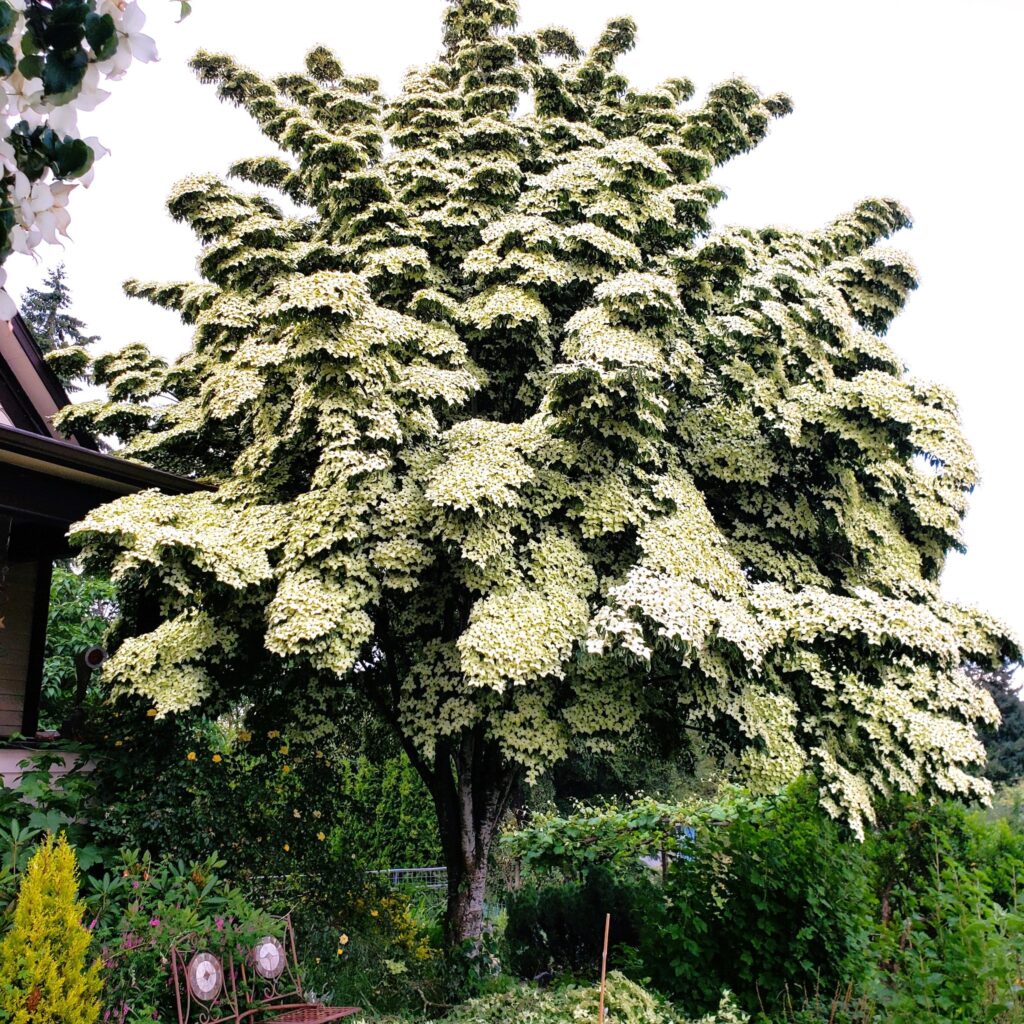
The kousa dogwood (Cornus kousa) is one of those trees that earns its place in a garden without much argument. Its layered branches, star-like bracts, and deep red autumn foliage make it genuinely hard to resist.
I have seen it stop people in their tracks at nurseries and botanical gardens alike. But like most beautiful things in horticulture, it comes with a set of challenges that can quietly undo years of patient growing.
Whether you are dealing with a new planting that refuses to establish or a mature tree showing signs of decline, understanding kousa dogwood problems is the first real step toward solving them. This guide covers the most common issues — from diseases and pests to environmental stressors.
Understanding the Kousa Dogwood First
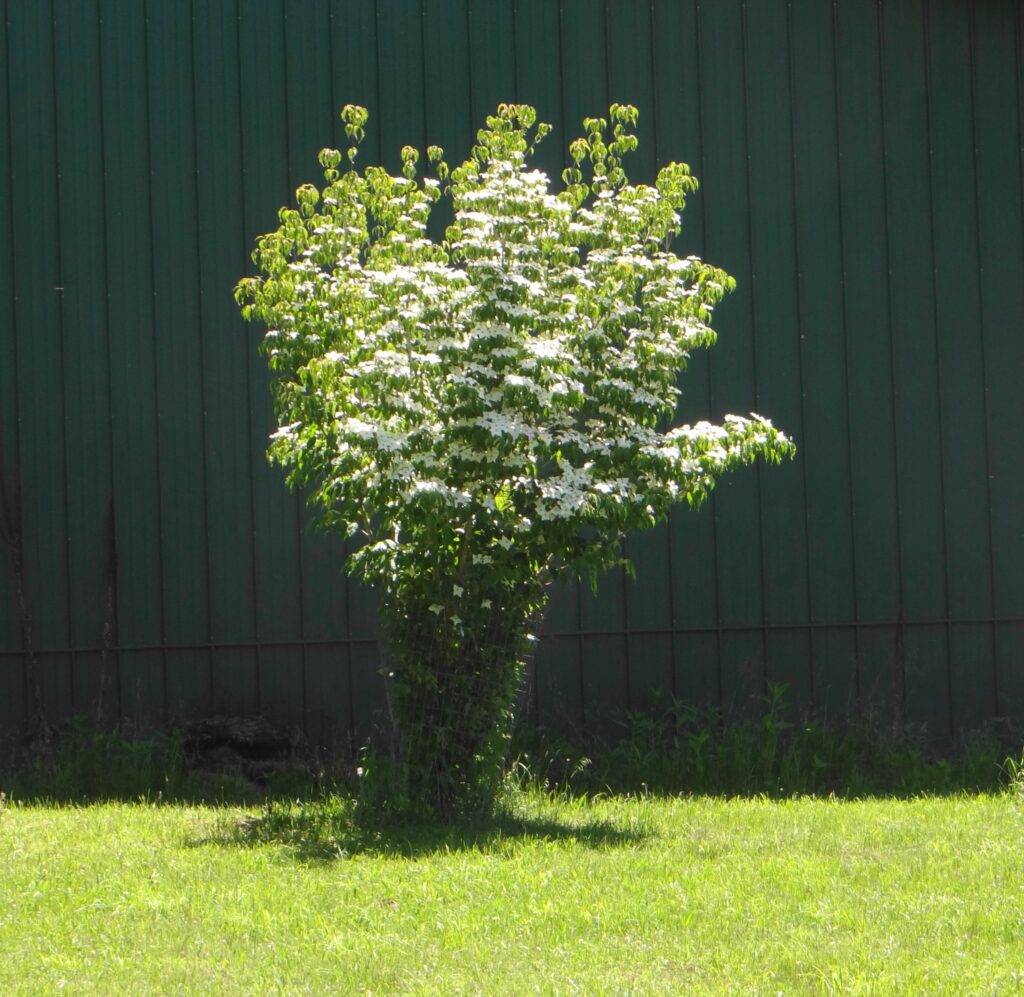
Before diagnosing problems, it helps to know what you are working with. Kousa dogwood is a small to medium deciduous tree, native to East Asia — primarily China, Korea, and Japan. It typically grows 15 to 30 feet tall with a similar spread.
Unlike its North American relative, Cornus florida, the kousa blooms later in spring, after the leaves have already emerged. This alone gives it a measurable advantage: it largely avoids the late frost damage that devastates Cornus florida blooms.
It is also considered more resistant to dogwood anthracnose than the native species. However, “more resistant” does not mean immune. The kousa is still vulnerable to a range of problems that can significantly affect its health, aesthetics, and lifespan.
Common Kousa Dogwood Problems
1. Dogwood Anthracnose (Discula destructiva)
This is the disease most people associate with dogwood decline, and rightly so. Dogwood anthracnose is caused by the fungal pathogen Discula destructiva and was first documented in the United States in the late 1970s. It devastated populations of Cornus florida across the eastern U.S. and has since spread broadly.
Kousa dogwood shows considerably greater resistance to this fungus, but it is not completely safe. Under prolonged wet and cool conditions — particularly in shaded or crowded plantings — kousa trees can develop symptoms.
What to look for:
- Tan or brown leaf spots with purple or reddish borders
- Blighted shoot tips and wilting new growth
- Cankers on branches and the main trunk
- Epicormic shoots (water sprouts) growing from the lower trunk — a sign the tree is under stress
The fungus overwinters in infected leaves and cankers, releasing spores during spring rains. Once it enters the vascular tissue, it can girdle branches and eventually kill the entire tree.
Management:
Remove and destroy infected leaves and debris each fall. Prune out and dispose of cankered branches, cutting well below visible infection. Avoid overhead irrigation.
Fungicide applications containing chlorothalonil or copper-based products may help protect new growth in high-risk environments, but they must be applied preventively, starting at bud break.
Good air circulation around the canopy is one of the most effective long-term defenses.
2. Powdery Mildew
Powdery mildew is one of the more visually alarming kousa dogwood problems, though it is rarely fatal. It presents as a white or grayish powdery coating on the upper surface of leaves, typically appearing in late summer or early fall.
The disease is caused by various fungal species in the order Erysiphales. Unlike most fungal diseases, powdery mildew thrives in warm, dry days paired with cool nights — not rainy conditions. Shade and poor air circulation make it worse.
Heavily infected leaves may become distorted, turn yellow, and drop early. While the tree usually recovers, repeated severe infections over multiple years can weaken it.
Management:
Improve air circulation through selective pruning. Avoid planting in dense shade. If chemical control is necessary, fungicides containing potassium bicarbonate, neem oil, or sulfur can be effective.
Avoid overhead watering, especially in the evening. Some cultivars show better resistance than others — ‘Milky Way’ and ‘Satomi’ are often cited as relatively tolerant.
3. Root Rot and Crown Rot
Phytophthora root rot is a serious and often underdiagnosed problem in kousa dogwoods. The pathogen Phytophthora spp. is a water mold that thrives in poorly drained, waterlogged soils. It attacks the roots and crown, disrupting water and nutrient uptake from the ground up.
Infected trees often show symptoms that look deceptively like drought stress — wilting, yellowing leaves, and branch dieback — even when the soil is moist. By the time visible symptoms appear, significant root damage has usually already occurred.
Key risk factors include:
- Heavy clay soils with poor drainage
- Planting too deeply (covering the root flare)
- Chronic overwatering or sites prone to flooding
- Compacted soils around the root zone
There is no cure once Phytophthora is well established in the root system. Prevention is everything. Plant kousa dogwood on a slight grade or in amended, well-draining soil. Never bury the root flare. Avoid wounding the trunk or roots, as entry points accelerate infection.
4. Spot Anthracnose (Elsinoë corni)
Spot anthracnose is distinct from dogwood anthracnose and tends to be far less destructive. It is caused by Elsinoë corni and results in small, circular spots with tan centers and reddish-purple margins on the floral bracts and leaves.
In severe cases, the bracts become heavily spotted and tattered before they fall, reducing the ornamental value of the bloom display significantly. While the overall health of the tree is rarely threatened, it can be frustrating in specimen plantings where visual impact is the primary goal.
Management: Similar to other fungal diseases — remove fallen debris, ensure good air circulation, and apply a protective fungicide at petal fall if infections have been severe in previous years.
5. Leaf Scorch
Leaf scorch is a physiological problem rather than a disease, but it is one of the most common complaints about kousa dogwood. It appears as brown, papery edges on the leaves, often accompanied by browning between the veins.
The cause is usually a water deficit in the leaf tissue. This can result from:
- Drought stress, particularly in summer
- Root damage from construction, compaction, or rot
- Excessive sun exposure, especially in hot afternoon sun
- Transplant shock in newly planted trees
- Salt damage from road salt or fertilizer burn
It is worth noting that leaf scorch in a newly planted tree almost always comes down to inadequate watering during establishment. Kousa dogwood has a relatively fine, fibrous root system that dries out quickly in summer heat. New transplants need consistent moisture for at least two to three growing seasons.
Management:
Mulch the root zone generously — ideally three to four inches of organic mulch extending well beyond the drip line — to retain moisture and moderate soil temperature. Water deeply and regularly during dry spells. Protect from harsh afternoon sun where possible.
6. Borers
Dogwood borer (Synanthedon scitula) is a moth whose larvae tunnel beneath the bark of dogwoods, disrupting vascular tissue and weakening the tree. While Cornus florida is the most commonly targeted species, kousa dogwood is not entirely immune, especially when already stressed.
The larvae typically enter through wounds — including mower strikes, improper pruning cuts, and mechanical damage to the bark. Once inside, they are extremely difficult to control with conventional insecticides.
Symptoms include swollen, knotty areas on the trunk or major limbs, sawdust-like frass at entry points, and dieback in the canopy above the affected area.
Management:
Prevention is the only reliable strategy. Protect the trunk from mechanical injury. Do not use string trimmers near the base of the tree. Apply permethrin-based insecticides to the trunk in late spring when adult moths are laying eggs, repeating every four to six weeks through midsummer. Maintain overall tree health — vigorous, unstressed trees are far less attractive to borers.
7. Scale Insects
Several species of scale insects can infest kousa dogwood, including dogwood scale (Chionaspis corni) and obscure scale. Scale insects are small, immobile insects that attach to bark or stems and feed on plant sap. Heavy infestations cause yellowing foliage, branch dieback, and a general decline in vigor.
Soft scale insects also excrete honeydew, which promotes the growth of sooty mold — a black, powdery coating on leaves and stems that further reduces photosynthesis.
Management:
Light infestations can be managed with horticultural oil applied in early spring before growth begins, smothering the overwintering eggs. For more severe cases, systemic insecticides applied to the soil or foliage may be necessary.
Encourage natural predators like parasitic wasps by minimizing broad-spectrum insecticide use in the garden.
8. Verticillium Wilt
Verticillium wilt, caused by soil-borne fungi Verticillium dahliae and Verticillium albo-atrum, is a vascular disease that affects a wide range of woody plants, including kousa dogwood. The fungus enters through the roots and spreads into the xylem, blocking water movement.
The result is sudden wilting and flagging of individual branches, often on one side of the tree first. Infected wood often shows a characteristic olive-green or brown streaking when cut in cross-section.
There is no chemical cure. Affected trees may partially recover if the infection is mild and the tree is otherwise healthy. In severe cases, decline is progressive and eventually fatal.
Management:
Avoid planting kousa dogwood in soil where susceptible plants have recently died from Verticillium wilt. Improve soil drainage and organic matter. Remove severely affected branches and support tree health through proper fertilization and watering. Do not replant susceptible species in heavily infested soil.
9. Chlorosis
Iron chlorosis or manganese chlorosis can affect kousa dogwood grown in alkaline soils (high pH). The symptoms appear as yellowing between the veins of the leaves while the veins themselves remain green — a pattern called interveinal chlorosis.
Kousa dogwood prefers slightly acidic soil (pH 5.5 to 6.5). When pH rises above this range, iron and manganese become chemically unavailable to the plant even if they are present in the soil. The result is deficiency symptoms that can weaken the tree over time.
Management:
Test your soil pH before planting and amend accordingly. Elemental sulfur can be used to gradually lower soil pH. Chelated iron or foliar micronutrient sprays can provide temporary relief for established trees. In areas with naturally alkaline soil or heavy lime applications, this is a persistent challenge.
The Right Conditions for a Healthy Kousa Dogwood
Understanding problems is only half the picture. Growing a problem-resistant kousa dogwood starts with getting the fundamentals right. Here is what the tree genuinely needs.
Light
Kousa dogwood performs best in full sun to partial shade. It tolerates more sun than Cornus florida, but in regions with intense summer heat, afternoon shade is protective. A location that receives morning sun and light afternoon shade is often ideal — especially in USDA zones 7 and 8. In zones 5 and 6, full sun is generally well tolerated.
Soil
Well-drained, slightly acidic soil is non-negotiable. The tree does not tolerate wet feet or compacted soils. Loamy, humus-rich soil with a pH of 5.5 to 6.5 gives the root system the best possible environment. Before planting, amend heavy clay soils with compost or coarse sand to improve drainage.
The root flare must sit at or slightly above grade. Deep planting is one of the most common causes of long-term decline in dogwoods. If you see bark buried below the soil line, it needs correcting.
Watering
Kousa dogwood is moderately drought-tolerant once established, but it needs consistent moisture during its first two to three years. During prolonged dry spells, deep, infrequent watering is far better than frequent shallow watering. Aim to moisten the soil to a depth of 12 inches.
Avoid overhead irrigation — it promotes fungal disease. Drip irrigation or soaker hoses at the root zone are significantly better options.
Mulching
Mulch is one of the best investments you can make for kousa dogwood health. A three-to-four-inch layer of shredded bark or wood chip mulch applied over the root zone helps retain moisture, moderate soil temperature, suppress weeds, and prevent mechanical injury from mowing equipment.
Keep mulch pulled back two to three inches from the trunk to prevent bark rot. Spread it outward as far as the drip line if possible.
Fertilization
Kousa dogwood does not need heavy fertilization. An annual application of a balanced, slow-release fertilizer in early spring is usually sufficient. Soil testing every few years is the most reliable guide. Excessive nitrogen promotes soft, lush growth that is more susceptible to disease and more attractive to insects.
Pruning
Minimal pruning is best. The tree has a naturally attractive layered form that requires little intervention. When pruning is necessary — to remove dead wood, improve structure, or increase air circulation — do it in late winter or early spring, before bud break.
Pruning in late summer or fall leaves fresh wounds exposed during the period when fungal spores are most active.
Always use sharp, clean tools. Disinfect blades between cuts when working near diseased wood.
Cold Hardiness
Kousa dogwood is hardy in USDA zones 5 through 8. It tolerates cold better than Cornus florida and is less susceptible to late frost damage due to its later bloom time. However, very early planting in exposed sites or in areas with late spring frosts can still result in bract and foliage damage.
Choosing the Right Cultivar
If you want to reduce the risk of many kousa dogwood problems before the tree is even in the ground, cultivar selection matters. Plant breeders have developed selections with improved disease resistance, better heat tolerance, and longer ornamental seasons.
Some well-regarded cultivars include:
- ‘Satomi’ — pink-red bracts, good disease resistance, reliable autumn color
- ‘Milky Way’ — heavy flowering, widely adapted, strong constitution
- ‘Wolf Eyes’ — variegated foliage, compact habit, but somewhat more susceptible to leaf scorch
- ‘National’ — vigorous grower, upright form, strong branching
- ‘Stellar Pink’ (a Cornus hybrid) — sterile hybrid with excellent anthracnose resistance and large blooms
When buying, choose from reputable nurseries that source healthy, disease-free stock. Inspect the root flare before purchase. Avoid trees with sunken cankers, discolored bark, or circling roots in the container.
Suggested For You:
15 Types of Dogwood Trees and Shrubs: Identification and Pictures
Understanding The Fringe Tree (Chionanthus virginicus): History, Care, and Cultivation
Understanding The Crape Myrtle (Lagerstroemia indica): History, Care and Cultivation
15 Small Trees with Non-Invasive Roots: Perfect for Compact Yards and Landscaping
15 Beautiful Trees With White Bark: Perfect Picks for Garden and Landscape Settings
Final Thoughts
Kousa dogwood remains one of the most rewarding small trees a gardener can grow, but it rewards preparation and attention. Most of the problems described in this article are preventable — not through complex chemistry or expensive interventions, but through thoughtful site selection, correct planting technique, and consistent basic care.
The trees that decline are usually the ones planted too deeply, watered too infrequently, mowed too carelessly, or placed in poorly draining sites. Get those fundamentals right, and a kousa dogwood will reward you with decades of layered beauty — from its late spring blooms to its vivid autumn foliage and distinctive red fruit that lingers well into winter.
References
- Cornell University Plant Disease Diagnostic Clinic — Dogwood Diseases Cornell Cooperative Extension, College of Agriculture and Life Sciences https://plantclinic.cornell.edu/factsheets/dogwoodanthracnose.pdf
- University of Maryland Extension — Dogwood Problems University of Maryland College of Agriculture & Natural Resources https://extension.umd.edu/resource/dogwood-diseases-and-insect-pests
- Penn State Extension — Dogwood Borer Pennsylvania State University College of Agricultural Sciences https://extension.psu.edu/dogwood-borer
- North Carolina State University Extension — Cornus kousa (Kousa Dogwood) NC State Extension Gardener Plant Toolbox https://plants.ces.ncsu.edu/plants/cornus-kousa/
- University of Florida IFAS Extension — Dogwood Diseases and Their Control University of Florida, Institute of Food and Agricultural Sciences https://edis.ifas.ufl.edu/publication/EP012

Tim M Dave is a gardening expert with a passion for houseplants, particularly cacti and succulents. With a degree in plant biology from the University of California, Berkeley, he has vast experience in gardening. Over the years, he has cultivated a vast collection of desert plants and learned a great deal about how to grow and care for these unique companions.