11 Common Japanese Tree Lilac Problems: What’s Wrong With Your Tree and How to Fix It
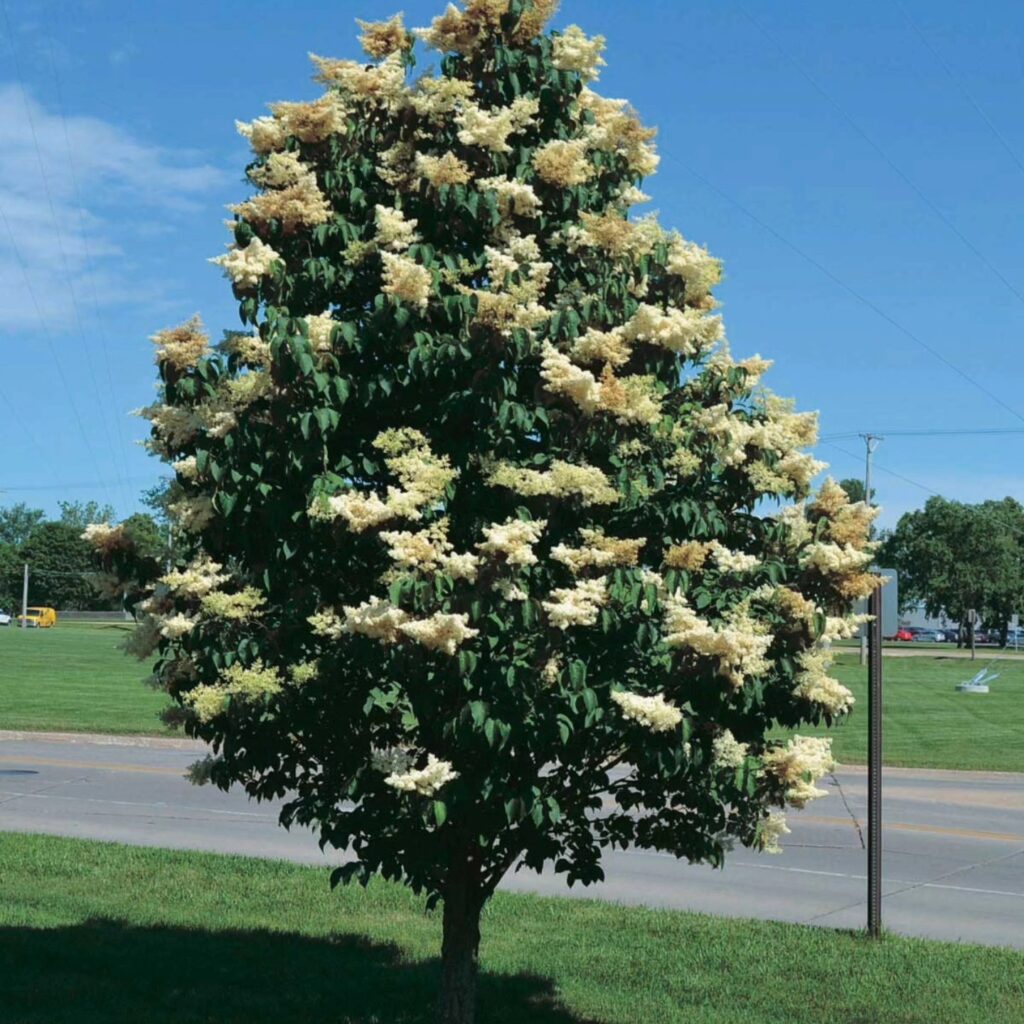
The Japanese tree lilac (Syringa reticulata) has earned a loyal following among homeowners, urban foresters, and landscape designers. It blooms in early summer with large, creamy-white flower clusters that fill the air with a faintly sweet fragrance. It tolerates cold winters. It handles urban pollution reasonably well. And compared to many ornamental trees, it asks for very little.
So when one starts showing signs of distress — yellowing leaves, dieback, bark damage, or wilted branches — it catches people off guard. The tree seemed so easy. What went wrong?
The truth is that Japanese tree lilacs, while generally tough, are not problem-free. They have specific vulnerabilities that, if ignored, can lead to serious decline. Some problems are environmental. Others are caused by pathogens or insects. A few are entirely preventable with better planting and care decisions.
This guide covers every significant Japanese tree lilac problem you are likely to encounter — what causes it, how to identify it, and what you can do about it. If your tree is struggling, you will likely find your answer here.
1. Powdery Mildew: The White Dusty Coating
Powdery mildew is one of the most frequently reported problems on Japanese tree lilacs, especially during warm days followed by cool, humid nights. It appears as a white or grayish powdery film on the upper surfaces of leaves and young stems. Severely infected leaves may curl, yellow, or drop prematurely.
The fungal pathogen responsible belongs to the genus Microsphaera (also classified under Erysiphe). It spreads through airborne spores and does not need free water to germinate — which is part of why it is so persistent in late summer and early fall.
Conditions that encourage it:
- Poor air circulation from overcrowded planting
- Shaded or partially shaded locations
- Temperatures between 60°F and 80°F with high relative humidity
- Excessive nitrogen fertilization that produces soft, lush growth
What to do:
- Improve air circulation by selectively pruning the canopy and removing surrounding vegetation that crowds the tree
- Avoid overhead watering — water at the base instead
- Apply a fungicide containing myclobutanil, trifloxystrobin, or sulfur at the first sign of infection
- In fall, rake and dispose of infected leaves to reduce overwintering spore populations
- For trees that suffer year after year, consider whether the planting site needs adjustment
Powdery mildew rarely kills a mature, healthy Japanese tree lilac. But repeated annual infections weaken the tree over time and make it more susceptible to secondary problems.
2. Lilac Borer: The Hidden Insect Threat Inside the Wood
The lilac borer (Podosesia syringae) is one of the most destructive insects that attacks Japanese tree lilacs. It is the larval stage of a moth that resembles a wasp in appearance — a clever piece of mimicry that often tricks gardeners into ignoring it.
Adult moths lay eggs in bark crevices or wounds in late spring. When the eggs hatch, the larvae bore into the wood and begin feeding on the inner bark and sapwood. By the time external symptoms appear, significant internal damage has already occurred.
Signs of lilac borer activity:
- Sawdust-like frass (excrement) at the base of the tree or around branch crotches
- Small entry holes in the bark, often with a gummy or sticky residue nearby
- Wilting or dying branch tips despite adequate watering — a phenomenon sometimes called “flagging”
- Sunken, discolored patches of bark over larval galleries
- Branches that break easily under light stress
Management options:
- Apply a preventive insecticide (permethrin or bifenthrin) to the trunk and main branches in mid-spring, timed to when adult moths are laying eggs
- Monitor with pheromone traps to determine the peak flight period in your area
- Prune out and destroy heavily infested branches
- Keep the tree healthy — borers preferentially target stressed, wounded, or weakened trees
- Avoid injuring the bark during lawn care or pruning, as fresh wounds are prime egg-laying sites
Prevention is far more effective than treatment after the fact. Once larvae are deep inside the wood, there is little you can do except remove the affected wood.
3. Bacterial Blight: Brown Shoots and Wilted Tips
Bacterial blight, caused by Pseudomonas syringae, is a common problem across the entire lilac family — and Japanese tree lilacs are not exempt. It is most damaging in wet, cool spring weather, which is exactly when the tree is producing its most vulnerable new growth.
Infected shoots turn brown and wilt rapidly, giving them a burned or scorched appearance. Young leaves may develop dark, water-soaked spots that enlarge and turn brown. In severe cases, entire branch tips die back in what looks like sudden collapse.
This disease spreads through rain splash and wind-driven moisture. Infected plant debris left on the ground serves as an ongoing source of bacterial inoculum.
How to identify it:
- Rapid wilting and browning of young shoot tips in spring
- Dark brown or black lesions on new stems and leaf petioles
- Cankers on older wood that are sunken and discolored
- Symptoms that track with rainy, cold spring periods
What to do:
- Prune out infected shoots as soon as symptoms appear, cutting at least 6 inches below the visible damage
- Disinfect pruning tools between cuts using a 10% bleach solution or 70% isopropyl alcohol — this step is critical to avoid spreading the bacteria
- Apply copper-based bactericides as a preventive measure in early spring before budbreak
- Avoid wetting foliage when irrigating
- Remove and dispose of fallen infected material
Bacterial blight is rarely fatal on its own to a mature tree. But repeated infections, especially in combination with other stresses, can cause serious decline.
4. Verticillium Wilt: The Soil-Borne Disease That Kills Slowly
Verticillium wilt is caused by the soil-borne fungus Verticillium dahliae or Verticillium albo-atrum. It infects roots and colonizes the water-conducting tissues of the tree, physically blocking the flow of water and nutrients to the branches above.
The symptoms can look deceptively like drought stress: wilting leaves, yellowing, premature defoliation, and branch dieback. The key diagnostic feature is a discoloration of the wood beneath the bark — when you cut into an affected branch, you will often see streaks of olive-green, brown, or gray in the sapwood.
Verticillium persists in the soil for years, sometimes decades. It enters through the roots and moves upward. There is no cure once a tree is infected.
Risk factors:
- Planting in soil previously used to grow susceptible crops (tomatoes, potatoes, strawberries)
- Poor drainage and compacted soils
- Root injury during planting or landscaping
- Trees already stressed by other problems
Management approach:
- There is no chemical treatment that eliminates Verticillium from infected trees
- Focus on supporting overall tree health: proper watering, balanced fertilization, and good drainage
- Prune out and destroy wilted branches
- Avoid replanting with susceptible species in soil where Verticillium has been confirmed
- For severely affected trees, removal may ultimately be necessary
I always recommend getting a laboratory confirmation before giving up on a tree. Some of what appears to be Verticillium wilt is actually treatable drought stress or a less serious fungal issue.
5. Oyster Shell Scale: The Armored Bark Pest
Oyster shell scale (Lepidosaphes ulmi) is a common armored scale insect that frequently infests lilacs, including Japanese tree lilacs. These insects are small and flat, shaped vaguely like an oyster shell, and they cluster densely on branches and the trunk — sometimes so thickly that they form a continuous gray-brown crust over the bark.
Scale insects feed by inserting their mouthparts into the bark and extracting sap. Heavy infestations weaken branches, cause dieback, and can kill young or stressed trees. The insects are protected under their hard waxy coverings, making them harder to control than soft-bodied pests.
Signs to look for:
- Grayish-brown, elongated, shell-like bumps on bark — 1/8 to 1/4 inch long
- Yellowing or wilting foliage on infested branches
- Branch dieback starting at the tips
- On close inspection, tiny red or orange crawlers (first-stage nymphs) in late spring
Control strategies:
- Apply dormant oil sprays in late winter or early spring, before budbreak — this is the most effective timing
- Target the crawler stage (early summer) with insecticidal soap or contact insecticides for more immediate control
- For isolated infestations, scrub affected bark with a stiff brush and soapy water
- Prune and destroy heavily encrusted branches
- Systemic insecticides applied as a soil drench can be effective for severe cases
6. Lilac Leaf Miner: Blistered and Rolled Leaves
The lilac leaf miner (Gracillaria syringella) is a small moth whose larvae feed inside the leaf tissue of lilacs, creating characteristic blister-like mines. As feeding progresses, the larvae exit the mines and roll the leaf edges, binding them with silk.
Infested leaves look distorted and browned, and they drop prematurely in severe cases. Multiple generations occur each year, so populations can build quickly through the season. Fortunately, healthy, mature Japanese tree lilacs typically tolerate leaf miner damage without serious long-term effects.
Identification:
- Light-colored, irregular blister-like patches on leaf surfaces in early summer
- Rolled and tied leaf edges later in the season
- Distorted, browned leaves that drop early
Management:
- Remove and destroy rolled leaves in summer to reduce the next generation
- Apply contact or systemic insecticides in late spring when first mines appear
- Encourage natural predators — parasitic wasps are effective natural controls
- Keep the tree well-watered and fertilized to support recovery from defoliation
7. Root Problems: Girdling Roots and Poor Drainage
This is one of the most overlooked sources of Japanese tree lilac decline, particularly in urban plantings. Girdling roots occur when a root grows in a circular pattern around the base of the trunk, gradually constricting the tree’s vascular system as both the root and trunk expand over the years.
Trees with girdling roots often decline slowly and mysteriously. The canopy thins, growth slows, and branches die back — but there is no obvious disease or insect problem. By the time the girdling root is identified, significant permanent damage may already exist.
Poor drainage is a related concern. Japanese tree lilacs do not tolerate waterlogged soils. Roots in saturated conditions suffocate, making the tree vulnerable to root rot pathogens and nutrient deficiency.
Warning signs of root problems:
- A trunk that goes straight into the ground without the natural flare at the base (may indicate buried root flare or girdling)
- Slow, progressive decline with no obvious above-ground cause
- Dieback that does not respond to watering or fertilization
- Standing water near the base of the tree after rain
What to do:
- Inspect the root collar by carefully removing soil and mulch from the base to expose the root flare
- If a girdling root is found, consult a certified arborist — early-stage girdling roots can sometimes be cut and removed
- Never plant too deep — the root flare should be at or just above the soil surface
- Improve drainage before planting by amending soil or choosing a better site
- Remove excess mulch piled against the trunk (“mulch volcanoes” trap moisture and invite decay)
8. Environmental Stress: Heat, Drought, and Urban Conditions
Japanese tree lilacs handle cold very well — they are rated hardy to USDA Zone 3. But they can struggle in extreme summer heat, particularly in urban environments where reflected heat from pavement, buildings, and vehicles raises temperatures significantly.
Leaf scorch is a common summer symptom: the leaf edges and tips turn brown and crispy, starting with the outermost leaves. It is caused by the tree losing water through transpiration faster than the roots can replace it — either from drought, heat stress, or damaged roots.
In cities, compacted soils further restrict root development, reducing the tree’s ability to access water and nutrients. Add road salt damage in winter, and urban Japanese tree lilacs face a genuinely difficult environment.
Solutions:
- Water deeply every 7 to 14 days during dry summer periods, rather than shallow daily watering
- Apply a 3- to 4-inch layer of organic mulch in a wide ring around the base (but not touching the trunk) to retain soil moisture and moderate soil temperature
- Avoid planting in spots with excessive pavement reflection or southern exposures that intensify heat
- In new urban plantings, choose improved cultivars such as Syringa reticulata ‘Ivory Silk’ or ‘Signature’, which show better tolerance to adverse conditions
- Do not fertilize during drought stress — it pushes growth the tree cannot support
9. Cankers: Sunken Wounds That Girdle Branches
Cankers are localized areas of dead bark on branches or the trunk. On Japanese tree lilacs, they are most often caused by fungal pathogens that enter through wounds, pruning cuts, winter injury sites, or areas weakened by other stress.
A canker appears as a sunken, discolored, or cracked patch of bark, sometimes with a distinct margin between dead and living tissue. As the canker expands, it can girdle the branch — cutting off water and nutrient flow — killing everything beyond it.
Common canker-causing pathogens on lilacs include:
- Nectria species (produces red pustules on dead bark)
- Phytophthora species (often associated with trunk cankers near the soil line)
- Cytospora species (common after winter stress)
Management:
- Prune out cankered branches at least 6 inches below the canker margin, using disinfected tools
- Avoid creating unnecessary wounds — do not nail signs to the trunk, tie wires around branches, or allow lawn equipment to strike the bark
- Ensure trees are well-watered going into winter to reduce cold stress susceptibility
- Apply wound sealant is no longer recommended by most extension services — clean cuts heal better on their own
10. Nutrient Deficiency and Soil pH Problems
Japanese tree lilacs prefer a slightly acidic to neutral soil pH, typically between 6.0 and 7.0. When the pH drifts outside this range — particularly into alkaline territory above 7.5 — the tree may struggle to absorb essential micronutrients like iron and manganese even when those elements are physically present in the soil.
The result is interveinal chlorosis: yellowing between the leaf veins while the veins themselves remain green. Young leaves at the shoot tips are usually the first to show symptoms.
Nitrogen deficiency shows differently — the leaves turn uniformly pale yellow-green, starting with older leaves at the base of the canopy.
How to address nutrient issues:
- Test your soil before applying any amendments — guessing wastes money and can make things worse
- If pH is too high, apply elemental sulfur or use an acidifying fertilizer over time
- For iron chlorosis, apply chelated iron as a foliar spray for a quick correction while you work on the soil pH
- Use a balanced slow-release fertilizer in early spring — avoid heavy nitrogen applications that push weak, pest-attracting growth
- Refresh mulch annually to supply organic matter as it decomposes
11. Storm and Winter Damage
Japanese tree lilacs are among the more cold-hardy ornamental trees, but they are not immune to winter injury. Severe cold snaps after warm spells can cause bark splitting, where the outer bark cracks due to rapid temperature fluctuations — a phenomenon called frost cracking or southwest injury.
Heavy snow and ice loads can also break branches, particularly on trees that have been improperly pruned into dense, top-heavy forms.
What to watch for in spring:
- Vertical cracks in the trunk or main branches
- Branches that fail to leaf out in spring
- Discolored or sunken bark following winter
- Dieback concentrated on the southwest-facing side of the tree
Aftercare:
- Prune out dead branches cleanly once the extent of winter damage becomes clear, usually by late spring
- Do not fertilize a winter-damaged tree heavily — focus on recovery, not growth
- Water well through the summer to support root regeneration
- Wrap trunks of young trees with white tree wrap in late fall to reduce frost cracking from temperature swings
How to Keep Your Japanese Tree Lilac Healthy: A Practical Summary
Most Japanese tree lilac problems trace back to one or more of these root causes: wrong planting site, poor soil conditions, mechanical injuries, or accumulated stress. A tree that is well-sited and well-maintained is naturally more resistant to disease and pests.
Here is a straightforward prevention checklist:
- Choose the right location. Full sun — at least 6 hours daily — with well-drained, moderately fertile soil. Avoid low spots and heavy clay.
- Plant correctly. Keep the root flare at or just above grade. Never bury the trunk. Never mound mulch against the bark.
- Water deeply, not frequently. Established trees need supplemental watering only during dry spells. Deep irrigation encourages deep roots.
- Fertilize conservatively. A light application of balanced fertilizer in early spring is usually sufficient.
- Prune with a purpose. Remove dead, damaged, or crossing branches. Keep pruning tools clean. Never top or shear the canopy.
- Monitor early and often. Walk around your tree periodically. Catching an aphid colony, a borer entry hole, or an early canker in its first season is far easier to address than a problem discovered after years of spread.
- Manage stress proactively. A healthy tree resists most problems on its own.
Suggested For You:
10 Beautiful Trees with Yellow Leaves in Fall
15 Beautiful Trees With White Bark: Perfect Picks for Garden and Landscape Settings
15 Small Trees with Non-Invasive Roots: Perfect for Compact Yards and Landscaping
Understanding The Crape Myrtle (Lagerstroemia indica): History, Care and Cultivation
Understanding The Fringe Tree (Chionanthus virginicus): History, Care, and Cultivation
Final Thoughts
Japanese tree lilacs are genuinely rewarding trees. When healthy, they are spectacular in bloom, relatively pest-resistant, and long-lived. The problems covered in this article are real — but most of them are manageable, and many are preventable.
In my experience, the trees that struggle most are the ones planted in the wrong place, watered incorrectly, or damaged by well-meaning but misguided pruning. Get the fundamentals right, and this tree will return the favor for decades.
If you are already seeing problems, do not wait. Early diagnosis and swift action are always your best tools.
References
- University of Minnesota Extension — Lilac Problems https://extension.umn.edu/plant-diseases/lilac-problems
- Michigan State University Extension — Japanese Tree Lilac in the Landscape https://www.canr.msu.edu/news/japanese_tree_lilac_in_the_landscape
- Cornell University Cooperative Extension — Lilac Diseases and Insect Pests https://www.gardening.cornell.edu/homegardening/scene7f77.html
- Iowa State University Extension and Outreach — Lilac Insect and Disease Problems https://hortnews.extension.iastate.edu/lilac-disease-and-insect-problems
- University of Wisconsin-Madison Extension — Growing Lilacs in Wisconsin https://hort.extension.wisc.edu/articles/lilac-syringa-spp/

Tim M Dave is a gardening expert with a passion for houseplants, particularly cacti and succulents. With a degree in plant biology from the University of California, Berkeley, he has vast experience in gardening. Over the years, he has cultivated a vast collection of desert plants and learned a great deal about how to grow and care for these unique companions.