7 Common Japanese Maple Bark Problems and How to Fix
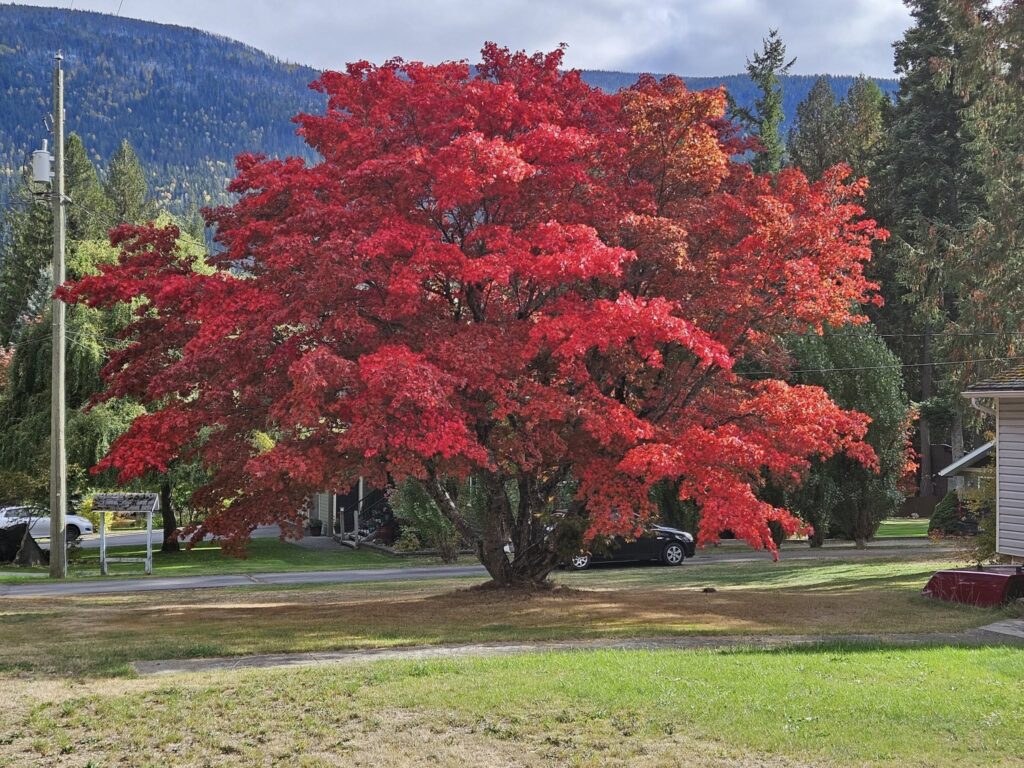
There is something quietly commanding about a Japanese maple. The delicate leaves, the sculptural branching, the way the whole tree seems designed to be looked at — it earns its place in a garden. And for most of the year, it asks very little in return.
That is why it is always unsettling when something goes wrong with the bark.
The bark of a Japanese maple is more than a protective outer layer. It is a living record of the tree’s health. When cracks appear, when patches of bark sunken or discolor, when oozing sap stains the trunk or a branch dies back without explanation — the bark is telling you something important.
The question is whether you know how to read it. This guide focuses specifically on Japanese maple bark problems: what causes them, what they look like, how serious they are, and what you should do.
Why Bark Health Matters So Much in Japanese Maple
Before going into individual problems, it helps to understand why the bark of a Japanese maple is so significant.
Beneath the outer bark lies the cambium — a thin layer of actively dividing cells that produces new wood on the inside and new bark on the outside. Just inside the cambium is the phloem, which carries sugars downward from the leaves to the roots. Together, these layers form the tree’s vascular highway.
When bark is damaged, that highway is interrupted. Even a relatively small area of dead or missing bark — a condition called girdling — can cut off the flow of water and nutrients to everything above it. A Japanese maple with significant bark damage on its trunk may lose an entire branch, or the whole tree, even when the roots are perfectly healthy.
This makes bark problems in Japanese maple genuinely urgent. They deserve more attention than many gardeners give them.
Japanese Maple Bark Problems: Causes, Signs, and Solutions
1. Verticillium Wilt — The Disease Behind the Bark
Verticillium wilt is probably the most serious disease affecting Japanese maples, and it begins in the vascular tissue just beneath the bark.
It is caused by the soil-borne fungus Verticillium dahliae (and less commonly V. albo-atrum). These fungi infect the tree through the roots and colonize the xylem — the vessels that carry water up from the roots to the leaves. As they grow, they block water flow and release toxins that cause the classic wilting symptoms.
From a bark perspective, one of the most telling signs is what you find when you cut into a symptomatic branch. The wood beneath the bark shows olive-green, gray, brown, or black streaking — a discoloration of the sapwood that follows the grain of the wood. This streaking is visible even in branches that look otherwise normal on the outside.
Other symptoms include:
- Sudden wilting of one or more branches, or an entire side of the tree, during the growing season
- Leaves that scorch, curl, and die while still attached — rather than dropping cleanly
- A branch that leafs out in spring and then collapses by early summer
- Dieback that progresses unpredictably — appearing in different parts of the tree in different seasons
Verticillium lives in the soil for decades. It can infect Japanese maple through healthy, undamaged roots, and it is especially aggressive in trees that have experienced stress — drought, poor drainage, compaction, or root injury.
There is no cure once a tree is infected. Management focuses on prolonging the tree’s life and preventing spread.
What to do:
- Prune out infected branches promptly, cutting back to healthy wood — wood that shows no discoloration when cut. Sterilize tools between every cut.
- Water consistently and deeply. A well-hydrated tree can sometimes outgrow mild infections by producing new vascular tissue faster than the fungus colonizes it.
- Avoid planting other susceptible plants — tomatoes, potatoes, strawberries, and many ornamentals — near an infected Japanese maple, as these share the same pathogen.
- Do not compost infected wood or prunings.
- If the tree declines severely, replace it with a Verticillium-resistant species and do not plant another Japanese maple in the same soil without treatment.
2. Canker Diseases — Localized but Dangerous
Cankers are among the most common and most damaging bark problems in Japanese maple. A canker is a localized area of dead, sunken, or discolored bark caused by a fungal or bacterial pathogen. Several organisms cause cankers in Acer palmatum, including Botryosphaeria, Nectria, Phytophthora, and Fusarium species.
Cankers typically form at wounds — pruning cuts made at the wrong time or with unclean tools, insect entry points, frost cracks, or mechanical injuries from garden equipment. The pathogen enters through the wound and spreads into the surrounding bark tissue.
What you see on the bark depends on the pathogen and the stage of infection:
- Sunken, flattened, or discolored patches of bark — often tan, dark brown, or reddish-purple against the normal gray-green of healthy bark
- Bark that feels soft, spongy, or hollow when pressed gently
- Visible cracks or splits along the margins of the dead area
- Orange, cream, or black fungal fruiting bodies (pycnidia or perithecia) — tiny pinhead-sized dots — embedded in or erupting through the dead bark surface
- Oozing or dried sap stains below the canker
- Dieback of branches above the canker, as water and nutrient flow is interrupted
Nectria canker is particularly recognizable. It produces bright red or orange pustules on the bark surface — small but vivid — that are the fungal fruiting bodies releasing spores. The surrounding bark is typically sunken and cracked.
What to do:
- Remove cankers by cutting them out — pruning back to healthy bark and wood well beyond the edge of the discolored tissue.
- Make clean cuts at the correct pruning time for Japanese maple (late summer to early autumn, or in winter when the tree is fully dormant). Avoid spring pruning when sap flow is highest.
- Sterilize all pruning tools with 70% isopropyl alcohol before and after every cut.
- Do not use wound sealants or pruning paints — current research consistently shows these do more harm than good, trapping moisture and pathogens beneath the surface.
- Keep the tree well-watered and healthy. Healthy trees compartmentalize cankers far more effectively than stressed ones.
- If a canker has girdled an entire branch or the main trunk, removal of the affected section — or the entire tree if the trunk is compromised — may be necessary.
3. Sunscald and Bark Splitting — Damage You Can Prevent
Sunscald is a non-infectious bark injury caused by temperature extremes — typically the rapid freezing of bark tissue that has been warmed by direct winter sun.
It happens most often on the south and southwest sides of the trunk, where winter sun heats the bark significantly on clear, cold days. When the sun sets or clouds move in, the bark temperature drops sharply. The cells in the outer bark, which had thawed and become active, freeze rapidly. This kills the tissue.
The result is a patch of dead, sunken, often cracked bark — sometimes a long vertical strip on the trunk. It looks alarming and is, in fact, a real wound. These dead bark areas do not recover on their own; they dry out and crack further over time.
Newly planted young trees and thin-barked cultivars are most vulnerable. Japanese maple has naturally thin, smooth bark — it does not have the thick, corky insulation of an oak or a white ash. This makes it genuinely susceptible to sunscald, particularly in climates with cold winters and strong winter sun.
Frost cracking — sometimes called winter crack — is related. Rapid freezing of the entire trunk in severe cold can cause the bark and outer wood to crack audibly. These cracks often close during warm periods but reopen seasonally, creating persistent entry points for pathogens.
What to do:
- Wrap young trunks with tree wrap or reflective guards in late autumn, removing them in spring after frost risk has passed. This buffers temperature swings on the bark surface.
- Plant Japanese maples in locations sheltered from harsh west and southwest winter sun if possible.
- Water well before the ground freezes in autumn — hydrated tissue is more resistant to freeze damage than drought-stressed tissue.
- If sunscald damage is already present, keep the wound clean and dry. Remove any loose or hanging bark carefully with a clean, sharp knife, cutting to the margin of healthy tissue to encourage proper wound closure. Do not paint or seal the wound.
4. Phytophthora Crown and Root Rot — When the Base Rots Away
Phytophthora is a water mold — not a true fungus, though it behaves like one — that attacks the roots, root collar, and lower trunk of Japanese maple. It thrives in wet, poorly drained soil conditions.
The bark at the base of the trunk is the critical diagnostic area. In Phytophthora crown rot, the bark at or just below the soil line becomes dark, water-soaked, and soft. It may ooze reddish-brown or black fluid. As the infection progresses, the bark dies and separates from the wood beneath — you can peel it away easily, revealing dark, stained wood underneath.
The tree shows above-ground symptoms that look like drought stress or nutrient deficiency: wilting, yellowing, sparse canopy, and early leaf drop. This is because the infected bark tissue at the base has interrupted the vascular flow between roots and canopy.
The confusion between drought stress and Phytophthora symptoms leads many gardeners to water more heavily — which is exactly the wrong response if the underlying cause is a water mold thriving in saturated soil.
What to do:
- Improve drainage immediately. If the soil around the base of the tree stays wet for extended periods, that problem must be addressed — not masked.
- Reduce irrigation around the root zone.
- Pull back any mulch that is touching the trunk. Mulch against the bark traps moisture and warmth, creating ideal conditions for Phytophthora infection.
- Fungicides containing phosphonate compounds (phosphorous acid) or metalaxyl can suppress Phytophthora activity when applied as a soil drench or trunk spray — but drainage correction must accompany any chemical treatment.
- In advanced cases where the girdling of the trunk base is complete, the tree cannot be saved. Remove it, improve drainage thoroughly, and allow the soil to dry before replanting.
5. Lichen and Moss on the Bark — Harmless or a Warning Sign?
It is common to find lichen or moss growing on the bark of Japanese maple, particularly on older trees or in humid, shaded environments. This often prompts concern — and the concern is understandable but usually misplaced.
Lichen and moss are not parasites. They do not feed on the tree’s tissue or penetrate the bark. They are simply epiphytes — organisms that use the bark as a physical surface without harming it.
However, heavy lichen or moss growth can indicate that the tree has been growing slowly for an extended period — slow growth means the bark is not expanding and refreshing as rapidly, giving these organisms more time to colonize. In that sense, lichen abundance can be a secondary indicator of tree stress, even if the lichen itself is not causing the stress.
What to do:
- In most cases, nothing. Lichen is not harming the tree.
- If the tree appears stressed in other ways — sparse canopy, dieback, poor growth — investigate the underlying cause rather than focusing on the lichen itself.
- Physical removal of lichen is rarely recommended; it can scratch and damage the bark unnecessarily.
6. Mechanical Damage — The Wounds We Cause
Some bark problems on Japanese maple are not caused by pathogens or weather at all. They are caused by people.
String trimmer damage is one of the most common — and most damaging — bark injuries in landscape trees. The trimmer line repeatedly strikes the base of the trunk, stripping away the outer and inner bark in a ring or band. If this damage encircles the trunk completely, it effectively girdles the tree. The tree may survive for a season or two on stored reserves, but it will die.
Improper staking, where ties are left too long and cut into expanding bark tissue, causes similar girdling. Lawnmower strikes, animal rubbing, and careless tool use are other frequent culprits.
What to do:
- Maintain a mulched area around the base of the tree large enough to keep string trimmers and lawnmowers away from the trunk entirely.
- Inspect staking ties regularly and remove them once the tree is established — typically after one to two growing seasons.
- If bark damage already exists, assess the extent. Partial girdling may allow the tree to survive if addressed early. Complete girdling is generally fatal.
7. Bacterial Wetwood (Slime Flux) — The Oozing Bark
If you notice a foul-smelling, wet, dark-stained area on the bark — often with sap oozing or having dried into streaks down the trunk — you may be dealing with bacterial wetwood, also called slime flux.
It is caused by anaerobic bacteria that colonize the internal wood tissues, producing gas and fermentation products that create pressure inside the tree. This pressure forces the liquid out through natural cracks or wounds in the bark.
The oozing liquid itself is not the disease — it is a symptom of internal bacterial activity. The liquid stains bark and kills the cambium tissue where it flows, creating dead patches on the bark surface.
Slime flux rarely kills Japanese maple on its own, but it indicates underlying stress or injury, and the dead bark areas it creates serve as secondary entry points for fungal pathogens.
What to do:
- There is no direct chemical treatment for bacterial wetwood.
- Keep the tree healthy and stress-free — this is the most effective management strategy.
- Do not drill drainage holes into the trunk, a once-common but now discredited recommendation that creates more wounds than it solves.
- Wash the oozing liquid off the bark with water periodically to reduce surface damage to the bark from the fluid itself.
Growing Japanese Maple Right: The Best Defense
Nearly every bark problem described above is more likely — and more severe — when the tree is stressed. A healthy Japanese maple in the right location is far more resistant to disease, environmental damage, and pest infestation than a struggling one.
Here is what the tree needs to thrive.
Light
Japanese maple does best in partial shade to filtered sunlight, particularly in warmer climates. In hot summers, afternoon shade is genuinely protective — it prevents leaf scorch, reduces heat stress on the bark, and lowers overall water demand.
In cooler climates, more sun is tolerated. But in USDA zones 7 and above, afternoon shade is not optional for the tree’s long-term health — it is part of giving the tree what it naturally expects.
Soil
The ideal soil is moist, fertile, well-drained, and slightly acidic — with a pH between 5.5 and 6.5. Japanese maple does not tolerate waterlogged roots or highly alkaline soils.
Amend heavy clay soils with organic matter before planting to improve drainage. In sandy soils, organic matter improves moisture retention.
Never plant the root collar below the soil surface. The root flare — the point where the trunk transitions to the roots — should be visible at or just above the soil line.
Watering
Young trees need consistent moisture during establishment — typically the first two to three years. Once established, Japanese maple is reasonably drought-tolerant, but it does not like prolonged dry spells.
Water deeply and infrequently rather than shallowly and frequently. Deep watering encourages the roots to grow downward, where soil moisture is more stable. Shallow watering keeps roots near the surface where they are more vulnerable to heat and drought.
Mulching
A 2–3 inch layer of organic mulch — kept several inches away from the trunk — moderates soil temperature, retains moisture, suppresses weeds, and feeds the soil biology as it decomposes.
Mulch is one of the simplest and most effective things you can do for a Japanese maple. It mimics the natural forest floor these trees evolved on — moist, insulated, rich in organic matter.
Never mound mulch against the trunk. Volcano mulching, as it is called, traps moisture against the bark and is a direct cause of collar rot and bark decay.
Pruning
Prune Japanese maple in late summer or in winter when the tree is fully dormant. Avoid pruning in spring when sap flow is at its peak — this causes excessive bleeding and creates entry points for Verticillium and other pathogens.
Minimal pruning is better than heavy pruning. Remove dead or crossing branches, but preserve the tree’s natural form. Japanese maple’s branching structure is one of its greatest ornamental assets — it should be revealed, not manufactured.
Cold Protection
In marginal climates or for tender cultivars, protect the trunk in winter with tree wrap to reduce the risk of sunscald and frost cracking. In very cold zones, wind protection on the north and west sides reduces desiccation of bark and foliage.
Suggested For You:
15 Low-Maintenance Maple Tree Varieties for Small Yards (Names and Pictures)
8 Popular Types of Maple Trees: Identification, Features, and Growth Rate
The Japanese Black Pine Bonsai (Pinus thunbergii): History, Styling, and Growth Requirements
The Japanese White Pine (Pinus parviflora): History, Features and Growth Requirements
Lemon Tree Leaves Curling: Causes, Diagnosis, and How to Fix It
Final Thoughts
Japanese maple is not a difficult tree — but it is a sensitive one. It communicates its health clearly through its bark, its leaves, and its canopy structure. Learning to read those signals early is the difference between a minor intervention and losing a tree you have spent years watching grow.
Most bark problems can be prevented with the right site, proper planting depth, clean pruning practices, and consistent moisture. When problems do appear, act promptly and calmly. Identify the cause before reaching for a treatment. And when in doubt, consult an ISA-certified arborist — some bark conditions are subtle, and an expert eye is worth the cost.
Given the right care and location, a Japanese maple can be one of the longest-lived and most rewarding trees in any garden — its bark growing more beautiful with each passing year.
References
- University of Florida IFAS Extension — Japanese Maple (Acer palmatum): Diseases https://edis.ifas.ufl.edu/publication/EP273
- Cornell University Plant Disease Diagnostic Clinic — Verticillium Wilt of Trees and Shrubs https://plantclinic.cornell.edu/factsheets/verticilliumwilt.pdf
- Penn State Extension — Cankers on Landscape Trees https://extension.psu.edu/cankers-on-landscape-trees
- University of California Agriculture and Natural Resources — Phytophthora Root and Crown Rot in the Garden https://ipm.ucanr.edu/PMG/GARDEN/ENVIRON/phytophthora.html
- NC State Extension — Japanese Maple (Acer palmatum) — Culture, Diseases, and Pests https://plants.ces.ncsu.edu/plants/acer-palmatum/

Tim M Dave is a gardening expert with a passion for houseplants, particularly cacti and succulents. With a degree in plant biology from the University of California, Berkeley, he has vast experience in gardening. Over the years, he has cultivated a vast collection of desert plants and learned a great deal about how to grow and care for these unique companions.