10 Common Japanese Blueberry Tree Problems: Identification and Fix
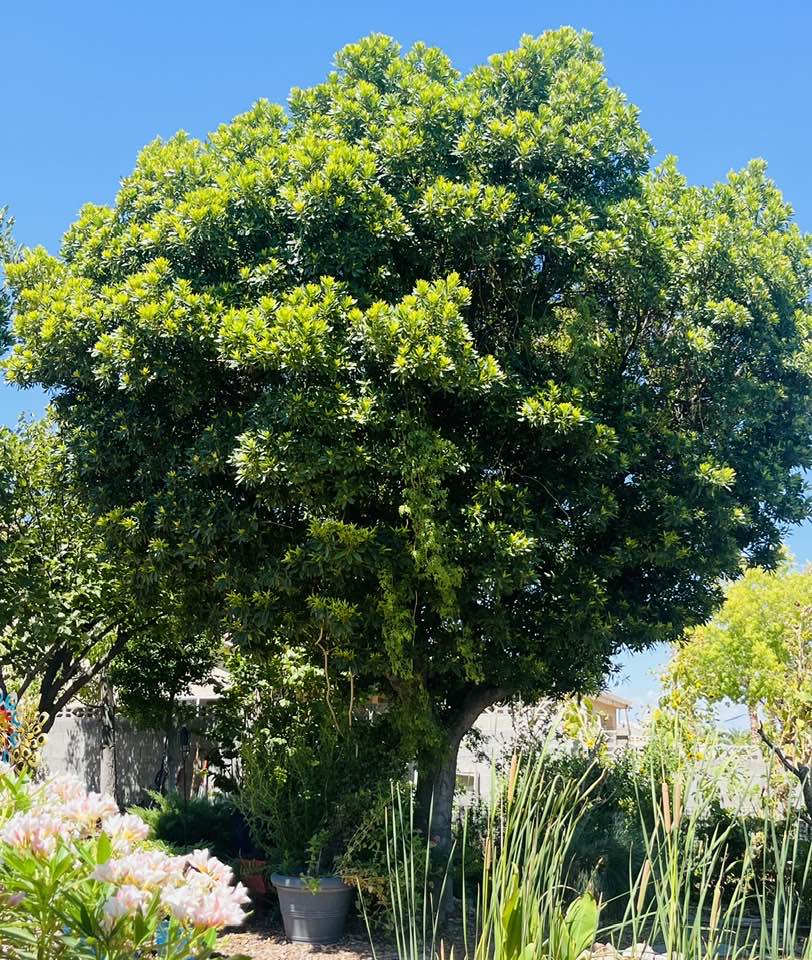
The Japanese blueberry tree (Elaeocarpus decipiens) is one of those plants that earns admiration almost instantly. Its dense, glossy canopy, year-round leaf color, and refined upright form make it a landscape favorite — especially in warm climates across the American South, California, and the Gulf Coast. I have seen these trees anchor entire front yards with quiet elegance.
But here is the honest truth: Japanese blueberry trees are not problem-free. When something goes wrong, it is often misdiagnosed, and well-meaning fixes can make things worse.
This guide covers every major Japanese blueberry tree problem — its causes, symptoms, and solutions — so you can respond with confidence instead of guesswork.
What Is the Japanese Blueberry Tree?
Before diving into problems, a quick profile helps set expectations. Elaeocarpus decipiens is a broadleaf evergreen native to Japan and China. It grows 20 to 30 feet tall at maturity, though it can be kept smaller with light pruning.
The tree is prized for its ornamental red leaves, which appear randomly among the green foliage year-round — not due to disease, but as a natural part of the leaf cycle. This is a point of confusion for many new owners, and we will address it directly.
The Japanese blueberry tree thrives in USDA hardiness zones 8 through 11. It prefers well-drained, slightly acidic soil, full sun to partial shade, and moderate moisture. Understanding these baseline needs is essential to diagnosing problems correctly.
1. Leaf Drop: Normal or a Warning Sign?
This is the single most common concern among Japanese blueberry tree owners, and it causes significant alarm — often unnecessarily.
Normal Seasonal Leaf Drop
The Japanese blueberry tree is technically evergreen, but it does shed leaves. Older leaves turn red, then drop, and this happens continuously in small amounts throughout the year. In spring, however, many trees experience a more dramatic flush of red leaves followed by noticeable leaf drop. This is completely normal.
If the falling leaves are red, if the tree is otherwise producing new green growth, and if the pattern appears in late winter or spring, there is nothing wrong. Many homeowners mistake this seasonal renewal for disease or stress. It is simply the tree cycling out old foliage.
Stress-Related Leaf Drop
The situation becomes a concern when:
- Leaves drop green (not red)
- Leaf drop occurs heavily outside of spring
- There is no new growth replacing what is lost
- The pattern follows a transplant, storm, or prolonged drought
Root stress is the most common cause of abnormal leaf drop. A newly transplanted Japanese blueberry tree often drops leaves as it adjusts. This is called transplant shock, and it can persist for a full growing season. The fix is consistent watering and patience — not fertilizer, which can add stress to a struggling root system.
2. Transplant Shock
Japanese blueberry trees do not love being moved. Transplant shock is one of the most frequently reported problems, particularly when large nursery trees are installed in the landscape.
Symptoms include:
- Sudden and heavy leaf drop shortly after planting
- Wilting despite adequate water
- Slow or absent new growth in the first season
Why It Happens
When a tree is moved, it loses a significant portion of its root system. The remaining roots cannot supply enough water and nutrients to support the full canopy. The tree responds by shedding leaves to reduce its water demand — a survival mechanism, not a sign of failure.
How to Help
- Water deeply but infrequently. Soak the root zone once or twice a week rather than daily shallow watering.
- Mulch the base. Apply 3 to 4 inches of organic mulch in a wide ring around the trunk, keeping it several inches away from the bark. This retains moisture and regulates soil temperature.
- Avoid fertilizing immediately. Wait at least one full growing season before applying fertilizer to a newly transplanted tree.
- Be patient. Most Japanese blueberry trees recover fully within one to two years if given proper care.
3. Overwatering and Root Rot
If there is one mistake that kills Japanese blueberry trees most reliably, it is overwatering combined with poor drainage.
These trees require well-drained soil. They do not tolerate soggy roots. When water pools around the root zone repeatedly, oxygen is displaced from the soil, and the roots begin to suffocate and decay. Phytophthora root rot is a common result — a water mold pathogen that attacks roots in waterlogged conditions.
Symptoms of Root Rot
- Yellowing leaves (chlorosis), often starting with older leaves
- Wilting despite wet soil
- Brown, mushy roots (visible if you dig carefully near the root zone)
- Gradual decline even with regular care
- Fungal growth at the base of the trunk in advanced cases
What to Do
First, check your drainage. Insert a shovel 12 inches into the soil near the root zone. If water pools in the hole within 30 minutes, drainage is the problem.
- Improve drainage by amending the soil with coarse sand or pine bark before planting.
- For established trees, aerating the surrounding soil and reducing irrigation frequency can help.
- In severe cases of root rot, a soil drench with a copper-based fungicide labeled for Phytophthora may slow progression.
- If the damage is extensive, the tree may not recover. Prompt action is critical.
4. Underwatering and Drought Stress
On the opposite end, drought stress is equally damaging, particularly in regions with hot, dry summers — which is exactly when these trees are most commonly planted.
Signs of Drought Stress
- Leaf curl or wilting during afternoon heat
- Dry, crispy leaf edges (leaf scorch)
- Premature leaf drop (green leaves dropping)
- Dull or faded leaf color
Young trees (under three years old) are especially vulnerable. A newly planted Japanese blueberry tree in a Southern California or Texas summer needs consistent moisture to establish its root system.
Watering Guidelines
- Water newly planted trees two to three times per week for the first growing season.
- Established trees generally need deep watering once a week during hot, dry periods.
- Use a drip irrigation system or soaker hose to deliver water directly to the root zone with less evaporation.
- Always check the top two inches of soil before watering — if it is still moist, wait another day.
5. Chlorosis: Yellow Leaves and Nutrient Deficiency
Yellowing leaves on a Japanese blueberry tree are a frequent complaint, and they point to one of two issues: either a soil pH problem or a specific nutrient deficiency.
Iron Chlorosis
The most common nutritional problem is iron deficiency, which causes interveinal chlorosis — the veins stay green while the tissue between them turns yellow. This is a telltale pattern that distinguishes iron deficiency from other causes of yellowing.
The irony is that iron is rarely actually absent from the soil. More often, the soil pH is too high (alkaline), which locks iron into a form the tree cannot absorb. Japanese blueberry trees prefer a soil pH between 5.5 and 6.5. When pH climbs above 7.0, iron becomes chemically unavailable even in iron-rich soils.
Solution for Iron Chlorosis
- Test your soil pH first. Home test kits are inexpensive and widely available.
- If pH is high, acidify the soil with elemental sulfur or an acidifying fertilizer.
- Apply chelated iron as a foliar spray or soil drench for faster correction.
- In the long term, top-dress with acidic organic matter such as pine bark mulch or pine needle compost.
Nitrogen Deficiency
A general yellowing of older leaves — without the interveinal pattern — often indicates nitrogen deficiency. This is more common in sandy soils or after heavy rain leaches nutrients from the root zone. A balanced, slow-release fertilizer (such as 10-10-10) applied in early spring typically resolves this.
6. Pest Problems
Japanese blueberry trees are relatively pest-resistant compared to many ornamentals, but they are not immune. Several insects can cause visible damage and, if left unchecked, weaken the tree over time.
Scale Insects
Soft scales and armored scales are among the most common pests on Japanese blueberry trees. They appear as small, waxy bumps on branches and leaf undersides. Scale insects feed by sucking sap from plant tissue, causing yellowing, leaf drop, and overall decline.
A secondary problem with scale is sooty mold — a black fungal coating that grows on the honeydew scale insects excrete. Sooty mold does not infect the tree directly, but it blocks sunlight and signals a scale infestation.
Treatment options:
- Horticultural oil sprays smother scale insects effectively. Apply in late winter or early spring when crawlers are active.
- Systemic insecticides (such as imidacloprid) can be applied as a soil drench for severe infestations.
- Remove sooty mold with a diluted neem oil spray.
Aphids
Aphids cluster on new growth and cause curled, distorted leaves. A strong blast of water from a garden hose is often sufficient for minor infestations. For heavier populations, neem oil or insecticidal soap works well.
Spider Mites
Spider mites thrive in hot, dry conditions. Fine webbing on leaf undersides is the key diagnostic sign. Increase humidity around the tree by watering the surrounding area and mulching. Miticides or neem oil can control active infestations.
7. Fungal Diseases
While Japanese blueberry trees are not highly disease-prone, certain fungal conditions appear with some regularity.
Cercospora Leaf Spot
This fungal disease causes circular brown or tan spots with darker borders on leaves. It is most prevalent in warm, humid climates and during wet seasons. The disease spreads via water splash.
- Improve air circulation by pruning congested interior branches.
- Avoid overhead irrigation.
- Apply a copper-based fungicide at the first sign of infection.
Anthracnose
Anthracnose causes irregular dark lesions on leaves, often following rainy periods. Like Cercospora, it is managed through improved air circulation, sanitation (removing and disposing of infected leaves), and fungicide applications when necessary.
Powdery Mildew
Powdery mildew appears as a white, dusty coating on leaf surfaces. It is more common on trees in shaded, humid locations with poor air circulation. Treat with a potassium bicarbonate or sulfur-based fungicide. Improving light exposure and airflow reduces recurrence.
8. Frost and Cold Damage
Japanese blueberry trees are hardy to approximately 15–20°F (-9 to -6°C), but extended cold or sudden temperature drops can cause damage, particularly to young trees or those planted at the edge of their hardiness range (Zone 8).
Signs of Cold Damage
- Blackened, wilted leaves that remain on the tree
- Cracked or discolored bark
- Dieback of branch tips
Recovery and Prevention
- Do not prune frost-damaged branches immediately. Wait until spring to assess which wood is alive (scratch the bark — green tissue underneath indicates live wood).
- Protect young trees in winter with burlap wrapping or frost cloth during severe cold events.
- Avoid late-season fertilization, which stimulates tender new growth that is vulnerable to frost.
- Mulch heavily around the base to protect roots from freezing temperatures.
9. Root Girdling and Physical Damage
A lesser-discussed problem is physical damage to the root system or trunk, often caused by lawn mowers, string trimmers, or improper planting practices.
Root girdling occurs when roots circle back around the trunk rather than spreading outward — a common result of planting a root-bound container tree without correcting the root structure. Over time, girdling roots strangle the trunk and restrict water and nutrient flow.
Symptoms include:
- Gradual decline without clear cause
- Flaring trunk that looks narrower than it should at the base
- Leaning or instability
When planting, always loosen and straighten circling roots before placing the tree in the ground. For established trees showing girdling signs, consult a certified arborist about root collar excavation.
10. Improper Pruning
Japanese blueberry trees have a naturally strong, symmetrical growth habit. They require minimal pruning. When over-pruned — especially by topping — they respond with excessive, weakly attached growth called water sprouts, and their natural form is permanently compromised.
Best practices:
- Prune only to remove dead, damaged, or crossing branches.
- Make clean cuts just outside the branch collar; never flush-cut.
- Never remove more than 25% of the canopy in a single season.
- Avoid pruning in late summer or fall, as new growth stimulated by pruning is vulnerable to cold damage.
Frequently Asked Questions
Why does my Japanese blueberry tree have red leaves?
Red leaves on a Japanese blueberry tree are a completely normal part of the leaf cycle. The tree continuously sheds older leaves, which turn red before dropping. This is not disease or stress — it is an ornamental trait.
Why is my Japanese blueberry tree dropping so many leaves?
Heavy leaf drop in spring is normal. Outside of spring, excessive drop — especially of green leaves — points to transplant shock, drought stress, overwatering, or root issues. Evaluate your watering practices and soil drainage first.
Can a Japanese blueberry tree survive in a container?
Yes, with some limitations. Use a large container with excellent drainage, and water more frequently than in-ground trees. Container-grown trees will eventually need to be upsized or planted in the ground to reach full health.
How fast do Japanese blueberry trees grow?
Growth is moderate — roughly 12 to 24 inches per year under ideal conditions.
Suggested For You:
White Oak vs Red Oak Tree: Comparison + Which One To Choose
Willow Trees Growth Rate: How Fast Do They Really Grow (And What Affects It)?
15 Fast Growing Oak Trees: Identification and Care Tips
Tree Planting: When Is the Best Time to Plant Trees?
8 Popular Types of Maple Trees: Identification, Features, and Growth Rate
Final Thoughts
The Japanese blueberry tree rewards attentive care with years of beauty and stability. Most of the problems discussed here trace back to two root causes: water management and soil conditions. Get those right, and this tree is remarkably resilient. Ignore them, and even a healthy-looking specimen can decline quietly until it is too late.
When in doubt, start with a soil test. It costs very little and answers a remarkable number of questions at once. And if a problem persists despite your best efforts, do not hesitate to consult a certified arborist — early professional diagnosis often saves a tree that self-treatment would eventually lose.
References
- Gilman, E. F., & Watson, D. G. (1994). Elaeocarpus decipiens: Japanese Blueberry Tree. University of Florida IFAS Extension. https://edis.ifas.ufl.edu/publication/ST222
- Menge, J. A., & Zentmyer, G. A. (1993). Phytophthora Root Rot of Landscape Plants. University of California Agriculture and Natural Resources. https://ucanr.edu/sites/placernevadaslave/files/76779.pdf
- Koike, S. T., Gladders, P., & Paulus, A. O. (2007). Vegetable Diseases: A Color Handbook. University of California Division of Agriculture and Natural Resources Publication. Referenced through UC IPM Online: https://ipm.ucanr.edu/PMG/GARDEN/PLANTS/DISEASES/rootrot.html
- Perry, E. (2018). Iron Chlorosis in Ornamental Plants. University of California Cooperative Extension, Stanislaus County. https://ucanr.edu/sites/scmg/files/174589.pdf
- Hodel, D. R., & Pittenger, D. R. (2003). Studies on the Establishment of Landscape Trees. University of California Cooperative Extension. https://ucanr.edu/sites/UrbanHort/files/95519.pdf

Tim M Dave is a gardening expert with a passion for houseplants, particularly cacti and succulents. With a degree in plant biology from the University of California, Berkeley, he has vast experience in gardening. Over the years, he has cultivated a vast collection of desert plants and learned a great deal about how to grow and care for these unique companions.