Jane Magnolia Tree Pros and Cons: What You Should Know Before Planting
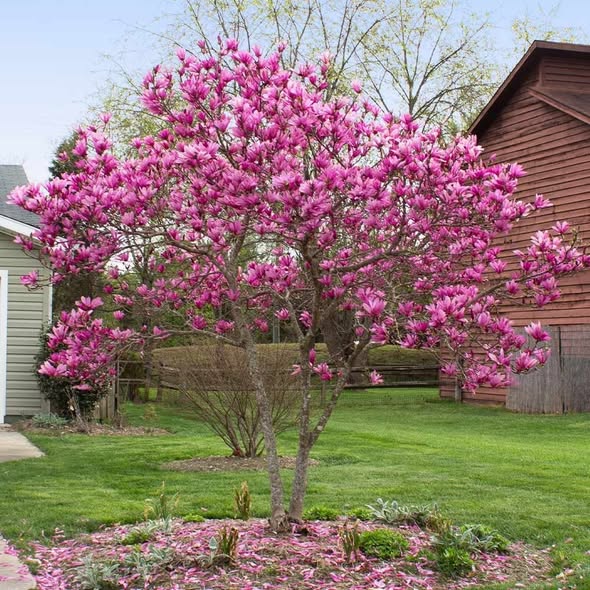
If you have walked through a spring garden and stopped to stare at a small tree covered in deep purple-red blooms, chances are you were looking at a Jane magnolia.
This compact, deciduous tree is part of the famous “Little Girl” hybrid series developed by the U.S. National Arboretum in the 1950s and 1960s. It was specifically bred to bloom later than other magnolias — a quality that protects its flowers from the unpredictable late frosts that gardeners in colder climates dread.
Jane is not just another pretty garden tree. It is a practical, space-conscious choice that works in small urban yards, suburban borders, and even large containers. But like every plant, it has real strengths and real limitations.
This article walks you through both — honestly, clearly, and with enough detail to help you decide whether Jane magnolia belongs in your landscape.
Background: What Is the Jane Magnolia?
The Jane magnolia is a hybrid cross between Magnolia liliiflora ‘Reflorescens’ and Magnolia stellata ‘Waterlily.’ It was developed by researchers William Kosar and Francis DeVos at the U.S. National Arboretum in Washington, D.C.
The eight trees in the “Little Girl” series — Jane, Ann, Betty, Judy, Randy, Ricki, Susan, and Pinkie — were all created with the same goal: produce magnolias that bloom late enough to escape frost damage while staying compact enough for residential gardens.
Jane quickly became one of the most popular of the group, prized for its bold flower color, manageable size, and reliable performance across a wide range of climates.
| Common Name | Jane Magnolia |
| Scientific Name | Magnolia × ‘Jane’ |
| Plant Type | Deciduous flowering shrub/small tree |
| Parentage | Magnolia liliiflora ‘Reflorescens’ × M. stellata ‘Waterlily’ |
| Mature Height | 10–15 feet (3–4.5 m) |
| Mature Spread | 8–12 feet (2.4–3.6 m) |
| Growth Rate | Slow to moderate (1–2 ft/year) |
| Flower Color | Deep reddish-purple exterior, pale pink-white interior |
| Bloom Time | Late spring (with occasional summer reblooms) |
| USDA Hardiness Zones | 4–8 |
| Sun Requirements | Full sun to partial shade |
| Soil Preference | Moist, well-drained, slightly acidic (pH 5.5–6.5) |
| Drought Tolerance | Moderate |
| Deer Resistance | Moderate |
| Toxicity | Non-toxic to humans; mildly toxic to pets (cats, dogs) |
| Landscape Use | Specimen plant, border, foundation planting, container |
| Lifespan | 20–50+ years with proper care |
The Pros of the Jane Magnolia Tree
Here is why this tree wins hearts in landscape and gardening.
1. Spectacular, Early-Season Blooms
Jane magnolia produces some of the most visually striking flowers of any small landscape tree. Each bloom is tulip-shaped, measuring about 3–4 inches across, and displays a rich reddish-purple on the outside with a lighter, creamy-pink interior.
The contrast is genuinely beautiful. When a fully bloomed Jane magnolia catches morning light, the effect is hard to ignore.
Flowering begins in mid to late spring — usually April to May, depending on location — and the display lasts for two to three weeks. Some gardeners also report a secondary, lighter flush of blooms in early summer, which adds continued interest beyond the primary season.
2. Late Bloom Time Protects Against Frost Damage
This is arguably Jane’s most practical advantage over older magnolia varieties like the saucer magnolia (Magnolia × soulangeana).
Because Jane blooms several weeks later, its flower buds are far less likely to be damaged by late spring frosts. Anyone who has watched a saucer magnolia’s petals turn brown overnight after a cold snap understands just how frustrating that can be.
For gardeners in USDA Zones 4–6 — where spring weather remains unpredictable well into April — this trait alone makes Jane magnolia the smarter choice.
3. Compact Size Fits Most Landscapes
Jane magnolia reaches about 10–15 feet in height and 8–12 feet in width at maturity. That is a manageable size for a wide range of garden settings.
It fits comfortably near homes, driveways, and property lines without overwhelming the space or requiring constant pruning to stay in bounds. This is a meaningful benefit in suburban areas where large trees simply are not practical.
The compact form also makes it one of the few magnolias suitable for container gardening, provided the container is large enough and watering is consistent.
4. Wide Climate Adaptability
Jane magnolia is rated for USDA Hardiness Zones 4 through 8, which covers a broad swath of North America — from the Upper Midwest to the Pacific Northwest, and from New England to the upper South.
This adaptability means more gardeners can grow it successfully without needing special winter protection or heat management. It handles cold winters reasonably well and tolerates summer heat as long as soil moisture is maintained.
5. Multi-Season Landscape Interest
Spring flowers are the headline act, but Jane magnolia offers value in other seasons too.
- Summer: Dense, dark green foliage provides shade and a lush backdrop for other plants.
- Fall: Leaves turn yellow to golden-brown before dropping, adding subtle autumn color.
- Winter: The smooth, gray bark and elegant branching structure provide quiet visual interest even after leaf drop.
A tree that contributes to the landscape across multiple seasons is always a smart investment.
6. Low Maintenance Requirements
Once established, Jane magnolia is not a demanding tree. It does not require heavy fertilization, frequent pruning, or intensive pest management.
Annual light pruning immediately after blooming is usually all it needs to maintain shape. Established trees are reasonably drought tolerant and do not need supplemental watering except during extended dry spells.
For busy gardeners or those new to trees, this low-care quality is genuinely appealing.
7. Wildlife and Pollinator Value
Jane magnolia flowers attract bees, butterflies, and other early-season pollinators at a time when many other flowering plants have not yet opened. This makes it a valuable early food source in the garden ecosystem.
In late summer and fall, the tree produces small, cone-like fruits that contain bright red seeds. Birds — particularly thrushes and robins — are attracted to these seeds, adding another layer of wildlife value.
8. Non-Toxic to Humans
Jane magnolia is not known to be toxic to humans. In fact, some magnolia species have a history of traditional medicinal use in East Asian cultures. Gardeners with young children can plant Jane magnolia without concern about human toxicity.
(Note: It does carry mild toxicity for cats and dogs, which is covered under the cons section.)
9. Good Disease Resistance
Jane magnolia does not suffer from many serious disease problems under normal garden conditions. It shows reasonable resistance to common issues like leaf spot and scale insects compared to more susceptible ornamental trees.
Good air circulation and well-drained soil are the main cultural practices that keep disease pressure low.
10. Strong Resale and Aesthetic Appeal
From a property value perspective, mature ornamental trees consistently add curb appeal. A well-placed Jane magnolia in full spring bloom creates the kind of visual impression that makes a property memorable.
Real estate professionals regularly note that mature flowering trees increase a home’s perceived value and attractiveness to buyers.
The Cons of the Jane Magnolia Tree
Here are key drawbacks:
1. Slow Growth Rate
Jane magnolia grows at a slow to moderate pace — typically 1 to 2 feet per year under good conditions. For gardeners who want quick results or fast screening, this can be a real source of frustration.
If you plant a young sapling, expect to wait several years before it fills out and becomes a true landscape feature. Patience is genuinely required.
Purchasing a larger nursery specimen helps, but it also significantly increases the upfront cost.
2. Flower Petal Drop Creates Cleanup Work
The blooms are magnificent while they last, but they do not fall cleanly. Magnolia petals drop in large, heavy pieces that can be slippery on paved surfaces and messy on lawns.
During peak bloom and the few weeks that follow, regular cleanup is needed. For trees planted near walkways, driveways, or patios, this is a practical inconvenience that should be factored into placement decisions.
3. Shallow, Sensitive Root System
Jane magnolia has a shallow, fleshy root system that is sensitive to soil disturbance and competition. Heavy foot traffic near the base, nearby lawn mowing, or aggressive cultivation can damage the roots, leading to stress, dieback, or decline.
This means it is not ideal for high-traffic areas of the garden. A maintained mulch ring around the base — at least 2–3 feet in radius — is essential to protect the root zone.
4. Mildly Toxic to Pets
While safe for humans, Jane magnolia does pose a mild toxicity risk to cats and dogs. Ingestion of the leaves, flowers, or bark can cause gastrointestinal upset, vomiting, and lethargy in pets.
For households with dogs or cats that spend unsupervised time outdoors, this is a legitimate concern worth considering before planting.
5. Specific Soil Requirements
Jane magnolia performs best in moist, well-drained, slightly acidic soil with a pH of around 5.5 to 6.5. It does not tolerate waterlogged, compacted, or heavily alkaline soil well.
In areas with heavy clay soil or high soil pH — common in many parts of the Midwest and West — amendments are necessary before planting, and ongoing pH management may be required to keep the tree healthy.
This adds cost and effort compared to more soil-tolerant species.
6. Not Fully Drought Tolerant
While established Jane magnolias can handle short dry periods, they are not truly drought-tolerant trees. During hot summers or extended drought, wilting, leaf scorch, and premature leaf drop can occur without supplemental irrigation.
In warmer climates at the edge of Zone 8, or in regions with low summer rainfall, consistent watering is a real commitment.
7. Limited Shade Production
Because Jane magnolia stays relatively small and has a somewhat open canopy, it does not provide significant shade. Gardeners hoping for a shade tree will be disappointed.
It functions best as a specimen or accent plant — something to look at — rather than a functional shade provider.
8. Occasional Pest Issues
While generally pest-resistant, Jane magnolia can attract certain insects under stress conditions. Scale insects, magnolia borers, and thrips have been reported on stressed or poorly sited trees.
The best prevention is proper placement — full sun to part shade, good soil drainage, and adequate moisture. Stressed trees are always more vulnerable.
9. Short Primary Bloom Window
The breathtaking spring flower display that makes Jane magnolia so attractive lasts only two to three weeks. After that, the flowers are gone until the occasional secondary bloom in summer (which is far less showy).
For gardeners expecting prolonged seasonal color, this brief bloom period can feel like a letdown after the initial excitement.
10. Can Be Expensive at the Nursery
Because Jane magnolia grows slowly, larger, nursery-grown specimens take many years to produce. This makes them relatively expensive to purchase compared to faster-growing ornamental trees of similar size.
A 5–6 foot specimen can cost $80–$200 or more depending on region and nursery. For budget-conscious gardeners, this is a meaningful consideration.
Where Does Jane Magnolia Grow Best?
Jane magnolia performs best when planted in a location that receives at least 4–6 hours of direct sunlight daily, with some afternoon shade in warmer climates to reduce heat stress.
The ideal planting site has:
- Well-drained, slightly acidic soil
- Protection from strong winter winds, which can damage flower buds
- Enough space to accommodate the mature spread of 8–12 feet without crowding
- A maintained mulch ring to protect the root zone and retain soil moisture
It works beautifully as a lawn specimen, border anchor, foundation plant, or patio container tree. It pairs well with spring bulbs, ornamental grasses, and low-growing perennials that complement its bloom time.
How to Care for a Jane Magnolia Tree
Watering: Water deeply once or twice a week during the first two growing seasons. Reduce frequency once established, but water during dry spells.
Mulching: Apply a 2–3 inch layer of organic mulch around the base, keeping it away from the trunk. This conserves moisture, moderates soil temperature, and protects roots.
Fertilizing: Use a slow-release, acidic fertilizer in early spring. Avoid over-fertilizing, which can stimulate weak growth and reduce flowering.
Pruning: Prune lightly immediately after flowering in late spring. Avoid heavy pruning in fall or early spring, as this can remove next year’s flower buds.
Winter care: In Zone 4 and 5, a layer of mulch over the root zone before winter helps protect shallow roots from hard freezes.
Jane Magnolia vs. Other Popular Magnolias: A Quick Comparison
| Feature | Jane Magnolia | Saucer Magnolia | Star Magnolia |
| Mature Height | 10–15 ft | 20–30 ft | 15–20 ft |
| Bloom Time | Late spring | Early spring | Very early spring |
| Frost Risk | Low | High | Very high |
| Flower Color | Purple-red / pink | Pink-white | White/pink |
| Space Needed | Small | Large | Medium |
| Container-Friendly | Yes | No | Marginally |
| Best Zone Range | 4–8 | 4–9 | 4–9 |
The comparison makes clear that Jane magnolia fills a specific niche — a compact, frost-resilient, visually bold choice for gardeners who want magnolia beauty without committing to a large tree or accepting high frost risk.
Is Jane Magnolia Right for You?
Jane magnolia is an excellent choice if:
- You have a small to medium-sized garden and need a specimen tree that stays compact
- You live in a cold climate (Zones 4–6) where late frosts frequently damage early-blooming magnolias
- You want a low-maintenance ornamental tree with multi-season appeal
- You value wildlife-friendly plants that support pollinators and birds
It may not be the best choice if:
- You need fast results or a quick-growing shade tree
- Your soil is heavily alkaline or prone to waterlogging
- You have pets that roam freely in the garden
- You want a long, continuous bloom season rather than a brief spring spectacle
Final Thoughts
The Jane magnolia is one of the most thoughtfully bred ornamental trees available to home gardeners. It was designed to solve real problems — late frost vulnerability and space constraints — and it does that job well.
I find it genuinely hard not to admire a tree that delivers such bold, early-season drama while staying manageable and relatively low-care. The cons are real but mostly manageable with proper siting and basic care.
If you plant it in the right spot, give it good soil, and protect its root zone, Jane magnolia will reward you with decades of reliable beauty. That, to my mind, is the mark of a truly worthwhile garden investment.
References
- NC State Extension — Magnolia liliiflora (Lily Magnolia) North Carolina State University Cooperative Extension Plant Toolbox https://plants.ces.ncsu.edu/plants/magnolia-liliiflora/
- University of Florida IFAS Extension — Magnolia spp.: Magnolia Environmental Horticulture Department, University of Florida https://hort.ifas.ufl.edu/shrubs/MAGSPP.PDF
- University of Wisconsin-Madison Extension — Magnolias for Wisconsin Landscapes Division of Extension, University of Wisconsin-Madison https://hort.extension.wisc.edu/articles/magnolias/
- University of Maryland Extension — Growing Magnolias Home & Garden Information Center, University of Maryland https://extension.umd.edu/resource/magnolias
- Cornell University — Woody Plants Database: Magnolia Department of Horticulture, Cornell University College of Agriculture and Life Sciences https://www.hort.cornell.edu/department/faculty/dirr/woody_plants/magnolia.html

Tim M Dave is a gardening expert with a passion for houseplants, particularly cacti and succulents. With a degree in plant biology from the University of California, Berkeley, he has vast experience in gardening. Over the years, he has cultivated a vast collection of desert plants and learned a great deal about how to grow and care for these unique companions.