12 Common Jacaranda Tree Problems: Identify and Fix Before It’s Too Late
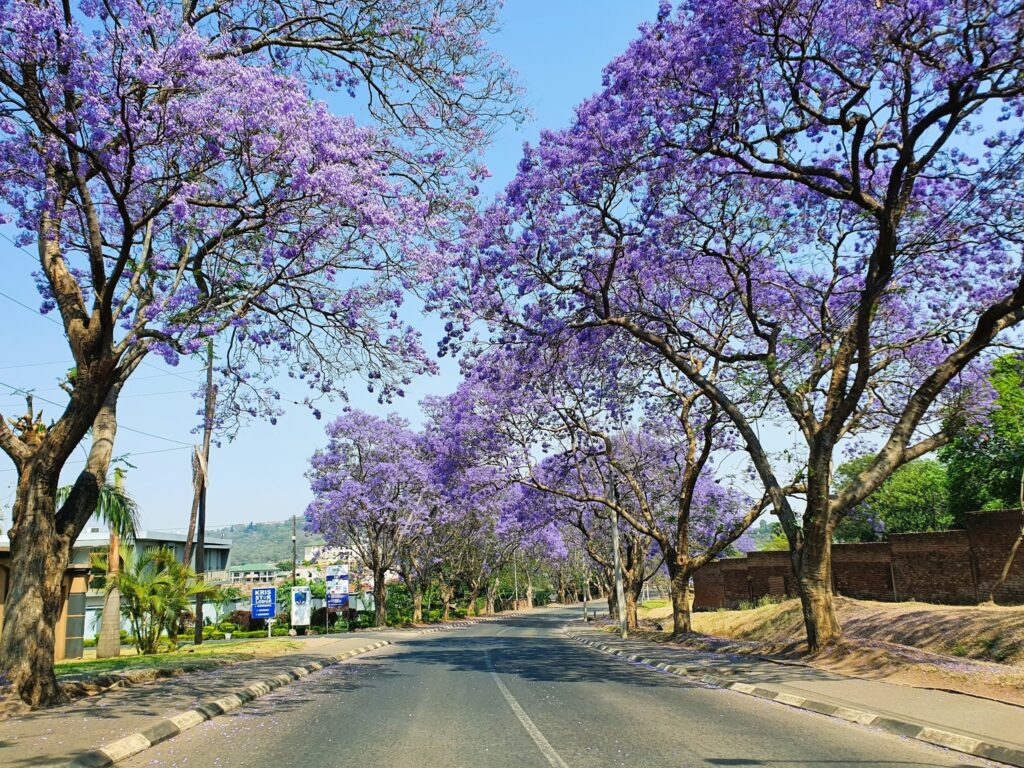
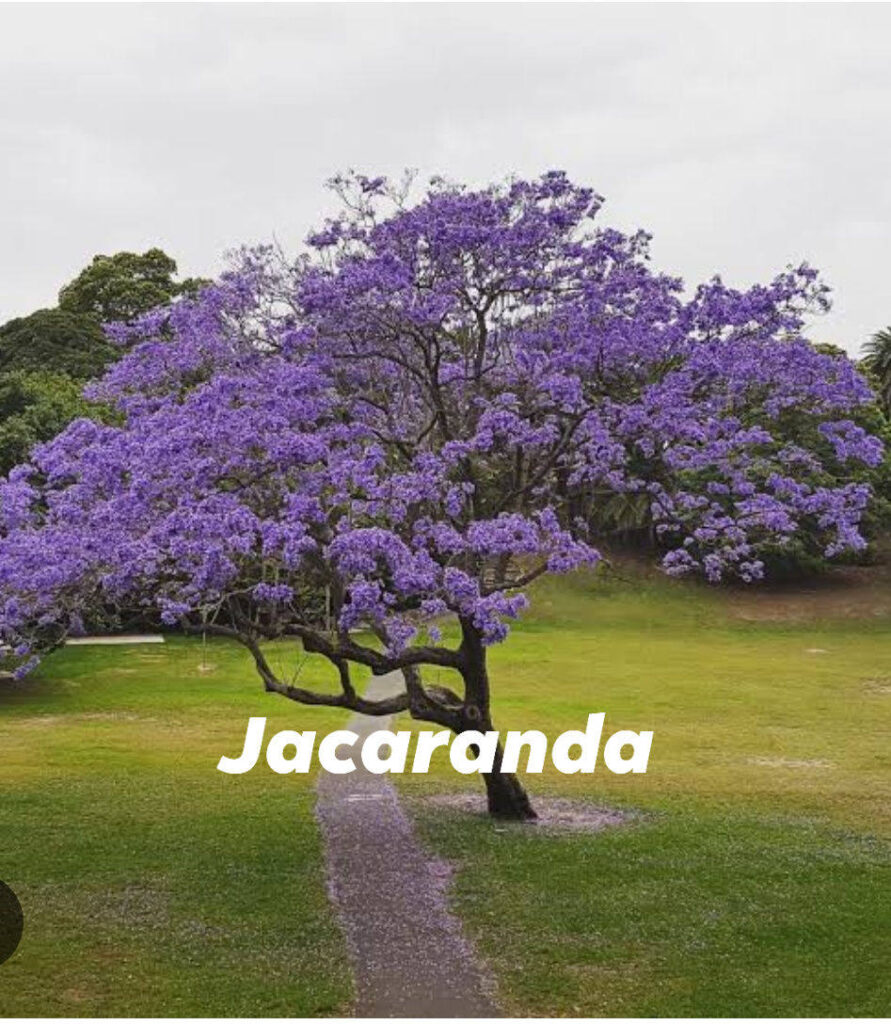
Few trees command attention the way a jacaranda does in full bloom. That canopy of violet-blue flowers, draping over streets and gardens like a living painting, is one of the most recognizable sights in warm-climate horticulture. It is the kind of tree people plan road trips around.
But behind that spectacular display, jacaranda trees carry a set of vulnerabilities that can surprise even experienced gardeners. In the wrong conditions — or with the wrong care — these trees can struggle considerably.
Understanding jacaranda tree problems is not just about saving a sick plant. It is about protecting a long-term investment and a genuine landscape centerpiece.
This article covers the most common problems affecting jacaranda trees, from fungal diseases and pest infestations to structural and environmental stressors.
A Brief Portrait of the Jacaranda
The jacaranda (Jacaranda mimosifolia) is a fast-growing deciduous to semi-evergreen tree native to northwestern Argentina and Bolivia. It has naturalized widely across subtropical and tropical regions — from South Africa and Australia to the southern United States, Spain, and Southeast Asia.
In ideal conditions, a mature jacaranda can reach 25 to 50 feet in height with a broad, spreading canopy. It produces its signature purple-blue panicles of tubular flowers in late spring to early summer, often before the fern-like compound leaves fully emerge. The visual effect is extraordinary.
It is hardy in USDA zones 9b through 11, though it can survive briefly in zone 9a with protection. Outside these zones, cold is the first and most decisive problem it faces.
Common Jacaranda Tree Problems
1. Frost and Cold Damage
This is the most immediate and visually obvious problem for jacarandas planted outside their hardiness range. Jacaranda is highly frost-sensitive, particularly when young. Even a light frost can damage new growth, blacken foliage, and kill back tender branch tips.
In mature trees, a single hard freeze can cause dieback of the entire canopy, though established trees with thick trunks sometimes re-sprout from the base if roots survive. Young trees under three years old are especially vulnerable — a hard frost during their first winter can kill them outright.
What to look for:
- Blackened or wilted foliage following cold nights
- Die-back of shoot tips and young branches
- Bark splitting on the trunk from freeze-thaw cycles
- Failure to re-leaf in spring after a cold winter
Management:
In marginal zones, plant in a sheltered south-facing position near a wall or structure that retains heat. Cover young trees with frost cloth on cold nights. Avoid pruning in late summer, which stimulates new growth that is particularly vulnerable to early frost. In containers, bring trees indoors before temperatures drop below 25°F (-4°C).
2. Root Rot (Phytophthora spp.)
Root rot is one of the most serious and irreversible jacaranda problems, and it is almost always a consequence of poor drainage or chronic overwatering. The pathogens responsible — primarily species of Phytophthora — are water molds that thrive in saturated soils.
Once established in the root system, they destroy the fine feeder roots and eventually invade the crown, cutting off the tree’s ability to absorb water and nutrients. The cruelest aspect of this disease is that its symptoms often mimic drought stress.
Symptoms include:
- Yellowing or wilting leaves despite moist soil
- Gradual or sudden canopy dieback
- Dark, water-soaked patches at the base of the trunk
- Soft, discolored roots that pull away easily from the soil
- Foul smell near the crown or roots in advanced cases
By the time these signs appear, substantial root damage has already occurred. There is no reliable cure once Phytophthora is well established. Prevention is the only effective strategy.
Management:
Plant jacaranda in well-draining soil. Avoid low-lying areas or spots where water pools after rain. Never allow irrigation water to collect around the trunk. If planting in clay-heavy soil, amend heavily or raise the planting area. Ensure the root flare remains exposed above the soil line at all times.
3. Mushroom Root Rot (Armillaria mellea)
Armillaria root rot, also called oak root fungus or honey fungus, is a soil-borne fungal disease caused by Armillaria mellea and related species. It is an aggressive pathogen that affects hundreds of woody plants worldwide, and jacaranda is unfortunately among its hosts.
Armillaria spreads through the soil via rhizomorphs — dark, root-like fungal structures that can travel considerable distances underground to infect new hosts. It attacks the roots and base of the trunk, causing decay of the cambium layer beneath the bark.
Identifying signs include:
- Clusters of honey-colored mushrooms at the base of the tree in autumn
- White fan-shaped mycelial mats beneath the bark at the root collar
- Progressive wilting and yellowing of the canopy
- Resin soaking or dark discoloration at the base of the trunk
Unlike many fungal diseases, Armillaria can persist in dead roots in the soil for years, making soil replacement or fumigation the only way to reliably eliminate it. Most affected trees decline steadily and cannot be saved once the crown is girdled.
Management: Remove and destroy infected root material and stumps. Improve soil drainage. Avoid replanting susceptible species in heavily infested soil for several years. There are no effective fungicide treatments for established Armillaria infections.
4. Powdery Mildew
Powdery mildew is a common but generally non-lethal fungal problem in jacaranda. It appears as a white, powdery coating on the leaves and young shoots, typically in late summer or early autumn when warm days and cool nights create ideal conditions for spore germination.
In jacaranda, powdery mildew most frequently affects trees growing in shaded or crowded locations with poor air circulation. Young trees and recently fertilized trees producing abundant soft growth are particularly susceptible.
Heavy infections cause leaf distortion, premature leaf drop, and reduced photosynthesis. While mature trees usually recover without lasting harm, repeated severe infections over multiple growing seasons can progressively weaken a tree.
Management:
Improve air circulation through selective pruning. Avoid excessive nitrogen fertilization, which encourages the soft, lush growth that mildew prefers. Apply neem oil, potassium bicarbonate, or sulfur-based fungicides at the first sign of infection.
Avoid overhead watering, especially in the evening. Full sun exposure naturally reduces mildew pressure.
5. Cercospora Leaf Spot
Cercospora leaf spot is a fungal disease caused by species in the genus Cercospora. It produces small, circular to irregular spots on the foliage — typically tan or grayish in the center with darker, often purplish borders. In severe cases, spots coalesce, causing extensive leaf yellowing and early defoliation.
This disease is most active during warm, humid weather with frequent rain or overhead irrigation. The fungus overwinters in infected plant debris and splashes onto new growth during wet conditions.
While Cercospora leaf spot rarely kills a healthy jacaranda outright, it can significantly reduce the tree’s vigor and visual appeal over time. Trees that drop their leaves repeatedly may fail to store adequate energy reserves for flowering the following year.
Management:
Remove and dispose of fallen leaves promptly. Avoid overhead irrigation. Improve air circulation within the canopy through strategic pruning. Fungicide applications containing chlorothalonil or copper-based products can provide protection when applied preventively during periods of wet weather.
6. Bacterial Leaf Scorch and Xylella
Xylella fastidiosa is a bacterial pathogen that has emerged as a serious concern for a broad range of ornamental and agricultural plants worldwide. It infects the xylem tissue, physically blocking water movement within the tree. Jacaranda is among the known hosts.
The disease is spread by xylem-feeding insects, primarily sharpshooter leafhoppers. Once inside the vascular system, there is no effective cure.
Symptoms progress as follows:
- Browning and scorching of leaf margins, beginning on older leaves
- Symptoms advancing inward from the leaf edge over time
- Progressive dieback from the outer canopy inward
- Decline over multiple seasons, usually resulting in death
Management:
Control sharpshooter leafhoppers to reduce transmission risk. Remove and destroy infected trees to prevent spread. In regions where Xylella is known to be present — including parts of California, Florida, and much of Southern Europe — monitor regularly. There is currently no cure for infected trees.
7. Jacaranda Mosaic Virus
Jacaranda mosaic virus is a less frequently discussed but documented problem. Affected trees display a mottled, mosaic pattern of yellowing and dark green patches on the foliage, sometimes accompanied by leaf distortion or stunted growth.
The virus is typically spread through infected plant material, grafting tools, or sap-feeding insects including aphids. There is no cure once a plant is infected. The priority becomes preventing spread to other susceptible plants.
Management: Purchase virus-free planting stock from reputable nurseries. Disinfect pruning tools between trees. Control aphid populations. Remove and destroy severely affected plants.
8. Scale Insects and Mealybugs
Scale insects and mealybugs are among the most persistent sap-feeding pests affecting jacaranda trees. Several scale species — including soft brown scale (Coccus hesperidum) and cottony cushion scale (Icerya purchasi) — are commonly reported on jacaranda in subtropical and tropical regions.
These insects attach to stems, branches, and leaf undersides, extracting plant sap continuously. Heavy infestations cause yellowing foliage, branch dieback, and general decline in vigor. Like scale insects elsewhere, they excrete honeydew — a sticky substance that promotes the growth of sooty mold on leaves and surfaces beneath the tree.
Sooty mold blocks sunlight from reaching leaf surfaces, further reducing photosynthesis and compounding the stress on the tree.
Management:
Encourage natural predators — particularly ladybird beetles and parasitic wasps — by minimizing broad-spectrum insecticide use. Horticultural oil or insecticidal soap applied during the crawler stage (when young insects are mobile and unprotected) is effective.
For severe infestations, systemic insecticides applied as a soil drench can provide longer-lasting control. Address sooty mold by eliminating the scale infestation — the mold will naturally disappear once honeydew production stops.
9. Aphids
Aphids are small, soft-bodied insects that cluster on new growth, flower buds, and the undersides of leaves. In jacaranda, they frequently target the tender new flush of foliage and young shoots in spring. Like scale insects, they feed on sap and excrete honeydew, leading to sooty mold issues.
Heavy aphid populations cause leaf curl, distorted growth, and premature leaf drop. Young trees are more severely affected than mature, established specimens.
Management:
In many cases, a strong jet of water is sufficient to dislodge aphid colonies. Insecticidal soap or neem oil is effective for heavier infestations. Avoid excessive nitrogen fertilization, which promotes the soft new growth that aphids prefer.
Natural predators — lacewings, ladybirds, and hoverflies — provide excellent biological control when pesticide use is minimized.
10. Witches’ Broom
Witches’ broom in jacaranda presents as dense, abnormal clusters of thin, twiggy growth at branch tips, giving affected areas a broom-like appearance. It can be caused by several agents, including phytoplasma infections, certain fungi, mites, or virus-like pathogens.
The affected growth is typically stunted, with small, pale leaves and an overall reduction in vigor. In some cases, the condition spreads slowly through the canopy over time.
Management:
Prune out affected branches well below the visible abnormal growth, disinfecting tools between cuts. Dispose of pruned material away from the garden. If the condition is widespread and progressive, the tree may need to be removed to prevent spread of any underlying infectious agent to neighboring plants.
11. Nutrient Deficiencies
Jacaranda growing in alkaline or poor soils commonly shows signs of nutrient deficiency. Chlorosis — yellowing of the foliage while the veins remain green — is typically a sign of iron or manganese deficiency in high-pH soils. The nutrients are present but chemically unavailable to the plant.
Nitrogen deficiency presents as uniform pale yellowing of older leaves, reduced growth, and poor flowering. Phosphorus and potassium deficiencies are less common but can occur in very sandy or depleted soils.
In my experience, chlorosis is frequently misdiagnosed as a disease when it is entirely a soil chemistry issue.
Management:
Test your soil before planting and annually if problems appear. Adjust soil pH downward with elemental sulfur if necessary. Apply chelated iron or foliar micronutrient sprays for immediate symptom relief. Use a balanced slow-release fertilizer that includes micronutrients to address broader deficiency patterns.
12. Structural and Wind Damage
Mature jacaranda trees develop a broad, spreading, somewhat irregular canopy that can become a structural liability in exposed or windy sites. The wood of jacaranda is moderately brittle, and large limbs are prone to splitting at narrow branch unions or breaking in strong winds.
This is a problem that is also partly self-inflicted by improper pruning. Topping jacaranda — cutting back the main branches indiscriminately — is unfortunately common practice in urban settings. It creates multiple weakly attached, fast-growing vertical shoots at each cut, which are highly susceptible to breakage and disease entry.
Management:
Train young trees to a single dominant leader with wide-angled scaffold branches. Avoid heavy pruning. Remove crossing or structurally weak limbs early. In exposed coastal or windy sites, plant behind a windbreak or near a sheltering structure. Consult a certified arborist for any major structural work on mature trees.
Growing Jacaranda Right: The Conditions It Genuinely Needs
Preventing most of the problems above starts with the right site and the right care. Here is what jacaranda genuinely thrives under.
Climate and Hardiness
Jacaranda belongs in USDA zones 9b through 11. It needs long, warm summers and mild winters to develop properly and flower consistently. It performs best where winter temperatures rarely fall below 25°F (-4°C). In marginal zones, it may survive but will flower erratically and remain perpetually vulnerable to cold events.
The best flowering occurs in areas with a distinct dry season preceding bloom time — consistently wet, tropical climates with no dry period often produce lush foliage but disappointing flower displays.
Sunlight
Full sun is non-negotiable. Jacaranda needs a minimum of six to eight hours of direct sunlight daily. Trees grown in shade produce weak, elongated growth, flower poorly, and are significantly more vulnerable to fungal diseases including powdery mildew and Cercospora.
Plant in the most open, sun-exposed position available. Avoid planting near tall buildings, walls, or dense vegetation that will eventually shade the canopy as the tree matures.
Soil
Well-draining, slightly acidic to neutral soil (pH 5.5 to 7.0) is ideal. Jacaranda is tolerant of poor, sandy soils — in fact, it often flowers more prolifically under mild nutrient stress than in rich, heavily fertilized soils. What it cannot tolerate is waterlogged or compacted soil.
Heavy clay soils must be amended or raised beds created. The root zone must drain freely at all times. Standing water for even brief periods after rain is a warning sign.
Watering
Established jacaranda trees are moderately drought-tolerant and need far less water than most gardeners assume. Regular deep watering during the first two to three years of establishment is important. After that, supplemental irrigation should be reserved for extended dry periods.
Overwatering is a far more common problem than underwatering in established trees. Once the root system is developed, jacaranda prefers to dry out somewhat between waterings. Soggy soil promotes both root rot and Phytophthora infection.
Fertilization
Jacaranda does not benefit from heavy feeding. In fact, excess nitrogen reduces flowering by promoting vegetative growth at the expense of blooms. If fertilization is needed, apply a low-nitrogen, high-phosphorus fertilizer in late winter to support flower development.
Avoid fertilizing after midsummer — it pushes new growth that will be damaged by autumn frosts.
In nutrient-poor sandy soils, an annual application of a balanced slow-release fertilizer in early spring is appropriate. In average garden soils, jacaranda often requires little to no supplemental fertilization.
Pruning
Prune jacaranda sparingly and with purpose. The best time is late winter, just before new growth begins. Remove dead or crossing branches, improve the central structure, and clear any branches growing toward infrastructure. Never top or heavily cut back the main branches — it disfigures the tree and creates structural weakness.
Young trees benefit from early formative pruning to develop a well-spaced framework of scaffold branches. Leave mature trees as undisturbed as possible.
Spacing and Placement
Give jacaranda space. Its spreading canopy and surface-feeding roots need room to develop without competition. Plant at least 15 to 20 feet from structures, pavement, and underground utilities. The roots can lift paving and invade irrigation lines. The fallen flowers — while beautiful — create a slippery surface on pavement and a heavy blanket over ground cover plants. Factor in these realities at planting time.
Choosing a Good Specimen
When selecting a jacaranda at the nursery, look for a tree with a single straight trunk, well-spaced lateral branches, and no visible signs of bark damage, lesions, or cankers. Avoid trees with circling roots in the container, girdled trunks, or yellowing foliage.
The cultivar ‘Blue Mist’ is a notable compact selection suited to smaller gardens, while ‘Alba’ offers white flowers as an alternative to the typical violet-blue. For most gardeners, however, the straight species (Jacaranda mimosifolia) remains the most widely available and reliable option.
Suggested For You:
15 Common Types of Jacaranda Trees: A Comprehensive Guide
15 Fast Growing Shade Trees for Garden: A Complete Guide
20 Best Flowering Trees for Garden UK: A Complete Guide
20 Low Maintenance Garden Trees for Beginners: A Complete Guide
15 Stunning Trees with Blue Flowers: A Complete Guide
Final Thoughts
The jacaranda rewards patience and preparation. Most of the problems described in this article are either preventable through correct site selection and planting technique, or manageable through timely and targeted intervention.
The trees that develop serious problems are usually those planted in the wrong climate, watered too heavily, placed in poor-draining soil, or left to cope with an infrastructure conflict that a little foresight could have avoided.
Get the fundamentals right, and a jacaranda will be one of the most spectacular trees you ever grow — flowering reliably for decades and becoming the defining landmark of an entire neighborhood.
References
- University of Florida IFAS Extension — Jacaranda mimosifolia: Jacaranda University of Florida, Institute of Food and Agricultural Sciences https://edis.ifas.ufl.edu/publication/ST306
- University of California Agriculture and Natural Resources — Xylella fastidiosa and Sharpshooter Leafhoppers UC ANR Statewide Integrated Pest Management Program https://ipm.ucanr.edu/PMG/PESTNOTES/pn7500.html
- University of California Cooperative Extension — Armillaria Root Rot (Oak Root Fungus) UC IPM Online, University of California Division of Agriculture and Natural Resources https://ipm.ucanr.edu/PMG/GARDEN/PLANTS/DISEASES/armillaria.html
- Texas A&M AgriLife Extension — Jacaranda (Jacaranda mimosifolia) Texas A&M University System, College of Agriculture and Life Sciences https://aggie-horticulture.tamu.edu/plantanswers/trees/jacaranda.html
- North Carolina State University Extension — Jacaranda mimosifolia Plant Profile NC State Extension Gardener Plant Toolbox, College of Agriculture and Life Sciences https://plants.ces.ncsu.edu/plants/jacaranda-mimosifolia/

Tim M Dave is a gardening expert with a passion for houseplants, particularly cacti and succulents. With a degree in plant biology from the University of California, Berkeley, he has vast experience in gardening. Over the years, he has cultivated a vast collection of desert plants and learned a great deal about how to grow and care for these unique companions.