8 Reasons Your Hydrangeas Did Not Bloom This Season + What to Do Next
Hydrangeas are beloved across the U.S. for their versatility and stunning blooms. From the classic bigleaf hydrangea (Hydrangea macrophylla) to the hardy panicle hydrangea (Hydrangea paniculata), these shrubs thrive in many climates, from the humid Southeast to the cooler Northeast.
But each type has unique needs, and understanding your hydrangea’s variety is the first step to solving bloom issues. Based on my experience, I’ll walk you through the top reasons your hydrangea didn’t bloom and how to troubleshoot.
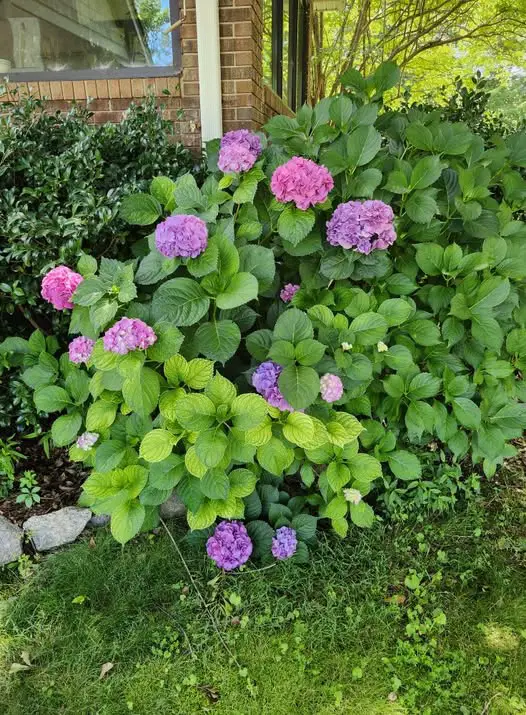
I grow Hydrangea macrophylla in my backyard, and let me tell you, it’s a learning curve! Some hydrangeas bloom on old wood (last year’s growth), others on new wood (this year’s growth), and some even do both. Knowing your plant’s type helps pinpoint why it’s not blooming. For example:
- Bigleaf and Oakleaf Hydrangeas: Bloom on old wood.
- Panicle and Smooth Hydrangeas: Bloom on new wood.
- Endless Summer Series: Can bloom on both old and new wood.
If you’re unsure of your hydrangea’s type, check the tag from when you bought it or observe its leaves and growth pattern. This knowledge is crucial for troubleshooting.
Top Reasons Your Hydrangea Didn’t Bloom
Let’s break down the most common culprits behind a bloomless hydrangea. I’ll share insights from my own gardening mishaps and expert advice to help you diagnose the issue.
1. Improper Pruning
Pruning is where I messed up the first time I grew hydrangeas. I thought cutting back my bigleaf hydrangea in fall would encourage growth, but I ended up snipping off next year’s flower buds! Hydrangeas that bloom on old wood, like bigleaf and oakleaf varieties, form buds in late summer or fall for the next season.
If you prune too much or at the wrong time, you’re literally cutting away your blooms.
Signs that improper pruning is the issue
- Your hydrangea has healthy leaves but no buds or flowers.
- You pruned heavily in late summer, fall, or early spring.
Solution
- For old-wood bloomers, prune lightly right after flowering (usually mid-summer).
- For new-wood bloomers like panicle or smooth hydrangeas, prune in late winter or early spring.
- If you’re unsure, skip pruning for a year and observe.
2. Wrong timing for pruning
Even if you prune correctly, timing matters. I learned this the hard way when I trimmed my Hydrangea macrophylla in early spring, thinking it was safe. Nope! The buds were already set, and I sabotaged my bloom season. Timing varies by region in the U.S.:
- In warmer climates (USDA Zones 7–9, like parts of California or Georgia), you might prune earlier.
- In colder zones (Zones 4–6, like Minnesota or New York), wait until late winter for new-wood varieties.
Solution
- Check your USDA Hardiness Zone (find it at planthardiness.ars.usda.gov).
- For old-wood hydrangeas, prune within a month after blooms fade.
- For new-wood varieties, prune before new growth starts in spring.
3. Insufficient Sunlight
Hydrangeas need the right balance of sun and shade. My neighbor planted her bigleaf hydrangea under a dense maple tree, and while it looked lush, it never bloomed. Most hydrangeas need 4–6 hours of sunlight daily, with some shade in hotter climates.
Too much shade, and they won’t produce flowers; too much sun, and they can stress out.
Signs that sunlight is the issue
- Your plant is in a heavily shaded spot (less than 4 hours of sun).
- Leaves look healthy, but buds are scarce or nonexistent.
Solution
- Relocate your hydrangea to a spot with morning sun and afternoon shade, especially in warmer states like Texas or Florida.
- If moving isn’t an option, thin out nearby trees or shrubs to let more light in.
- Panicle hydrangeas tolerate more sun, so consider them for sunnier yards in places like Arizona.
4. Nutrient Imbalances
Hydrangeas are hungry plants, but too much or too little fertilizer can prevent blooming. I once over-fertilized with a high-nitrogen mix, and my hydrangea grew massive leaves but no flowers. Nitrogen promotes foliage, while phosphorus and potassium support blooms.
Signs that nutrient imbalance is the Issue
- Lush, green leaves but no blooms.
- You’ve been using a general-purpose fertilizer high in nitrogen.
Solution
- Use a balanced fertilizer like 10-10-10 or one formulated for flowering shrubs like 5-10-10, in early spring.
- Avoid fertilizing after mid-summer to prevent stressing the plant.
- Test your soil’s pH. Hydrangeas prefer slightly acidic soil (pH 5.5–6.5 for most varieties). In alkaline soils, common in parts of the Midwest, nutrients like phosphorus become less available.
5. Watering Issues
Hydrangeas love water—hence the name, derived from “hydra” (Greek for water). But overwatering or underwatering can stop blooms. In my first year, I didn’t water consistently during a hot Chicago summer, and my plant went into survival mode, skipping flowers entirely.
Signs that watering is the issue
- Wilting leaves or dry, crispy leaf edges (underwatering).
- Yellowing leaves or soggy soil (overwatering).
Solution
- Water deeply 1–2 times per week, ensuring the soil stays moist but not waterlogged.
- Mulch around the base with 2–3 inches of organic material (like bark or compost) to retain moisture, especially in dry regions like California.
- In humid areas like Louisiana, ensure good drainage to avoid root rot.
6. Cold Weather or Frost Damage
Living in a colder climate? Late frosts or harsh winters can kill flower buds, especially for old-wood bloomers. I remember a brutal spring frost that zapped my hydrangea’s buds. Bigleaf hydrangeas are particularly sensitive in Zones 4–5 (think Michigan or Wisconsin).
Signs weather is the issue:
- Buds formed but turned brown or black in spring.
- You live in a region with unpredictable spring frosts.
Solution
- Plant cold-hardy varieties like Hydrangea paniculata or Hydrangea arborescens in northern states.
- Cover plants with burlap or frost cloth during late spring frosts.
- Mulch heavily in fall to insulate roots in colder climates.
7. Young or Stressed Plants
Sometimes, hydrangeas need time to mature. Newly planted shrubs may take 1–2 years to establish before blooming. I planted a young Hydrangea quercifolia and waited two seasons for flowers—it was worth it! Stress from transplanting, poor soil, or competition with nearby plants can also delay blooms.
Signs that plant age is the issue
- Your hydrangea is less than 2 years old.
- It was recently transplanted or divided.
Solution
- Be patient with young plants. Focus on root establishment with consistent watering and light fertilization.
- Avoid planting near aggressive trees or shrubs that compete for nutrients.
8. Pest and Disease Problems
Pests like aphids or diseases like powdery mildew can weaken hydrangeas, reducing blooms. I once found spider mites on my plant during a dry spell—tiny but destructive! Fungal diseases are common in humid regions like the Southeast.
Signs that pests and disease are the issue
- Sticky residue or small insects on leaves (aphids).
- White powdery coating on leaves (powdery mildew).
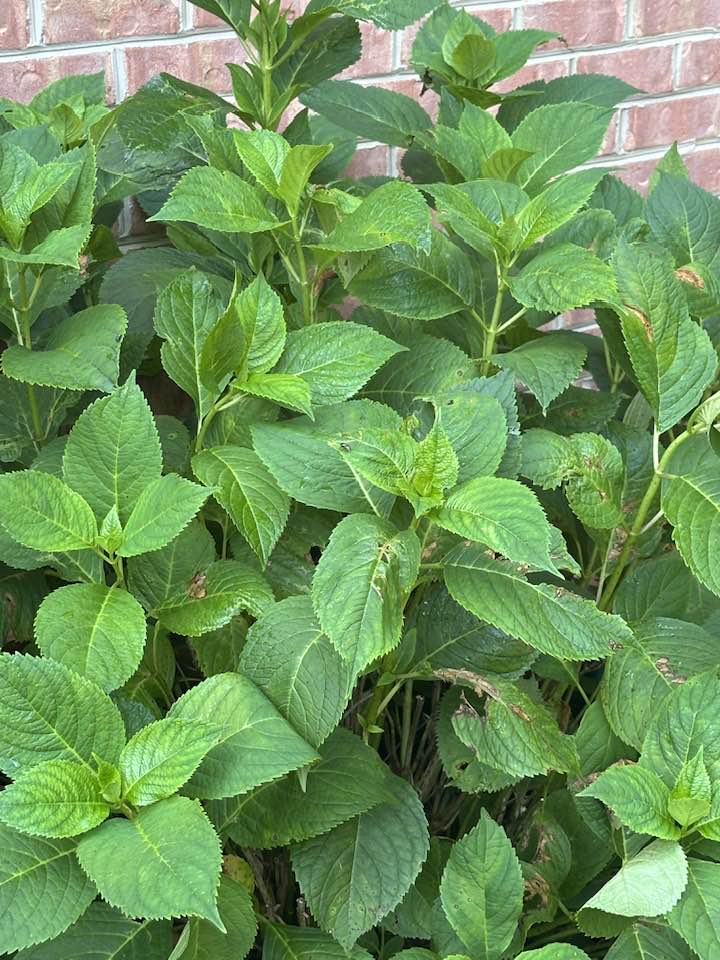
- Discolored or spotted leaves.
Solution
- Spray pests with neem oil or insecticidal soap, available at most garden centers.
- Improve air circulation by pruning overcrowded branches.
- Treat fungal issues with a fungicide labeled for hydrangeas, following package instructions.
How to Get Your Hydrangeas Blooming Again
Now that you’ve identified the problem, let’s fix it.
- Assess your plant type: Confirm whether your hydrangea blooms on old or new wood. Check the plant tag or research your variety online.
- Adjust pruning practices:
- For old-wood bloomers, prune lightly after flowering.
- For new-wood bloomers, prune in late winter.
- If unsure, avoid pruning for a season and monitor.
- Optimize light and location:
- Ensure 4–6 hours of sunlight daily, with afternoon shade in hot climates.
- Relocate or thin surrounding plants if shade is excessive.
- Balance nutrition:
- Apply a phosphorus-rich fertilizer (e.g., 5-10-10) in early spring.
- Test soil pH and amend with sulfur (to lower pH) or lime (to raise pH) if needed.
- Water wisely:
- Water deeply but infrequently, keeping soil moist.
- Add mulch to retain moisture and regulate soil temperature.
- Protect from weather:
- Use frost cloth during late spring frosts in colder zones.
- Mulch heavily in fall for winter protection.
- Monitor for pests and diseases:
- Inspect leaves regularly for pests or fungal signs.
- Treat promptly with organic or chemical controls as needed.
- Give young plants time:
- Focus on root health for the first 1–2 years.
- Avoid over-fertilizing or stressing the plant.
Frequently Asked Questions (FAQs)
Q: Why does my hydrangea have leaves but no flowers?
A: This is often due to improper pruning, insufficient sunlight, or nutrient imbalances. Check if you pruned at the wrong time (especially for old-wood bloomers) or if the plant is in too much shade. Use a phosphorus-rich fertilizer to encourage blooms.
Q: Can I make my hydrangea bloom this year if it didn’t?
A: If buds were damaged or pruned off, blooming this season is unlikely. Focus on proper care (watering, fertilizing, protecting) to ensure blooms next year.
Q: How do I know if my hydrangea blooms on old or new wood?
A: Check the variety. Bigleaf and oakleaf hydrangeas bloom on old wood; panicle and smooth hydrangeas bloom on new wood. The plant tag or a quick online search can confirm.
Q: Is it too late to prune my hydrangea?
A: If it’s late summer or fall, avoid pruning old-wood bloomers to preserve next year’s buds. For new-wood varieties, you can prune in late winter or early spring.
Q: Can frost prevent my hydrangea from blooming?
A: Yes, especially for old-wood bloomers like bigleaf hydrangeas. A late spring frost can kill buds. Protect plants with frost cloth during cold snaps.
Q: How often should I water my hydrangea?
A: Water 1–2 times per week, ensuring the soil stays moist but not soggy. Adjust based on rainfall and climate—more in dry regions, less in humid ones.
Suggested For You:
Understanding Reblooming Hydrangeas + When to Plant Them
How to Get Hydrangeas to Rebloom: Step-by-Step
How to Revive Hydrangeas After Frost: Journey to Lush Summer and Fall Blooms
The Ultimate Guide: Using Organic Mulch for Hydrangeas
Top Answer: Do You Deadhead Hydrangeas?
Final thoughts
A bloomless hydrangea can feel like a gardening failure, but it’s usually fixable with the right knowledge. Whether it’s a pruning mistake, too little sun, or a nutrient issue, you now have the tools to diagnose and solve the problem.
I’ve seen my own hydrangeas bounce back after a year of proper care, and I’m confident yours can too. By understanding your plant’s needs and climate, you’ll be rewarded with those gorgeous, colorful blooms. Happy gardening!
References
- United States Department of Agriculture. (2023). USDA Plant Hardiness Zone Map. https://planthardiness.ars.usda.gov
- Monrovia. (n.d.). Growing Hydrangeas. https://www.monrovia.com/be-inspired/growing-hydrangeas.html

Tim M Dave is a gardening expert with a passion for houseplants, particularly cacti and succulents. With a degree in plant biology from the University of California, Berkeley, he has vast experience in gardening. Over the years, he has cultivated a vast collection of desert plants and learned a great deal about how to grow and care for these unique companions.