Understanding Hydrangea Wilting: 5 Steps to Save the Plant
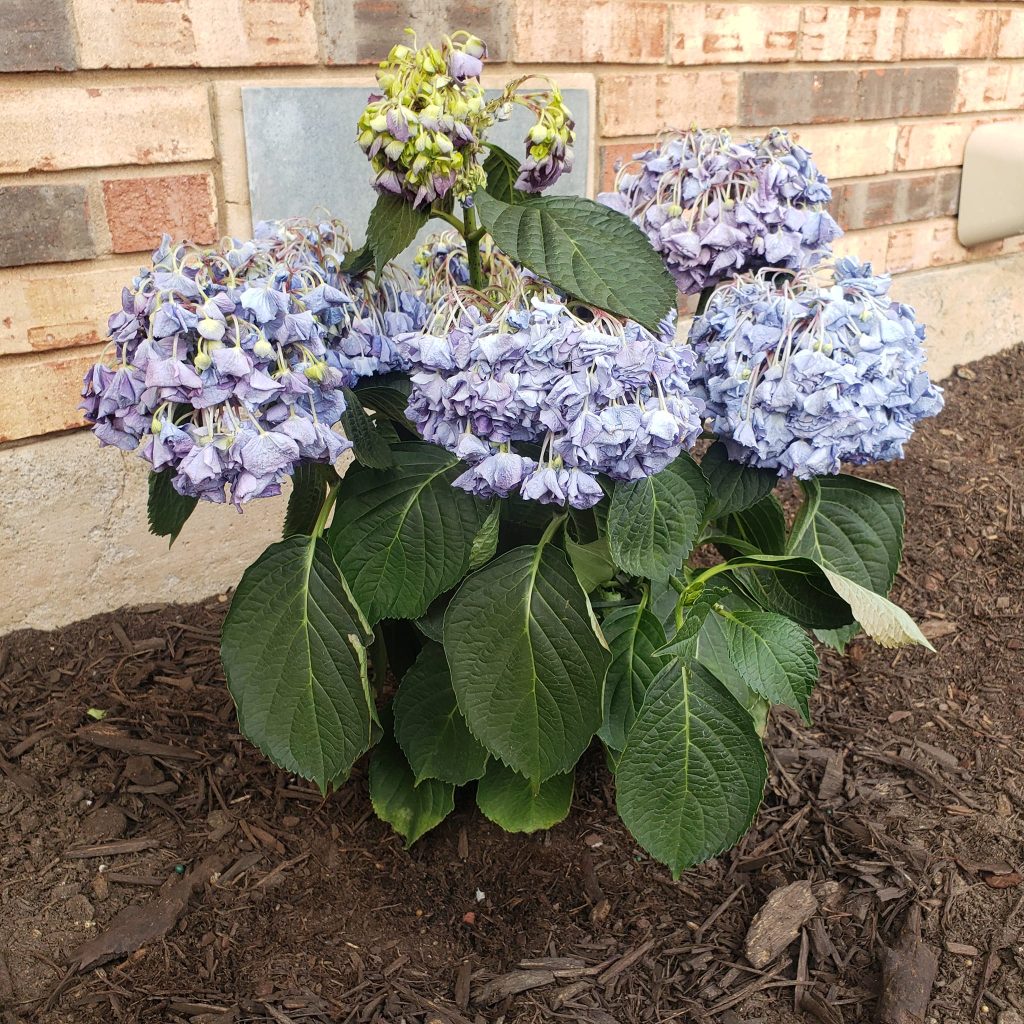
Hydrangeas are iconic in American gardens, known for their big, fluffy blooms in shades of pink, blue, white, and purple. But when those blooms droop and the leaves turn limp, it’s a sign your plant is stressed. Wilting happens when the plant can’t get enough water to its leaves and flowers.
This could either be because the plant is not absorbing enough or it’s losing water faster than it can take it in. Think of it like a human getting dehydrated—your hydrangea is thirsty, overheated, or battling something deeper.
Wilting can be temporary, like a hot afternoon slump, or a sign of a bigger problem, like root rot or pest damage. The good news? Most wilting hydrangeas can be saved if you act quickly. The key is pinpointing the cause and addressing it with care tailored to your plant’s needs and your local climate.
Common Causes of Hydrangea Wilting
Let’s break down the most common reasons your hydrangea is wilting. I’ll explain each one, share my own experiences, and provide tips to spot these issues in your garden.
1. Watering Issues: Too Much or Too Little
Hydrangeas love water—hence the name, derived from “hydro” (water) and “angeion” (vessel). But getting the watering balance right is trickier than it sounds.
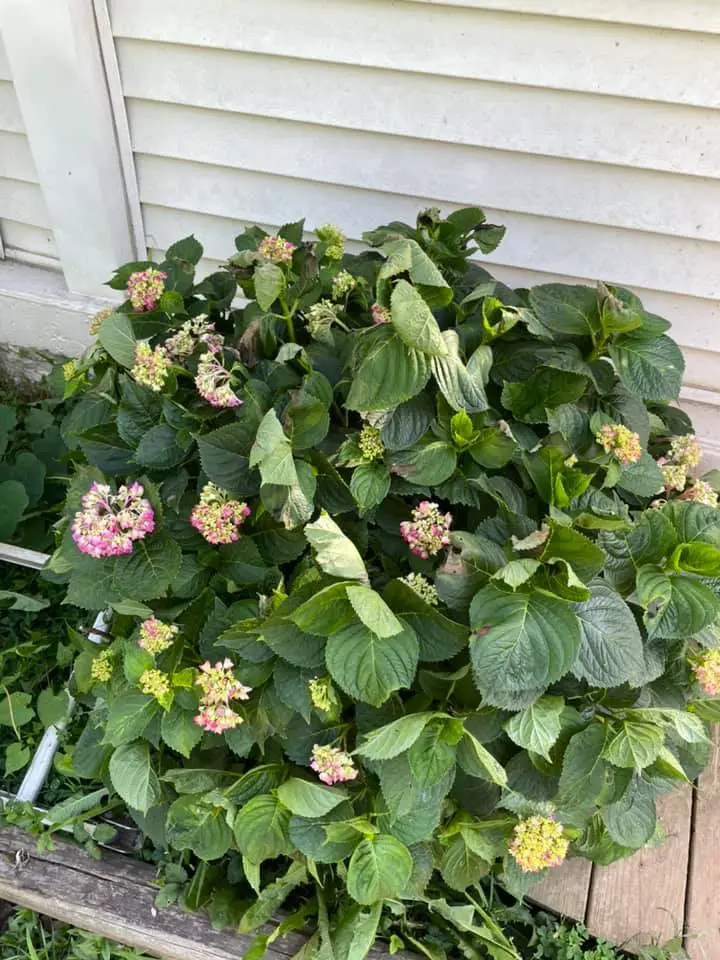
Underwatering: If your hydrangea’s leaves are crispy, brown at the edges, or drooping during the day, it’s likely thirsty. In hot American summers, especially in states like Texas or Arizona, hydrangeas can dry out fast.
Overwatering: On the flip side, too much water can drown the roots, leading to root rot. This is common in clay-heavy soils in places like the Midwest or Northeast. Signs include yellowing leaves, mushy stems, and a soggy soil surface.
2. Sunlight and Heat Stress
Hydrangeas thrive in partial shade, but many American homeowners plant them in spots that get too much sun, especially in southern states like Florida or Louisiana. Too much direct sunlight can scorch leaves and cause wilting, especially in the afternoon.
I noticed my hydrangea wilting every afternoon when it was planted in a sunny corner of my yard. Moving it to a shadier spot made a world of difference.
3. Soil Problems: pH, Drainage, and Nutrients
Soil is the foundation of a healthy hydrangea. Here’s how soil issues can cause wilting:
- pH imbalance: Hydrangeas prefer slightly acidic soil (pH 5.2–6.5 for blue blooms, 6.5–7.0 for pink). If the soil is too alkaline, like in parts of the Midwest, the plant struggles to absorb nutrients, leading to weak, wilting growth.
- Poor drainage: Heavy clay soils, common in states like Ohio or Illinois, hold water too long, suffocating roots. Sandy soils, found in coastal areas like California, drain too quickly, leaving roots dry.
- Nutrient deficiencies: Lack of nitrogen, potassium, or iron can weaken hydrangeas, causing droopy leaves. I noticed yellowing leaves on my plant, a classic sign of nitrogen deficiency, which a quick fertilizer fix resolved.
4. Pests and Diseases
Pests and diseases can sneak up on you. Common culprits include:
- Aphids: These tiny sap-suckers cluster on new growth, causing leaves to curl and wilt. I spotted them on my hydrangea last spring and had to act fast.
- Spider mites: In dry climates like Arizona, spider mites can cause stippled, drooping leaves. Look for fine webbing under leaves.
- Root rot: Caused by fungi like Phytophthora, root rot is a silent killer in overly wet soils. I lost a hydrangea to this before I learned to check for drainage issues.
- Powdery mildew: Common in humid areas like the Southeast, this fungal disease coats leaves in white powder, leading to wilting if untreated.
5. Transplant Shock
If you’ve recently moved or planted your hydrangea, it might be in shock. Transplanting stresses the roots, especially if done in hot weather or without proper care. I transplanted a hydrangea in the middle of summer once—big mistake.
It wilted for weeks until I learned how to nurse it back. Leaves turning yellow is also a common sign of transplant shock in hydrangeas.
Seasonal and Environmental Factors
American climates vary wildly, and seasonal changes can stress hydrangeas:
- Summer heat: In states like Nevada or South Carolina, intense summer heat can cause temporary wilting, even with proper watering.
- Winter cold: In northern states like Minnesota, late frosts can damage new growth, leading to wilting in spring.
- Drought or heavy rain: Extreme weather, like California droughts or Florida hurricanes, can disrupt your hydrangea’s water balance.
Diagnosing Your Hydrangea’s Problem
Before you can fix your wilting hydrangea, you need to play detective. Here’s how I diagnose issues in my garden:
- Check the soil: Stick your finger an inch into the soil. Is it bone-dry or sopping wet? Use a moisture meter for accuracy. I bought a cheap one online, and it’s been a game-changer.
- Inspect the leaves: Are they crispy (underwatering), yellow (overwatering), or spotted (pests/disease)? Look under leaves for bugs or webbing.
- Examine the stems and roots: Are stems soft or mushy? Dig gently around the base to check for blackened, rotten roots.
- Assess sunlight: Is your hydrangea getting blasted by afternoon sun? Morning sun with afternoon shade is ideal for most varieties.
- Test the soil pH: Use a home soil test kit (available at garden centers or online). I tested mine and found it was off, which explained a lot.
- Consider recent changes: Did you just transplant it? Fertilize it? Has the weather been extreme?
Take notes on what you find. This will help you narrow down the cause and choose the right fix.
Solutions to Revive a Wilting Hydrangea
Now that you’ve identified the problem, let’s fix it. Here’s a detailed guide to reviving your hydrangea, based on my own trial-and-error and expert advice.
1. Fixing Watering Mistakes
Underwatering
- Solution: Water deeply, ensuring the soil is moist to a depth of 6–8 inches. I water my hydrangeas early in the morning to reduce evaporation, especially in hot climates like Texas.
- How Often: Water 2–3 times a week in summer, less in cooler months. Adjust based on rainfall and soil type.
- Mulching: Add 2–3 inches of organic mulch (like bark or compost) around the base to retain moisture. I use pine bark, which works great in my Georgia soil.
- Tip: Use a soaker hose or drip irrigation for consistent watering, especially in large gardens.
Overwatering
- Solution: Stop watering immediately and let the soil dry out. If the soil stays soggy, improve drainage by adding compost or sand. I had to dig up a hydrangea once and mix in compost to fix poor drainage.
- Repotting (for Potted Hydrangeas): If in a container, check for drainage holes. Repot with fresh, well-draining soil if needed.
- Root rot: If roots are blackened, trim away the damaged parts with clean shears and replant in better-draining soil.
2. Adjusting Sunlight and Shade
- Solution: Move potted hydrangeas to a shadier spot or provide temporary shade with a garden umbrella during heatwaves. For in-ground plants, consider transplanting in fall or spring to a spot with morning sun and afternoon shade.
- Shade cloth: In sunny regions like Arizona, use shade cloth during peak summer. I tried this with a wilting hydrangea, and it perked up within days.
- Variety matters: Some hydrangeas, like ‘Endless Summer,’ tolerate more sun than others. Check your variety’s needs.
3. Improving Soil Conditions
pH Adjustment
- For Blue Blooms: Lower pH to 5.2–5.5 with sulfur or aluminum sulfate. I used aluminum sulfate to turn my pink hydrangeas blue—it was like magic!
- For Pink Blooms: Raise pH to 6.5–7.0 with lime. Test annually, as American soils can shift with rain or fertilizers.
Drainage: Mix in compost, perlite, or sand to improve drainage in clay soils. For sandy soils, add organic matter to retain moisture.
Fertilizing: Use a balanced 10-10-10 fertilizer in spring, or one high in phosphorus (like 10-20-10) to boost blooms. I fertilize my hydrangeas twice a year, in March and June, to keep them strong.
4. Managing Pests and Diseases
- Aphids: Spray with insecticidal soap or neem oil. I mix neem oil with water in a spray bottle and apply it weekly until the aphids are gone.
- Spider mites: Increase humidity around the plant (mites hate moisture) and use miticide if severe. A strong hose spray can knock them off.
- Root rot: Remove affected roots, treat with a fungicide, and improve drainage. I lost a plant to this, so now I’m vigilant about soil drainage.
- Powdery mildew: Apply a fungicide labeled for powdery mildew, and improve air circulation by pruning crowded branches.
5. Helping Transplanted Hydrangeas Recover
- Solution: Water deeply after transplanting and keep the soil consistently moist for 4–6 weeks. Add a root stimulant to encourage growth.
- Timing: Transplant in fall or early spring to avoid heat stress. I moved a hydrangea in October, and it thrived the next season.
- Shade: Provide temporary shade for newly transplanted hydrangeas to reduce stress.
Preventing Future Wilting: Long-Term Care Tips
Prevention is easier than revival. Here’s how to keep your hydrangea happy year-round.
1. Watering Best Practices
Watering can be a blessing or a curse. Here are some of the best practices:
- Water deeply but infrequently to encourage deep roots. I aim for 1–2 inches of water per week, depending on rainfall.
- Use mulch to retain moisture and keep roots cool.
- In drought-prone areas like California, consider a drip irrigation system.
2. Choosing the Right Hydrangea Variety
Not all hydrangeas are created equal. Here are popular varieties for American gardens:
- Bigleaf Hydrangea (Hydrangea macrophylla): Best for mild climates like the Pacific Northwest or Northeast. Loves partial shade.
- Panicle Hydrangea (Hydrangea paniculata): Heat-tolerant, great for southern states like Texas. Can handle more sun.
- Smooth Hydrangea (Hydrangea arborescens): Cold-hardy, ideal for northern states like Michigan.
- Oakleaf Hydrangea (Hydrangea quercifolia): Native to the Southeast, it thrives in humid climates like Alabama.
I grow ‘Annabelle’ (a smooth hydrangea) in my yard, and it’s been a low-maintenance star.
3. Seasonal Maintenance for American Climates
- Spring: Prune dead wood, fertilize, and test soil pH. In cold climates like Minnesota, wait until after the last frost.
- Summer: Water consistently, especially in hot regions like Arizona. Check for pests weekly.
- Fall: Mulch heavily in northern states to protect roots from winter cold. In mild climates like California, reduce watering as temperatures drop.
- Winter: Avoid pruning, as it can damage next year’s blooms. In snowy areas, gently shake snow off branches to prevent breakage.
Frequently Asked Questions (FAQs)
Q: Why does my hydrangea wilt in the afternoon but look fine in the morning?
A: This is likely temporary wilting due to heat stress. Hydrangeas lose water faster in hot afternoons, especially in sunny spots. Provide afternoon shade and water deeply in the morning.
Q: Can overwatering cause my hydrangea to wilt?
A: Yes, overwatering can lead to root rot, which prevents roots from absorbing water, causing wilting. Check for soggy soil and improve drainage if needed.
Q: How do I know if my hydrangea has root rot?
A: Dig gently around the base. If roots are black, mushy, or smell bad, it’s likely root rot. Trim affected roots and improve soil drainage.
Q: What’s the best hydrangea variety for hot climates?
A: Panicle hydrangeas, like ‘Limelight,’ are heat-tolerant and great for southern states. They can handle more sun than bigleaf varieties.
Q: Should I prune my wilting hydrangea?
A: Not immediately. Pruning can stress the plant further. Fix the underlying issue (like watering or pests) first, then prune dead wood in spring.
Q: Can I save a severely wilted hydrangea?
A: Yes, if the stems are still green and pliable. Address the cause (water, sun, etc.), and be patient. It may take weeks to recover fully.
Suggested For You:
8 Reasons Your Hydrangeas Did Not Bloom This Season + What to Do Next
Understanding Reblooming Hydrangeas + When to Plant Them
How to Get Hydrangeas to Rebloom: Step-by-Step
How to Revive Hydrangeas After Frost: Journey to Lush Summer and Fall Blooms
The Ultimate Guide: Using Organic Mulch for Hydrangeas
Final thoughts
Last year, my prized ‘Endless Summer’ hydrangea started wilting in the middle of a heatwave. The leaves were drooping, and the blooms looked sad. I panicked, thinking I’d killed it. First, I checked the soil—it was dry as a bone. I’d been slacking on watering because of a busy workweek.
I gave it a deep soak and added mulch to keep the moisture in. Next, I noticed it was getting too much afternoon sun, so I rigged up a shade cloth for temporary relief.
Within a week, the leaves flourished, but I wasn’t out of the woods. I tested the soil and found the pH was too high, which was stressing the plant. A dose of aluminum sulfate brought it back into the ideal range, and by the next month, my hydrangea was blooming again.
That experience taught me to stay proactive—regular watering, soil testing, and the right location make all the difference.
References
- University of Georgia Extension. (2023). Growing Hydrangeas in the Home Garden. https://extension.uga.edu/publications/detail.html?number=B1311
- Clemson University Cooperative Extension. (2022). Hydrangea Diseases and Pests. https://hgic.clemson.edu/factsheet/hydrangea-diseases/
- North Carolina State Extension. (2024). Hydrangea macrophylla. https://plants.ces.ncsu.edu/plants/hydrangea-macrophylla/
- The American Horticultural Society. (2021). AHS Plant Care Manual: Hydrangeas. https://www.ahs.org/gardening-resources/plant-care/hydrangeas
- Missouri Botanical Garden. (2023). Hydrangea Care Guide. https://www.missouribotanicalgarden.org/PlantFinder/PlantFinderDetails.aspx?kempercode=c323

Tim M Dave is a gardening expert with a passion for houseplants, particularly cacti and succulents. With a degree in plant biology from the University of California, Berkeley, he has vast experience in gardening. Over the years, he has cultivated a vast collection of desert plants and learned a great deal about how to grow and care for these unique companions.