Fall or Spring? When to Cut Back Hydrangeas
Hydrangeas aren’t just plants; they’re a statement. Whether you’re growing bigleaf hydrangeas with their iconic pink and blue blooms or the sturdy panicle varieties, proper pruning keeps them healthy and blooming year after year.
Cutting back removes dead wood, encourages new growth, and shapes the plant for that picture-perfect look. But here’s the catch: not all hydrangeas are the same. The type you have determines when and how to prune. Get it wrong, and end up with hydrangeas not blooming.
In American homes, hydrangeas are a staple in zones 3 to 9, thriving in diverse climates from New England to the Pacific Northwest. Knowing your hydrangea type and your local climate is key to deciding whether fall or spring is the right time to prune.
Do you Cut Back Hydrangeas in the Fall or Spring?
Before we dive into the “when,” let’s talk about the “what.” There are six main types of hydrangeas commonly grown in American gardens. Each has unique pruning needs based on whether they bloom on old wood (last year’s growth) or new wood (this year’s growth).
Here’s a quick look:
1. Bigleaf Hydrangeas (Hydrangea macrophylla)
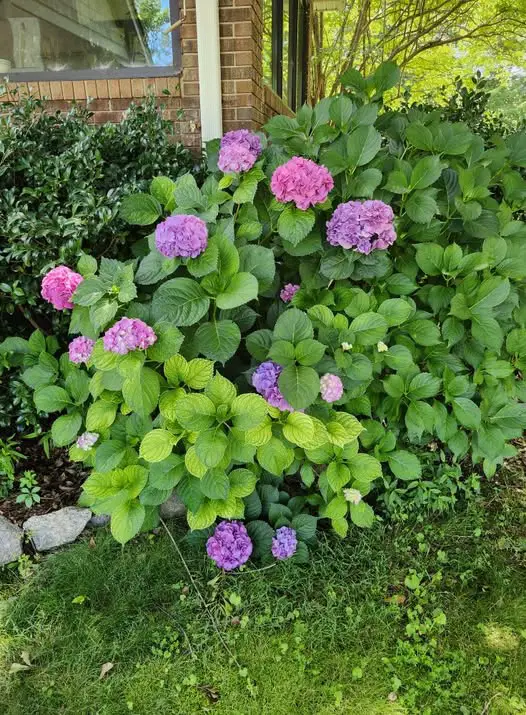
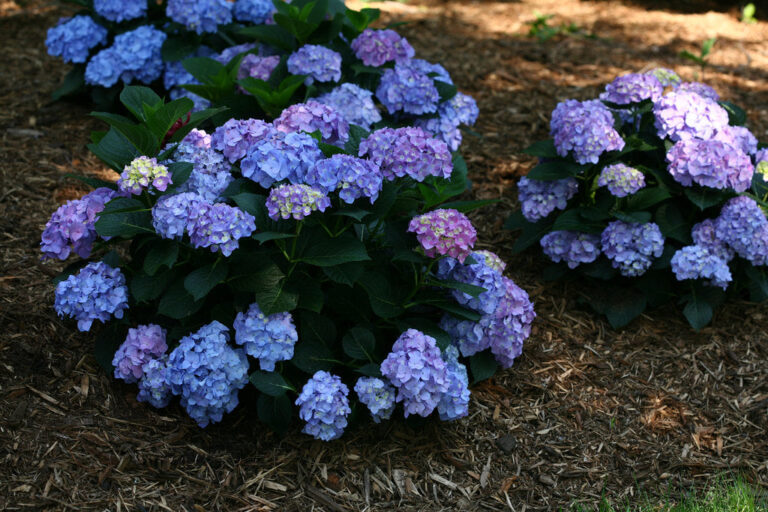
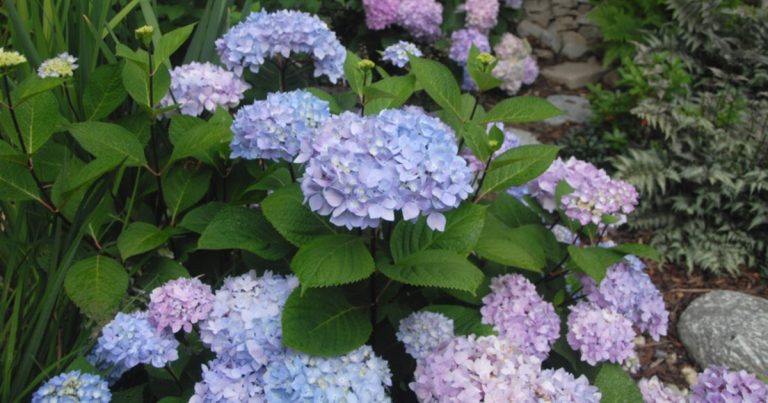
These are the classic hydrangeas with mophead or lacecap blooms. They’re popular in coastal regions like the Southeast and Pacific Northwest. Bigleaf hydrangeas bloom on old wood, meaning the buds form in late summer or fall for next year’s flowers.
Pruning in fall can remove those buds, leaving you with no blooms next season. I learned this the hard way when I chopped back my mopheads one October and got nothing but green the next summer.
2. Smooth Hydrangeas (Hydrangea arborescens)
Think ‘Annabelle’ or ‘Incrediball.’ These bloom on new wood, so they’re more forgiving. You can prune them in late fall or early spring without sacrificing blooms. I love these for their low-maintenance vibe, perfect for busy homeowners.
3. Panicle Hydrangeas (Hydrangea paniculata)
Varieties like ‘Limelight’ or ‘Pinky Winky’ are hardy and bloom on new wood. They’re a favorite in colder climates like the Midwest. You can prune these in fall or spring, but I’ve found spring pruning gives them a tidier look.
4. Oakleaf Hydrangeas (Hydrangea quercifolia)
These native beauties have stunning fall foliage and bloom on old wood. They’re common in Southern gardens. Pruning in fall risks next year’s blooms, so I stick to spring for these.
5. Climbing Hydrangeas (Hydrangea anomala subsp. petiolaris)
These vines bloom on old wood and rarely need heavy pruning. A light trim in spring keeps them in check. I have one climbing up my pergola, and it’s a showstopper!
6. Mountain Hydrangeas (Hydrangea serrata)
Similar to bigleaf, these bloom on old wood and are popular in milder climates. Spring pruning is safest to preserve blooms.
Knowing your hydrangea type is crucial. If you’re unsure, check the plant tag or observe the bloom shape and timing. You can also snap a photo and ask your local nursery—most American garden centers are happy to help.
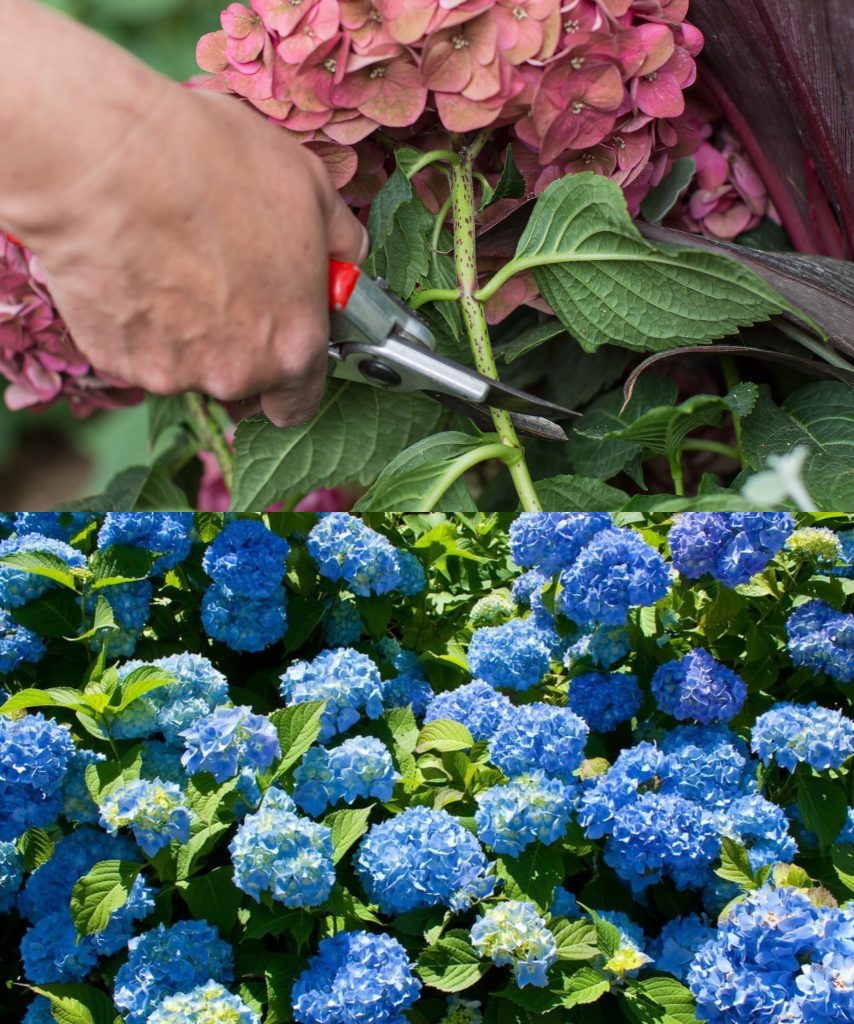
Fall vs. Spring Pruning: The Big Debate
So, should you cut back your hydrangeas in fall or spring? The answer depends on your hydrangea type and your goals. Let’s break it down.
Pruning in Fall
Fall pruning can tidy up your garden before winter. For new-wood bloomers like smooth and panicle hydrangeas, cutting back in fall is safe and can reduce winter damage. In my garden, I prune my ‘Limelight’ panicle hydrangeas in late October to prevent heavy snow from snapping branches. It also gives my yard a neat appearance through the winter months.
Who should prune in the fall?
- Homeowners with smooth or panicle hydrangeas.
- Those in colder climates (like zones 3–5) where winter storms can damage branches.
- Gardeners who prefer a clean, manicured look for winter.
How to prune in fall:
- Wait until after the first frost when leaves start to drop.
- For smooth hydrangeas, cut back to about 12–18 inches from the ground.
- For panicle hydrangeas, trim back by one-third, focusing on weak or crossing branches.
- Remove any dead or damaged wood.
- Use clean, sharp pruners to avoid spreading disease—my go-to is a pair of Felco bypass pruners.
Caution: Avoid fall pruning for old-wood bloomers like bigleaf, oakleaf, or mountain hydrangeas. You’ll likely cut off next year’s flower buds. I once made this mistake with my oakleaf hydrangea, and let’s just say my garden looked sad the next summer.
Pruning in Spring
Spring is the safest time for most hydrangeas, especially old-wood varieties. It lets you assess winter damage and avoid cutting off flower buds. In my friend’s Virginia garden, he waits until March to prune his bigleaf hydrangeas. This way, you can see which stems survived the winter and which need to go.
Who should prune in spring?
- Homeowners with bigleaf, oakleaf, or mountain hydrangeas.
- Those in milder climates (zones 6–9) where winter damage is minimal.
- Gardeners who want to maximize blooms.
How to prune in spring
- Wait until new growth appears, usually late winter or early spring.
- For old-wood hydrangeas, remove only dead or damaged stems. Cut just above a healthy bud.
- For new-wood hydrangeas, you can be more aggressive, cutting back by one-third to encourage bushier growth.
- Shape the plant for aesthetics, but don’t go overboard—I aim for a natural look.
- Clean up debris to prevent pests and diseases.
Pro tip: If you’re in a colder climate, spring pruning lets you remove winter-killed stems without guessing. I’ve found this especially helpful in unpredictable climates like the Midwest.
Regional Considerations for American Gardeners
America’s diverse climates mean pruning needs vary by region. Here’s a quick guide tailored to U.S. growing zones:
- Northeast (Zones 3–6): Harsh winters can damage hydrangeas, especially bigleaf varieties. I recommend spring pruning to assess winter dieback. For panicle and smooth hydrangeas, fall pruning works if you want a tidy garden.
- Southeast (Zones 7–9): Mild winters mean less dieback, so spring pruning is ideal for old-wood hydrangeas. Panicle and smooth types can be pruned in fall or spring.
- Midwest (Zones 4–6): Similar to the Northeast, spring is safer for old-wood bloomers. I prune my ‘Annabelle’ smooth hydrangeas in fall to avoid snow damage.
- Pacific Northwest (Zones 6–8): Mild, wet winters make spring pruning best for bigleaf and mountain hydrangeas. Panicle types can handle fall cuts.
- Southwest (Zones 7–9): Hot, dry summers stress hydrangeas, so spring pruning helps rejuvenate plants. Avoid heavy fall pruning to protect against heat stress.
- California (Zones 7–10): Coastal areas favor bigleaf hydrangeas, which should be pruned in spring. Inland gardeners with panicle types can prune in fall or spring.
Check your USDA Hardiness Zone (find it at planthardiness.ars.usda.gov) to adjust your pruning schedule. Your local cooperative extension service can also offer region-specific advice.

Step-by-Step Pruning Guide for Hydrangeas
Ready to grab your pruners? Here’s a detailed guide to pruning your hydrangeas, whether you’re doing it in fall or spring.
Tools You’ll Need
- Sharp bypass pruners (I swear by Felco or Corona brands).
- Loppers for thicker branches.
- Gloves to protect your hands.
- A bucket for collecting debris.
- Rubbing alcohol to sterilize tools between cuts.
Pruning Bigleaf and Mountain Hydrangeas (Old Wood)
- Timing: Early spring, after the last frost but before new growth gets too far along.
- Inspect: Look for dead, damaged, or weak stems. Dead wood is brittle and gray; live wood is green inside.
- Cut: Remove dead stems at the base or just above a healthy bud. Make clean, angled cuts to promote healing.
- Shape: Lightly trim to maintain the plant’s natural shape. Don’t remove more than one-third of the plant.
- Deadhead: If you didn’t remove spent blooms in fall, cut them back to the first set of healthy buds.
- Clean up: Remove debris to prevent fungal diseases, which are common in humid climates.
Pruning Smooth and Panicle Hydrangeas (New Wood)
- Timing: Late fall (after frost) or early spring (before buds swell).
- Cut back: For smooth hydrangeas, cut stems to 12–18 inches for a compact shape. For panicle hydrangeas, trim by one-third to one-half, depending on desired size.
- Remove weak growth: Cut out thin or crossing branches to improve airflow.
- Shape: Aim for a rounded or conical shape, depending on the variety.
- Clean up: Dispose of cuttings to avoid pests.
Pruning Oakleaf Hydrangeas
- Timing: Early spring, before new growth starts.
- Minimal cuts: Remove only dead or damaged stems, as these bloom on old wood.
- Shape lightly: Trim for aesthetics, but keep it minimal to preserve blooms.
- Deadhead: Remove spent blooms to tidy up.
Pruning Climbing Hydrangeas
- Timing: Early spring, after blooming.
- Light trim: Remove dead or tangled vines. Cut back to a healthy bud.
- Train: Guide vines along trellises or supports for desired growth.
My tip: Always step back and assess the plant’s shape as you prune. It’s easy to get carried away, and I’ve regretted over-pruning more than once!
Common Pruning Mistakes to Avoid
I’ve made plenty of pruning blunders over the years, and I don’t want you to repeat them. Here are the top mistakes American gardeners make with hydrangeas:
- Pruning old-wood hydrangeas in fall. This is the fastest way to lose next year’s blooms. Always check your hydrangea type first.
- Cutting too much. Removing more than one-third of the plant can weaken it. I did this once with my ‘Endless Summer’ bigleaf, and it took two years to recover.
- Using dull tools. Blunt pruners crush stems, inviting disease. Keep your tools sharp and clean.
- Ignoring winter protection. In colder zones, leaving old-wood hydrangeas unpruned in fall can protect them from frost. I wrap my bigleaf hydrangeas in burlap during harsh Virginia winters.
- Pruning at the wrong height. Cutting smooth hydrangeas too high or too low can affect their shape. Aim for 12–18 inches for varieties like ‘Annabelle.’
Beyond Pruning: Caring for Hydrangeas Year-Round
Pruning is just one piece of the hydrangea puzzle. To keep your plants thriving, follow these care tips:
- Watering: Hydrangeas love moist, well-drained soil. Water deeply once or twice a week, especially during hot summers. I use a soaker hose for my bigleaf hydrangeas to keep the soil consistently moist.
- Fertilizing: Apply a balanced fertilizer (like 10-10-10) in spring. Avoid over-fertilizing, as it can lead to more leaves than blooms.
- Mulching: Add a 2–3 inch layer of organic mulch (like bark or compost) to retain moisture and regulate soil temperature. I mulch my hydrangeas every spring, and it makes a huge difference.
- Winter protection: In zones 3–5, cover old-wood hydrangeas with burlap or frost cloth to shield them from harsh winters.
- Pest control: Watch for aphids, spider mites, and powdery mildew, especially in humid regions like the Southeast. I use neem oil for organic pest control.
FAQs
Here are answers to common questions I hear from fellow gardeners:
Q: Can I prune my hydrangeas in summer?
A: Avoid heavy pruning in summer, as it can stress the plant. Light deadheading is fine for old-wood varieties.
Q: What if I don’t know my hydrangea type?
A: Observe the bloom time and shape. If it blooms early (May–June), it’s likely old-wood. Late bloomers (July–August) are usually new-wood. When in doubt, prune lightly in spring.
Q: Why didn’t my hydrangeas bloom this year?
A: Common culprits include fall pruning of old-wood varieties, winter damage, or too much shade. Check your pruning timing and ensure they get at least 4–6 hours of sun.
Q: Can I skip pruning altogether?
A: You can, but unpruned hydrangeas may become leggy or overcrowded. Light pruning improves health and appearance.
Final thoughts
When I first started gardening, I was terrified of pruning my hydrangeas. I didn’t want to ruin those gorgeous blooms I’d spent months nurturing. One fall, I boldly chopped back my bigleaf hydrangea, thinking it would “refresh” the plant.
The next summer, I was devastated—no flowers! That mistake taught me to research my plants and respect their growth habits. Now, I prune my smooth and panicle hydrangeas in fall for a tidy winter garden, while my bigleaf and oakleaf varieties get a gentle spring trim.
So, do you cut back hydrangeas in fall or spring? For smooth and panicle hydrangeas, fall or spring works, with fall being great for tidiness and spring for precision. For bigleaf, oakleaf, and mountain hydrangeas, stick to spring to protect those precious flower buds. Climbing hydrangeas need only a light spring trim.
References
- United States Department of Agriculture. (n.d.). USDA Plant Hardiness Zone Map. https://planthardiness.ars.usda.gov
- The American Horticultural Society. (2020). Pruning & Training. DK Publishing.
- Dirr, M. A. (2004). Hydrangeas for American Gardens. Timber Press.
- Missouri Botanical Garden. (n.d.). Hydrangea Care and Pruning. https://www.missouribotanicalgarden.org/gardens-gardening/your-garden/help-for-the-home-gardener/advice-tips-resources/plant-care/hydrangea

Tim M Dave is a gardening expert with a passion for houseplants, particularly cacti and succulents. With a degree in plant biology from the University of California, Berkeley, he has vast experience in gardening. Over the years, he has cultivated a vast collection of desert plants and learned a great deal about how to grow and care for these unique companions.