Beginners Guide: How Long Does Hydrangea Take to Grow?
Hydrangeas are deciduous shrubs known for their large, colorful flower heads. They come in several types, each with unique characteristics and growth rate. Knowing your variety is key to understanding how long it’ll take to see those stunning blooms.
The most common types of hydrangea grown in American gardens include:
- Bigleaf Hydrangea: 3-5 years to reach full size (3-6 feet tall and wide). Blooms often appear in year 1 or 2 with nursery plants.
- Panicle Hydrangea: 3-4 years to mature (8-15 feet tall). These are fast growers and may bloom in year 1.
- Smooth Hydrangea: 2-4 years to reach 3-5 feet. Blossoms often appear in the first year.
- Oakleaf Hydrangea: 3-5 years to grow 4-8 feet. Flowers typically show up in year 2 or 3.
- Climbing Hydrangea: 5-7 years to mature and cover a trellis (30-50 feet long). Blooms may take 3-5 years to appear.
How Long Does a Hydrangea Take to Grow?
The time it takes for a hydrangea to grow depends on several factors: the variety, planting method (seed, cutting, or nursery plant), climate, and care. Let’s break it down.
Growth Timeline by Planting Method
- From seeds: Growing hydrangeas from seeds is rare because it’s slow and unpredictable. If you’re starting from seeds, expect 2-3 years before the plant even begins to resemble a mature shrub. Blooms may not appear until year 4 or 5.
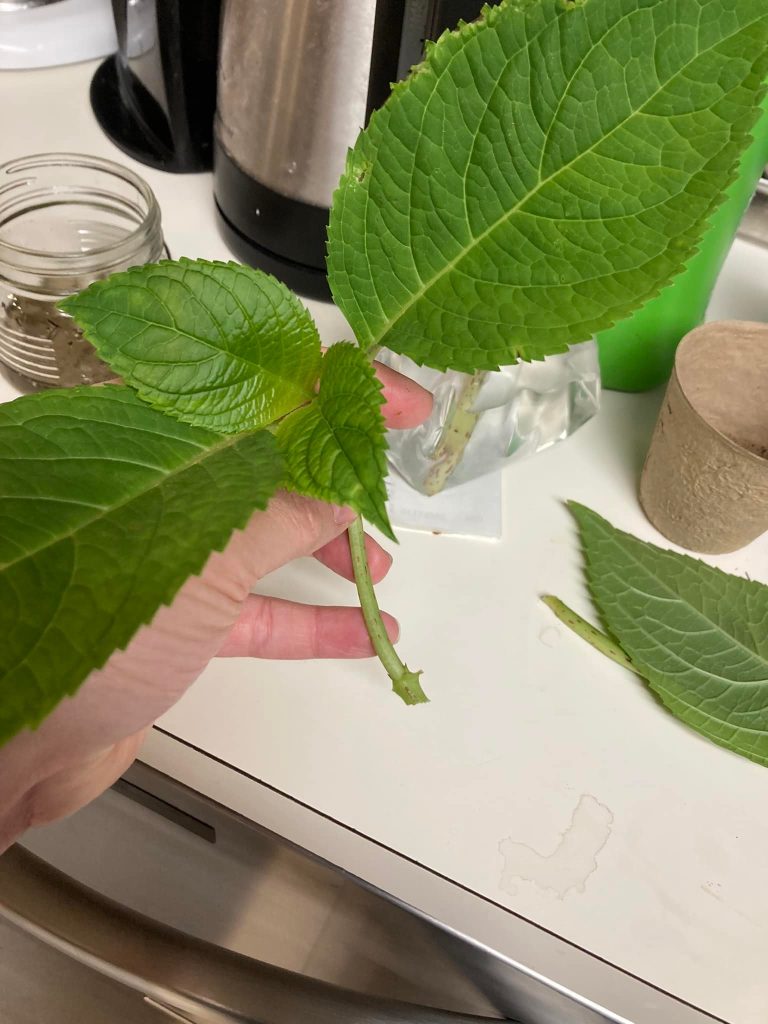
- From cuttings: Propagating hydrangeas from cuttings is a popular method for home gardeners. Cuttings take about 4-6 weeks to root. After rooting, it takes 1-2 years for the plant to establish and produce flowers. This method is faster than seeds but still requires dedication.
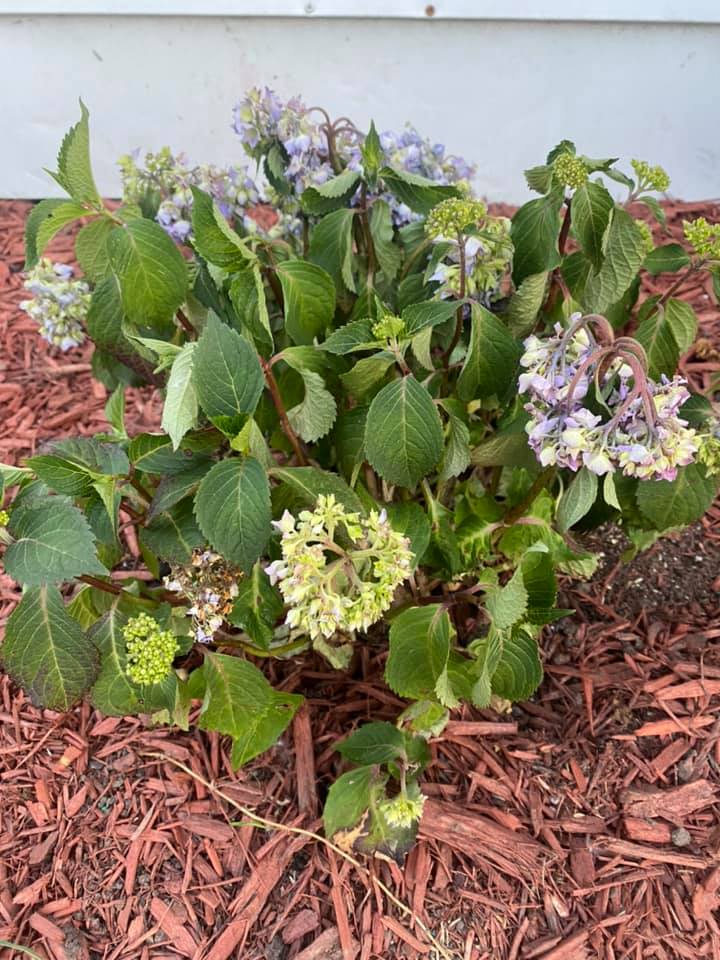
- From nursery plants: Most American homeowners buy established hydrangeas from nurseries. These plants are typically 1-3 years old when purchased. With proper care, nursery plants can bloom in their first or second year after planting.
Time to Maturity
Hydrangeas generally reach maturity in 3-5 years, depending on the variety. At maturity, they’re capable of producing abundant blooms and have a well-established root system. Here’s a quick look at maturity timelines for popular varieties:
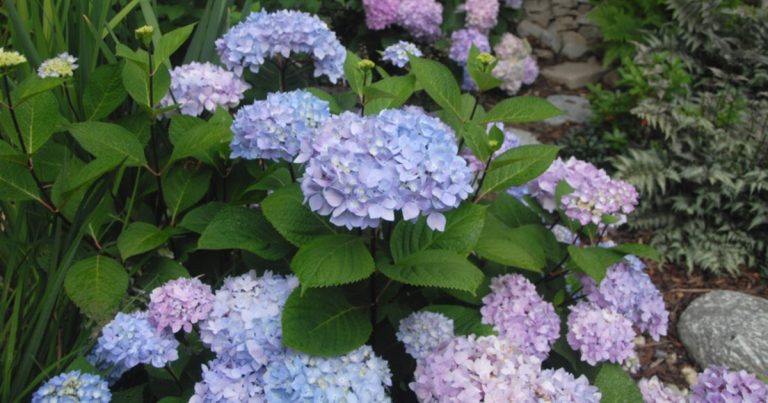
- Bigleaf Hydrangea (Hydrangea macrophylla): Famous for mophead and lacecap blooms. It thrives in USDA Zones 5-9. These take 3-5 years to reach full size (3-6 feet tall and wide). Blooms often appear in year 1 or 2 with nursery plants.
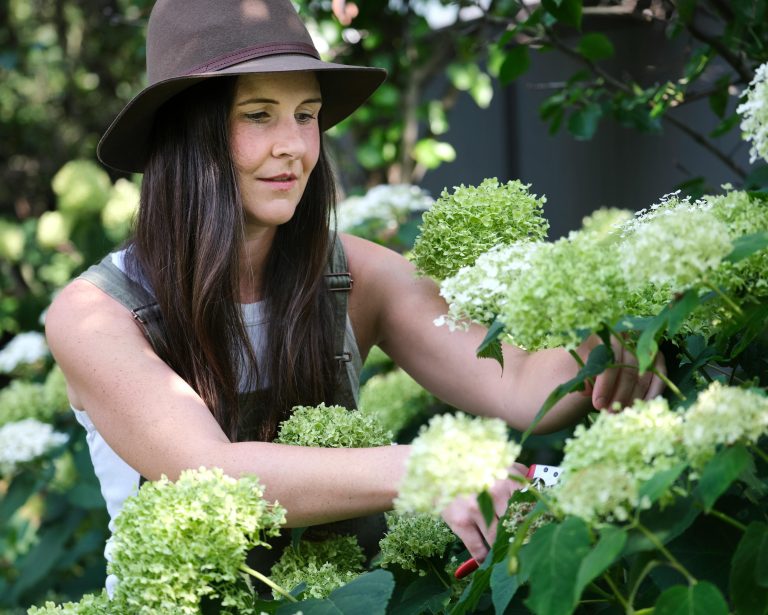
- Panicle Hydrangea (Hydrangea paniculata): Hardy and sun-tolerant, perfect for Zones 3-8. These are fast growers, taking 3-4 years to mature (8-15 feet tall). Blooms may appear in year 1.
- Smooth Hydrangea (Hydrangea arborescens): Native to the U.S., these are great for Zones 3-9. They take 2-4 years to reach 3-5 feet. Blooms often appear in the first year.
- Oakleaf Hydrangea (Hydrangea quercifolia): Known for its unique foliage, it takes 3-5 years to grow 4-8 feet. Flowers typically show up in year 2 or 3. This variety is ideal for Zones 5-9.
- Climbing Hydrangea (Hydrangea anomala petiolaris): A vine-like variety for trellises, suited for Zones 4-8. It takes approximately 5-7 years to mature and cover a trellis (30-50 feet long). Blooms may take 3-5 years to appear.

Factors Affecting Growth Time
Several factors influence how quickly your hydrangea grows:
- Climate and USDA Zone: Hydrangeas thrive in Zones 3-9, which covers most of the U.S. In warmer regions like the Southeast, growth is faster due to longer growing seasons. In colder areas like the Northeast, growth may slow during harsh winters.
- Soil quality: Hydrangeas love well-draining, fertile soil with a pH of 5.5-6.5 for most varieties. Test your soil to ensure it’s ideal.
- Sunlight: Most hydrangeas prefer partial shade, though panicle and smooth varieties tolerate full sun. Too much or too little light can stunt growth.
- Watering and care: Consistent moisture and proper fertilization speed up growth. Neglect can delay blooming by a year or more.
Planting Hydrangeas for Optimal Growth
To get your hydrangeas growing quickly, start with the right planting techniques. Here’s how I plant mine to ensure they thrive in my garden.
Choosing the Right Time to Plant
Spring and fall are the best times to plant hydrangeas in most U.S. regions. Spring planting gives roots time to establish before summer heat, while fall planting allows roots to settle before winter dormancy.
In warmer climates (like Zones 8-9), fall is ideal. In colder areas (Zones 3-5), spring is safer to avoid frost damage.
Selecting a Location
Pick a spot with morning sun and afternoon shade for bigleaf and oakleaf hydrangeas. Panicle and smooth hydrangeas can handle more sun. Ensure the area has good drainage—hydrangeas hate soggy roots. I learned this the hard way when my first hydrangea drowned in a poorly drained corner of my yard!
Preparing the Soil
Hydrangeas prefer loamy, fertile soil. Here’s how to prep your planting site:
- Dig a hole twice as wide and as deep as the root ball.
- Mix compost or aged manure into the soil to boost nutrients.
- Test soil pH. For blue bigleaf hydrangea blooms, aim for a pH of 5.2-5.5. For pink blooms, aim for 6.0-6.2.
- If your soil is heavy clay or sandy, amend it with organic matter to improve drainage.
Planting Steps
- Place the hydrangea in the hole, ensuring the root ball is level with the ground.
- Backfill with soil, tamping gently to remove air pockets.
- Water thoroughly and add a 2-3 inch layer of mulch (like pine bark) to retain moisture.
Caring for Hydrangeas to Speed Up Growth
Proper care is crucial to help your hydrangeas grow and bloom faster. Here’s what I’ve learned from years of tending these plants.
Watering
Hydrangeas are thirsty plants. Water deeply 1-2 times per week, especially during the first year. Aim for 1 inch of water weekly, more in hot climates like Texas or Florida. Avoid overhead watering to prevent fungal diseases.
Fertilizing
Feed hydrangeas with a balanced fertilizer (10-10-10) in spring and early summer. Avoid high-nitrogen fertilizers, which promote leafy growth over blooms. I use a slow-release fertilizer to keep my plants happy without overdoing it.
Pruning
Pruning depends on the variety:
- Bigleaf and Oakleaf Hydrangeas: Prune after blooming in summer, as they bloom on old wood (last year’s growth). Remove dead or weak stems.
- Panicle and Smooth Hydrangeas: Prune in late winter or early spring, as they bloom on new wood (current year’s growth).
- Climbing Hydrangeas: Prune lightly after blooming to shape the plant.
Over-pruning can delay blooms, so be cautious. I once over-pruned my bigleaf hydrangea and missed a whole season of flowers—lesson learned!
Winter Protection
In colder regions (Zones 3-5), protect hydrangeas from harsh winters.
- Apply a thick layer of mulch around the base.
- Cover plants with burlap or frost cloth during extreme cold.
- For bigleaf hydrangeas, wrap stems to protect flower buds.
Regional Tips for Growing Hydrangeas in the U.S.
Hydrangeas grow differently across America’s diverse climates. Here are tailored tips for key regions:
- Northeast (Zones 3-6): Choose cold-hardy varieties like panicle or smooth hydrangeas. Plant in spring and provide winter protection. My friend in Maine swears by ‘Annabelle’ for its reliability.
- Southeast (Zones 7-9): Opt for heat-tolerant bigleaf or oakleaf hydrangeas. Ensure afternoon shade to prevent wilting in humid summers.
- Midwest (Zones 4-7): Panicle and smooth hydrangeas thrive here. Mulch heavily to protect roots from temperature swings.
- West Coast (Zones 6-9): Bigleaf hydrangeas love the mild climate. Watch for overwatering in rainy areas like the Pacific Northwest.
- Southwest (Zones 7-9): Choose drought-tolerant varieties like panicle hydrangeas. Provide extra water during dry spells.
Common Challenges and How to Overcome Them
When I moved to my current home in North Carolina, I was determined to create a hydrangea haven. I started with a mix of ‘Limelight’ panicle and ‘Endless Summer’ bigleaf hydrangeas. The first year, I was thrilled when my ‘Limelight’ bloomed just three months after planting.
The bigleaf took longer—about two years—but the wait was worth it when those vibrant blue mopheads appeared. My biggest tip? Patience and consistent care pay off. Watching my hydrangeas grow from small nursery plants to lush shrubs has been one of the most rewarding parts of gardening.
Even with the best care, I noticed that hydrangeas can face issues that slow growth. Here are common problems and solutions:
- No blooms: Often caused by improper pruning, too much shade, or winter damage to flower buds. Check your variety’s pruning needs and ensure adequate sunlight.
- Wilting leaves: Usually a sign of underwatering or poor drainage. Water consistently and improve soil drainage.
- Yellow leaves: Could indicate nutrient deficiency or incorrect soil pH. Test soil and adjust with sulfur (to lower pH) or lime (to raise pH).
- Pests and diseases: Aphids, spider mites, and powdery mildew are common. Use insecticidal soap for pests and ensure good air circulation to prevent mildew.
Frequently Asked Questions (FAQs)
Q: How fast do hydrangeas grow each year?
A: Hydrangeas typically grow 1-2 feet per year under ideal conditions. Panicle and smooth hydrangeas are faster growers, while climbing hydrangeas are slower.
Q: Can hydrangeas grow in full sun?
A: Panicle and smooth hydrangeas tolerate full sun, especially in cooler climates. Bigleaf and oakleaf varieties prefer partial shade to avoid leaf scorch.
Q: How long does it take for a hydrangea to bloom after planting?
A: Nursery-grown hydrangeas may bloom in 1-2 years. Cuttings take 2-3 years, and seed-grown plants can take 4-5 years.
Q: Do hydrangeas need a lot of water?
A: Yes, hydrangeas need consistent moisture, about 1 inch of water per week. Ensure soil is well-draining to prevent root rot.
Q: Can I grow hydrangeas in pots?
A: Yes, especially compact varieties like bigleaf hydrangeas. Use a large pot with drainage holes and water frequently.
Q: Why aren’t my hydrangeas blooming?
A: Common reasons include improper pruning, too much shade, or winter damage. Check your variety’s pruning needs and ensure 4-6 hours of sunlight.
Suggested For You:
The 6 Main Types of Hydrangeas Grown in U.S. Gardens: Features and Care Details
Understanding Reblooming Hydrangeas + When to Plant Them
How to Get Hydrangeas to Rebloom: Step-by-Step
How to Revive Hydrangeas After Frost: Journey to Lush Summer and Fall Blooms
Final thoughts
Growing hydrangeas in your home is a rewarding journey. Whether you’re in the sunny Southeast or the chilly Northeast, these versatile shrubs can thrive with the right care. From planting to blooming, expect most hydrangeas to take 1-5 years to show their full potential.
By choosing the right type, providing proper care, and being patient, you’ll soon enjoy a garden bursting with color. My hydrangeas have become the centerpiece of my backyard, and I’m confident yours can too. So, grab a shovel, pick your favorite variety, and start growing those gorgeous blooms!
References
- The United States National Arboretum. (n.d.). Hydrangea Questions and Answers. https://www.usna.usda.gov/science/plant-hardiness-zone-map/
- University of Georgia Extension. (2020). Growing Hydrangeas in the Home Garden. https://extension.uga.edu/publications/detail.html?number=B1311
- Missouri Botanical Garden. (n.d.). Hydrangea Care Guide. https://www.missouribotanicalgarden.org/plant-care/hydrangea-care
- American Horticultural Society. (2019). Hydrangeas: A Gardener’s Guide. https://www.ahs.org/gardening-resources/plant-care-guides/hydrangeas

Tim M Dave is a gardening expert with a passion for houseplants, particularly cacti and succulents. With a degree in plant biology from the University of California, Berkeley, he has vast experience in gardening. Over the years, he has cultivated a vast collection of desert plants and learned a great deal about how to grow and care for these unique companions.