Discover The Hummingbird Bush: History, Features and Care Details
Picture this: It’s a warm summer evening, and the air hums—not with insects, but with the rapid wingbeats of ruby-throated hummingbirds. That’s the scene I first encountered when I planted my first hummingbird bush five years ago. What started as a simple addition to my xeriscape has become the heartbeat of my garden, drawing in butterflies, bees, and birds like a living invitation.
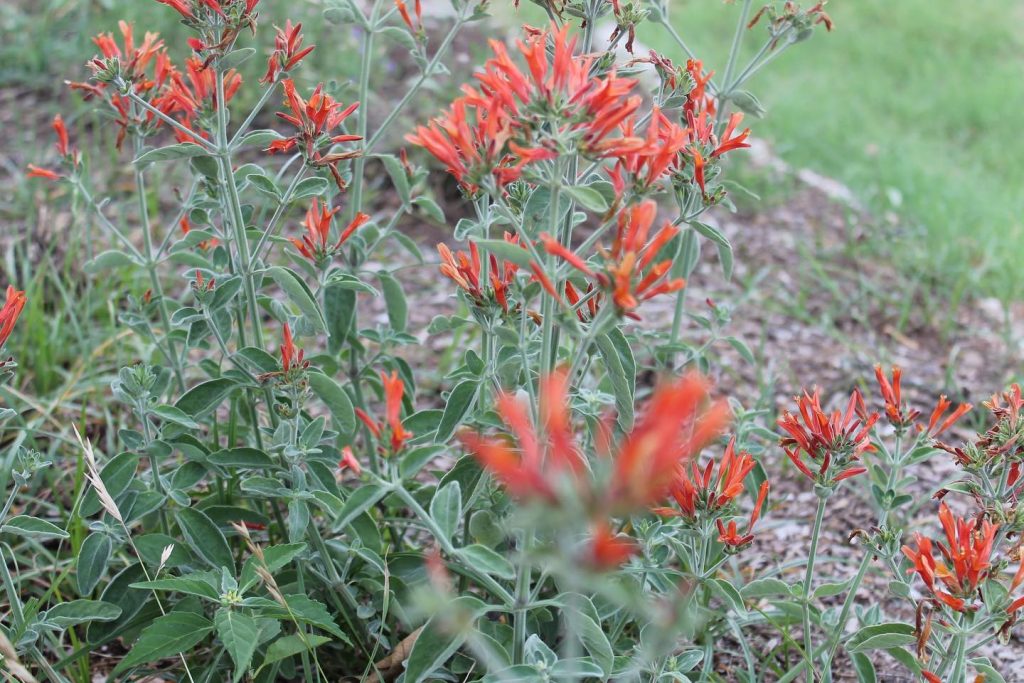
The hummingbird bush, scientifically known as Anisacanthus quadrifidus var. wrightii (though related species like Hamelia patens share the common name), is a native shrub native to the arid landscapes of Texas and northern Mexico. It’s celebrated for its tubular, flame-like flowers that unfurl in shades of fiery orange and red, perfectly shaped for hummingbirds to sip nectar from.
But beyond its role as a pollinator paradise, this plant excels in low-water gardens, tolerates harsh conditions, and adds year-round interest with its exfoliating bark and semi-evergreen foliage. In today’s world of sustainable landscaping, the hummingbird bush stands out as an eco-friendly choice.
It supports biodiversity by providing nectar for over 20 species of hummingbirds and butterflies, while its drought tolerance makes it ideal for water-conscious homeowners. According to gardening experts, plants like this can increase pollinator visits by up to 50% in urban yards.
If you’re looking to boost your garden’s appeal without endless upkeep, this is your plant. Over the next sections, we’ll uncover its history, features, care essentials, and more, so you can grow it with confidence.
Brief History and Classification
The story of the hummingbird bush begins in the sun-baked deserts and rocky outcrops of the Chihuahuan Desert, stretching across Texas, New Mexico, and into Mexico. Indigenous peoples, including the Apache and Coahuiltecan tribes, long recognized its value—not just for its beauty, but for practical uses.
They brewed teas from its leaves to soothe skin irritations and used the tough stems in basket weaving, a tradition that echoes in ethnobotanical records dating back centuries.
European settlers in the 19th century took notice during westward expansions, documenting the plant in early botanical surveys. By the early 1900s, it caught the eye of horticulturists like those at the Lady Bird Johnson Wildflower Center, who championed it as a native alternative to thirsty exotics.
Today, it’s a staple in xeriscaping programs across the Southwest, promoted for its role in conserving water amid climate challenges. I remember reading about its “rediscovery” in old garden journals; it’s humbling to think how a plant that survived millennia of drought now helps us adapt to our changing world.
Botanical Classification
Classifying the hummingbird bush reveals its evolutionary savvy. It belongs to the kingdom Plantae, phylum Tracheophyta (vascular plants), class Magnoliopsida (dicotyledons), order Lamiales (a group known for showy flowers), and family Acanthaceae (with over 2,200 species of shrubs)
The genus Anisacanthus (from Greek “anisos” meaning unequal and “akantha” for thorn) nods to its spiny relatives. Its species quadrifidus var. wrightii was named after botanist Charles Wright, who collected it in the 1840s.
This classification underscores its adaptations: The Acanthaceae family is famed for nectar-rich blooms that co-evolved with pollinators. Unlike its tropical cousins, A. quadrifidus var. wrightii thrives in arid zones, a testament to its resilience.
Related species like Hamelia patens (firebush) extend the name’s use to more humid regions, but for this guide, we’ll focus on the desert-adapted variety. Understanding this lineage helps explain why it’s so tough—it’s built for survival in extremes.
Key Features of the Hummingbird Bush
When I first held a hummingbird bush nursery tag, I was struck by how much detail fit into such a small space: scientific name, zones, sizes—the works. These features aren’t just specs; they’re the blueprint for success. Let’s break them down simply, so you can envision it in your own yard.
1. Names (Scientific and Common)
At its core, the hummingbird bush is Anisacanthus quadrifidus var. wrightii. The name “quadrifidus” refers to its four-cleft corolla, a fancy way of saying the flower splits into four parts for easy nectar access.
Common names come in large numbers, reflecting its fiery allure: flame acanthus (for its thorn-like stems and blazing blooms), Wright’s desert honeysuckle (honoring its collector and honeysuckle-like tubes), Texas firecracker (evoking explosive summer color), and Mexican flame (nodding to its border roots).
In local dialects, it’s sometimes called “honey bush” for the sweet sap that attracts wildlife. These aliases make it approachable, but the scientific tag ensures precision when sourcing plants.
2. USDA Hardiness Zones
This shrub shines in USDA zones 7b to 10a, where winters rarely dip below 5°F (-15°C). In zone 7, it may die back to the ground but regrows vigorously from roots—I’ve seen mine bounce back after a surprise freeze, greener than ever.
Colder zones treat it as an annual, but with mulch, it pushes boundaries. Warmer zones (9-10) keep it evergreen, extending its appeal. Check your zone via the USDA map to confirm; it’s a quick step to matching plant to place.
3. Color Variations
Hummingbird bushes aren’t one-note wonders. The classic blooms are vivid orange-red, like a sunset captured in petals, but cultivars introduce twists: ‘San Carlos Red’ amps up crimson intensity for bolder displays, while ‘Dallas Red’ softens to a coral hue.
Foliage shifts too—from gray-green in dry spells to deeper emerald after rain. In fall, some varieties hint at yellow, tying into the plant’s seasonal rhythm. These variations let you customize: Go scarlet for drama or peach for subtlety.
In my garden, the standard orange draws the most hummers—proof that nature knows best.
4. Sun Exposure
Full sun is this plant’s love language—aim for 6-8 hours daily to spark profuse blooming. It tolerates partial shade (4-6 hours), but flowers thin out, and growth gets leggy. In my Texas-inspired plot, south-facing spots yield the best show; east-facing works if mornings are bright.
Avoid deep shade; it’s like denying a desert dweller its daily dose of rays. Pro tip: Position near patios for up-close viewing without scorching yourself.
5. Mature Size
Expect a mature height of 3-5 feet (0.9-1.5 m) and width of 3-4 feet (0.9-1.2 m), forming a rounded, bushy silhouette perfect for borders or accents. It won’t overwhelm small spaces but fill them with presence.
In ideal conditions, it can stretch to 6 feet, so prune to maintain shape. I love how one bush anchors my rock garden without crowding neighbors—versatile and unassuming.
6. Growth Rate
This is a moderate grower, adding 1-2 feet per year once established. Spring planting kickstarts it; by year two, you’ll see the framework fill in. It’s not rampant like invasives, but responsive to good care—rain after drought triggers spurts. Patience pays off; my first bush took two seasons to mature, but the blooms made it worthwhile.
7. Lifespan
With proper care, hummingbird bushes live 10-20 years, often longer in native soils. Roots endure beyond tops, so even “dead” plants rebound. I’ve had mine for seven years, and it’s only getting better. In containers, expect 5-10 years; repotting refreshes them.
8. Toxicity
Good news for pet owners: It’s non-toxic to humans, dogs, cats, and horses, per ASPCA guidelines. No stinging sap or poisonous parts to worry about. However, the small black berries (rarely produced in cultivation) can cause mild stomach upset if overeaten by kids or pets.
Butterflies and birds feast freely, adding to its wildlife-friendly vibe. These features paint a picture of a plant that’s as practical as it is poetic. Now, let’s explore its standout characteristics that make it more than just a bush—it’s a garden star.
Characteristics of the Hummingbird Bush
The hummingbird bush isn’t content with good looks; its traits are finely tuned for survival and spectacle. Let’s unpack what sets it apart, from foliage to flowers.
Foliage: Textured and Tough
Leaves are narrow, lance-shaped ovals, 1-2 inches long, with a soft gray-green hue that contrasts beautifully against red blooms. They’re semi-evergreen in mild winters, dropping only in hard freezes to reveal cinnamon-flaked bark—a winter bonus I adore for its subtle texture.
Serrated edges add interest, and the velvety feel invites touch. Drought stress turns them silvery, a natural camouflage in arid homes.
Flowers: Nectar Highways for Pollinators
Ah, the stars of the show: 1-1.5 inch tubular blooms in clustered spikes, erupting spring through fall. Shaped like tiny fireworks, they dangle invitingly, with four lobes flaring out for hummingbird bills. Nectar flows abundantly, rich in sugars that fuel those zippy flights.
Post-bloom, spent flowers fade gracefully, no messy cleanup needed. In my yard, they peak after summer rains, turning the bush into a living torch.
Fruits and Seeds: A Feast for Birds
Though less showy, small capsules follow flowers, splitting to release winged seeds. Black berries on related firebush varieties draw songbirds, but our desert type focuses on seed dispersal via wind. It’s a quiet contributor to ecosystems, supporting native food webs without fanfare.
Growth Habit and Adaptations: Built for the Wild
Upright and multi-stemmed, it forms a vase-like habit, widening with age. Thorny stems deter deer (a win in my book), while deep taproots chase water underground—key to its drought prowess. It rebounds from fire or flood, embodying resilience.
Ecological Role: A Pollinator Powerhouse
Beyond aesthetics, it’s an ecological MVP. Hummingbirds aren’t the only fans; butterflies like the Gulf fritillary and bees buzz in for pollen. It bolsters declining populations, as studies show native shrubs like this boost biodiversity by 30%.
In urban heat islands, it cools microclimates with shade and transpiration. Planting one isn’t just gardening—it’s conservation in action. From these characteristics, it’s clear why the hummingbird bush earns its hype. But beauty demands balance; Let’s discover how to keep it flourishing.
Comprehensive Care Guide for Hummingbird Bush
Caring for a hummingbird bush feels less like work and more like nurturing a friend. I’ve learned through trial (and a few errors) that consistency trumps complexity. Here’s a step-by-step breakdown.
1. Soil Requirements
Start with well-drained soil—sandy, loamy, or rocky blends mimic its native turf. pH? Neutral to slightly alkaline (6.0-8.0) is ideal; it shrugs off poor fertility. Avoid heavy clay that holds water; amend with grit if needed.
In pots, use cactus mix for aeration. Test your soil yearly—simple kits from garden stores guide adjustments. My secret: A handful of decomposed granite keeps roots happy and happy roots mean happy blooms.
2. Planting Instructions
Fall is prime planting time, post-heat but pre-frost, giving roots time to settle. Dig a hole twice the root ball’s width, same depth. Space 3-4 feet apart for air flow. Water deeply after planting, then mulch 2 inches deep (gravel or bark) to retain moisture and suppress weeds.
For containers, choose 5-gallon pots with drainage holes. I plant in groups of three for instant impact—trust me, it fills the space faster.
3. Watering Needs
Drought-tolerant once established (after 1-2 years), it needs weekly soaks in the first season. Overwatering invites rot; let topsoil dry 2 inches down before rehydrating. In extreme heat, a deep drink every two weeks perks it up. Drip irrigation works wonders for efficiency.
During my first summer, I overdid it and saw yellow leaves—lesson learned: Observe, don’t drown.
4. Sunlight and Temperature
As noted, full sun rules, but it handles 20-30% shade. Temps? It laughs at 100°F days and roots survive 0°F dips. Protect young plants from frost with covers. In cooler zones, site it against a south wall for warmth reflection.
5. Fertilizing
Skip heavy feeders; this native thrives on neglect. A spring dose of balanced, slow-release (10-10-10) at half-strength encourages blooms without legginess. Organic options like compost tea add microbes. Over-fertilizing? It leads to weak growth. I fertilize once yearly, and that’s plenty—nature does the rest.
6. Pruning and Maintenance
Prune in late winter/early spring, cutting back 1/3 to remove dead wood and encourage bushiness. Shear after blooms for shape; it rebounds fast. Remove suckers to prevent spread.
Tools: Clean shears to avoid disease. Gloves for thorns! My routine: Annual trim keeps it tidy and blooming profusely.
7. Propagation Methods
Easy to propagate: Softwood cuttings in spring (4-6 inches, rooted in sand/perlite under mist) or seeds sown shallowly in fall. Layering works too—pin a low branch to soil until rooted. Success rate? High, with 70% rooting in weeks. I’ve rooted cuttings in water on my windowsill—free plants for friends.
8. Overwintering Tips
In zones 7-8, mulch roots heavily; it resprouts. Zone 6? Dig and pot indoors. Containers move to garages. Water sparingly in dormancy. Come spring, it’s like nothing happened.
With this care blueprint, your hummingbird bush will reward you tenfold.
But what if problems arise? Let’s troubleshoot.
Common Problems with Hummingbird Bush
Even tough plants hit snags. Here’s how to spot and fix issues, drawn from my own garden gremlins.
Pests
Aphids and spider mites love tender new growth—yellow spots and webbing signal trouble. Blast with water or neem oil; ladybugs are natural allies. Deer nibble leaves? Thorny stems usually deter, but fencing helps. Rare whiteflies? Insecticidal soap zaps them.
Prevention: Healthy plants resist best.
Diseases
Root rot from soggy soil shows as wilting despite wet feet—improve drainage promptly. Powdery mildew (white powder on leaves) hits in humid shade; prune for air and apply baking soda spray. Fungal leaf spots? Remove affected parts and apply fungicide if severe. I caught rot once by repotting immediately—saved the bush.
Environmental Stress
Leggy growth? Too much shade—relocate. Scorched leaves? Full sun shock; acclimate gradually. Winter dieback? Normal; prune and wait. Drought stress curls leaves—deep water revives.
Nutrient Imbalances
Yellowing? Nitrogen lack—light compost fixes. Stunted blooms? Phosphorus boost via bone meal. Test the soil to pinpoint.
Quick fixes keep problems minor. Vigilance is key—weekly checks catch issues early.
Design Ideas: Incorporating Hummingbird Bush into Your Landscape
Now for the fun part: Styling! This versatile shrub fits anywhere.
Garden Placement
Grow it where it shines
- Borders: Line walkways for pops of color.
- Xeriscapes: Pair with agave and yucca for desert drama.
- Foundations: Softens house edges. I cluster three in my front bed—hummingbird highway!
Companion Plants
Mix with salvia (red for synergy), lantana (butterfly bonus), and penstemon (height contrast). Natives like milkweed add monarch hosts. Avoid invasives; stick to drought-mates.
Container Gardening
Thrives in 10-15 gallon pots; refresh soil yearly. Elevate for Hummers. My deck pot version draws urban birds—city oasis.
Landscaping Tips
Mass plant for hedges; single for focal points. Mulch contrasts with bark. These ideas turn your yard into a vibrant ecosystem.
Personal Stories
To bring it alive, hear from fellow enthusiasts. These gardeners share their Hummingbird bush journeys:
Sarah from Austin: “My first bush survived a brutal drought—blooms everywhere now. Hummers fight over it!”
Tom in Phoenix: “Potted mine; moved indoors winters. Five years strong, endless joy.”
Me? That patio epiphany led to a full pollinator patch. Yours could too.
FAQs
Frequently asked questions (FAQs) about hummingbird bush
Q: How often should I water my new hummingbird bush?
A: Weekly for the first year, then only during prolonged dry spells. Let soil dry between.
Q: Can hummingbird bush grow in pots?
A: Yes! Use a well-draining mix; repot every 2-3 years.
Q: Is it deer-resistant?
A: Mostly—thorns help, but young plants may need protection.
Q: When does it bloom?
A: Spring to fall, peaking after rain.
Q: What’s the best fertilizer?
A: Light, balanced in spring; organic preferred.
Q: Does it attract only hummingbirds?
A: No—butterflies, bees too!
Q: Can I prune anytime?
A: Best late winter; light trims post-bloom.
Q: Is it invasive?
A: No, well-behaved native.
Q: How big does it get?
A: 3-5 feet tall/wide.
Q: Safe for pets?
A: Yes, non-toxic.
Final thoughts
From its desert heritage to its role as a wildlife whisperer, the hummingbird bush embodies gardening’s joys: beauty, ease, and connection to nature. As I’ve watched mine evolve from sapling to spectacle, I’ve gained more than flowers—I’ve gained wonder. Plant one today, and let the hum begin. Your garden, and its feathered visitors, will thank you.

Tim M Dave is a gardening expert with a passion for houseplants, particularly cacti and succulents. With a degree in plant biology from the University of California, Berkeley, he has vast experience in gardening. Over the years, he has cultivated a vast collection of desert plants and learned a great deal about how to grow and care for these unique companions.