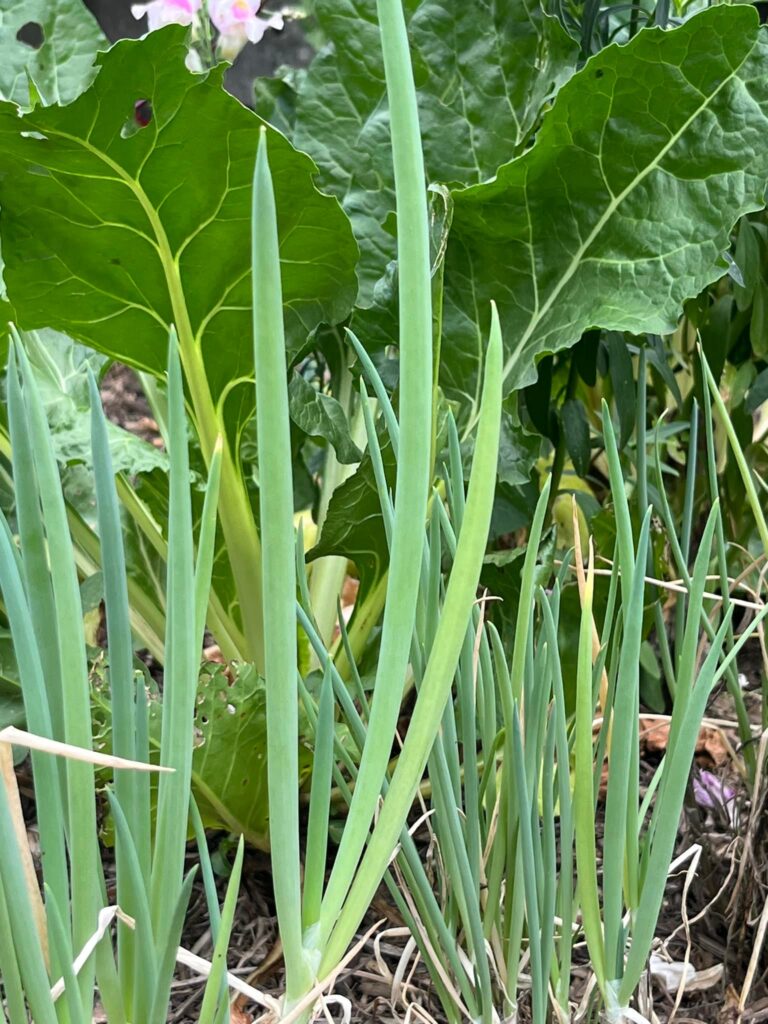
From Seed to Harvest: How to Grow Kale at Home – Complete Guide
Kale is one of the most rewarding vegetables you can grow. It is tough, productive, and packed with nutrition. Whether you have a large backyard garden, a raised bed, or even a few containers on a balcony, kale fits right in.
I have grown kale in both cold winters and warm summers, and what continues to impress me is just how adaptable this plant is. With the right steps, you can enjoy fresh kale for months — sometimes even year-round.
This guide covers everything you need to know: from understanding what kale needs, to planting, caring for, and harvesting your crop. Let’s get into it.
What Is Kale, and Why Should You Grow It?
Kale (Brassica oleracea var. sabellica) is a leafy green vegetable that belongs to the cruciferous family, which also includes cabbage, broccoli, and Brussels sprouts. It has been cultivated for over 2,000 years and remains one of the most nutrient-dense foods available today.
Kale is rich in vitamins A, C, and K, as well as calcium, iron, and antioxidants. It supports bone health, promotes heart health, and has been studied for its potential role in reducing inflammation.
From a gardening perspective, kale is equally impressive. It is cold-hardy, tolerating frosts that would kill most other vegetables. It grows quickly, produces continuously, and requires relatively little space. For beginner and experienced gardeners alike, kale is a smart, satisfying choice.
Choosing the Right Kale Variety
Before you plant, it helps to know the different types of kale available. Each variety has its own flavour profile, texture, and growth habit.
Curly Kale (Scots Kale) is the most common variety found in supermarkets. It has tightly ruffled, bright green leaves and a slightly bitter, robust flavour. It grows well in most climates and is particularly cold-tolerant.
Lacinato Kale (also called Dinosaur Kale or Tuscan Kale) has long, dark blue-green leaves with a bumpy texture. The flavour is slightly sweeter and more tender than curly kale. Many chefs prefer it for cooking because it holds its structure well under heat.
Red Russian Kale has flat, feathery leaves with a reddish-purple hue. It is one of the most tender varieties, making it excellent for raw salads. It also handles light frosts well.
Siberian Kale is among the hardiest varieties available. It grows large leaves quickly and is ideal for colder climates where other varieties might struggle.
Ornamental Kale, while edible, is grown primarily for its striking visual appearance in garden borders. The flavour is acceptable but not as rich as culinary varieties.
For most home gardeners, curly kale or Lacinato kale are the easiest starting points. If you want a more tender, salad-ready option, Red Russian kale is worth trying.
Understanding Kale’s Growing Requirements
Kale is forgiving, but it grows best when its core needs are met. Understanding these requirements upfront saves a lot of trouble later.
Climate and Temperature
Kale is a cool-season crop. It thrives in temperatures between 7°C and 24°C (45°F to 75°F). Mild frosts actually improve the flavour of kale — cold temperatures convert some of the plant’s starches into sugars, producing a sweeter, more pleasant taste.
Kale can survive temperatures as low as -7°C (20°F) once established. In warmer climates, it is best grown in autumn, winter, and early spring to avoid the intense summer heat, which causes the plant to bolt (flower and go to seed prematurely) and become bitter.
Sunlight
Kale prefers full sun, meaning at least six hours of direct sunlight per day. However, it tolerates partial shade better than most vegetables. In very hot climates, some afternoon shade is actually beneficial — it keeps the leaves from wilting and slows bolting.
Soil
Good soil is the foundation of a healthy kale crop. Kale grows best in well-draining, fertile soil with a pH between 6.0 and 7.5. Slightly acidic to neutral soil suits it well.
Before planting, work compost or aged manure into the top 20–30 cm (8–12 inches) of soil. This improves drainage in heavy clay soils, helps sandy soils retain moisture, and adds the nutrients kale needs to grow vigorously.
If you are unsure of your soil’s pH, a simple soil test kit (available at most garden centres) will tell you where you stand. If the pH is too low, adding agricultural lime will raise it. If it is too high, sulphur can bring it down.
When to Plant Kale
Timing matters with kale. Because it is a cool-season crop, you want to plant it so that the majority of its growth happens during cooler months.
For a spring harvest, plant seeds or seedlings 4–6 weeks before the last expected frost date in your area. Kale is frost-tolerant, so a light frost after planting is not a serious concern.
For an autumn and winter harvest — which many gardeners consider the most rewarding — plant kale in mid to late summer (approximately 6–8 weeks before the first autumn frost). By the time frost arrives, your plants will be established and ready to sweeten up.
In mild-winter regions (USDA Zones 8–10 or equivalent), kale can be grown as a year-round crop with minimal protection.
How to Plant Kale: Step-by-Step
Starting from Seed Indoors
If you want an early start, begin seeds indoors 4–6 weeks before your planned outdoor planting date.
- Fill small seed trays or pots with a good-quality seed-starting mix.
- Sow seeds approximately 0.5–1 cm (¼–½ inch) deep, two to three seeds per cell.
- Water gently and place in a warm location. Kale seeds germinate best at 16–24°C (60–75°F) and typically sprout within 5–10 days.
- Once seedlings emerge, move them to a bright location or under grow lights for at least 14–16 hours of light per day.
- When seedlings have two to three true leaves, thin to one plant per cell by snipping the weaker ones at soil level.
- Harden off seedlings before transplanting outdoors by gradually exposing them to outdoor conditions over 7–10 days.
Direct Sowing Outdoors
Direct sowing is simpler and works well for both spring and autumn plantings.
- Prepare the soil thoroughly, removing any rocks, clumps, or weeds.
- Sow seeds 0.5–1 cm deep, spacing them roughly 8–10 cm (3–4 inches) apart in rows 45–60 cm (18–24 inches) apart.
- Water gently after sowing and keep the soil consistently moist until germination.
- Once seedlings are 5–8 cm (2–3 inches) tall, thin them to a final spacing of 45–60 cm (18–24 inches) apart. Crowded kale plants compete for nutrients and light, leading to smaller harvests.
Transplanting Seedlings
If you started seeds indoors or purchased transplants from a nursery:
- Dig a hole slightly deeper than the root ball of the seedling.
- Place the seedling in the hole, making sure the base of the stem is at or just below soil level.
- Firm the soil around the roots and water thoroughly.
- Space transplants 45–60 cm (18–24 inches) apart in all directions.
How to Grow Kale in Containers
Kale adapts well to container gardening, making it a great option for patios, balconies, and small urban spaces.
Choose a pot at least 30–45 cm (12–18 inches) deep and wide to allow enough root development. Larger containers retain moisture better and support bigger plants.
Use a high-quality potting mix enriched with compost. Container-grown kale dries out faster than garden-grown kale, so check soil moisture frequently — daily during warm weather — and water when the top 2–3 cm of soil feels dry.
Feed container kale every two to three weeks with a balanced liquid fertiliser, as nutrients leach out quickly with regular watering.
Caring for Your Kale Plants
Watering
Consistent moisture is key to healthy kale. The plant needs approximately 2.5 cm (1 inch) of water per week, whether from rainfall or supplemental irrigation. Irregular watering causes the leaves to become tough or develop an overly bitter taste.
Water deeply and less frequently rather than shallowly every day. Deep watering encourages roots to grow downward, making plants more drought-resistant over time. Drip irrigation or soaker hoses are ideal because they deliver water directly to the root zone without wetting the foliage, which can encourage disease.
Fertilising
Kale is a heavy feeder, particularly for nitrogen, which promotes leafy, green growth. Apply a balanced fertiliser (such as 10-10-10) at planting time, working it into the top layer of soil.
Side-dress plants with compost or a nitrogen-rich fertiliser every 4–6 weeks during the growing season. Be careful not to over-apply nitrogen once plants are well established — excessive nitrogen late in the season promotes soft, lush growth that is more susceptible to frost damage and pests.
Mulching
Apply a 5–8 cm (2–3 inch) layer of organic mulch (such as straw, shredded leaves, or wood chips) around the base of your kale plants. Mulch does several important things: it retains soil moisture, regulates soil temperature, suppresses weeds, and adds organic matter to the soil as it breaks down.
In cold climates, mulch provides an extra layer of insulation, protecting roots from hard freezes.
Weeding
Weeds compete with kale for water, nutrients, and light. Keep the area around your plants weed-free, especially during the first few weeks after planting when kale seedlings are most vulnerable. Once kale is established and starts spreading its leaves, it can shade out many weeds on its own.
Common Pests and How to Manage Them
Kale belongs to the brassica family, which is attractive to several insects. Knowing what to look for helps you act quickly.
Cabbage Worms and Cabbage Loopers are the larvae of white or yellow butterflies and moths. They are bright green and blend in with the leaves, making them hard to spot. Hand-pick them regularly and inspect the undersides of leaves for yellowish egg clusters. Bacillus thuringiensis (Bt), an organic spray, is very effective against caterpillars.
Aphids cluster on the undersides of leaves and under growing tips, sucking plant sap and causing leaves to curl and yellow. A strong jet of water can dislodge them. Insecticidal soap or neem oil also works well. Encouraging natural predators like ladybirds (ladybugs) is a long-term solution.
Flea Beetles create small holes in leaves, making them look like they were peppered with a shotgun. Row covers placed over young plants offer excellent physical protection.
Slugs and Snails tend to be most active during wet weather and at night. They leave irregular holes and a silvery slime trail. Diatomaceous earth sprinkled around plants and copper tape around container rims act as effective deterrents.
Common Diseases to Watch For
Clubroot is a soil-borne disease that causes roots to become swollen and distorted, stunting plant growth. It thrives in acidic soil. Maintaining a soil pH of 6.5–7.0 helps prevent it, as does rotating brassica crops each year.
Downy Mildew appears as yellow patches on the upper leaf surface with grey mould underneath. Improve air circulation between plants and avoid overhead watering to reduce humidity.
Black Rot causes yellow, V-shaped lesions on leaf edges and blackened veins. It spreads quickly in wet conditions. Remove affected plants promptly and avoid working in the garden when plants are wet.
Crop rotation — not planting brassicas in the same location more than once every three to four years — is the single most effective preventive measure against soil-borne diseases.
How to Harvest Your Kale
One of the best things about growing kale is the continuous harvest model. Unlike head vegetables that are pulled all at once, kale can be harvested leaf by leaf over a long period.
Start harvesting when leaves are 20–30 cm (8–12 inches) long, which typically happens 50–70 days after direct sowing (less for transplants). Do not wait for leaves to become very large — they become tough and bitter with age.
Always harvest from the bottom of the plant upward, leaving the central growing tip (the crown) intact. This allows the plant to keep producing new leaves from the centre. Removing too many upper leaves or the central crown will slow regrowth considerably.
Use clean scissors or garden shears to cut stems cleanly, avoiding tearing which can invite disease.
During active growth, you can harvest every one to two weeks. A single plant, managed well, can produce for several months or even an entire season.
Storing and Preserving Kale
Fresh kale stores well in the refrigerator. Wrap unwashed leaves in a damp paper towel and place in a sealed bag or container. It stays fresh for up to one week.
For longer storage, blanching and freezing is effective. Wash leaves, remove the central stems, blanch in boiling water for two to three minutes, cool immediately in ice water, drain, and freeze in portions. Frozen kale retains its nutritional value and works well in soups, smoothies, and cooked dishes.
Tips for Growing Kale Successfully
- Plant in succession. Sow new seeds every three to four weeks during the appropriate season for a continuous supply.
- Grow alongside companion plants. Kale benefits from being planted near garlic, onions, and herbs like dill or mint, which deter pests. Avoid planting near other brassicas, as they share the same pests and diseases.
- Let a plant flower if you want seeds. If you allow one kale plant to bolt and set seed, you can collect and save seeds for next year’s crop.
- Taste your kale after a frost. Many growers are pleasantly surprised by how much sweeter it becomes once cold weather arrives. This is one of the joys of growing kale in autumn and winter.
- Grow under row cover or a cold frame to extend the season in colder climates, harvesting well into late winter.
Final Thoughts
Growing kale is genuinely one of the more satisfying experiences in vegetable gardening. It does not demand much from you — just good soil, consistent moisture, and a little attention to pests. In return, it gives you an abundant, nutritious harvest that stretches across the cooler months.
Whether you are planting your first vegetable garden or adding kale to an existing plot, the process is straightforward and the results are rewarding. Start with a variety you enjoy eating, follow the basic planting and care steps outlined here, and harvest regularly to keep the plant producing.
There is something quietly satisfying about pulling fresh kale leaves from your own garden, knowing exactly how they were grown. Give it a try this season — you may find it becomes a permanent fixture in your garden.
References
- University of Minnesota Extension — Growing Kale in Minnesota Home Gardens https://extension.umn.edu/vegetables/growing-kale
- Oregon State University Extension Service — Kale in the Garden https://extension.oregonstate.edu/gardening/vegetables/kale-garden
- Penn State Extension — Kale: Planting, Growing, and Harvesting https://extension.psu.edu/kale
- University of California Agriculture and Natural Resources (UC ANR) — Kale: Brassica oleracea https://ucanr.edu/sites/alternativecrops/Kale
- Cornell University Cooperative Extension — Cornell Vegetable Program — Kale Production https://cvp.cce.cornell.edu/submissionext.php?id=kale

Tim M Dave is a gardening expert with a passion for houseplants, particularly cacti and succulents. With a degree in plant biology from the University of California, Berkeley, he has vast experience in gardening. Over the years, he has cultivated a vast collection of desert plants and learned a great deal about how to grow and care for these unique companions.