Understanding Hawthorns: History, Care Details and Common Problems
Hawthorns have been cherished for centuries. Belonging to the Crataegus genus, these plants have woven their way into folklore, medicine, and landscapes across the globe. In ancient Greece and Rome, hawthorn berries were used to treat heart ailments, a practice that persists in modern herbal medicine.
Celtic traditions linked hawthorns to protection and magic, often planting them near homes to ward off evil spirits. In medieval Europe, hawthorn hedges marked property boundaries, a tradition I’ve seen in the English countryside, where their thorny branches create natural fences.
My first encounter with hawthorns was during a hike in rural Ireland. Their gnarled branches and bright red berries caught my eye, and I liked them. Native to temperate regions of Europe, Asia, and North America, hawthorns have been cultivated since at least the 1st century AD.
They’ve served as ornamental plants, medicinal resources, and wildlife havens. Their ability to thrive in tough conditions makes them a symbol of resilience. Their history too, adds a layer of magic to every garden. Let’s explore more about this beautiful plant.
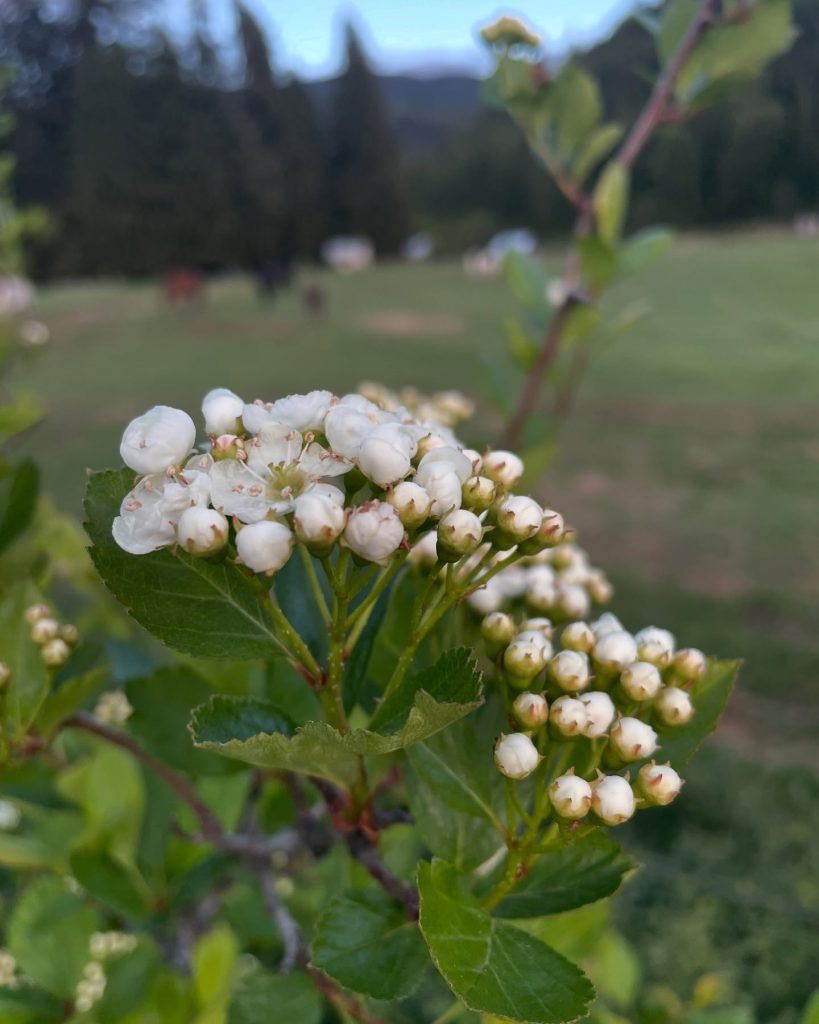
Classification of Hawthorn
Hawthorns belong to the Rosaceae family, sharing lineage with roses, apples, and pears. The Crataegus genus is vast, with estimates of 200 to 1,000 species due to frequent hybridization.
Common species include Crataegus monogyna (common hawthorn), Crataegus laevigata (English hawthorn), and Crataegus phaenopyrum (Washington hawthorn). This diversity can make classification tricky, but it’s also what makes hawthorns so exciting.
Taxonomic Breakdown:
- Family: Rosaceae
- Genus: Crataegus
- Species: Hundreds, including monogyna, laevigata, viridis, and phaenopyrum
- Hybrids: Common due to crossbreeding, leading to unique variations
As a gardener, I love how each species offers something special—different leaf shapes, berry colors, or growth habits. Whether you want a towering tree or a compact shrub, there’s a hawthorn for every space.
Characteristics of Hawthorn
Hawthorns are deciduous trees or shrubs known for their thorny branches, lobed leaves, and clusters of flowers and berries. They’re tough, beautiful, and versatile. Here’s a detailed look at their features:
- Scientific Name: Crataegus spp. (e.g., Crataegus monogyna, Crataegus laevigata)
- Common Names: Hawthorn, thornapple, May-tree, whitethorn, quickthorn
- USDA Zone: 4–8 (some species tolerate zone 3)
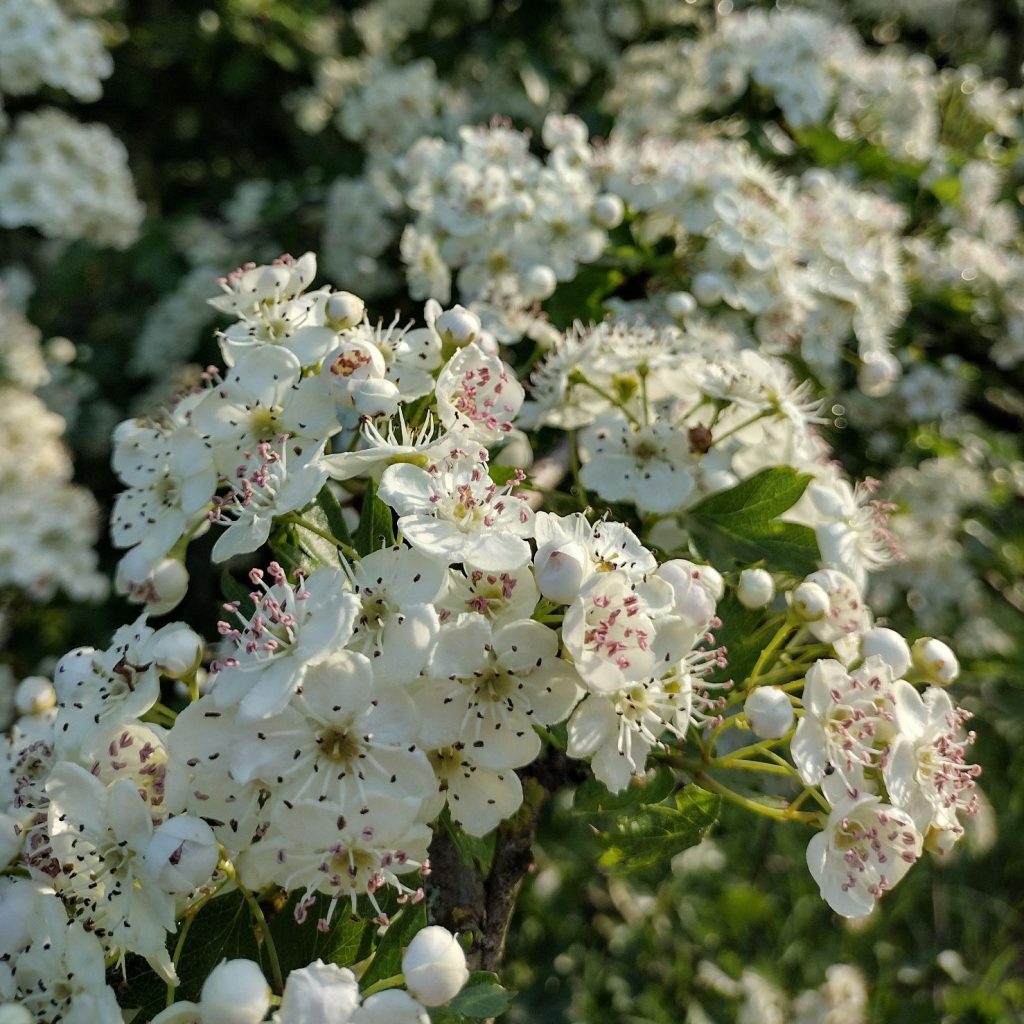
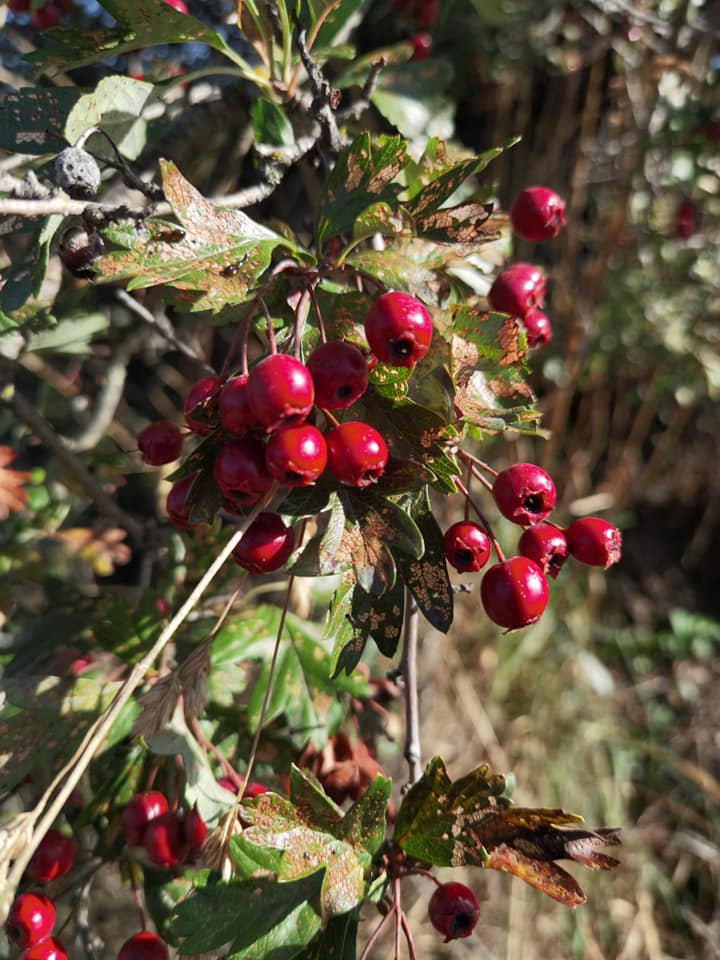
- Color Variation: Flowers can be white, pink, or red, blooming in spring. Berries (Haws), on the other hand, can be red, orange, yellow, or black, ripening in the fall
- Sun Exposure: Full sun to partial shade (6+ hours of sunlight for best results)
- Mature Size: Trees can reach 15–30 feet tall and wide, while shrubs 6–15 feet tall and wide.
- Growth Rate: Moderate (1–2 feet per year)
- Lifespan: 100–150 years with proper care
- Toxicity: Non-toxic to humans and pets, though raw berries are bitter and best processed (e.g., in teas, jams). Thorns can cause injury.
I’m always struck by how hawthorns balance beauty and toughness. Their spring blossoms attract bees and butterflies, while their fall berries feed birds like cedar waxwings. Those thorns, though? They’re a reminder to wear gloves!
Caring for Hawthorn Plants
Growing hawthorns is rewarding, but they need consistent care to thrive. Over the years, I’ve fine-tuned my approach to keep my hawthorns healthy and vibrant. Below, I’ll break down each aspect of care in detail, sharing tips and personal insights to help you succeed.
1. Soil Requirements
Hawthorns aren’t fussy about soil, which is a relief for gardeners like me with less-than-perfect dirt. They prefer well-drained, loamy soil with a pH of 6.0–7.5, but they’ll tolerate clay, sandy, or even rocky soils.
Tips for Soil Preparation:
- Test your soil’s pH and amend with lime (to raise pH) or sulfur (to lower it) if needed.
- Mix in compost or aged manure when planting to improve drainage and fertility.
- Avoid waterlogged areas, as hawthorns hate soggy roots.
I planted my first hawthorn in heavy clay soil, and it struggled until I added compost. Now, it’s thriving.
2. Watering Needs
Young hawthorns need regular watering to establish strong roots, especially in their first two years. Mature plants are drought-tolerant, but they still benefit from occasional deep watering during dry spells.
Watering Schedule:
- Year 1–2: Water once a week, providing 1–2 inches of water.
- Mature Plants: Water every 2–3 weeks during drought, soaking the root zone.
- Use mulch (e.g., wood chips) to retain moisture and reduce evaporation.
I learned the hard way that overwatering can cause root rot. Now, I check the soil before watering—if it’s dry 2 inches down, it’s time to water. This is particularly for dwarf varieties which are grown in pots.
3. Light Requirements
Hawthorns love sunlight. Full sun (6+ hours daily) ensures abundant flowers and berries, but they can handle partial shade with slightly reduced blooms.
Light Tips:
- Plant in an open area away from tall structures or trees that cast shade.
- In partial shade, expect fewer flowers but healthy foliage.
- Rotate container-grown hawthorns to ensure even light exposure.
My backyard hawthorn gets partial shade from a nearby oak, and while it’s still beautiful, its sunny counterpart across the yard blooms like crazy.
4. Fertilizing
Hawthorns don’t need heavy feeding, but a little fertilizer boosts growth and flowering. I use a balanced fertilizer in spring to give them a kickstart.
Fertilizing Tips:
- Apply a 10-10-10 (nitrogen-phosphorus-potassium) fertilizer in early spring.
- Spread granular fertilizer around the drip line, avoiding the trunk.
- Don’t over-fertilize—it leads to leafy growth at the expense of flowers.
One year, I got carried away with fertilizer, and my hawthorn grew like a weed but barely flowered. Less is more!
5. Pruning
Pruning keeps hawthorns tidy, promotes airflow, and reduces disease risk. It’s also a chance to shape them for hedges or ornamental trees. Those thorns, though, mean you need to be careful.
Pruning Tips:
- Prune in late winter or early spring before new growth starts.
- Remove dead, damaged, or crossing branches to improve the structure.
- Wear thick gloves and long sleeves to avoid thorn injuries.
- Sterilize pruning tools to prevent disease spread.
I prune my hawthorns annually, and it’s like giving them a haircut—they look sharper and healthier afterward.
6. Propagation
Propagating hawthorns lets you expand your garden or share plants with friends. They can be propagated via seeds, cuttings, or grafting, though each method has its challenges.
Propagation Methods:
- Seeds: Collect ripe berries, extract seeds, and cold-stratify for 12–18 months. Germination is slow but rewarding.
- Cuttings: Take 6-inch softwood cuttings in summer, dip in rooting hormone, and plant in a moist, sandy mix.
- Grafting: Common for ornamental varieties; graft onto a compatible rootstock in late winter.
I’ve had success with cuttings, but seeds tested my patience. If you’re impatient like me, go for cuttings!
7. Winter Care
Hawthorns are hardy, but young plants need extra protection in harsh winters, especially in USDA zones 3–4.
Winter Tips:
- Mulch around the base (2–4 inches deep) to insulate roots.
- Wrap young trees in burlap to shield from wind and frost.
- Avoid pruning in fall, as it stimulates growth vulnerable to cold.
My zone 5 hawthorn sailed through winter with mulch and a burlap wrap its first year. Now, it’s tough enough to handle snow on its own.
8. Container Growing
For small spaces or patios, hawthorns can thrive in containers, though they need more attention than ground-planted ones.
Container Tips:
- Use a large pot (15–20 gallons) with drainage holes.
- Fill with a mix of potting soil and compost.
- Water more frequently than in-ground plants, as containers dry out faster.
- Repot every 2–3 years to refresh soil and prevent root-binding.
I keep a dwarf hawthorn in a pot on my patio, and it’s a conversation starter when guests see its tiny berries!
Common Problems with Hawthorn
Hawthorns are tough, but they’re not immune to issues. Below, I’ll detail the most common problems I’ve faced and how to manage them. Each issue includes symptoms, causes, and solutions to keep your hawthorns thriving.
1. Cedar-Hawthorn Rust
This fungal disease, caused by Gymnosporangium globosum, is a headache for hawthorn growers. It spreads from nearby junipers or cedars, creating a cycle of infection.
- Symptoms: Yellow-orange spots on leaves, deformed or discolored berries, and premature leaf drop.
- Causes: Spores from infected junipers carried by wind or rain.
Solutions
- Remove nearby junipers if possible (tough, I know!).
- Apply a fungicide (e.g., sulfur-based) in spring before symptoms appear.
- Prune and destroy affected leaves to reduce spore spread.
My experience: My hawthorn got rust after a wet spring. I applied fungicide and removed infected leaves, and it recovered by summer.
2. Fire Blight
Fire blight, caused by the bacterium Erwinia amylovora, is a serious threat that can kill branches or entire plants if unchecked.
- Symptoms: Blackened, wilted leaves and branches that look scorched; cankers on stems.
- Causes: Bacteria spread through rain, insects, or pruning tools.
Solutions
- Prune affected branches 12 inches below symptoms, sterilizing tools between cuts.
- Apply a copper-based bactericide in early spring.
- Avoid overhead watering to keep foliage dry.
My Experience: I lost a branch to fire blight but caught it early. Pruning and bactericide saved the rest of the tree.
3. Powdery Mildew
This fungal disease, caused by Podosphaera clandestina, creates a white, powdery coating on leaves, especially in humid conditions.
- Symptoms: White or grayish patches on leaves, stunted growth, and distorted flowers.
- Causes: Poor air circulation, high humidity, or shaded conditions.
Solutions
- Improve airflow by pruning crowded branches.
- Apply a fungicide (e.g., neem oil) at the first sign of mildew.
- Water at the base, not overhead, to keep leaves dry.
My Experience: My shaded hawthorn got powdery mildew last summer. Thinning the canopy and using neem oil cleared it up.
4. Aphids
Aphids are tiny sap-sucking pests that can weaken hawthorns and spread viruses.
- Symptoms: Curling leaves, sticky residue (honeydew), and sooty mold growth.
- Causes: Aphids thrive in warm weather and on new growth.
Solutions
- Spray with insecticidal soap or neem oil.
- Introduce natural predators like ladybugs.
- Hose off aphids with a strong water jet.
My Experience: Aphids once hit my young hawthorn’s new shoots. A quick neem oil spray kept them under control.
Scale Insects
Scale insects are small, immobile pests that latch onto stems and leaves, sucking sap and weakening the plant.
- Symptoms: Small, waxy bumps on stems or leaves; yellowing foliage; sticky honeydew.
- Causes: Scales spread through wind or contaminated tools.
Solutions
- Scrape off scales with a soft brush.
- Apply horticultural oil to suffocate them.
- Monitor regularly, as scales can persist.
My Experience: I found scale on my hawthorn’s lower branches. Horticultural oil worked wonders, but I check weekly now.
5. Thorn Injuries
While not a disease, hawthorn’s thorns are a common issue for gardeners and pets.
- Symptoms: Punctures or scratches from handling or brushing against thorns.
- Causes: Sharp thorns on branches, especially during pruning.
Solutions
- Wear thick gloves, long sleeves, and eye protection when pruning.
- Keep hawthorns away from high-traffic areas or pet zones.
- Trim lower branches to reduce risk.
My Experience: I learned my lesson after a thorn scratched my arm. Now, I suit up like a knight before pruning!
6. Root Rot
Root rot, caused by fungi like Phytophthora, occurs in poorly drained soils and can kill hawthorns.
- Symptoms: Wilting, yellowing leaves, stunted growth, and mushy roots.
- Causes: Overwatering or waterlogged soil.
Solutions
- Ensure well-drained soil at planting.
- Reduce watering and improve drainage with gravel or raised beds.
- Remove and replace severely affected plants.
My Experience: I lost a young hawthorn to root rot before I understood drainage. Now, I check soil moisture religiously.
Why Hawthorns Are Worth Growing
Hawthorns are more than just plants—they’re ecosystem powerhouses. Their spring flowers attract pollinators, and their fall berries feed birds through winter. I love watching robins and waxwings flock to my hawthorn in autumn.
These plants are also low-maintenance, drought-tolerant, and add year-round interest with their blossoms, berries, and fall foliage. Their medicinal history fascinates me. Hawthorn berries are used in teas and supplements to support heart health, though I always consult a doctor before trying herbal remedies.
Folklore adds charm—legend says hawthorns protect against evil spirits. I’m not superstitious, but planting one near my home feels like a nod to tradition.
Popular Hawthorn Species
To give you more options, here are profiles of four popular hawthorn species:
1. Crataegus monogyna (Common Hawthorn)
- Features: White flowers, red berries, dense thorns.
- Best For: Hedges, wildlife gardens.
- Notes: Fast-growing but can be invasive in some areas.
2. Crataegus laevigata (English Hawthorn)
- Features: Pink or red flowers, red berries, fewer thorns.
- Best For: Ornamental trees, small gardens.
- Notes: ‘Crimson Cloud’ is a stunning cultivar.
3. Crataegus phaenopyrum (Washington Hawthorn)
- Features: White flowers, bright red berries, vibrant fall color.
- Best For: Urban landscapes, fall interest.
- Notes: More disease-resistant than other species.
4. Crataegus viridis (Green Hawthorn)
- Features: White flowers, red berries, smooth bark.
- Best For: Shade trees, large spaces.
- Notes: ‘Winter King’ is a popular, thornless variety.
Cultural and Practical Uses
Hawthorns shine in various roles:
- Landscaping: Use as specimen trees, hedges, or windbreaks.
- Wildlife gardens: Berries and flowers support birds and pollinators.
- Medicinal uses: Berries and leaves are used in heart-health supplements (consult a doctor).
- Folklore: Planted for protection in European traditions.
- Permaculture: Roots stabilize soil, and dense growth provides shelter.
I’ve used hawthorns as a hedge along my property line, and they’ve kept deer at bay while feeding birds. Win-win!
FAQs About Hawthorn
Q: Are hawthorn berries edible?
A: Yes, but raw berries are bitter. Process them into jams, teas, or syrups. Consult a professional before consuming.
Q: How fast do hawthorns grow?
A: They grow 1–2 feet per year under good conditions.
Q: Can hawthorns grow in shade?
A: They tolerate partial shade but bloom best in full sun.
Q: Are hawthorns invasive?
A: Some species, like Crataegus monogyna, can spread aggressively. Check local regulations.
Q: How long do hawthorns live?
A: Up to 100–150 years with proper care.
Q: Do hawthorns attract pests?
A: Aphids and scale can be issues, but natural predators or neem oil help.
Q: Can I grow hawthorns in pots?
A: Yes, dwarf varieties work well in large containers with proper care.
Q: Do hawthorns need a lot of maintenance?
A: No, they’re low-maintenance once established, needing occasional pruning and watering.
Final thoughts
Hawthorns are a gardener’s dream—tough, beautiful, and rich with history. From their heart-shaped leaves to their wildlife-friendly berries, they bring life to any landscape. With the right care, they’ll thrive for decades, offering beauty and benefits galore.
My hawthorns have taught me patience, resilience, and the joy of gardening. Whether you’re planting for aesthetics, wildlife, or tradition, hawthorns won’t disappoint. Try one in your garden, and let me know how it grows!
References
- Phipps, J. B. (2015). Crataegus (Hawthorn): A Review of the Genus. Botanical Journal of the Linnean Society, 178(3), 321–343.
- University of Maryland Extension. (2023). Hawthorn Trees and Shrubs: Care and Maintenance. extension.umd.edu.
- Missouri Botanical Garden. (2024). Crataegus monogyna. missouribotanicalgarden.org.
- Royal Horticultural Society. (2025). Growing Hawthorns: A Guide. rhs.org.uk.
- Foster, S., & Duke, J. A. (2014). Peterson Field Guide to Medicinal Plants and Herbs. Houghton Mifflin Harcourt.
- USDA Natural Resources Conservation Service. (2023). Crataegus Species Profile. plants.usda.gov.

Tim M Dave is a gardening expert with a passion for houseplants, particularly cacti and succulents. With a degree in plant biology from the University of California, Berkeley, he has vast experience in gardening. Over the years, he has cultivated a vast collection of desert plants and learned a great deal about how to grow and care for these unique companions.