Tips for Growing ZZ Plant Indoors: Your Guide to a Thriving Zanzibar Gem
I’ll never forget the day I brought home my first ZZ plant. Its glossy, dark green leaves and upright stems instantly added a touch of elegance to my cramped Chicago apartment. I was thrilled to find a plant that promised to thrive with minimal effort, perfect for my busy life.
But, like any new plant parent, I had my share of mishaps—overwatering, dim corners, and even a pest scare. Through trial and error, I’ve learned how to keep my ZZ plant flourishing, and I’m excited to share my journey with you.
The ZZ plant (Zamioculcas zamiifolia), native to East Africa, is a low-maintenance superstar. Its waxy, feather-like leaves and thick, water-storing rhizomes make it a survivor in varied conditions. This plant thrives in low light, tolerates neglect, and adds a sleek, modern vibe to any room.
From humid Florida homes to dry Arizona apartments, the ZZ plant adapts beautifully, making it a favorite for plant lovers like me. But even this tough plant needs some care to shine. Over the years, I’ve learned what makes a ZZ plant happy—and what stresses it out.
Why Choose a ZZ Plant for Your Home?
I fell for the ZZ plant because it’s practically foolproof. Here’s why it’s a great choice:
- Has low light tolerance, thus perfect for dimly lit apartments in cities like New York or Seattle.
- It has minimal watering needs. This makes it ideal for busy folks who forget to water (guilty!).
- Has great air-purifying qualities. It’s known to remove toxins like benzene.
- Compact size. It grows 2-3 feet tall indoors, fitting small spaces like urban lofts.
Note: ZZ plants are toxic to pets if ingested, so keep them out of reach. ASPCA Plant Safety Guide.
Setting Up Your ZZ Plant for Success
When I got my ZZ plant, I was clueless about where to start. Here’s how to set yours up for success.
Choosing the right spot
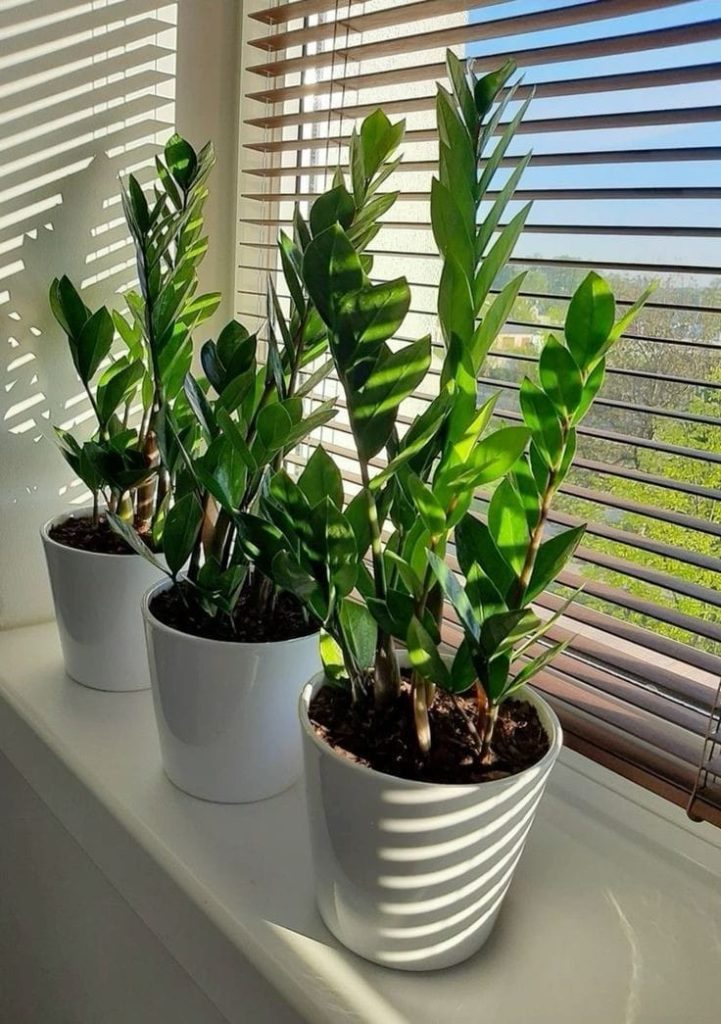
ZZ plants are flexible, but they love bright, indirect light. I placed mine near an east-facing window in my living room, where it gets morning sun filtered through a sheer curtain. If you’re in a low-light home, like a basement apartment, it’ll still grow, just slower.
Avoid direct sunlight, which can scorch leaves, especially in sunny states like Texas or California. If natural light is scarce, a grow light can boost growth without burning the leaves. Rotate your plant every few months for even growth.
Picking the perfect pot
My first mistake was using a pot without drainage holes. ZZ plants hate sitting in water, so choose a pot with drainage. Terracotta wicks moisture, great for humid climates like Louisiana. Ensure the pot is slightly larger than the root ball—ZZ plants like being snug but not cramped.
Selecting the right soil
ZZ plants need well-draining soil to avoid root rot. I use a mix of cactus potting soil and perlite for excellent drainage. In dry regions like Nevada, add a bit of peat moss to retain slight moisture. Avoid heavy potting soils, which stay wet too long.
Watering Your ZZ Plant – Less Is More
Watering was my biggest learning curve. I used to drench my ZZ plant weekly, thinking it needed constant hydration. Wrong! Its rhizomes store water, so it thrives on infrequent watering. Here’s how to get it right:
- Water only when the top 1-2 inches of soil are dry. I use a moisture meter to avoid guesswork.
- In my dry Colorado apartment, I water every 2-3 weeks in summer and monthly in winter. In humid areas like Florida, you might water every 3-4 weeks.
- How to Water: Pour water slowly until it drains out the bottom, then empty the saucer. Never let the pot sit in water.
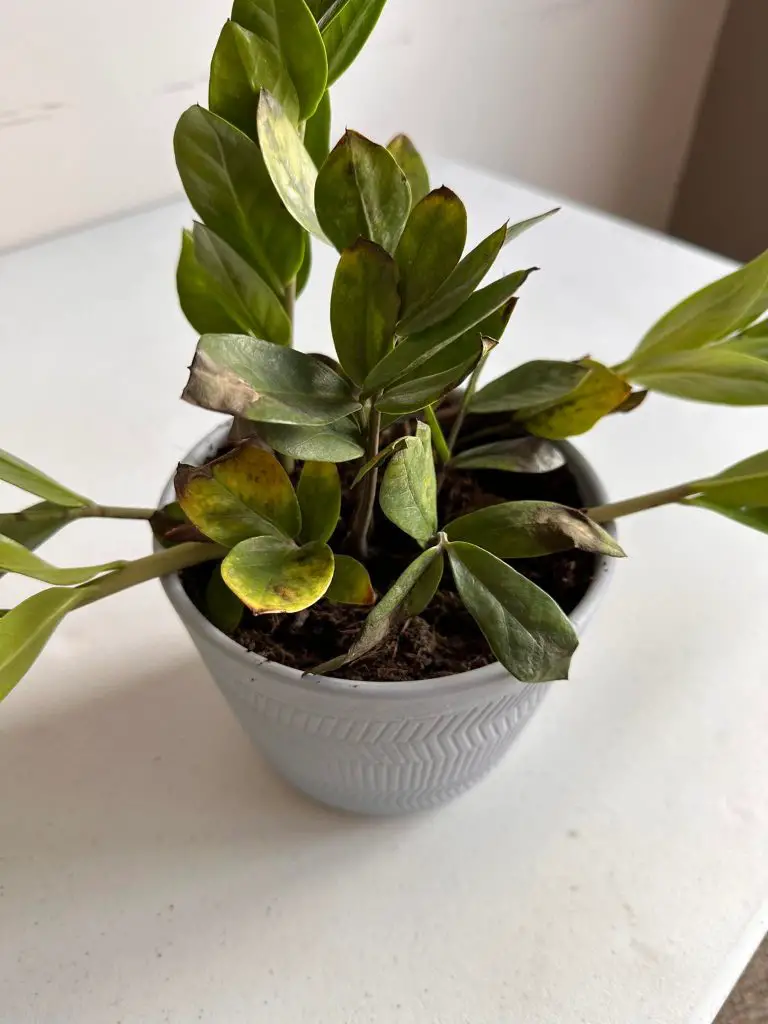
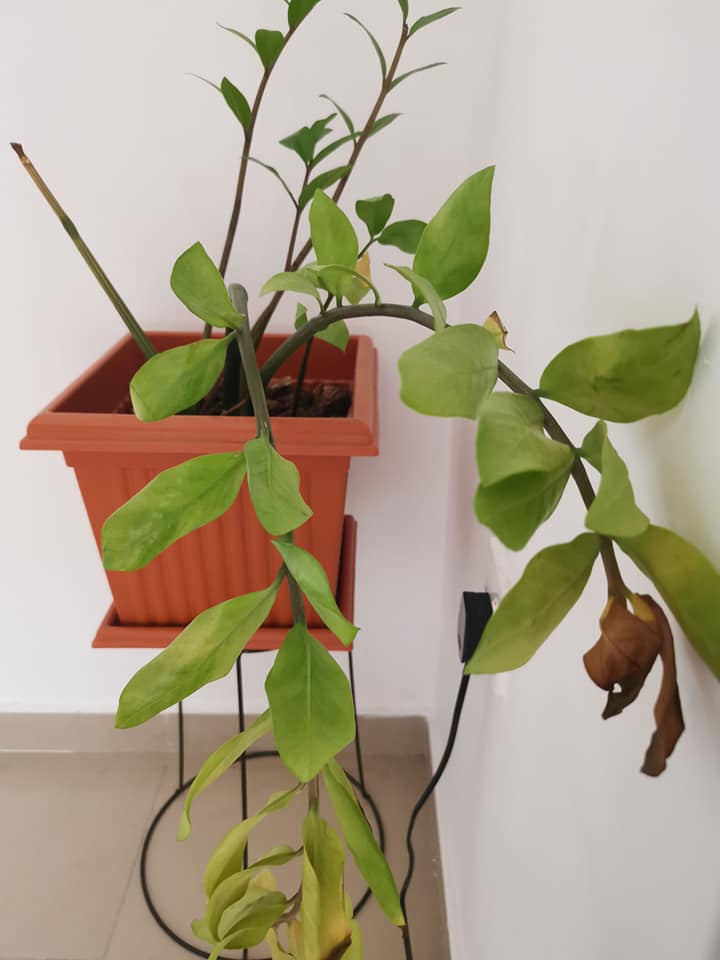
Signs of Overwatering: Yellowing leaves, mushy stems, or a musty smell. If this happens, stop watering and check for root rot. Check my guide on how to save your overwatered ZZ plant.
Signs of Underwatering: Crispy brown leaf tips or shriveled rhizomes. Give it a deep soak and adjust your routine. Read more on how to tell if your Zanzibar Gem is thirsty.
My Story: I once forgot to water my ZZ for six weeks during a hectic work period. The leaves were browning, but a thorough watering and a humidity boost revived it.
Lesson learned: neglect is bad, but overwatering is worse!
Light and temperature needs
ZZ plants are champs at handling varied conditions, but they have preferences:
Light: Bright, indirect light is ideal. My plant thrives near a window with filtered light. In low-light homes, like those in cloudy Seattle, it’ll survive but may grow slowly. Avoid direct sun, which can cause yellow or brown patches.
Temperature: Keep it between 65-85°F. ZZ plants hate cold drafts, so in chilly Northeast winters, move them away from windows. In hot climates like Arizona, avoid placing them near radiators or AC vents.
Humidity: Average household humidity (30-50%) is fine. In dry climates, I use a pebble tray with water under the pot to boost humidity slightly. In humid areas, ensure good airflow to prevent fungal issues.
Pro Tip: If leaves look pale or growth is slow, try a grow light for 8-10 hours daily to mimic natural light.
Fertilizing Your ZZ Plant – Don’t overdo it
ZZ plants aren’t heavy feeders, which I love because I’m forgetful about fertilizing. Here’s what works:
- When to fertilize: Feed once or twice a year in spring or summer. I use a diluted, balanced liquid fertilizer at half strength.
- How to apply: Mix fertilizer with water and apply during a regular watering. Avoid overfertilizing, which can burn roots and cause yellow leaves.
- Signs of nutrient deficiency: Pale leaves or stunted growth. If this happens, fertilize lightly and ensure proper light and water.
My Story: I once overfertilized my ZZ, thinking more was better. The leaves turned yellow, and I panicked! Cutting back to minimal feeding saved it.
Pruning and cleaning your ZZ plant
ZZ plants rarely need pruning, but a little maintenance keeps them looking sharp. I trim yellow or damaged leaves with clean scissors to encourage new growth. If a stem is mushy or brown, cut it at the base—sterilize your scissors first to avoid spreading disease.
Dust can block photosynthesis, so I wipe my ZZ’s leaves with a damp cloth monthly. It keeps them glossy and healthy, plus it’s oddly satisfying!
Repotting your ZZ plant
ZZ plants are slow growers and prefer being slightly root-bound. I repot mine every 2-3 years or when roots poke out the drainage holes. Here’s how:
- When to repot: Spring is best. If the pot is cracked or growth has stalled, it’s time.
- How to repot: Gently remove the plant, shake off old soil, and inspect rhizomes. Trim any mushy roots. Choose a pot 1-2 inches larger and use fresh cactus mix. Water lightly after repotting.
- My Tip: Be gentle with the rhizomes—they’re the plant’s lifeline. Damaging them can negatively affect your plant.
Common ZZ Plant Problems and Solutions
Even the hardy ZZ plant can face issues. Here’s what I’ve encountered and how to fix them:
Yellowing leaves
- Cause: Overwatering, underwatering, or poor light.
- Fix: Check soil moisture. If wet, let it dry out and ensure drainage. If dry, water thoroughly. Move to brighter, indirect light if needed.
Brown, crispy leaf tips
- Cause: Underwatering or low humidity.
- Fix: Water deeply and consider a pebble tray or humidifier in dry climates.
Root rot
- Cause: Overwatering or poor drainage.
- Fix: Remove the plant, trim mushy roots, and repot in fresh, well-draining soil. Adjust watering habits. Check my detailed guide on dealing with ZZ plant root rot.
Pests (Mealybugs, Spider Mites, etc.)
- Cause: Poor airflow, overwatering, or infested new plants.
- Fix: Quarantine the plant, dab pests with alcohol, and spray with neem oil. Improve airflow and reduce watering. University of Minnesota Extension: Houseplant Insect Control
My Story: I once found mealybugs on my ZZ plant after bringing home a new plant. Quarantining and treating with neem oil saved it, but I now inspect all new plants carefully!
Check my detailed guide on common ZZ plant problems and troubleshooting tips.
Propagating Your ZZ Plant
Want more ZZ plants? Propagation is easy and rewarding. I’ve tried two methods:
- Leaf cuttings: Snip a healthy leaf, let it callus for a day, and place it in water or moist soil. Roots take months, so be patient.
- Rhizome division: During repotting, separate a healthy rhizome with a stem and repot it. This is faster and gives instant results.
- Be patient: Keep cuttings in bright, indirect light and avoid overwatering.
My Tip: Use clean, sterilized scissors or a knife when cutting. I use rubbing alcohol to clean mine before and after use.
Seasonal Care Tips
When I got my ZZ plant, I was a nervous plant parent, convinced I’d kill it. I overwatered it at first, then neglected it during a busy work month. Yellow leaves and crispy tips taught me to listen to its needs.
After repotting in a well-draining mix, moving it to a brighter spot, and watering only when the soil was dry, my ZZ came back stronger than ever. Now, it’s the centerpiece of my living room, with glossy leaves that make me smile every day. It’s not just a plant—it’s a lesson in balance and resilience.
- What I’ve learnt: ZZ plants need slight adjustments throughout the year:
- Spring/Summer: Growth season! Water every 2-3 weeks, fertilize lightly, and ensure bright, indirect light.
- Fall/Winter: Growth slows. Water monthly, avoid fertilizing, and keep away from cold drafts or heaters.
My lesson: I learned to cut back watering in winter after overwatering my ZZ during a chilly Chicago season. It’s now thriving year-round.
FAQs
Here are quick answers to frequently asked questions about growing ZZ plants indoors.
Q: How often should I water my ZZ plant?
A: Water when the top 1-2 inches of soil are dry—typically every 2-4 weeks, depending on light, humidity, and season. Use a moisture meter for accuracy.
Q: Can ZZ plants grow in low light?
A: Yes, they tolerate low light but grow best in bright, indirect light. In dim homes, consider a grow light to boost growth.
Q: Why are my ZZ plant’s leaves yellowing?
A: Yellowing can mean overwatering, underwatering, or poor light. Check soil moisture and adjust light or watering as needed.
Q: Are ZZ plants safe for pets?
A: No, they’re toxic to cats and dogs if ingested, causing stomach upset. Place them out of reach. ASPCA Plant Safety Guide
Q: How do I propagate my ZZ plant?
A: Use leaf cuttings in well-draining soil or divide rhizomes during repotting. Both work, but division is faster.
Q: How big do ZZ plants get indoors?
A: They typically grow 2-3 feet tall indoors, perfect for small spaces. Growth is slow, so they stay manageable.
Final Thoughts
Growing a ZZ plant indoors is a joy. This plant adapts to nearly any condition. With the right light, minimal watering, and occasional TLC, your ZZ will reward you with lush, green beauty. I’ve made every mistake in the book—overwatering, underwatering, dim corners—but my ZZ plant’s resilience inspires me to keep learning.
Helpful Resources for ZZ Plant Care
- The Old Farmer’s Almanac: ZZ Plant Care – Beginner-friendly care tips.
- Epic Gardening: ZZ Plant Care Guide – Detailed troubleshooting for common issues.
- Missouri Botanical Garden: Zamioculcas zamiifolia – Scientific insights on ZZ plant care.
- The Spruce: ZZ Plant Care – Practical tips for indoor growing.
- University of Minnesota Extension: Houseplant Care – Expert advice on general houseplant care.

Tim M Dave is a gardening expert with a passion for houseplants, particularly cacti and succulents. With a degree in plant biology from the University of California, Berkeley, he has vast experience in gardening. Over the years, he has cultivated a vast collection of desert plants and learned a great deal about how to grow and care for these unique companions.