Tips for Growing Greenovia Mountain Rose Succulent
I’ll never forget the first time I saw a Greenovia Mountain Rose succulent. Its tightly packed, rose-like rosettes looked like something out of a fairy tale. Sitting pretty in a small terracotta pot at a local nursery, I was hooked.
This rare gem, also known as Aeonium dodrantale or simply the Mountain Rose, is a showstopper for any plant lover. Native to the Canary Islands, it’s a perfect fit for any home, whether you’re in sunny California or a cozy apartment in New York.
Before we learn how to grow this succulent that looks like a rose, lets know a little more about it.
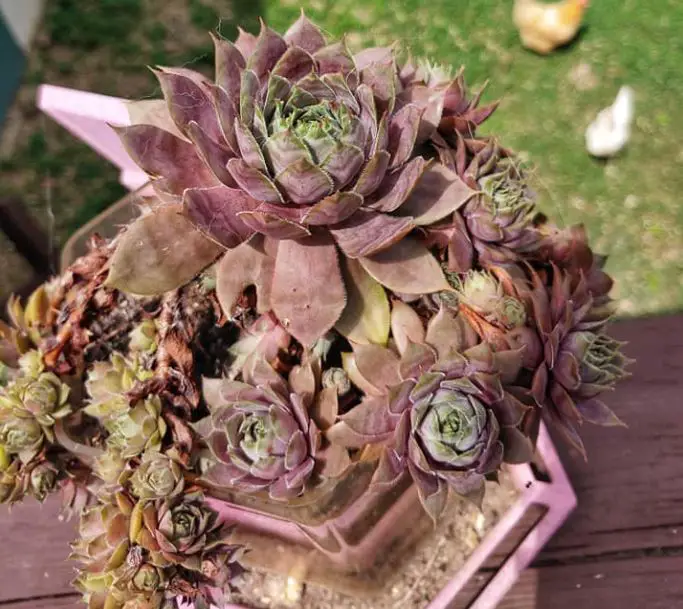
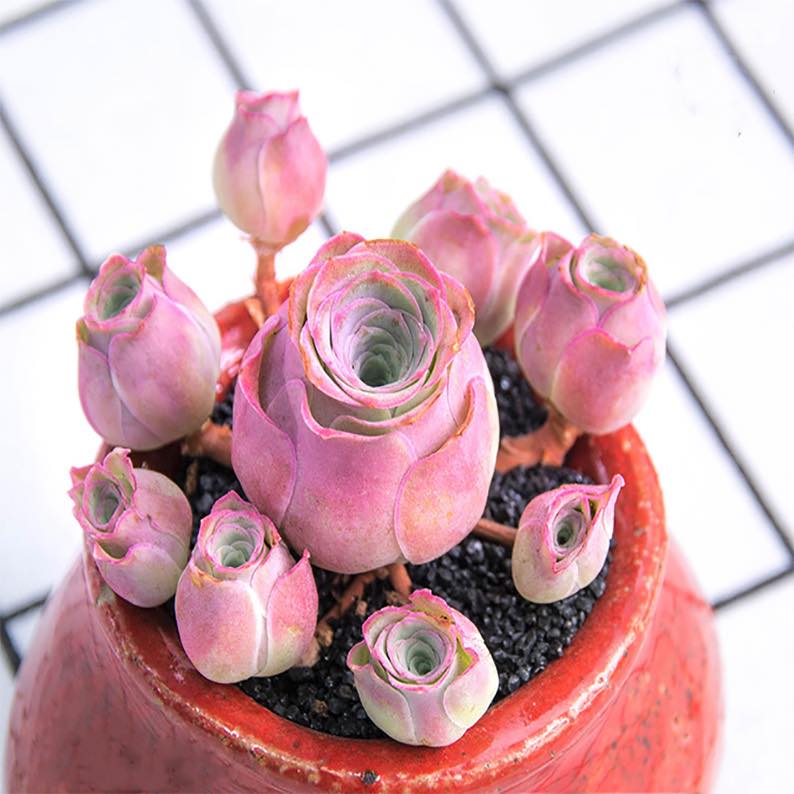
The Greenovia Mountain Rose (Aeonium dodrantale) is a rare succulent in the Crassulaceae family. Its lime-green, fleshy leaves form tight rosettes that mimic the shape of a blooming rose.
As the plant matures, older leaves may take on a soft pink hue, especially during dormancy. Growing up to 6–8 inches tall and 4–6 inches wide, it’s compact enough for small spaces but striking enough to steal the show.
What makes this plant so special? Its rose-like shape is a natural adaptation to the arid cliffs of Tenerife in the Canary Islands. The tightly packed leaves help it conserve water, making it a low-maintenance choice for busy households.
Whether you’re a seasoned plant parent or a newbie, the Mountain Rose is forgiving if you understand its needs. I love how versatile this succulent is. Here’s why it’s a fantastic choice for most homes:
- Low maintenance: It thrives with minimal care, perfect for those with packed schedules.
- Unique aesthetic: Its rose-like rosettes add elegance to any space, from modern apartments to rustic patios.
- Adaptable to climate: It does well in USDA hardiness zones 10a–11b (30°F to 50°F), covering much of the U.S., and can be grown indoors anywhere.
- Safe for pets: It’s non-toxic to cats, dogs, and humans, so no worries if your furry friend gets curious.
- Conversation starter: Guests will ask about this unusual plant, trust me!
Ideal Growing Conditions for Greenovia Mountain Rose
Planting and caring for Aeonium dodrantale is pretty simple as long as you understand a few basics. Let’s break down how to grow it successfully.
Light – Bright but not brutal
The Mountain Rose loves bright, indirect sunlight. In my home, I place mine near a south-facing window where it gets filtered light through sheer curtains. Too much direct sun can scorch its delicate leaves, especially in hot summers.
If you’re growing it outdoors, aim for a spot with morning sun and afternoon shade, as suggested by succulent expert Debra Lee Baldwin.
- Indoors: Place near a south or west-facing window. If it starts stretching toward the light (a sign of insufficient light), consider a grow light. I use a full-spectrum LED grow light for about 12 hours a day during winter.
- Outdoors: In warmer states like California or Arizona, a patio with partial shade works perfectly. In cooler regions, bring it indoors during winter to avoid frost damage below 30°F.
Pro Tip: Rotate your plant every few weeks to ensure even light exposure. This prevents lopsided growth and keeps those rosettes symmetrical.
Water – Less is more
Overwatering is the number one killer of succulents, and the Mountain Rose is no exception. I learned this the hard way when my first succulent turned mushy from too much love. Use the “soak-and-dry” method: water thoroughly only when the soil is completely dry.
I stick my finger an inch into the soil to check—it works every time.
- Spring/Fall (Active growth): Water every 10–14 days, depending on your climate. In humid areas like Florida, you might water less often.
- Summer (Dormancy): Reduce to once every 3–4 weeks. The rosettes close up like a rosebud to conserve water, so don’t panic if it looks different.
- Winter: Water sparingly, every 3–4 weeks, especially indoors in cooler climates like the Midwest.
Warning Signs:
- Overwatering: Yellowing, mushy leaves or a foul-smelling base.
- Underwatering: Wrinkled or shriveled leaves.
Pro Tip: Avoid overhead watering to prevent moisture from pooling in the rosettes, which can cause rot.
Soil – Drainage is key
The Mountain Rose demands well-draining soil to avoid root rot. I mix my own using 60% cactus/succulent potting mix, 25% perlite, and 15% coarse sand. You can also buy a commercial succulent mix for convenience.
- Pot Choice: Terracotta or unglazed ceramic pots with drainage holes are ideal. They wick away excess moisture, which is a lifesaver.
- Pot Size: Choose a pot 1–2 inches wider than the rosette. Too large a pot retains too much moisture.
Pro Tip: Add a sprinkle of horticultural charcoal to the soil mix to neutralize acidity and keep roots healthy.
Temperature and humidity
The Mountain Rose thrives in mild temperatures (65–75°F), which suits most homes in the U.S. It’s cold hardy down to 30°F but needs protection from frost. In places like Minnesota or Michigan, bring it indoors during winter.
Low to moderate humidity (30–50%) is ideal. High humidity, common in southern states, can increase rot risk, so ensure good air circulation.
Fertilizer – Keep it minimal
I fertilize my Mountain Rose once or twice during the growing season (spring/fall) with a half-strength, balanced liquid fertilizer for succulents (like 10-10-10). Over-fertilizing can cause leggy growth or leaf burn, so less is more.
How to Plant and Repot Your Mountain Rose
When I got my first Mountain Rose, it arrived bare-root from an online nursery. Planting it was easy, but I made sure to follow these steps:
- Choose the right pot. I recommend a terracotta pot with drainage holes, slightly larger than the rosette.
- Fill your pot with a well-draining succulent mix.
- Place the rosette so the base sits just above the soil. Avoid burying the stem too deep.
- Let the plant settle for 5–7 days before watering to allow roots to heal
Repot every 2–3 years or when the roots outgrow the pot. Early spring is the best time, as the plant exits dormancy.
Propagating Greenovia Mountain Rose
Propagation is a fun way to grow your collection or share with friends. The Mountain Rose can be propagated via offsets, cuttings, or seeds, though seeds are a slow process.
Offsets (Pups)
Many Mountain Roses produce offsets at their base. Here’s how I propagate them:
- Gently remove a healthy offset with a sharp, clean knife.
- Let it callous over for 2–3 days in a dry, shaded spot.
- Plant in well-draining soil and treat like an adult plant.
- Place it in a spot with bright indirect light
- Water sparingly until roots form (about a week).
Cuttings
If your plant gets leggy, you can take a cutting:
- Cut a healthy rosette just below the stem with a clean knife.
- Let it callous for a few days.
- Plant the stem in soil, ensuring the rosette sits atop the soil.
- Place it in a spot with bright indirect light
- Keep the soil slightly moist until roots form.
Seeds
Growing from seeds is challenging and slow, but rewarding. Collect seeds from a flowering plant (note: it may die after flowering, as it’s monocarpic). Sow in shallow trays with a gritty mix, mist lightly, and keep in bright, indirect light. Be patient—it can take years to mature.
Common Problems and Solutions
Even with the best care, issues can arise. Here’s how I handle common problems:
- Overwatering: Mushy, yellow leaves? Stop watering, let the soil dry out, and repot in fresh, dry soil if needed. Like most succulents, mountain roses store water in their succulent leaves. As such, it prefers minimal watering. Overwatering can cause root rot and other fungal issues.
- Leggy Growth: If the rosettes stretch, it needs more light. Move to a brighter spot or use a grow light.
- Pests: Mealybugs or aphids can appear. Wipe them off with a cotton swab dipped in rubbing alcohol.
- Rot: If the base feels soft, cut away the affected area and repot the healthy part.
Seasonal Care for Greenovia Mountain Rose
Here are tips for seasonal care:
Spring and Fall (Active growth)
- Water every 10–14 days.
- Fertilize lightly once or twice.
- Ensure bright, indirect light.
Summer (Dormancy)
- Reduce watering to once every 3–4 weeks.
- Place in bright shade to avoid sunburn.
- Don’t be alarmed if rosettes close up—it’s normal.
Winter
- Water sparingly, every 3–4 weeks.
- Protect from frost if outdoors.
- Keep indoors in cooler climates.
Styling Your Mountain Rose
The Mountain Rose’s unique shape makes it a versatile decor piece. Here are some ideas I’ve tried:
- Place a single Mountain Rose in a sleek white ceramic pot on a coffee table.
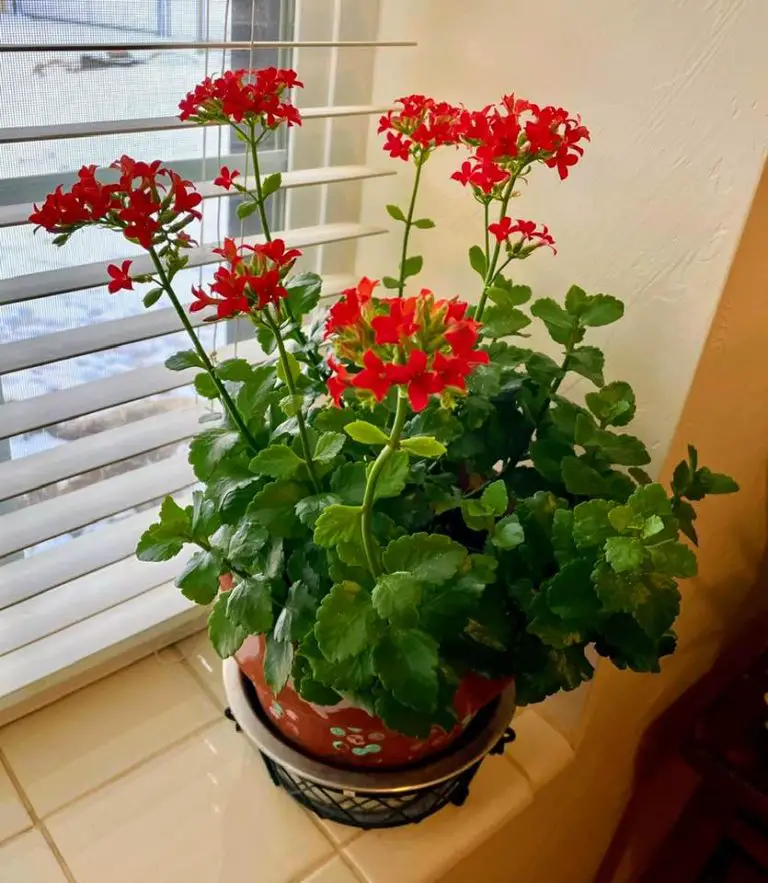
- Pair it with spiky Echeveria or fuzzy Kalanchoe for contrast.
- In warm climates, group several in terracotta pots for a Mediterranean vibe.
- Use as centerpieces or bouquet accents for a unique touch.
I love placing mine on a sunny windowsill in a small, unglazed pot.
FAQs
Here are answers to frequently asked questions about growing the Greenovia Mountain Rose
Q: Is the Greenovia Mountain Rose hard to grow?
A: Not at all! It’s low-maintenance if you provide well-draining soil, bright indirect light, and infrequent watering. It’s perfect for beginners.
Q: Why is my Mountain Rose turning pink?
A: Pink hues appear during dormancy or stress, often in summer heat. It’s normal and adds to its charm.
Q: Can I grow it indoors year-round?
A: Yes, as long as it gets enough light. A south-facing window or grow light works well [source: Succulent Care].
Q: How do I know if I’m overwatering?
A: Yellow, mushy leaves or a soft base are signs. Let the soil dry out completely before watering again.
Q: Does it bloom?
A: Yes, it may produce pink or yellow flowers in late spring to early summer, but it’s monocarpic, so the flowering rosette may die afterward. Propagate offsets to keep it going.
Final thoughts
Growing a Greenovia Mountain Rose succulent is like bringing a piece of the Canary Islands into your home. Its unique shape, low-maintenance needs, and adaptability make it a perfect choice for any plant lover.
Whether you’re styling it as a centerpiece or propagating pups to share with friends, this succulent will reward you with years of beauty. Follow the tips in this guide, and you’ll be amazed at how easy it is to keep this rose-like gem thriving.
Got questions or want to share your Mountain Rose journey? Drop a comment below.
Helpful Links
- Mountain Crest Gardens: Succulent Care Guide
- Gardening Know How: Greenovia Care
- Martha Stewart: Pink Mountain Rose Care
- The Next Gardener: Comprehensive Greenovia Guide

Tim M Dave is a gardening expert with a passion for houseplants, particularly cacti and succulents. With a degree in plant biology from the University of California, Berkeley, he has vast experience in gardening. Over the years, he has cultivated a vast collection of desert plants and learned a great deal about how to grow and care for these unique companions.