10 Ways to Get Rid of a Lawn Full of Weeds
Just like the grass, weeds are plants, and they grow the same way grass does. However, weeds are tougher and have a higher level of tolerance that enables them to thrive even in the least supportive conditions for plant growth. So, why is your lawn full of weeds?
Weeds growing on your lawn is usually a result of poor lawn maintenance practices. Cutting grass too short, compacted soil, and insufficient watering all encourage weeds in a lawn. Working on these problems should be the first step in your journey for restoring your once lush green lawn.
Why is My Lawn Full of Weeds?
There are a number of reasons why your lawn is full of weeds:
- Cutting grass too short encourages bare spots and poor growth of grass. Weeds will eventually take over the empty spots or grass-thinning areas.
- Most weeds have elaborate root systems that will compete with grass for any available moisture. Inadequate watering of your lawn will encourage weeds to thrive at the expense of your grass.
- Compacted soil, as a result of clay soil or heavy foot traffic, inhibits the flow of water, air, and nutrients to the grass roots. Since weeds are hardy plants, they don’t find it a problem, and they will continue thriving as your lawn grass weakens.
- Failure to weed your lawn early enough before the weed plants set seed heads and spread is one of the major reasons why you have too many weeds in your lawn.
How to Get Rid of a Lawn Full of Weeds
You can stop weeds from taking over your lawn through the following ways.
Hand weeding
Even if they are just two or three weed plants, do not be tempted to ignore them. Letting them grow alongside your grass is a huge mistake since they will take over your lawn in no time. Attack them while they are still young and before they set seed.
Weeds such as lamb’s quarters, chickweed, carpetweed, annual sedge, crab grass, knotweed, and Japanese clover are all annuals. Hand-pulling them before they produce seed heads is a way of staying a step ahead of them. At this stage, they are not a threat, and you can add them to your compost pile.
The best time to hand-pull weeds is after a good rain or after a thorough watering. The soft ground will give you an easier time. However, you should be careful when dealing with perennial weeds like dandelions, nut grass, Bermuda gras,s and bindweed. Which is also spread by stolons, runners, and tubers underground.
You should dig them out of the ground completely so that they have no chance of coming back. Use tools like hoes, dandelion fork, or a wide-bladed screwdriver to remove the entire wee,d including the root, rhizome, or other underground parts like tubers or bulbs
Use the right fertilizers
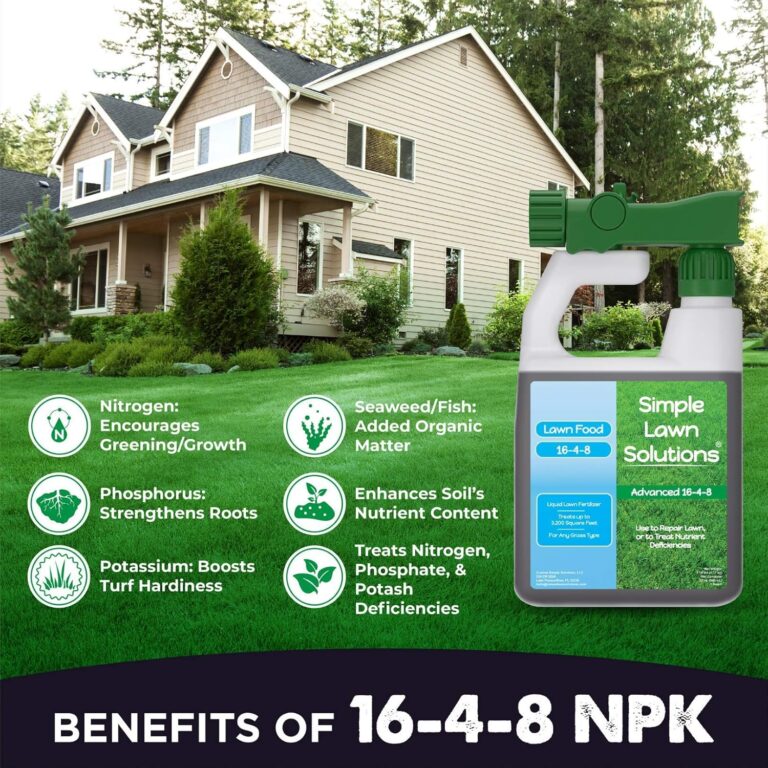
The kind of fertilizers you use on your lawn grass plays a critical role in the growth of the weeds. There are fertilizers designed for the growth of grass only, and not the weeds. Using the wrong type of fertilizer could encourage the growth of more weeds while suppressing the proper growth of grass plants.
Organic and compost fertilizers are the most recommended since they have all the necessary nutrients that the grass needs for its proper growth. Besides, they have fewer chemicals that would otherwise raise the pH levels of the soil, thus encouraging the growth of more weeds.
But even as you apply the right fertilizers, ensure to keep it within the right amounts. Too much of it can kill the grass while nourishing the weeds. Use weed and feed sparingly to control weeds without harming the turf. Make sure you water your lawn after adding fertilizer.
Allow grass to grow taller
Mowing your grass too short exposes the weak blades to intense heat, and this could result in their death. Doing this also sets the grass against the unfair competition of nutrients and sunlight with the weed plants.
Allowing your lawn grass to grow taller, on the other hand, prevents the growth of weeds. This is because when the grass is taller, about 6 inches, it blocks sunlight from the weeds beneath it, thus killing them. This should be part of your first line of defense against weeds in your lawn.
Water your lawn deeply
Naturally, weed plants are stronger and more vibrant than grass. A weed plant like dandelion, for example, has tap roots that penetrate deep, even into the compacted soil. Failing to water your lawn, on the other hand, places grass plants under intense competition for the few nutrients and water present in the soil.
At the end of the day, you end up with more weeds than grass on your lawn. To reverse this scenario, normalize watering your lawn more often and let the water settle deep into the soil. This way, you will have healthier grass.
Lay down some mulch
Laying ground cover around your lawn grass can help prevent weeds because the cover blocks sunlight from reaching the soil, hence discouraging the growth of weeds. Ground covers come in many forms that include grass clippings, compost, wood chips, bark, newspaper, and any other organic matter.
The best thing is that this organic matter decomposes and breaks down to form organic fertilizer that enriches the grass, while at the same time keeping weeds at bay.
Clean Tools
Clean gardening tools, especially when you move from one area to another. This prevents the spreading of weed seeds from your garden to a lawn. Weed seeds are likely to cling to your gardening tools, and they easily get transferred from one point to another.
Weed-Free Perimeter
Pay attention to areas adjoining your lawn, which include garden, flower beds, or pavers. Create a weed-free perimeter that will prevent weeds from crossing into your lawn.
Dethatch your lawn
Excessive thatch and compacted soil all prevent the flow of important supplies to the grass roots. This will weaken the grass, and in the process, weeds will take over. You should dethatch your lawn of the layer of dead plant materials under the grass excess 1/4 inch.
Do not wait to dethatch when your grass is already thinning or turning brown. There are many ways of telling if your lawn has excess thatch. Use a garden trowel or shovel to dig a small piece of your lawn grass and soil, and check for thatch. Sometimes you can tell from a spongy feeling when you walk on your grass.
Aerate your lawn
There are many weeds that thrive in hard, compacted soil where turf grasses may not survive. They include dandelions, chickweed, bluegrass, knotweed and many more. Aerating your lawn will enable your grass to receive the much-needed nutrients, water and air.
If you have high-traffic areas in your lawn or heavy clay soil, you will want to aerate every year. Do not wait until the grass becomes weak or thin. You will be inviting stubborn weeds into your lawn.
Properly mow your lawn
Proper mowing keeps pests away and also encourages grass to spread faster. Mow your lawn regularly in spring and summer, but be careful not to remove more than a third of the grass at a time. Mowing too short may also invite weeds.
Suggested For You:
How Fast Does Scotts Weed and Feed Work?
Find Out: Does Watering Grass in the Sun Burn It?
When Does Annual Ryegrass Die? (Know When to Plant It)
5 Safe Ways to Get Rid of Crabgrass in Summer (Without Use of Chemicals)
6 Things That Bring Moss on Your Lawn and How to Kill It
5 Natural Ways to Get Rid of Bermuda Grass (Stop it From Spreading)
Final Thought
Weeds find it difficult to invade a healthy, well-manicured lawn. Water properly, fertilize and mow your lawn accordingly, and weeds will never be a problem. Take early control measures once you spot a few plants of weed before they flower and produce seeds. If this is too much for you, you may hire a professional lawn care service.

Tim M Dave is a gardening expert with a passion for houseplants, particularly cacti and succulents. With a degree in plant biology from the University of California, Berkeley, he has vast experience in gardening. Over the years, he has cultivated a vast collection of desert plants and learned a great deal about how to grow and care for these unique companions.