15 Flowers That Look Like Roses: Identification and Pictures
Roses are the gold standard for beauty and romance in gardens, but their care can be demanding. Fortunately, many flowers mimic the lush, layered look of roses while offering easier maintenance, vibrant colors, and adaptability to various USA climates.
This guide explores 15 flowers that resemble roses, perfect for enhancing front yards, borders, or containers. Many are low-maintenance, disease-resistant, or drought-tolerant, making them ideal for busy gardeners or climates where roses struggle.
Flowers That Look Like Roses
Below, we detail 15 flowers that look like roses, each with unique features to transform your garden. But before planting, consider your local climate, soil type, and sun exposure. Check toxicity if you have pets or children.
1. Peony (Paeonia spp.)
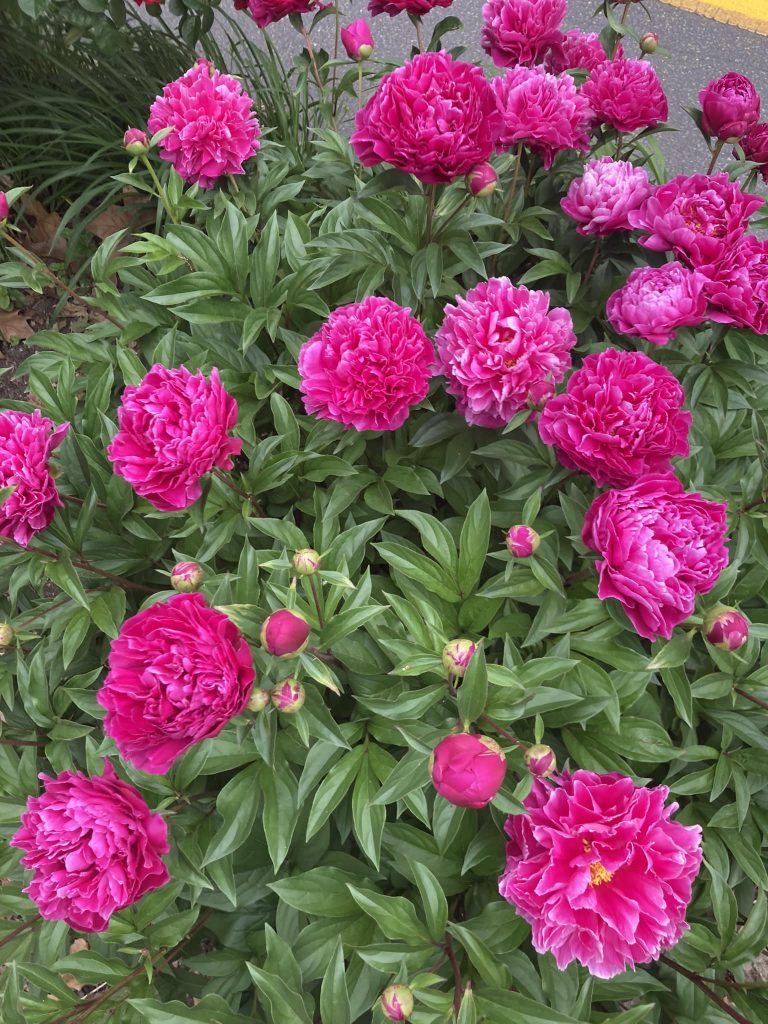
Peonies are garden favorites with lush, ruffled blooms that rival roses in size and elegance. These herbaceous or woody perennials bloom in late spring to early summer, with glossy green foliage that stays attractive post-bloom. Perfect for borders or focal points, peonies add a romantic touch to front yards.
Features
- Scientific Name: Paeonia spp.
- USDA Hardiness Zones: 3–8
- Color Variations: Pink, red, white, coral, yellow, or bicolor
- Sun Exposure: Full sun to partial shade
- Mature Size: 2–4 feet tall, 2–4 feet wide
- Lifespan: 20–50 years or more
- Toxicity: Toxic to pets if ingested; mild skin irritation possible
Why It’s Great
Peonies’ double-flowered varieties, like ‘Sarah Bernhardt,’ closely mimic roses with their layered petals. They thrive in fertile, well-drained soil and need six hours of sun for optimal blooms. Plant in fall for strong roots. Their long lifespan makes them a lasting investment. Avoid overwatering to prevent root rot. Ants on buds are harmless, helping protect flowers.
2. Ranunculus (Ranunculus asiaticus)
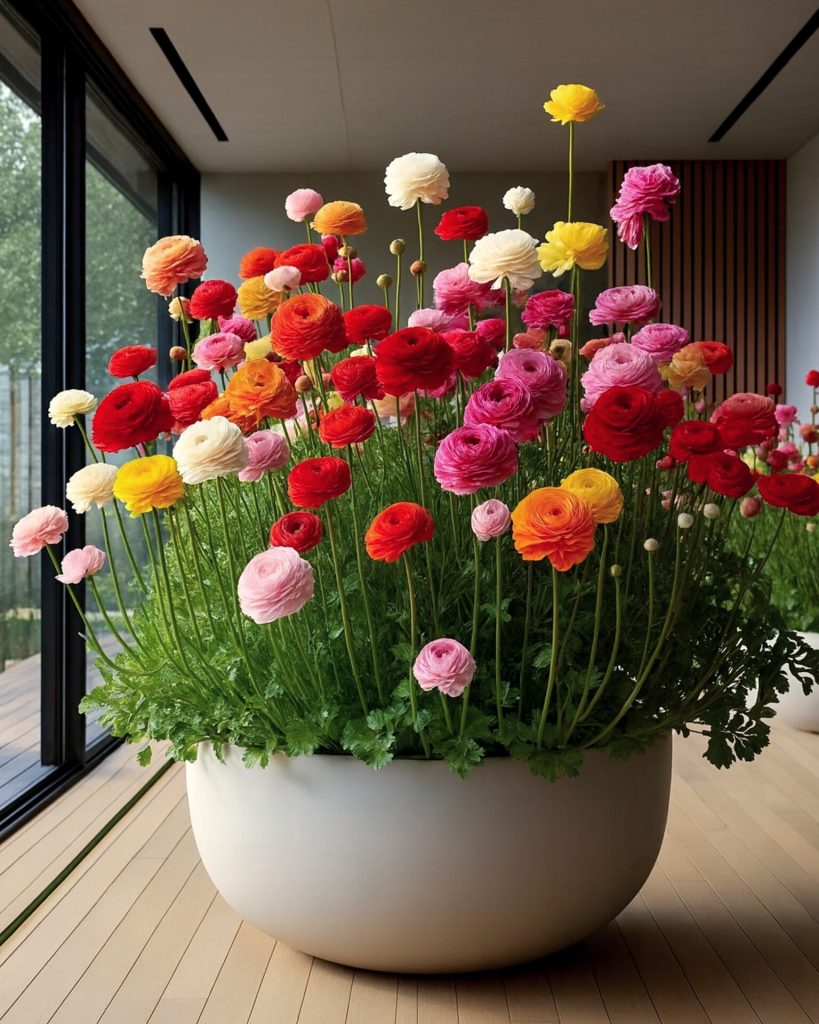
Ranunculus, or Persian buttercup, features tightly packed petals that resemble miniature roses. These spring-blooming bulbs produce vibrant, cup-shaped flowers on slender stems. Their fern-like foliage adds a delicate texture. Ranunculus is ideal for containers or sunny borders.
Features
- Scientific Name: Ranunculus asiaticus
- USDA Hardiness Zones: 8–11 (grown as annuals in cooler zones)
- Color Variations: Red, pink, white, yellow, orange, or purple
- Sun Exposure: Full sun
- Mature Size: 6–12 inches tall, 6–12 inches wide
- Lifespan: Annual or short-lived perennial (1–3 years)
- Toxicity: Toxic to humans and pets if ingested; sap may irritate skin
Why It’s Great
Ranunculus blooms look like small roses, perfect for compact spaces or cut flowers. They need well-drained soil and full sun. In Zones 3–7, plant bulbs in spring and lift before frost. Their bright colors add cheer to front yards. Handle with gloves to avoid sap irritation. Deadhead to extend blooming.
3. Double Impatiens (Impatiens walleriana)
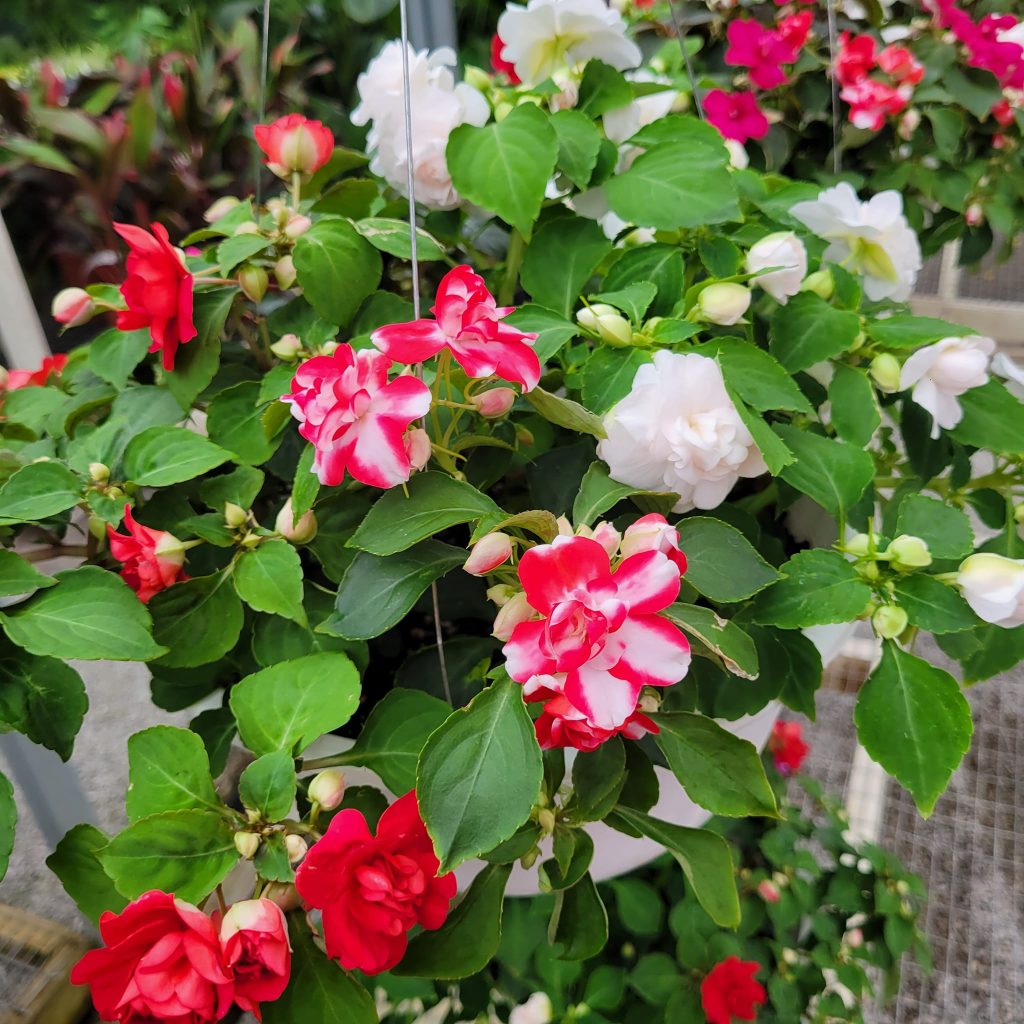
Double impatiens, or busy lizzies, produce rose-like, multi-petaled blooms that thrive in shade. These annuals flower from spring to frost, offering a lush, romantic look. Their soft green foliage complements the blooms, making them great for borders or hanging baskets.
Features
- Scientific Name: Impatiens walleriana
- USDA Hardiness Zones: 10–11 (grown as annuals elsewhere)
- Color Variations: Pink, purple, red, white, or orange
- Sun Exposure: Partial to full shade
- Mature Size: 6–36 inches tall, 1–3 feet wide
- Lifespan: Annual (1 year)
- Toxicity: Non-toxic to humans and pets
Why It’s Great
Double impatiens shine in shady yards where roses struggle. Varieties like ‘Rockapulco’ offer rose-like fullness. Plant in rich, moist soil and water regularly. They’re low-maintenance and pest-resistant. Their non-toxic nature makes them safe for family gardens. Perfect for North-facing yards or under trees.
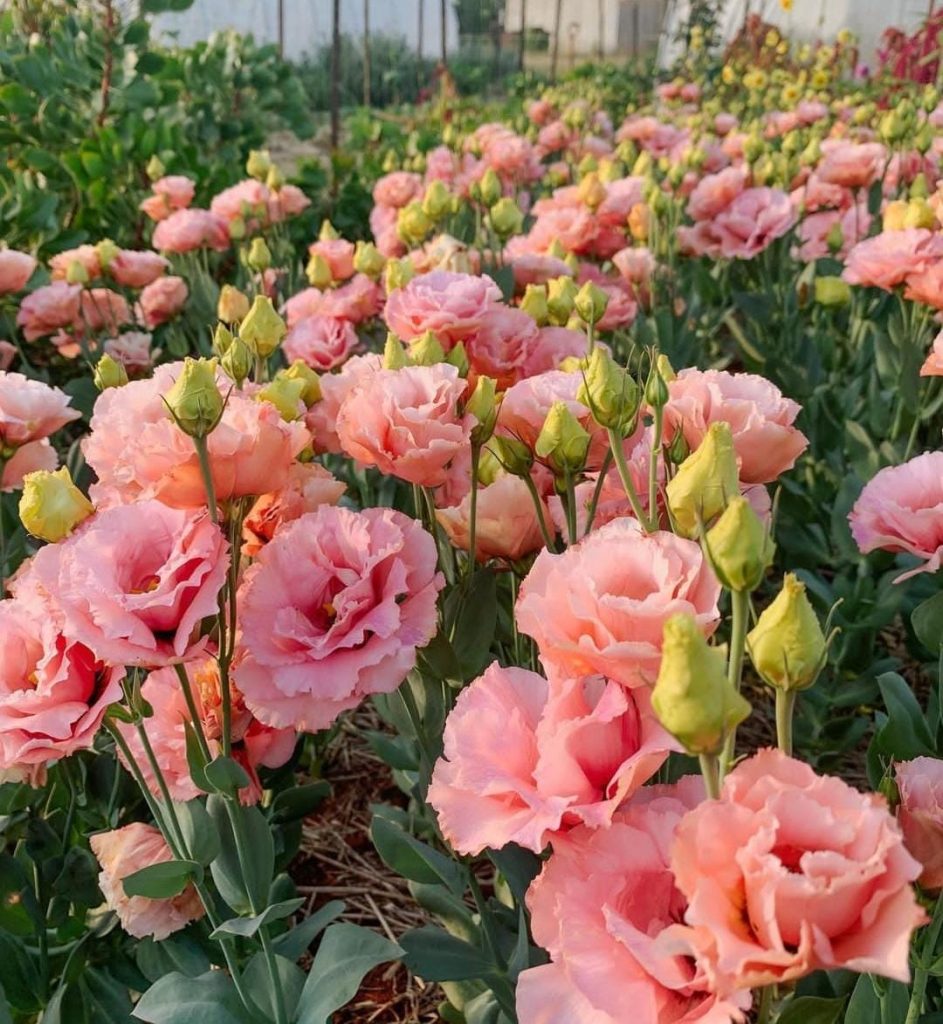
4. Lisianthus (Eustoma grandiflorum)
Lisianthus, or Texas bluebell, has elegant, bell-shaped flowers that resemble roses when open. These annuals or biennials bloom in summer with waxy petals ideal for cut flowers. Their slender stems and blue-green leaves add a delicate charm.
Features
- Scientific Name: Eustoma grandiflorum
- USDA Hardiness Zones: 8–10 (grown as annuals elsewhere)
- Color Variations: Purple, pink, white, blue, or bicolor
- Sun Exposure: Full sun to partial shade
- Mature Size: 1–3 feet tall, 6–12 inches wide
- Lifespan: Annual or biennial (1–2 years)
- Toxicity: Non-toxic to humans and pets
Why It’s Great
Lisianthus’ rose-like blooms last up to two weeks in vases. They prefer well-drained, slightly alkaline soil and full sun. Start seeds indoors in cooler zones 10–12 weeks before the last frost. Non-toxic and pet-friendly, they’re great for front yards. Deadhead for continuous blooms. Protect from wind to prevent stem damage.
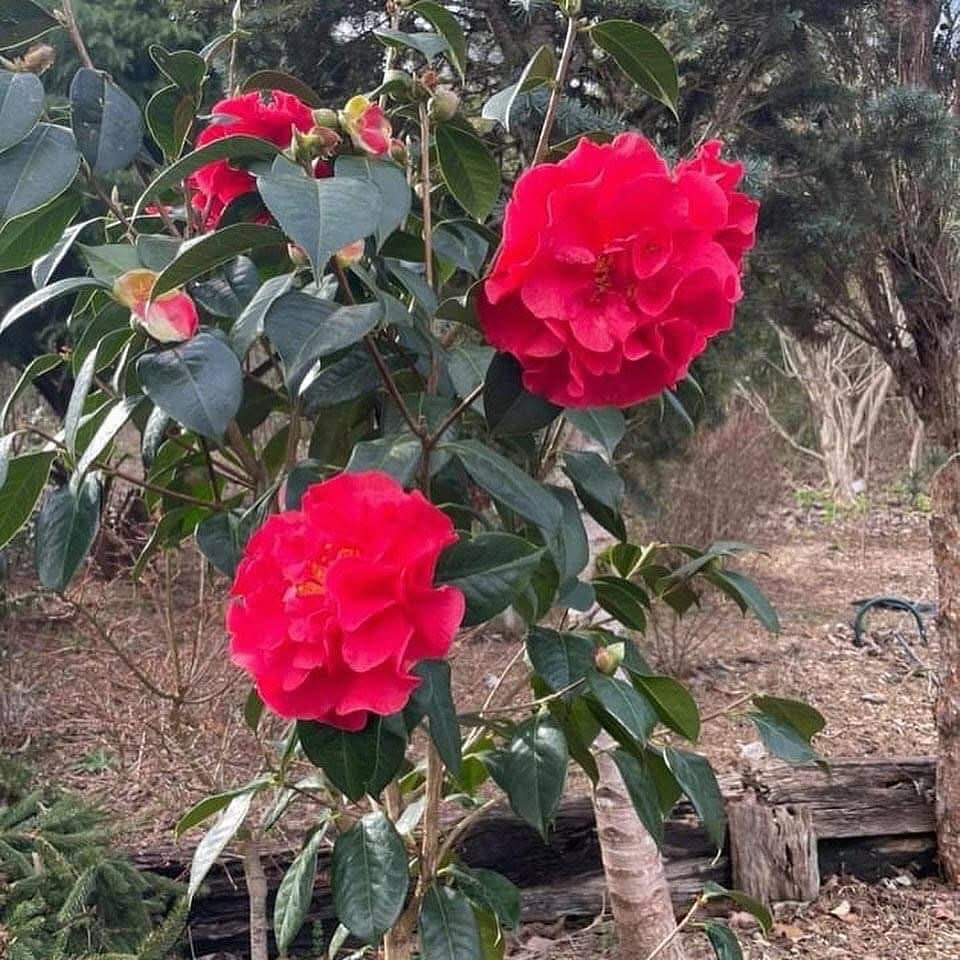
5. Camellia (Camellia spp.)
Camellias are evergreen shrubs with glossy leaves and large, rose-like flowers blooming in fall or winter. Their tidy growth and lush blooms make them a Southern favorite. Camellias add elegance to front yards or shaded patios.
Features
- Scientific Name: Camellia spp. (notably Camellia japonica and Camellia sasanqua)
- USDA Hardiness Zones: 7–9
- Color Variations: Pink, red, white, or bicolor
- Sun Exposure: Partial shade to full shade
- Mature Size: 6–12 feet tall, 6–10 feet wide
- Lifespan: 50–100 years
- Toxicity: Non-toxic to humans and pets
Why It’s Great
Camellias’ double-flowered varieties, like ‘Kramer’s Supreme,’ mimic roses. They thrive in acidic, well-drained soil and prefer shade to avoid bloom scorch. Plant in fall or spring. Their evergreen foliage and long lifespan ensure year-round beauty. Mulch to keep roots cool. Prune lightly after flowering.
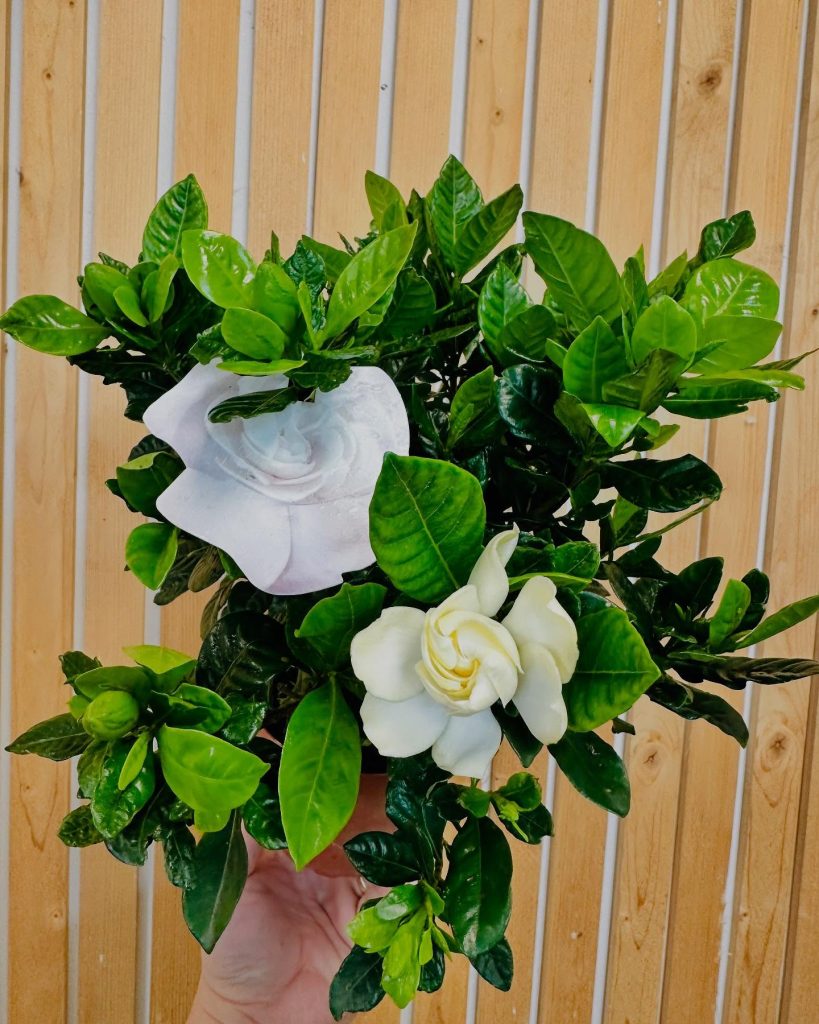
6. Gardenia (Gardenia jasminoides)
Gardenias are evergreen shrubs with fragrant, white, rose-like flowers. Their glossy, dark green leaves provide year-round appeal. These Southern staples are perfect for front yards or as potted plants near entryways.
Features
- Scientific Name: Gardenia jasminoides
- USDA Hardiness Zones: 8–11 (grown indoors in cooler zones)
- Color Variations: White, cream (some yellowing with age)
- Sun Exposure: Partial shade to full sun
- Mature Size: 3–6 feet tall, 3–6 feet wide
- Lifespan: 20–50 years
- Toxicity: Non-toxic to humans; mildly toxic to pets if ingested
Why It’s Great
Gardenias’ rose-like blooms and sweet fragrance create a romantic vibe. They need acidic, moist soil and consistent watering. In colder zones, grow in pots and bring indoors during winter. Varieties like ‘August Beauty’ offer abundant flowers. Prune after blooming. Watch for whiteflies and treat with neem oil.
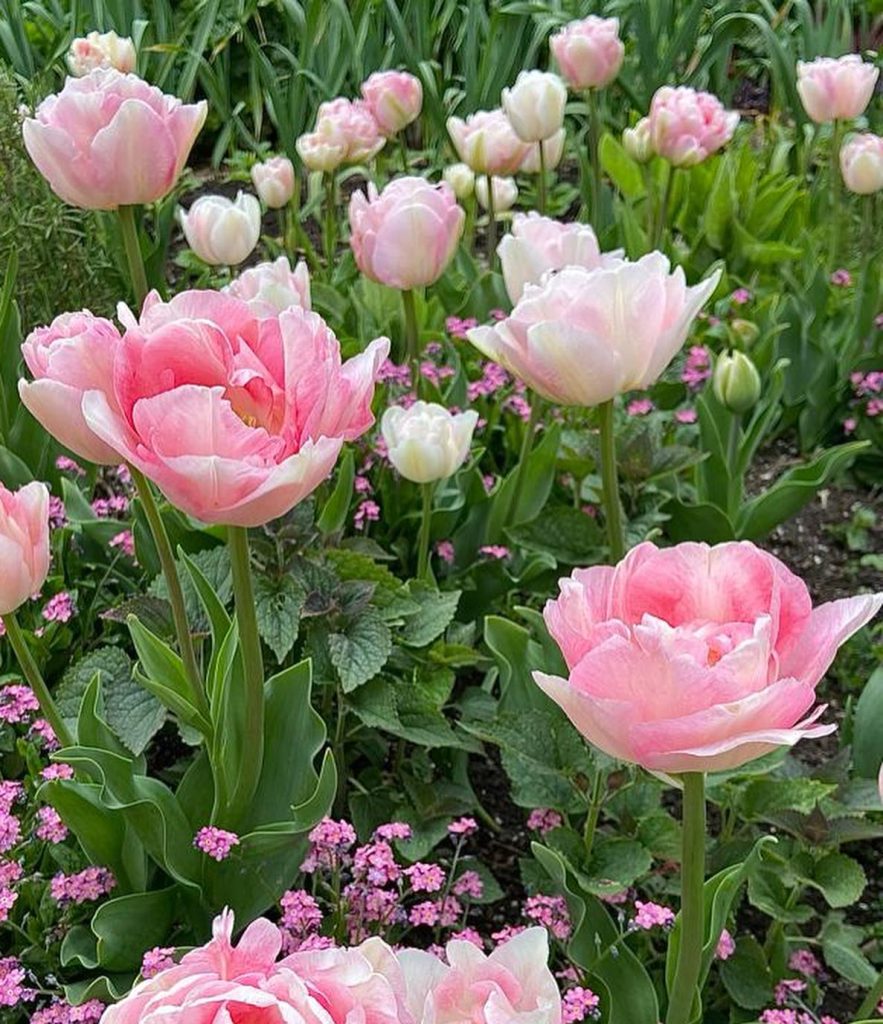
7. Double Tulip (Tulipa spp.)
Double tulips are spring-blooming bulbs with full, peony-like flowers resembling roses. Their vibrant blooms sit on sturdy stems with broad, green leaves. These tulips add cheerful color to front yards or containers.
Features
- Scientific Name: Tulipa spp.
- USDA Hardiness Zones: 3–8
- Color Variations: Red, pink, white, purple, yellow, orange, or bicolor
- Sun Exposure: Full sun
- Mature Size: 9–24 inches tall, 6–9 inches wide
- Lifespan: Perennial (3–5 years with proper care)
- Toxicity: Toxic to humans and pets if ingested; bulbs are especially harmful
Why It’s Great
Double tulips, like ‘Angelique,’ have layered petals mimicking roses. They need well-drained soil and full sun. Plant bulbs in fall, 6 inches deep, for spring blooms. Lift bulbs in warmer zones after foliage dies back. Their toxicity requires caution around pets. Pair with early perennials for a vibrant spring display.
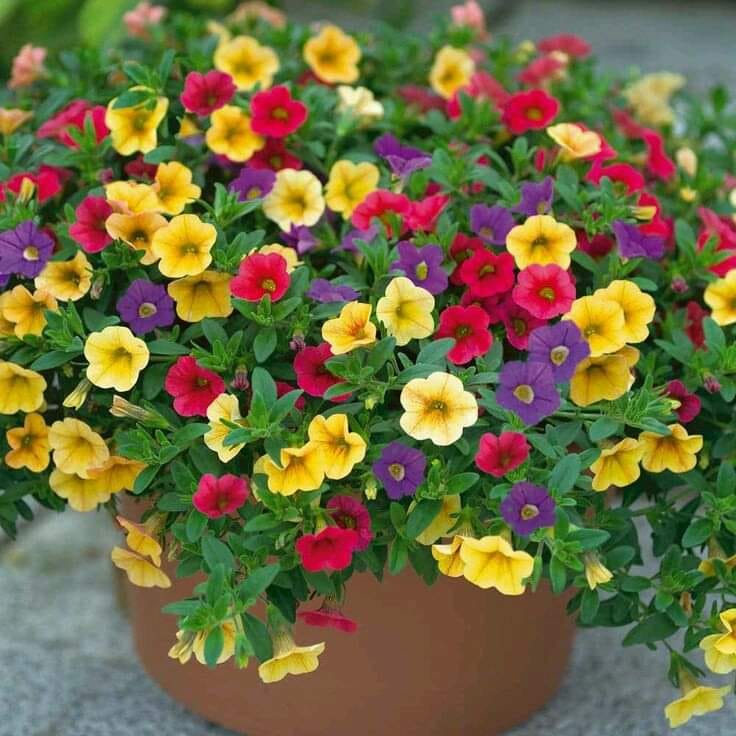
8. Million Bells (Calibrachoa spp.)
Million bells, or calibrachoa, produce petite, rose-like blooms that cascade over containers or borders. These annuals bloom from spring to frost, with a trailing habit perfect for hanging baskets. Their petunia-like flowers add charm to small spaces.
Features
- Scientific Name: Calibrachoa spp.
- USDA Hardiness Zones: 9–11 (grown as annuals elsewhere)
- Color Variations: Pink, purple, coral, yellow, red, or white
- Sun Exposure: Full sun to partial shade
- Mature Size: 6–12 inches tall, 12–24 inches wide
- Lifespan: Annual (1 year)
- Toxicity: Non-toxic to humans and pets
Why It’s Great
Million bells’ double-flowered varieties, like ‘MiniFamous Double Pink,’ resemble miniature roses. They thrive in well-drained soil with regular fertilization. Their trailing habit suits edging or containers. Non-toxic and easy to grow, they’re ideal for family gardens. Water consistently but avoid soggy soil.
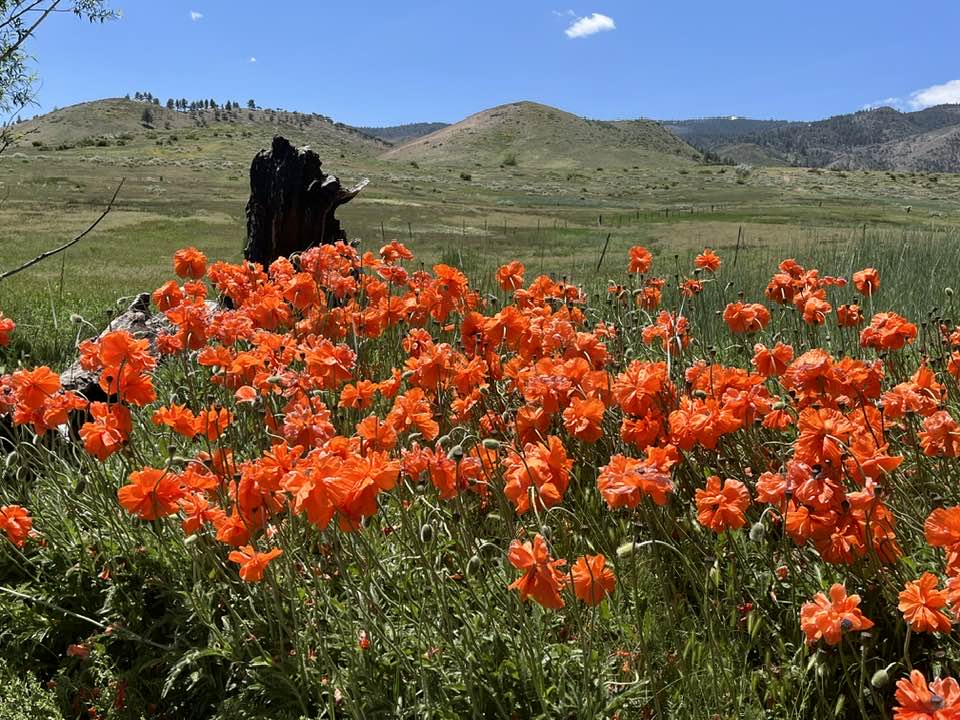
9. Oriental Poppy (Papaver orientale)
Oriental poppies are perennials with large, cup-shaped flowers resembling semi-double roses. Their bold blooms and hairy, gray-green foliage create a dramatic effect in spring to early summer. Perfect for sunny borders or cottage gardens.
Features
- Scientific Name: Papaver orientale
- USDA Hardiness Zones: 3–7
- Color Variations: Red, orange, pink, white, or salmon
- Sun Exposure: Full sun
- Mature Size: 2–3 feet tall, 1–2 feet wide
- Lifespan: 5–10 years
- Toxicity: Toxic to humans and pets if ingested; sap may irritate skin
Why It’s Great
Oriental poppies, like ‘Fireball,’ have ruffled petals mimicking roses. They need well-drained soil and full sun. Foliage dies back after blooming, so pair with late-season plants. Their toxicity requires caution. Divide every 3–4 years to maintain vigor. They add bold color to front yards.
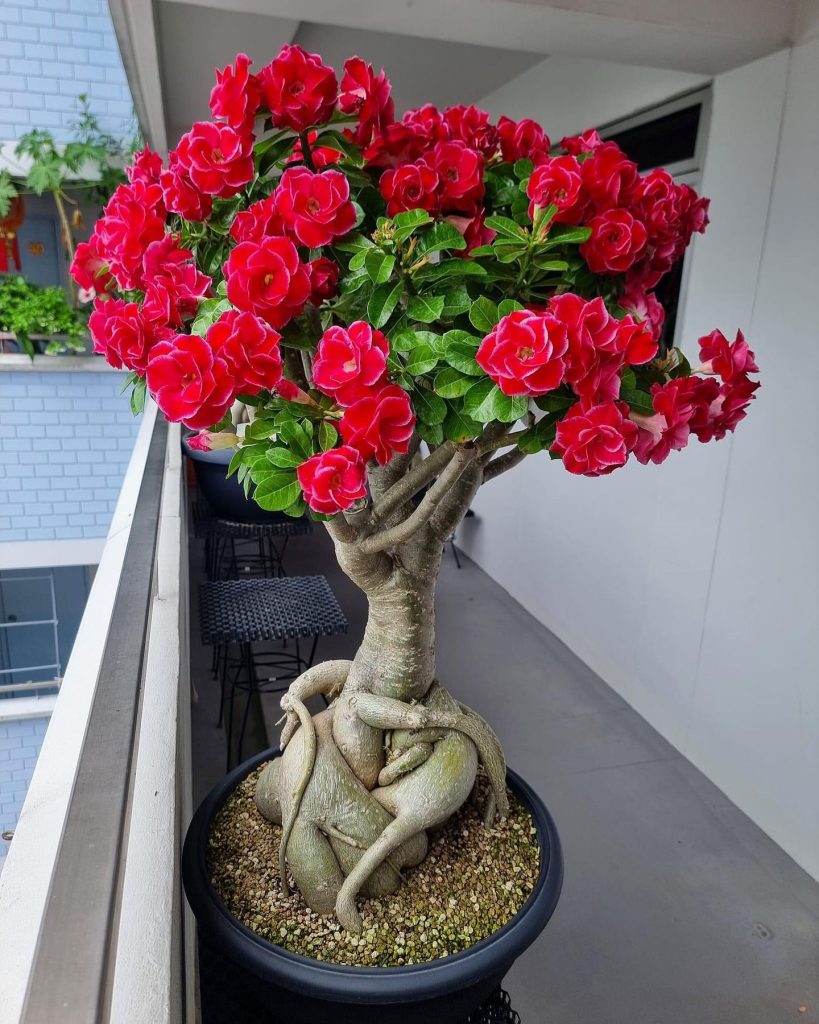
10. Adenium (Adenium obesum)
Adenium, or desert rose, is a succulent with vibrant, trumpet-shaped flowers resembling roses. Its thick, swollen trunk and glossy leaves add an exotic flair. Ideal for xeriscaping or as a potted specimen in warm climates.
Features
- Scientific Name: Adenium obesum
- USDA Hardiness Zones: 11–12 (grown indoors elsewhere)
- Color Variations: Pink, red, white, or bicolor
- Sun Exposure: Full sun
- Mature Size: 2–5 feet tall, 1–3 feet wide
- Lifespan: 10–20 years
- Toxicity: Toxic to humans and pets; sap causes skin irritation
Why It’s Great
Desert rose’s rose-like flowers and sculptural form make it a standout. It thrives in well-drained, cactus-friendly soil and needs bright light. Grow indoors in cooler zones near a south-facing window. Water sparingly to prevent rot. Its toxicity requires careful handling. Prune to shape as a bonsai.
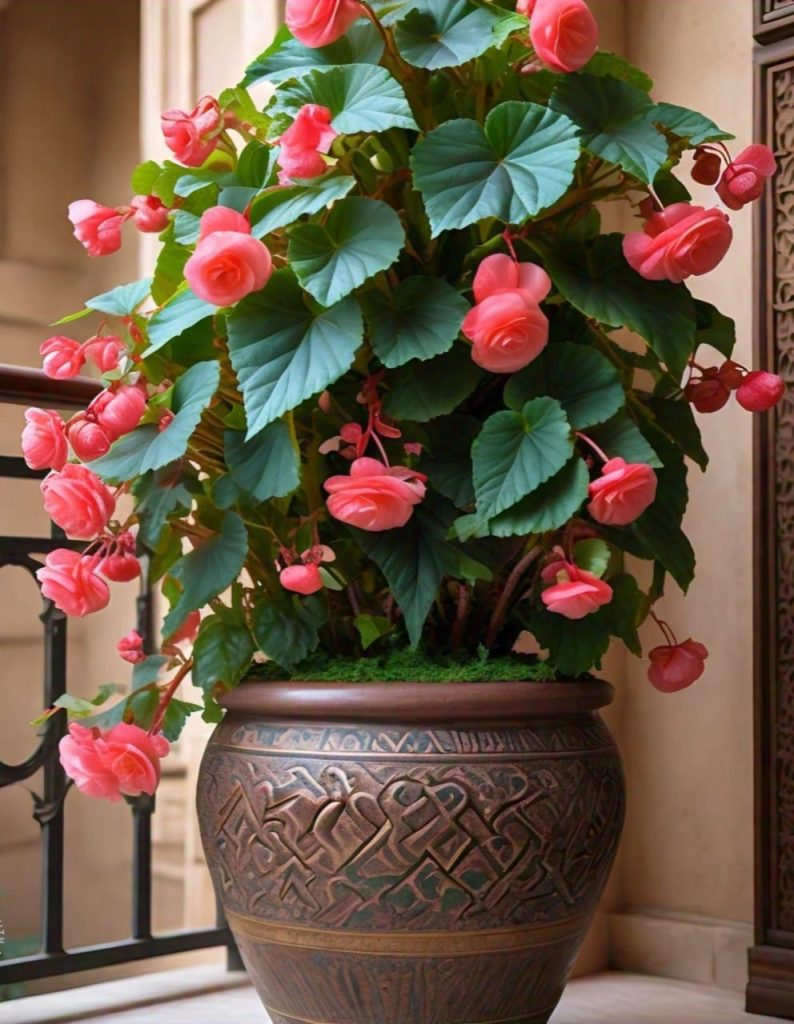
11. Begonia (Begonia spp.)
Begonias, particularly double-flowered varieties like tuberous or rex begonias, produce lush, rose-like blooms. These perennials or annuals have vibrant flowers and textured foliage, perfect for shady gardens or containers. Their versatility suits both indoor and outdoor spaces.
Features
- Scientific Name: Begonia spp.
- USDA Hardiness Zones: 9–11 (grown as annuals or indoors elsewhere)
- Color Variations: Pink, red, white, orange, or yellow
- Sun Exposure: Partial shade to full shade
- Mature Size: 6–18 inches tall, 6–18 inches wide
- Lifespan: Annual or perennial (2–5 years with care)
- Toxicity: Toxic to pets if ingested; mildly toxic to humans
Why It’s Great
Begonias’ double blooms, like those of ‘Nonstop’ varieties, mimic roses in shade. They thrive in rich, moist soil and prefer filtered light. In colder zones, grow in pots and bring indoors during winter. Their compact size suits small yards or patios. Water carefully to avoid fungal issues. Deadhead to encourage more blooms.
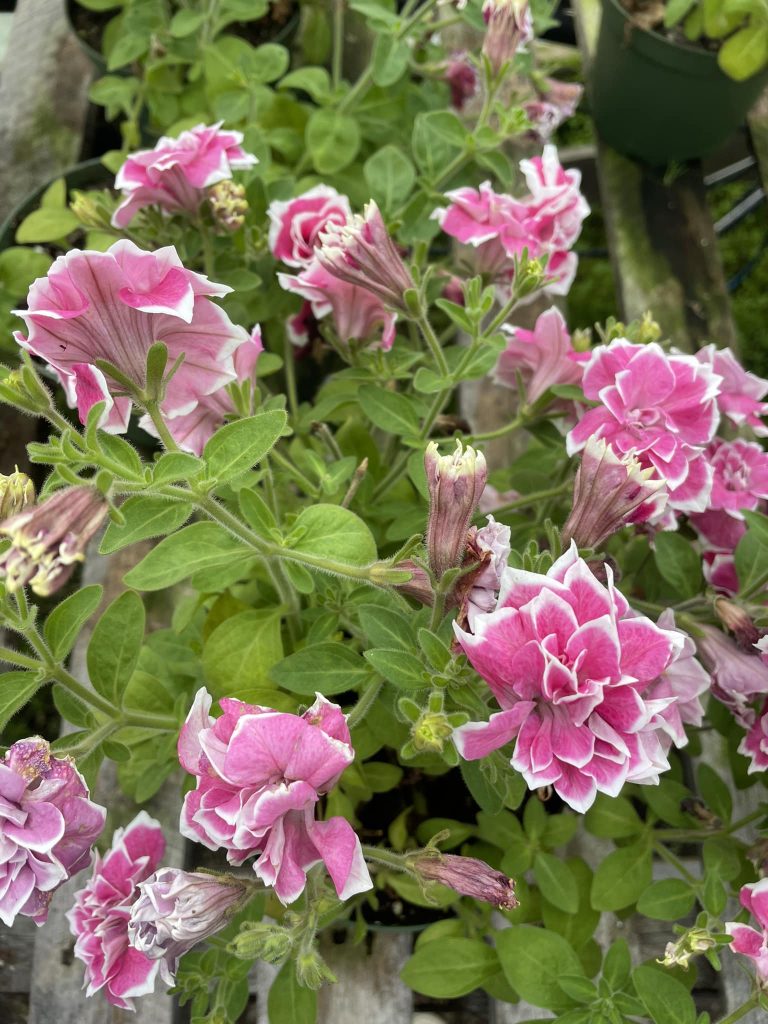
12. Double Petunia (Petunia spp.)
Double petunias produce ruffled, rose-like flowers that bloom from spring to frost. These annuals have a spreading or mounding habit, ideal for borders, containers, or hanging baskets. Their bright colors add a cheerful vibe to front yards.
Features
- Scientific Name: Petunia spp.
- USDA Hardiness Zones: 9–11 (grown as annuals elsewhere)
- Color Variations: Pink, purple, red, white, or bicolor
- Sun Exposure: Full sun to partial shade
- Mature Size: 6–18 inches tall, 12–24 inches wide
- Lifespan: Annual (1 year)
- Toxicity: Non-toxic to humans and pets
Why It’s Great
Double petunias, like ‘Double Cascade,’ resemble miniature roses with their layered petals. They need well-drained soil and at least six hours of sun. Their non-toxic nature makes them safe for family gardens. Regular fertilization ensures continuous blooms. Pinch back to promote bushiness. They’re perfect for vibrant, low-maintenance displays.
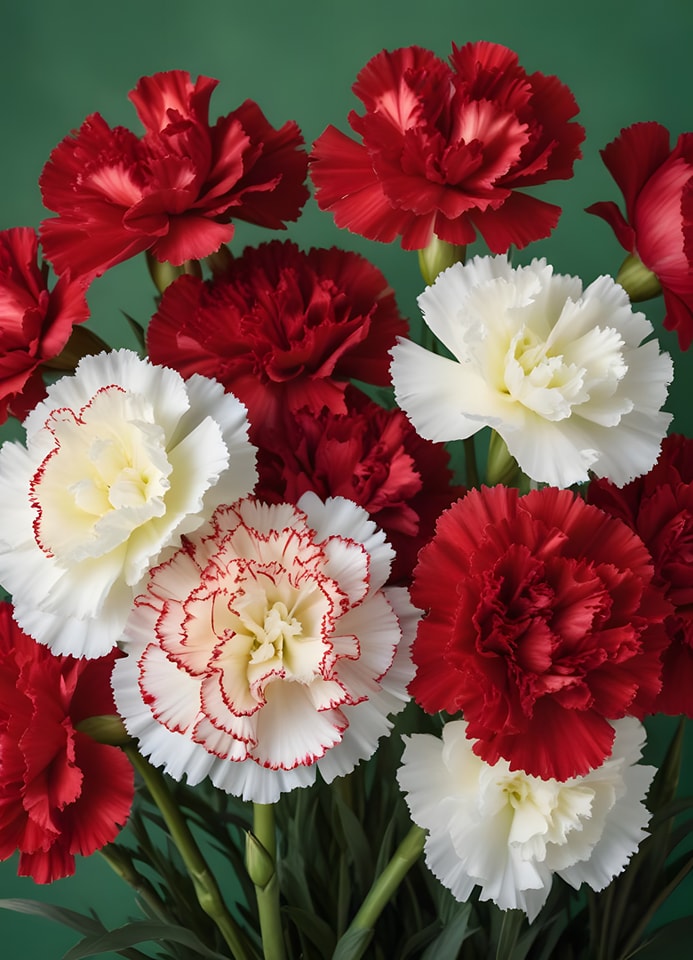
13. Carnation (Dianthus caryophyllus)
Carnations, or clove pinks, feature frilly, rose-like blooms with a spicy fragrance. These perennials or biennials bloom in spring and summer, with grassy foliage that stays evergreen in milder climates. They’re ideal for borders or rock gardens.
Features
- Scientific Name: Dianthus caryophyllus
- USDA Hardiness Zones: 6–9
- Color Variations: Pink, red, white, yellow, or bicolor
- Sun Exposure: Full sun
- Mature Size: 12–24 inches tall, 12–18 inches wide
- Lifespan: Perennial (2–5 years)
- Toxicity: Mildly toxic to pets if ingested; may cause skin irritation
Why It’s Great
Carnations’ ruffled flowers, like ‘Grenadin’ varieties, mimic roses and make excellent cut flowers. They thrive in well-drained, slightly alkaline soil. Deadhead to extend blooming. Their compact size suits small yards. Plant in full sun for best results. Their mild toxicity requires caution around pets.
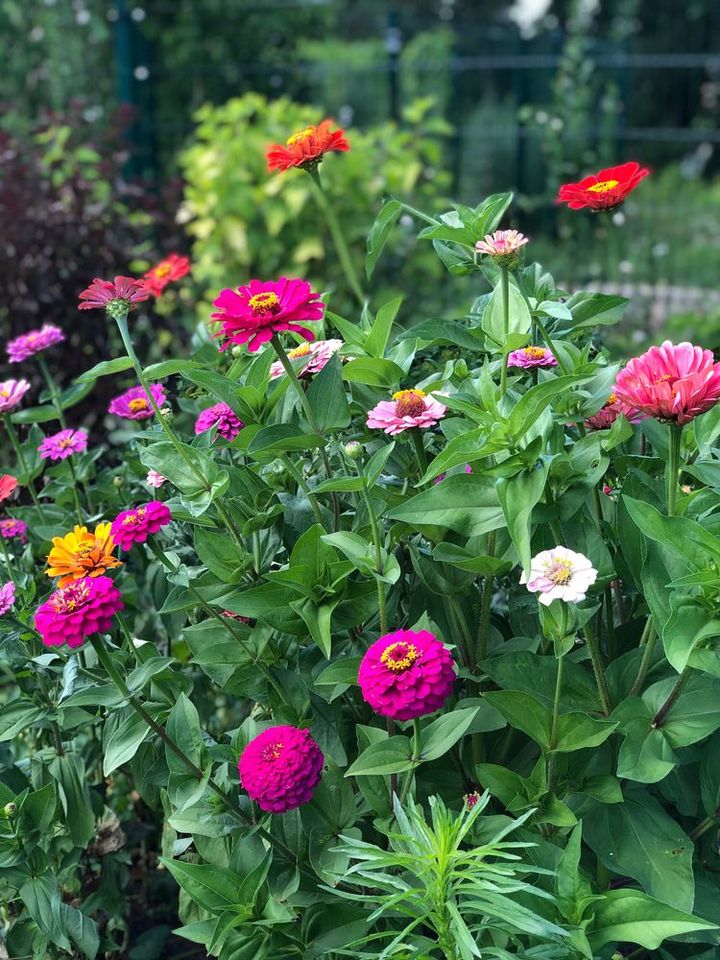
14. Zinnia (Zinnia elegans)
Zinnias, particularly double-flowered varieties, produce vibrant, rose-like blooms from summer to frost. These annuals have sturdy stems and lance-shaped leaves, perfect for sunny borders or cutting gardens. Their bold colors add energy to front yards.
Features
- Scientific Name: Zinnia elegans
- USDA Hardiness Zones: 2–11 (grown as annuals)
- Color Variations: Red, pink, white, yellow, orange, or purple
- Sun Exposure: Full sun
- Mature Size: 6–36 inches tall, 12–18 inches wide
- Lifespan: Annual (1 year)
- Toxicity: Non-toxic to humans and pets
Why It’s Great
Zinnias’ double blooms, like ‘Queen Red Lime,’ resemble roses and attract butterflies. They thrive in well-drained soil and full sun. Sow seeds directly after the last frost. Their non-toxic nature makes them safe for family gardens. Deadhead to prolong blooming. They’re drought-tolerant once established.
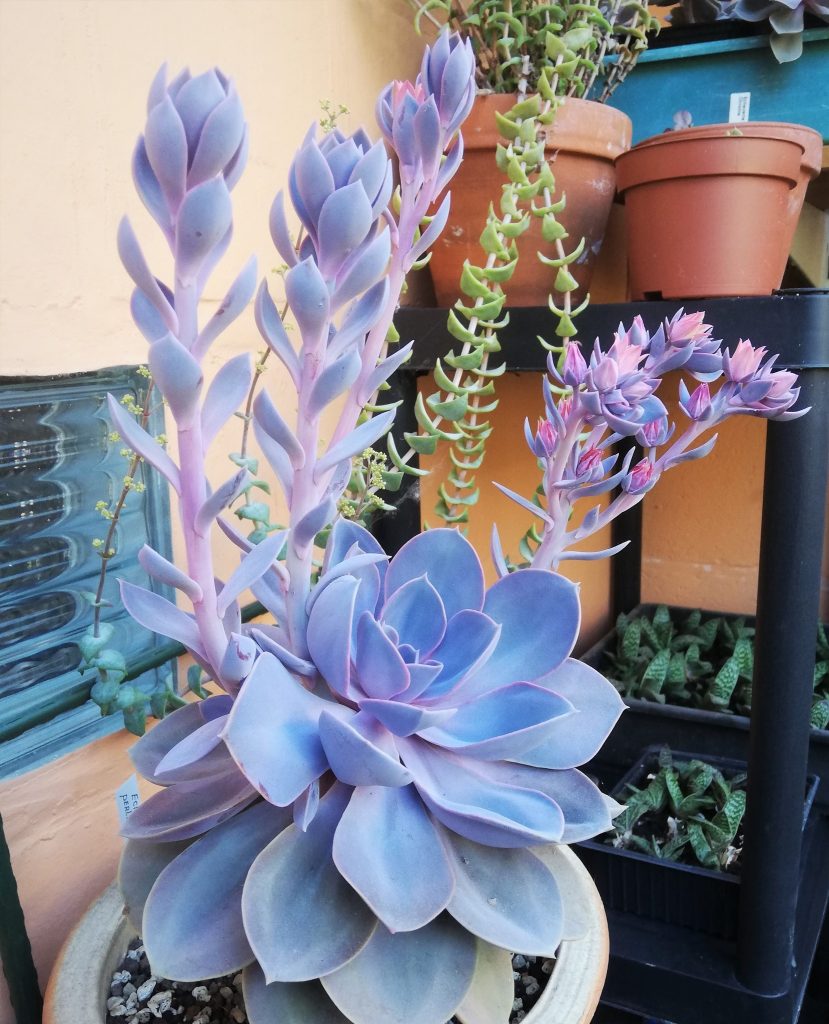
15. Echeveria (Echeveria spp.)
Echeverias are succulents with rosette-shaped foliage that resembles rose buds, especially in varieties like ‘Perle von Nürnberg.’ Their fleshy leaves and occasional bell-shaped flowers add a sculptural element. Perfect for rock gardens or containers in warm climates.
Features
- Scientific Name: Echeveria spp.
- USDA Hardiness Zones: 9–11 (grown indoors elsewhere)
- Color Variations: Foliage in green, purple, pink, or blue-gray; flowers in pink, orange, or yellow
- Sun Exposure: Full sun to partial shade
- Mature Size: 3–12 inches tall, 6–12 inches wide
- Lifespan: Perennial (3–10 years)
- Toxicity: Non-toxic to humans and pets
Why It’s Great
Echeverias’ rosette foliage mimics rose buds, adding a unique texture. They thrive in well-drained, sandy soil and need bright light. In colder zones, grow indoors or in pots. Water sparingly to prevent rot. Their non-toxic nature suits pet-friendly yards. Propagate easily from leaf cuttings for more plants.
Tips for Growing Rose-Like Flowers
To ensure your rose-like flowers thrive, follow these tips:
- Match plant to climate: Choose plants suited to your USDA Zone. Peonies love cool climates; adeniums and echeverias suit warm zones.
- Prepare soil properly: Use fertile, well-drained soil for peonies and carnations; sandy mixes for succulents like echeveria and adenium.
- Water wisely: Avoid overwatering succulents; keep soil moist for gardenias and impatiens.
- Prune and deadhead: Remove spent blooms on zinnias and petunias to extend flowering. Prune camellias post-bloom for shape.
- Handle toxicity: Keep toxic plants like ranunculus and poppies away from pets. Opt for non-toxic zinnias or echeverias in family yards.
- Control pests: Monitor for aphids on lisianthus or spider mites on begonias. Use neem oil for organic control.
- Plan for winter: Lift bulbs like tulips in warm zones; bring adeniums and echeverias indoors in cold climates.
Designing Your Garden with Rose-Like Flowers
These flowers offer endless design options. Create a romantic border with peonies, carnations, and poppies for spring-to-summer color. Use petunias and million bells in hanging baskets to soften yard edges. Plant camellias or gardenias near entryways for fragrance.
For small spaces, try echeverias or ranunculus in containers. In warm climates, adenium adds an exotic focal point. Pair with companions like lavender or salvia to enhance their rose-like blooms. Combine bloom times—tulips in spring, zinnias in summer, camellias in fall—for year-round beauty.
Environmental and Aesthetic Benefits
Rose-like flowers enhance gardens in multiple ways:
- Pollinator support: Zinnias, lisianthus, and peonies attract bees and butterflies.
- Low maintenance: Petunias, million bells, and zinnias require minimal care compared to roses.
- Versatility: From shade-loving begonias to sun-loving zinnias, these plants suit diverse spaces.
- Curb appeal: Vibrant blooms and lush foliage boost your home’s exterior.
- Cut flowers: Lisianthus, carnations, and ranunculus make stunning bouquets.
Regional Considerations for USA Gardens
The USA’s varied climates require tailored choices:
- Northeast (Zones 3–7): Peonies, poppies, and tulips thrive in cold winters.
- Southeast (Zones 7–9): Camellias, gardenias, and lisianthus love humid conditions.
- Midwest (Zones 4–6): Peonies and begonias handle cold winters; impatiens suit shade.
- Southwest (Zones 7–10): Adenium, echeveria, and ranunculus excel in heat.
- West Coast (Zones 6–10): Camellias, petunias, and million bells adapt to mild climates.
Check with local extension services for plant suitability and invasiveness concerns, especially with impatiens.
Common Mistakes to Avoid
- Incorrect sun exposure: Don’t plant sun-loving zinnias in shade or shade-loving begonias in full sun.
- Poor soil drainage: Ensure proper drainage for echeveria and ranunculus to avoid rot.
- Overwatering: Succulents like adenium need sparse watering; overwatering kills them.
- Ignoring toxicity: Keep toxic plants like tulips or poppies away from pets.
- Neglecting winter care: Lift bulbs or bring succulents indoors in cold zones.
Final thoughts
Rose-like flowers offer the beauty of roses with less fuss, making them ideal for any gardener. From the lush peonies of the Northeast to the exotic adeniums of the Southwest, these 15 plants provide vibrant colors, diverse bloom times, and adaptability to various climates.
Whether you choose shade-tolerant begonias or sun-loving zinnias, there’s a rose lookalike for every yard. Plant thoughtfully, care diligently, and enjoy a garden filled with romantic, rose-like blooms all season long.

Tim M Dave is a gardening expert with a passion for houseplants, particularly cacti and succulents. With a degree in plant biology from the University of California, Berkeley, he has vast experience in gardening. Over the years, he has cultivated a vast collection of desert plants and learned a great deal about how to grow and care for these unique companions.