50 Stunning Flowers that Starts with A: Identification and Pictures
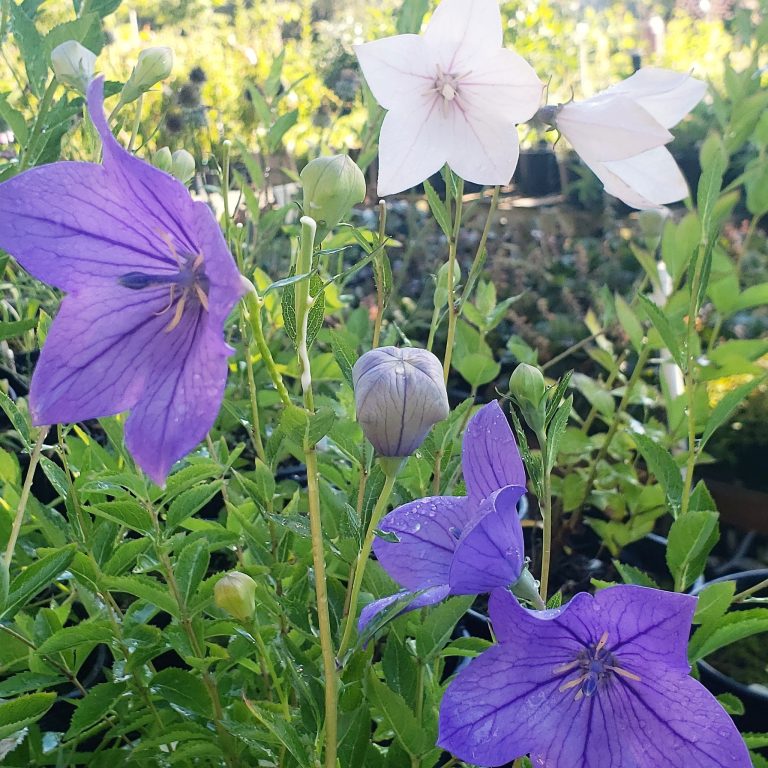
There are countless flowers in the world that start with the letter A, and it’s even hard to list all of them. Here is a list of 50 beautiful flowers whose names begin with A. I have provided a brief description about them, detailing their characteristics, appearance, and uses.
1. Aconitum (monkshood)
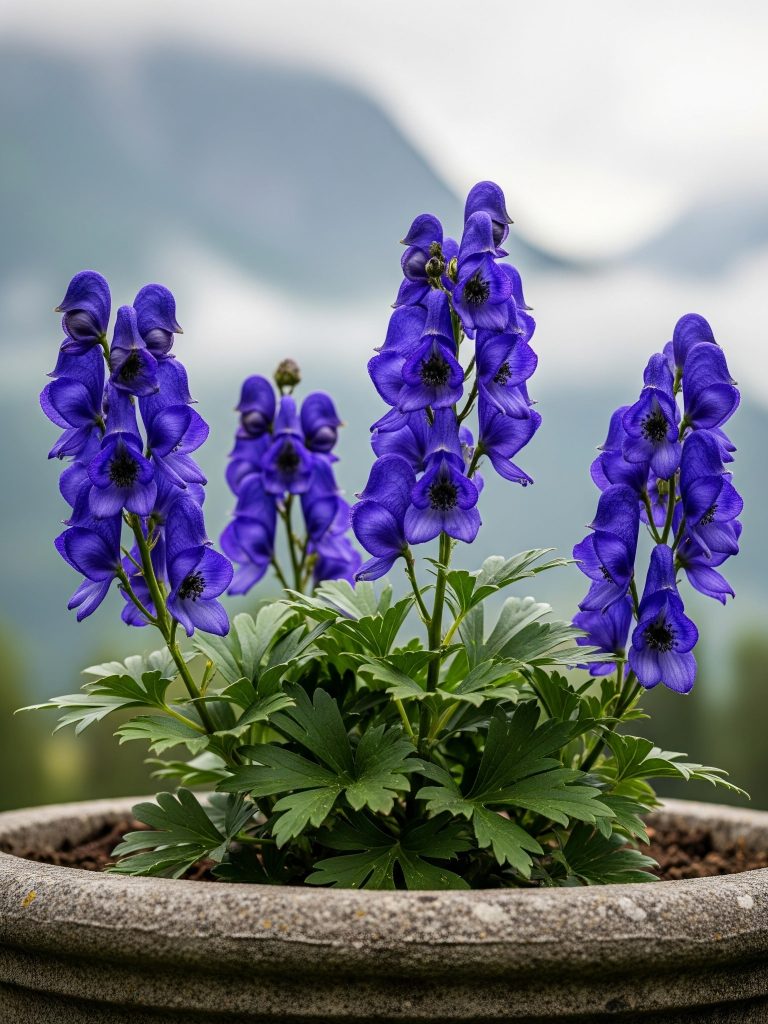
Aconitum, commonly called monkshood or wolfsbane, is a striking perennial with tall spikes of helmet-shaped flowers above deeply lobed, dark green leaves, ideal for shaded borders. Its blooms, typically deep purple or blue, also appear in white or pink, adding elegance to gardens.
Thriving in USDA zones 3-7, it prefers partial shade and moist, well-drained soil. Mature plants reach 3-5 feet tall and 1-2 feet wide, with moderate growth. Living 10-20 years, it’s highly toxic, causing severe poisoning if ingested or handled without gloves, so caution is essential.
2. Achillea (yarrow)
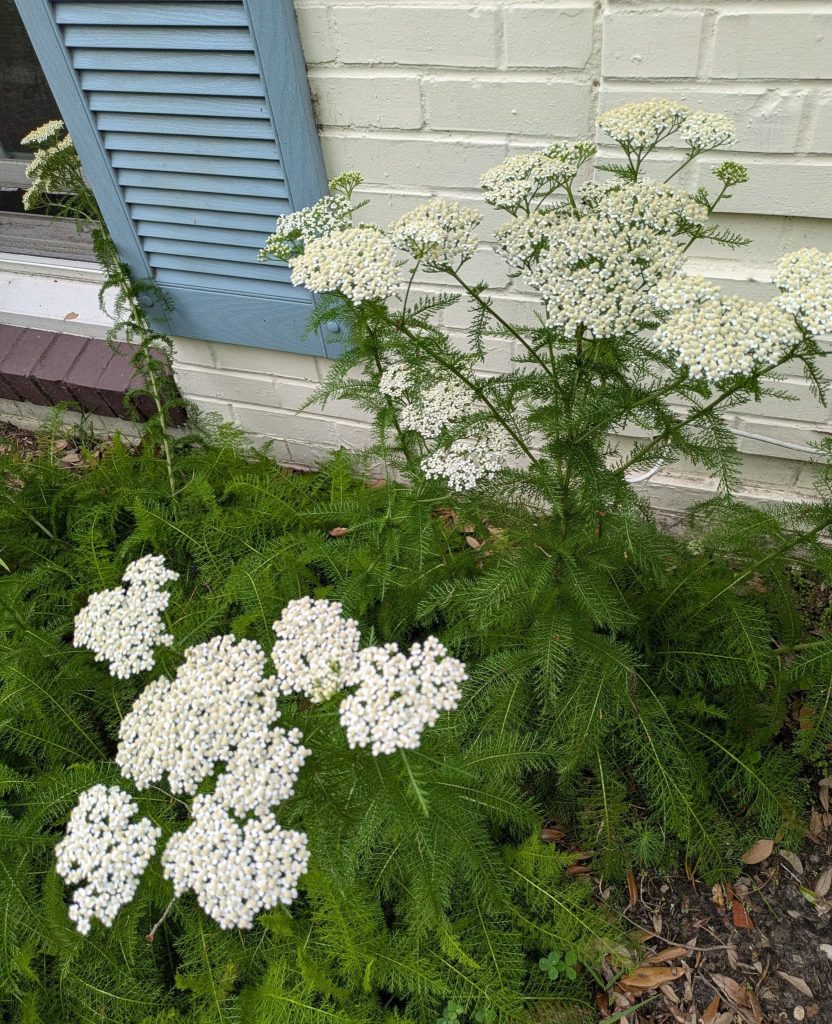
Achillea, known as yarrow, is a robust perennial with flat clusters of tiny, daisy-like flowers atop ferny, aromatic foliage, perfect for sunny meadows. Its blooms, in white, yellow, pink, or red, create vibrant displays.
Hardy in USDA zones 3-9, it thrives in full sun and well-drained soil. Growing 1-3 feet tall and wide, it spreads quickly, living 5-10 years. Non-toxic but mildly irritating to pets if eaten, yarrow attracts butterflies and suits low-maintenance borders with its drought tolerance.
3. Acanthus (bear’s Breeches)
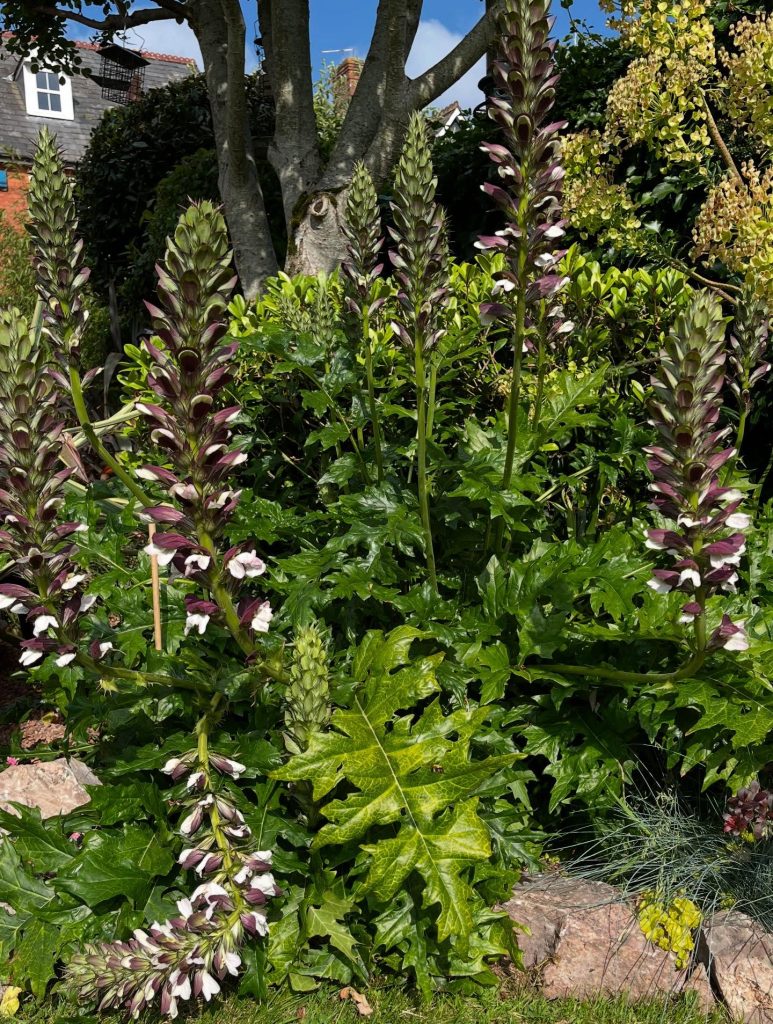
Acanthus, or bear’s breeches, is a bold perennial with glossy, spiny leaves and tall spikes of tubular flowers, evoking Mediterranean charm. Its pink, white, or purple blooms, accented by rosy bracts, shine in late spring.
Suited to USDA zones 7-10, it prefers partial shade to full sun and well-drained soil. Reaching 3-6 feet tall and 2-4 feet wide, it grows slowly but lives 10-15 years. Non-toxic and safe, it attracts bees, making it ideal for architectural garden designs.
4. Agapanthus (African lily)
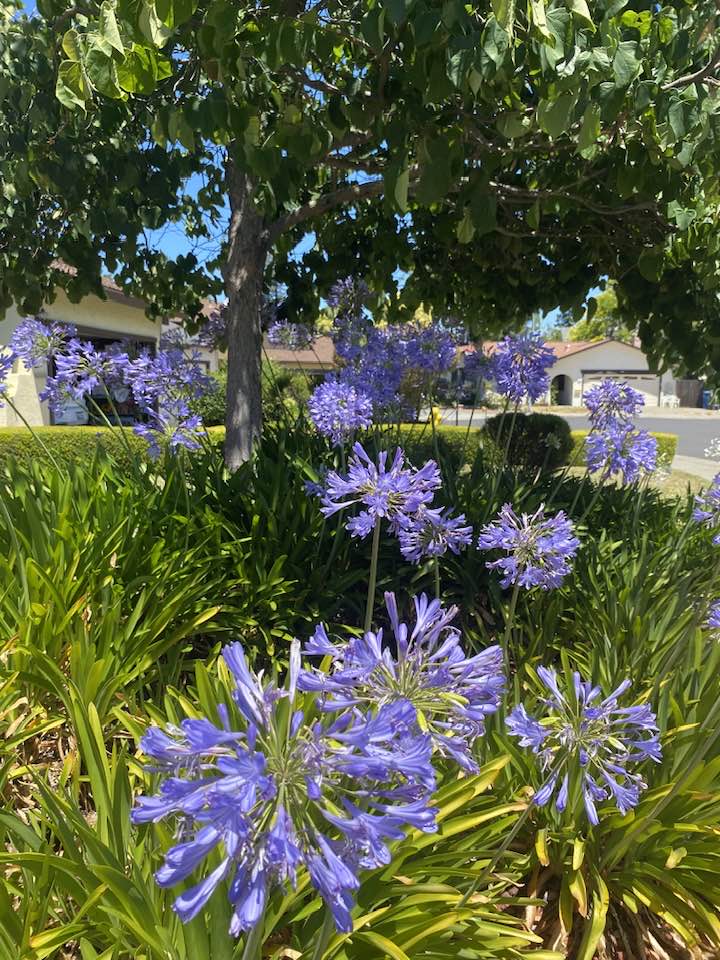
Agapanthus, called African lily, is a clump-forming perennial with stunning, globe-shaped flower clusters on sturdy stems above evergreen, strap-like leaves. Its blue, white, or lavender blooms add tropical flair. Hardy in USDA zones 8-11, it loves full sun and moist, well-drained soil.
Growing 2-4 feet tall and 2-3 feet wide, it has moderate growth and lives 15-20 years. Although mildly toxic to pets and humans, it’s a hummingbird favorite. This plant is perfect for containers or sunny borders.
5. Alcea (hollyhock)
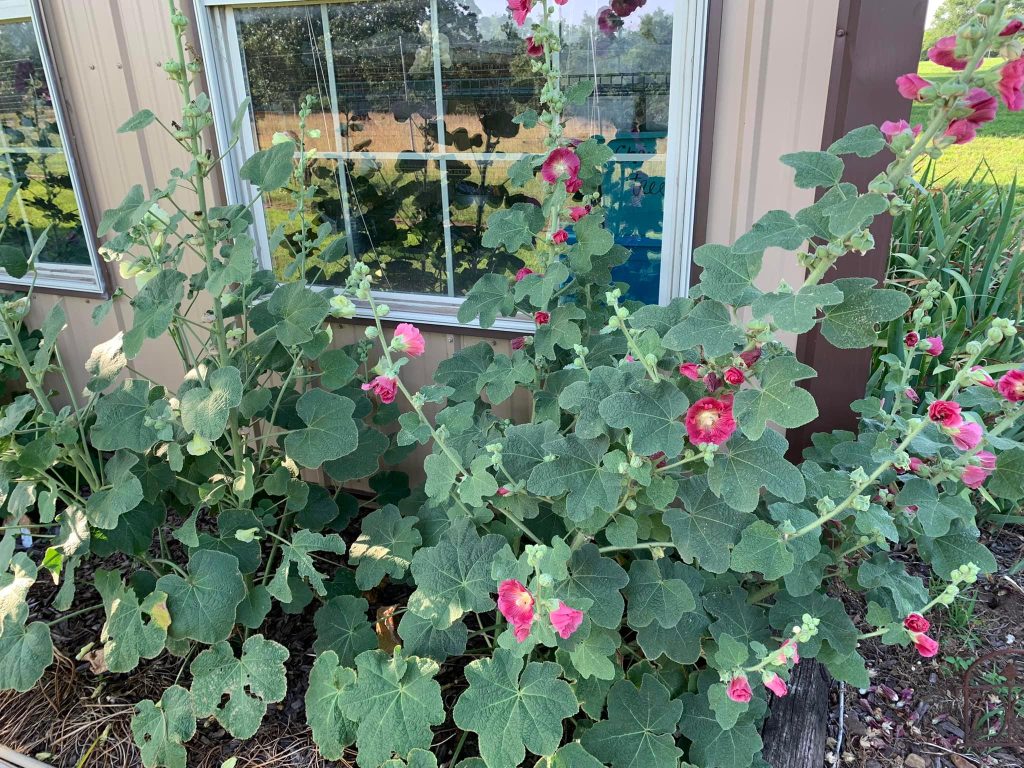
Alcea, or hollyhock, is a biennial with towering spikes of large, round flowers above broad, heart-shaped leaves, evoking cottage garden nostalgia. Its blooms, in white, pink, red, or near-black, create vertical drama.
Thriving in USDA zones 3-9, it requires full sun and average soil. Reaching 5-8 feet tall and 2 feet wide, it grows quickly but lives 2-4 years. It self-seeds, attracts bees, and thrives in poor soils for rustic charm. Alcean is non-toxic and safe around pets and humans.
6. Alstroemeria (Peruvian lily)
Alstroemeria, known as Peruvian lily, is a tuberous perennial with vibrant, lily-like flowers. It features speckled, twisted petals above grassy foliage. Blooming in pink, orange, yellow, or white, it’s ideal for cut flowers.
Hardy in USDA zones 7-10, it prefers full sun to partial shade and fertile soil. Growing 1-3 feet tall and wide, it has moderate growth and lives 10-15 years. Although mildly toxic if eaten, it attracts hummingbirds and enhances summer borders.
7. Alyssum (sweet alyssum)
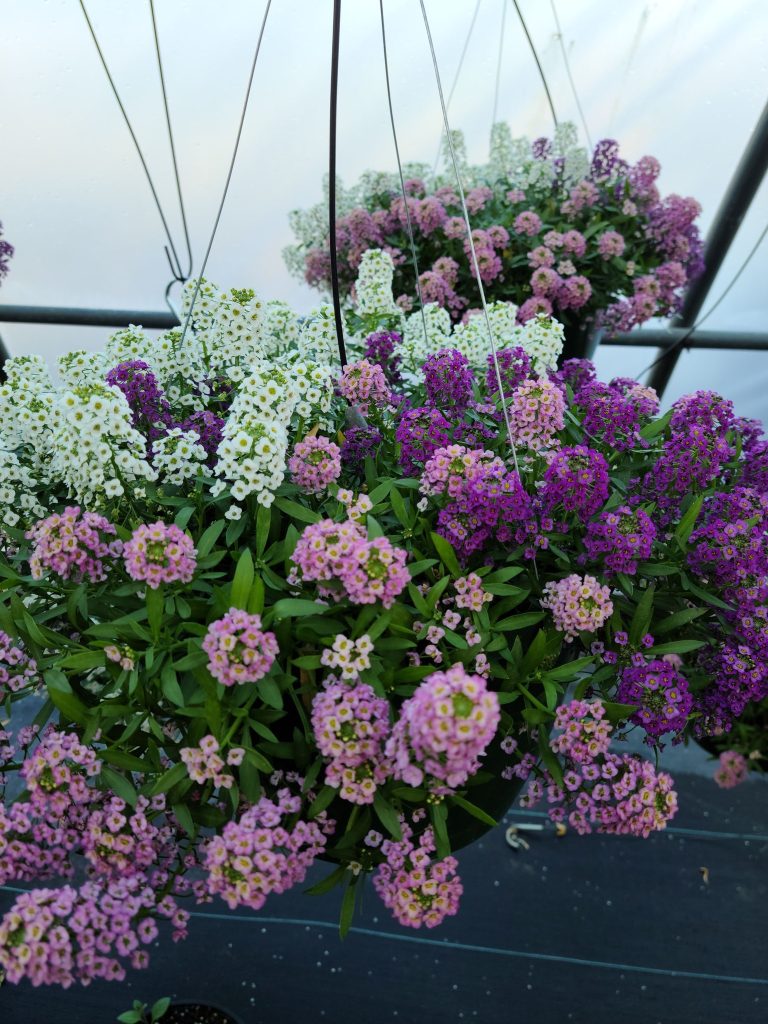
Alyssum, or sweet alyssum, is a low-growing annual with fragrant, tiny flower clusters that cascade like snow over narrow, gray-green leaves. Its white, purple, or pink blooms brighten edges.
Suited to USDA zones 5-9, it thrives in full sun and well-drained soil. Growing 6-12 inches tall and 12-24 inches wide, it spreads quickly, living one season. Alyssum is non-toxic and edible in moderation. It attracts butterflies, making it perfect for groundcovers or baskets.
8. Amaranthus (love-lies-bleeding)
Amaranthus, called love-lies-bleeding, is an annual with cascading, tassel-like flower plumes and broad leaves. Its red, green, or pink blooms create drama, adding bold texture to gardens. Growing in USDA zones 2-11, it needs full sun and well-drained soil.
Reaching 2-5 feet tall and 1-2 feet wide, amaranthus grows rapidly, living one season. Its seeds attract birds, making it ideal for ornamental or edible gardens. This plant is mildly toxic if overconsumed.
9. Amaryllis (belladonna lily)
Amaryllis, or belladonna lily, is a bulbous perennial with large, trumpet-shaped flowers on leafless stems, followed by strap-like leaves. Its red, pink, or white blooms shine brightly, making it perfect for indoor displays.
Hardy in USDA zones 8-10, this plant prefers full sun and well-drained soil. Growing 1-2 feet tall and 1 foot wide, it has moderate growth and lives 10+ years. Amaryllis’ highly toxic bulbs require caution, but they’re popular for holiday vibes.
10. Anemone (windflower)
Anemone, or windflower, is a delicate perennial with poppy-like flowers on slender stems above fine, ferny foliage. Its white, pink, or blue blooms add ethereal charm, making it ideal for woodland gardens. Suited to USDA zones 5-8, it prefers partial shade and moist soil.
This flower grows 1-3 feet tall and 1 foot wide. It has moderate growth and lives 5-10 years. It attracts bees and enhances shaded borders. Anemone is mildly toxic, potentially irritating skin, and can cause stomach upsets if ingested.
11. Anethum (dill)
Anethum, commonly dill, is an annual herb with airy, yellow umbel flowers atop feathery, anise-scented fronds. Essential for culinary and pollinator gardens, its yellow blooms attract insects. This flower thrives in USDA zones 2-11, it prefers full sun and average soil.
Reaching 2-4 feet tall and 1 foot wide, anethum grows quickly, living one season. Non-toxic and edible, it supports swallowtails. It is perfect for herb or vegetable beds.
12. Angelonia (summer snapdragon)
Angelonia, or summer snapdragon, is a heat-tolerant annual with snapdragon-like flower spikes above glossy, green leaves. Its blue, purple, pink, or white blooms add vibrancy, making it ideal for summer beds. Suited to USDA zones 9-11, it loves full sun and well-drained soil.
Summer snapdragon grows 1-2 feet tall and wide, and it has fast growth, living one season. Non-toxic and safe, this flower attracts hummingbirds. Grow it in containers or borders.
13. Antirrhinum (snapdragon)
Antirrhinum, or snapdragon, is a short-lived perennial grown as an annual. With tubular, two-lipped flowers that “snap” when squeezed, it delights children. Its red, yellow, pink, or white blooms grace spikes.
Snapdragon is hardy in USDA zones 7-10, and it needs full sun and fertile soil. Growing 1-3 feet tall and 1 foot wide, it has moderate growth, living 2 years. This plant is mildly toxic, potentially irritating skin. However, it attracts bees and suits playful gardens.
14. Aquilegia (columbine)
Aquilegia, or columbine, is a perennial with nodding, spurred flowers resembling fairy lanterns above ferny, blue-green foliage. Its blue, pink, or yellow blooms enchant. Suited to USDA zones 3-8, it prefers partial shade and moist soil.
Columbine grows 1-3 feet tall and 1 foot wide, and has moderate growth, living 3-5 years. It self-seeds for naturalized areas. Non-toxic and safe, it attracts hummingbirds, thus perfect for shade gardens.
15. Arctostaphylos (bearberry)
Arctostaphylos, or bearberry, is an evergreen shrub with small, urn-shaped flowers followed by red berries, paired with leathery leaves. Its white or pink blooms add subtlety to any landscape. Hardy in USDA zones 2-6, it thrives in full sun and sandy soil.
Bearberry grows 1-2 feet tall and 3-6 feet wide. It has slow growth and can live for 20+ years. This plant is non-toxic, with edible berries. It stabilizes soil and attracts wildlife, thus ideal as groundcover.
16. Argyranthemum (marguerite daisy)
Argyranthemum, or marguerite daisy, is a tender perennial with cheerful, daisy-like flowers on bushy plants. Its white, yellow, or pink blooms brighten patios in mild climates. Suited to USDA zones 9-11, it loves full sun and well-drained soil.
Marguerite daisy grows 1-3 feet tall and wide, and has fast growth. Living 3-5 years, deadheading extends blooms. It is non-toxic and safe, making it ideal for containers or sunny beds.
17. Arisaema (jack-in-the-pulpit)
Arisaema, or jack-in-the-pulpit, is a perennial with unique, hooded spathes sheltering a spadix, followed by red berries. Its green or purple blooms intrigue. Hardy in USDA zones 4-9, it prefers shade and moist soil.
Living 10+ years, this plant grows 1-3 feet tall and 1 foot wide, although it has slow growth. Its toxic berries require caution, but it attracts insects and adds mystery to shaded gardens.
18. Armeria (sea thrift)
Armeria, or sea thrift, is a tufted perennial with pink, pom-pom flowers atop grass-like leaves. Thriving in coastal or rock gardens, its pink, white, or red blooms charm. It is suited to USDA zones 3-8, needs full sun, and poor soil.
Growing 6-12 inches tall and 1 foot wide, armeria has moderate growth, living 10 years. It is non-toxic and safe. Its salt tolerance makes it perfect for seaside plantings.
19. Artemisia (wormwood)
Artemisia, or wormwood, is a perennial with tiny yellow flowers and silvery, aromatic foliage, valued for its texture in herb gardens. Its yellow blooms are subtle. Hardy in USDA zones 4-9, it thrives in full sun and dry soil.
This plant grows 1-4 feet tall and 1-3 feet wide. It spreads quickly, living 10 years. Toxic in excess, it may cause digestive issues in pets and humans. However, it’s known to repel deer and has medicinal uses.
20. Aruncus (Goat’s beard)
Aruncus, or goat’s beard, is a perennial with creamy, feathery flower plumes resembling astilbe, above ferny leaves. Its white blooms glow softly. Suited to USDA zones 3-7, it prefers partial shade and moist soil.
Growing 4-6 feet tall and 2-4 feet wide, this flower has moderate growth, living 15 years. It’s non-toxic and safe. Male plants are showier, perfect for woodland borders.
21. Asclepias (milkweed)
Asclepias, or milkweed, is a perennial with star-shaped flower clusters and milky sap. Its orange, pink, or white blooms attract pollinators. Hardy in USDA zones 3-9, it needs full sun and average soil. This plant grows 2-4 feet tall and 1-2 feet wide. It has moderate growth, living 10 years. Toxic sap may irritate skin, but it’s a vital host for butterflies in wild gardens.
22. Asparagus (asparagus fern)
Asparagus, or asparagus fern, is a tender perennial with delicate white flowers and red berries on feathery fronds. It’s not a true fern but a popular houseplant. Suited to USDA zones 9-11, it prefers partial shade and moist soil. This plant grows 1-3 feet tall and 2-3 feet wide, living 10 years. Its toxic berries require caution.
23. Aster (Michaelmas Daisy)
Aster, or Michaelmas daisy, is a perennial with star-like flowers blooming in fall, atop bushy plants with toothed leaves. Its purple, blue, or pink blooms enliven gardens. Hardy in USDA zones 3-8, it needs full sun and moist soil.
Growing 1-6 feet tall and 1-3 feet wide, it spreads quickly, living 5-10 years. Non-toxic and safe, it attracts pollinators, perfect for late-season color.
24. Astilbe (false spirea)
Astilbe, or false spirea, is a perennial with feathery flower plumes above divided, fern-like leaves, thriving in shady, moist areas. Its pink, red, or white blooms add softness. Suited to USDA zones 4-8, it prefers shade and wet soil.
Growing 1-3 feet tall and 1-2 feet wide, it has moderate growth, living 10 years. Non-toxic and deer-resistant, it brightens woodland or streamside gardens.
25. Aubrieta (rock cress)
Aubrieta, or rock cress, is a trailing perennial with vibrant violet flowers paired with evergreen foliage. Its purple, blue, or pink blooms charm spring gardens, attracting bees. Hardy in USDA zones 4-8, it thrives in full sun and gritty soil. Growing 6 inches tall and 2 feet wide, it has moderate growth, living 5 years. This plant is non-toxic and safe.
26. Azalea (azalea)
Azalea, a flowering shrub related to rhododendrons, boasts funnel-shaped flower trusses. Its pink, orange, or white blooms create vibrant spring displays in woodlands. Suited to USDA zones 5-9, it prefers partial shade and acidic soil.
Growing 3-6 feet tall and 3-5 feet wide, this plant has moderate growth, living 20 years. Azalea is highly toxic. While unsafe for pets, it attracts hummingbirds. It’s a perfect addition to shaded gardens.
27. Allium (ornamental onion)
Allium, or ornamental onion, is a bulbous perennial with spherical flower heads on tall stems. Its purple, white, or pink blooms add modern flair to gardens. Hardy in USDA zones 4-8, it needs full sun and well-drained soil.
Growing 1-4 feet tall and 1 foot wide, it has moderate growth, living 5-10 years. Non-toxic and deer-proof, this plant attracts bees. It is ideal for borders.
28. Arum (cuckoopint)
Arum, or cuckoopint, is a perennial with hooded spathes and red berries, paired with arrow-shaped leaves. Its white or green blooms are unique. Hardy in USDA zones 6-9, it prefers shade and moist soil. Growing 1-2 feet tall and 1 foot wide, it has slow growth, living 10 years. Highly toxic, it’s unsafe for pets but attracts flies with its smelly flowers.
29. 30. Agastache (hyssop)
Agastache, or hyssop, is a perennial with spiked flowers and anise-scented leaves. Its blue or pink blooms attract pollinators. Hardy in USDA zones 5-10, it thrives in full sun and dry soil. Growing 2-4 feet tall and 1-2 feet wide, it spreads quickly, living 5 years. Non-toxic and edible, it draws hummingbirds. This plant is perfect for sunny, low-water beds.
30. Ardisia (coralberry)
Ardisia, or coralberry, is an evergreen shrub with star-shaped white flowers and red berries. Suited to USDA zones 9-11, it prefers partial shade and moist soil. Growing 2-3 feet tall and 2 feet wide, it has moderate growth, living 10 years. Its mildly toxic berries require caution, but it’s a charming, long-lasting ornamental plant. Coralberry is ideal for indoor or patio settings.
31. Ageratum (flossflower)
Ageratum, or flossflower, is an annual with fluffy, blue flower mounds above fuzzy leaves. Growing in USDA zones 2-11, it thrives in full sun and moist soil. Reaching 6-18 inches tall and 1 foot wide, it grows quickly, living one season. This plant is non-toxic and safe around pets and humans. It attracts butterflies, ideal for edging or containers.
32. Alocasia (elephant’s ear)
Alocasia, or elephant’s ear, is a tropical perennial with white spathes and dramatic, arrow-shaped leaves. Suited to USDA zones 9-11, it prefers shade and moist soil. Growing 2-6 feet tall and 2-4 feet wide, it grows quickly, living 5 years. Toxic sap may irritate skin, but it adds bold texture to indoor or tropical gardens.
33. Anemone hupehensis (Japanese anemone)
Anemone hupehensis, or Japanese anemone, is a perennial with single, pink flowers on branching stems above divided leaves. Hardy in USDA zones 4-8, it prefers shade to sun and moist soil. Growing 3-4 feet tall and 2 feet wide, it has moderate growth, living 10 years. Mildly toxic, it may irritate skin but enhances fall gardens.
34. Arctotis (African daisy)
Arctotis, or African daisy, is a perennial with daisy-like flowers that close at night, paired with silvery leaves. Its orange or purple blooms dazzle. Suited to USDA zones 9-11, it thrives in full sun and dry soil. Growing 1-2 feet tall and 1 foot wide, it has fast growth, living 3 years. It’s non-toxic and safe, drought-tolerant, and ideal for sunny, arid gardens.
35. Asarum (wild ginger)
Asarum, or wild ginger, is a groundcover perennial with hidden brown flowers beneath heart-shaped leaves. Hardy in USDA zones 4-8, it prefers shade and moist soil. Growing 6 inches tall and 1 foot wide, it has slow growth, living 10 years. Non-toxic with aromatic roots, it creates lush carpets in woodland settings, safe for gardens.
36. Asphodel (asphodel)
Asphodel is a perennial with star-shaped flowers on tall spikes above grass-like leaves, evoking Mediterranean landscapes. Suited to USDA zones 6-9, it thrives in full sun and dry soil. Growing 2-3 feet tall and 1 foot wide, it has moderate growth, living 10 years. Non-toxic and safe, it’s steeped in myth. This flower is ideal for sunny, well-drained sites.
37. Abutilon (flowering maple)
Abutilon, or flowering maple, is a shrub with bell-shaped flowers and maple-like leaves. Hardy in USDA zones 9-11, it needs full sun and moist soil. Growing 3-10 feet tall and 3-6 feet wide, it has fast growth, living 5 years. Non-toxic and safe, it attracts hummingbirds, ideal for tropical or indoor settings.
38. Actinidia (bower vine)
Actinidia, or bower vine, is a vigorous vine with fragrant, white flowers, ideal for covering arbors or fences. Suited to USDA zones 7-9, it thrives in full sun and moist soil. Growing 10-20 feet long, it has moderate growth, living 20 years. Non-toxic and related to kiwi, it attracts pollinators.
39. Aeonium (aeonium)
Aeonium is a succulent with yellow, star-shaped flowers atop rosette leaves, ideal for arid gardens. Hardy in USDA zones 9-11, it needs full sun and dry soil. Growing 1-3 feet tall and 1-2 feet wide, it has slow growth, living 5 years. The rosettes die after blooming, but it’s perfect for rock gardens or containers. This plant is non-toxic and safe around pets and humans.
40. Agave (century plant)
Agave, or century plant, is a dramatic succulent with towering flower spikes after years, paired with spiky leaves. Its yellow-green blooms are bold. Suited to USDA zones 7-11, it thrives in full sun and dry soil. Growing 6-30 feet tall when blooming, it has slow growth, living 10-30 years. Its toxic sap may irritate, but it’s a stunning, monocarpic focal point for arid landscapes.
41. Allium schubertii (ornamental onion)
Allium schubertii, an ornamental onion, is a perennial with fireworks-like purple flower heads, adding whimsy to gardens. Hardy in USDA zones 4-8, it needs full sun and dry soil. Growing 12-18 inches tall and 1 foot wide, it has moderate growth, living 5 years. Non-toxic and safe, it attracts bees. This flower is ideal for modern or rock gardens.
42. Anacyclus (atlas daisy)
Anacyclus, or atlas daisy, is a low-growing perennial with white daisy flowers that blush red, above woolly leaves. Suited to USDA zones 6-9, it thrives in full sun and dry soil. Growing 6-12 inches tall and 1 foot wide, it has moderate growth, living 5 years. Non-toxic with medicinal uses, it’s perfect for rock gardens or borders.
43. Androsace (rock jasmine)
Androsace, or rock jasmine, is a cushion-forming perennial with tiny, pink star flowers, ideal for alpine troughs. Hardy in USDA zones 4-7, it needs full sun and gritty soil. Growing 2-4 inches tall and 6 inches wide, it has slow growth, living 5 years. Non-toxic and safe, it attracts bees and other pollinators. This flower is perfect for miniature rock garden displays.
44. Anemone sylvestris (snowdrop anemone)
Anemone sylvestris, or snowdrop anemone, is a perennial with fragrant, white, nodding flowers above fine foliage. Growing 1-2 feet tall and 1 foot wide, it has moderate growth, living 10 years. Suited to USDA zones 3-7, it prefers shade and moist soil. This plant is mildly toxic, potentially irritating when consumed. It spreads gently, enhancing woodland gardens.
45. Erica (autumn heather)
Erica, or autumn heather, is an evergreen shrub with tiny, urn-shaped flowers and needle-like leaves. Its pink or white blooms are subtle, adding fall color. Hardy in USDA zones 6-8, it thrives in full sun and acidic soil. Growing 1-3 feet tall and 2 feet wide, it has slow growth, living 20 years. This plant is non-toxic and safe. It’s perfect for low-maintenance, acidic soil beds.
46. Arabis (rock cress)
Arabis, or rock cress, is a low-growing perennial with white, cross-shaped flowers, ideal for cascading over walls. Its white blooms brighten spring. Suited to USDA zones 4-7, it needs full sun and dry soil. Growing 6-12 inches tall and 1 foot wide, it spreads quickly, living 3 years. This plant is non-toxic and safe. It attracts bees, perfect for rock gardens or edging.
47. Arum italicum (italian arum)
Arum italicum, or Italian arum, is a perennial with white spathes and variegated leaves, followed by red berries. Hardy in USDA zones 6-10, it prefers shade and moist soil. Growing 1 foot tall and wide, it has moderate growth, living 10 years. This plant is highly toxic and unsafe for pets. However, it adds ornamental flair to shaded areas.
48. Asarum europaeum (European wild ginger)
Asarum europaeum, or European wild ginger, is a groundcover with hidden purple flowers beneath glossy, heart-shaped leaves. Hardy in USDA zones 4-7, it thrives in shade and moist soil. Growing 6 inches tall and 1 foot wide, it has slow growth, living 15 years. Non-toxic with aromatic roots, it’s ideal for lush, shaded garden carpets.
49. Ageratum houstonianum (blue ageratum)
Ageratum houstonianum, or blue ageratum, is an annual with fluffy, blue flower mounds, perfect for summer vibrancy. Its blue blooms dominate, with white or pink variants. Growing in USDA zones 2-11, it thrives in full sun and moist soil. Reaching 6-18 inches tall and 1 foot wide, it grows quickly, living one season. Non-toxic and safe, it attracts butterflies, ideal for edging or containers.
50. Alchemilla (lady’s mantle)
Alchemilla, or lady’s mantle, is a perennial with chartreuse, frothy flowers and scalloped leaves that catch dew. Hardy in USDA zones 3-8, it prefers partial shade and moist soil. Growing 1-2 feet tall and wide, it has moderate growth, living 10 years. Non-toxic and safe, it’s perfect for filling gaps in shady, cottage-style gardens.

Tim M Dave is a gardening expert with a passion for houseplants, particularly cacti and succulents. With a degree in plant biology from the University of California, Berkeley, he has vast experience in gardening. Over the years, he has cultivated a vast collection of desert plants and learned a great deal about how to grow and care for these unique companions.